The Bogan Before The Bogan
| Pronunciation | /ˈboʊ.ɡən/ (ボウガン) |
|---|---|
| Part of Speech | noun |
| English Definition |
Situates bogan within a longer Australian tradition of the larrikin and the ocker, and lists the regional labels (Westie in Sydney, Bevan in Queensland, Booner in Canberra, Chigga in Hobart) that bogan eventually absorbed into a single national term. |
| Japanese Translation |
ボーガン以前のボーガン |
| Japanese Explanation |
「ボーガン」をラリキンやオッカーといったより長い豪州的伝統の系譜に位置づけ、シドニーの「ウェスティ」やクイーンズランドの「ベヴァン」など、各地域にあった呼び名を「ボーガン」が全国的な言葉として飲み込んでいった経緯を紹介する。 |
Origin
Part of the Bogue series on kangaeroo.com, an ongoing cultural examination of Australian bogan culture.
Related Words
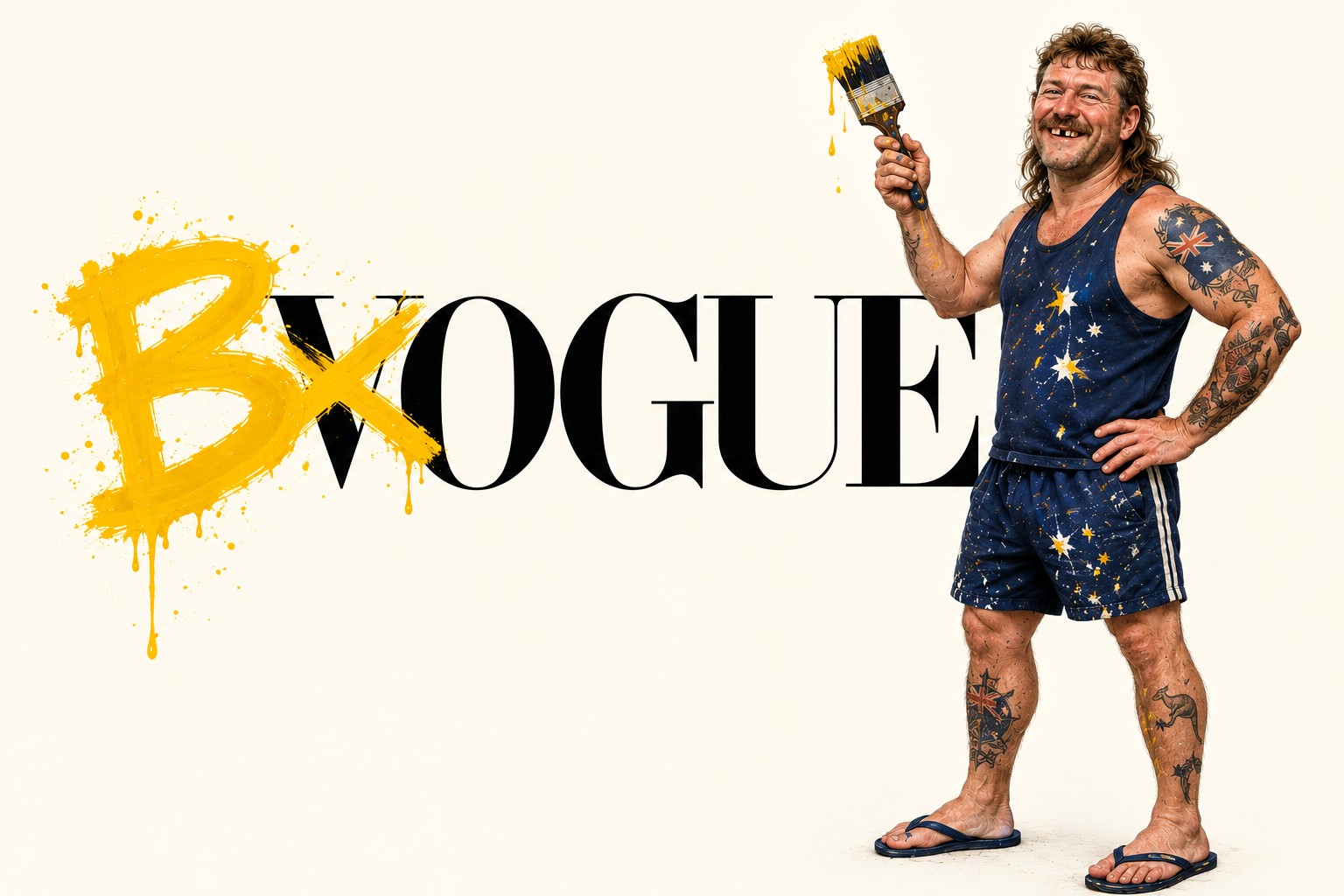
The phenomenon didn’t appear from nowhere. Australia already had a long tradition of the larrikin, the ocker and various regional versions of the uncouth Australian male. Before “bogan” became dominant, different parts of Australia had their own labels:
| Region | Earlier stereotype |
|---|---|
| Sydney シドニー | Westie |
| Queensland クイーンズランド | Bevan |
| Canberra キャンベラ | Booner |
| Hobart ホバート | Chigga |
| Melbourne メルボルン | Bogan |
“Bogan” eventually swallowed many of these regional identities and became national. This is important because bogan isn’t simply a class label. It became a way of talking about a particular form of Australian taste.