Sports

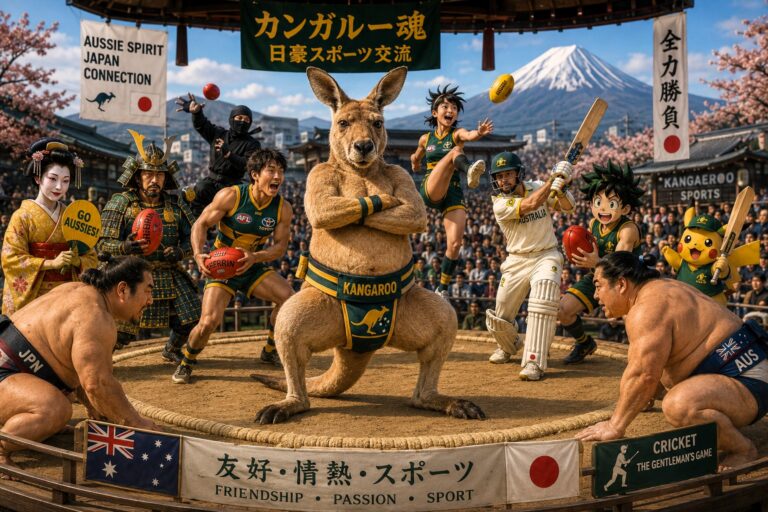
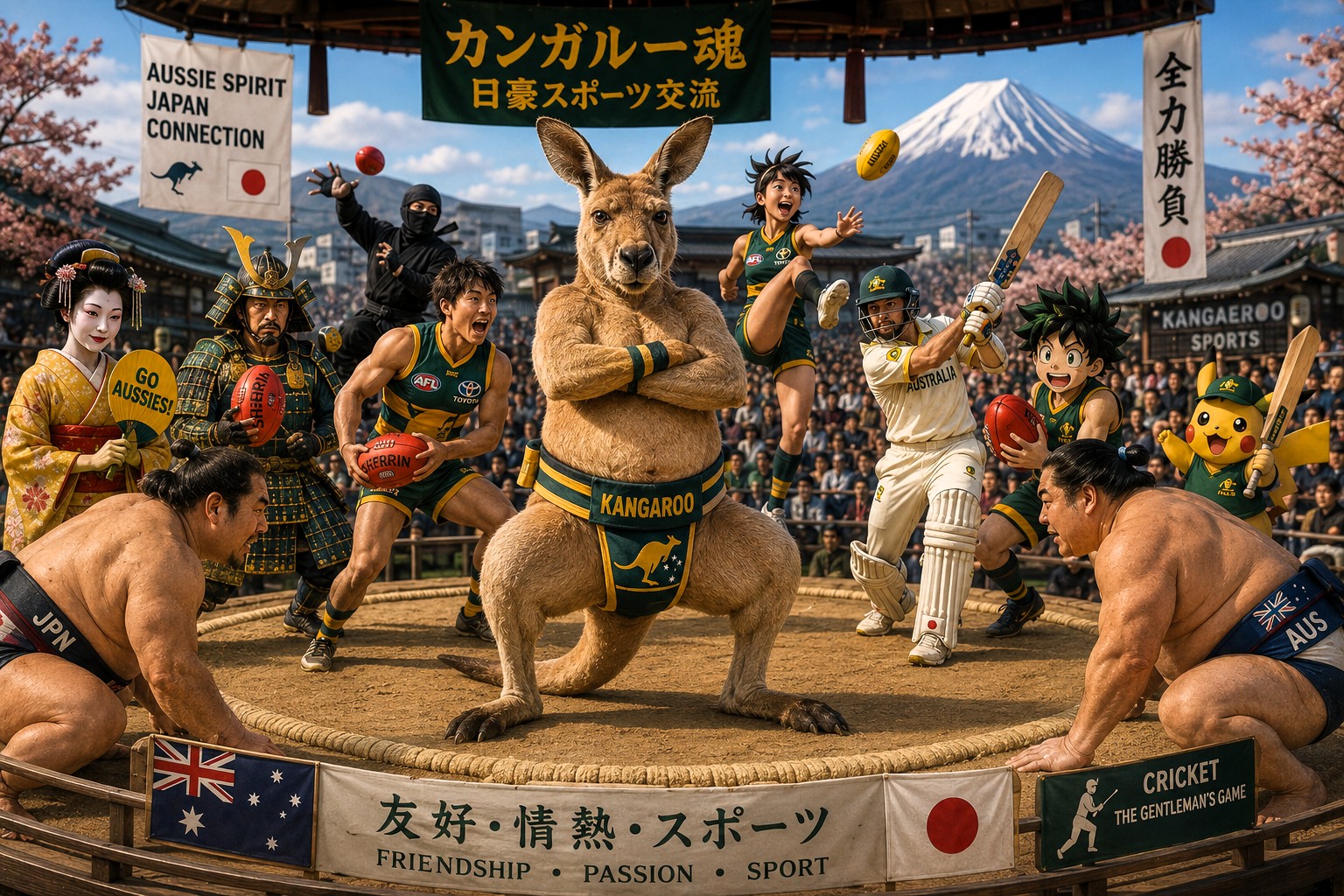
Japan and Australia have not traditionally shared the same sporting preferences, with Australia choosing Aussie Rules and cricket while Japan preferred baseball and sumo. But the great friends are increasingly becoming sporting rivals, too, in soccer and rugby as sporting fields have broadened in recent decades. Learn more here.
「日本とオーストラリアは、これまでスポーツの好みがあまり重なってきませんでした。オーストラリアはオージールールズやクリケット、日本は野球や相撲を中心に発展してきたためです。ところが近年、競技の幅が広がるにつれ、サッカーやラグビーでは“仲良し同士”がライバル関係になる場面も増えてきました。詳しくはこちらでどうぞ

  • |

    Perth Wildcats To Get Wild In Okinawa

    パース・ワイルドキャッツが沖縄へ! This is one of the week’s biggest Australia–Japan sporting connections. The Perth Wildcats, one of the most successful clubs in Australia’s NBL, travel to Okinawa for two games against Japanese opposition during ISLAND GAMES 2026. The tournament’s International Week has also been officially recognised as a commemorative event marking the 50th anniversary of the Japan–Australia Basic Treaty of Friendship and Cooperation. Australian games Tuesday, 8 September — 19:35Chiba Jets vs Perth Wildcats Thursday, 10 September — 19:35Ryukyu Golden Kings vs Perth Wildcats Venue Okinawa Suntory Arena1-16-1 Yamauchi, Okinawa City, Okinawa Event hours For both Perth games: The timetable is subject to change. Admission Official standard seat prices include: Premium…

  • | |

    The Tragic Tale Of A Japanese-Australian Wallaby Who Became A Symbol Of Mateship

    なぜ日系オーストラリア人のワラビーズ選手は「仲間」の象徴になったのでしょうか? A Wallaby Called “Blow” 「ブロー」と呼ばれたワラビー Winston Phillip James Ide was born in Sydney in 1914 to an Australian mother, Clara, and Japanese-born father Henry Hideichiro Ide. Nicknamed “Blow” as a child, he became a talented rugby player, representing New South Wales and Queensland before playing two Tests for Australia against the All Blacks in 1938. ウィンストン・フィリップ・ジェームズ・イデは1914年、シドニーでオーストラリア人の母クララと日本生まれの父ヘンリー・ハイデイチロウの間に生まれました。幼いころの癖から「ブロー」と呼ばれ、ラグビー選手として頭角を現し、1938年にはオールブラックス戦2試合でオーストラリア代表としてプレーしました。 From rugby field to battlefield ラグビー場から戦場へ Ide was selected for the 1939 Wallabies tour of Britain. The team had just reached England when war broke out in Europe. The tour was abandoned and the players returned home. Ide then enlisted in the Second Australian Imperial Force and joined the 2/10th Field Regiment. イデは1939年のワラビーズ英国遠征メンバーにも選ばれました。しかし一行が英国に到着した直後、ヨーロッパで戦争が始まり、遠征は中止されます。帰国したイデは第二オーストラリア帝国軍に入隊し、第2/10野戦連隊に所属しました。…

  • |

    Why Do Aussies Ride On A “Deadly Treadly?”

    What Does “Deadly Treadly” Mean? Aussieはなぜ自転車を「Deadly Treadly」と呼ぶの? Imagine you’ve just bought a brand-new bicycle. You wheel it out of the shop, admiring the shiny frame. An Aussie mate walks over, grins and says, “Nice deadly treadly!” Nobody thinks the bike is dangerous. In fact, it’s a compliment. Deadly treadly is one of those classic Aussie rhyming expressions that simply means “bicycle.” It’s playful, memorable and unmistakably Strine. 日本で自転車といえば、「自転車」「チャリ」「ママチャリ」など、いろいろな呼び方があります。Aussieにも、ユーモアたっぷりの呼び名があります。それが、”deadly treadly”です。意味、とてもシンプル。「自転車」。それだけです。でも、語感がよく、一度聞いたら忘れられないのがAussie英語らしいところ。\友達同士で使う、親しみのある表現です。 Expression Deadly treadly Pronunciation /ˈdedli ˈtredli/ Meaning 自転車。 特に日常生活で使う普通の自転車を親しみを込めて呼ぶ表現です。「deadly(命にかかわる)」という本来の意味はほとんど意識されておらず、リズムを楽しむ言葉になっています。 Example I rode my deadly treadly to work today. 「今日は自転車で会社へ行ったよ。」 また、 My old deadly treadly finally gave up. なら、 「長年乗った愛車の自転車が、とうとう寿命を迎えた。」 という意味になります。 日本語で言うと? 日本語なら、「チャリ」「愛車」などが近いでしょう。ただし、”deadly treadly” は少しユーモラスな響きがあり、「チャリ」よりも遊び心のある言い方です。 Australia–Japan Connection オーストラリアは広い国ですが、シドニーやメルボルンなどの都市では、自転車を通勤や通学に利用する人も増えています。休日にはサイクリングロードを家族で楽しむ姿もよく見られます。日本も自転車文化が盛んな国。だから “deadly treadly” という言葉は、日本人にも親しみやすいStrineのひとつかもしれません。 Aussieは、何でも短くしたり、語呂を楽しんだりするのが大好きです。”deadly…

  • |

    Why Do Aussies Talk About “The Trots?”

    What Does “The Trots” Mean in Aussie English? Aussieが「The Trots」と言うのはどういう意味? “Sorry, mate. I can’t come into work today.” “What’s up?” “I’ve got the trots.” Almost no Aussie hearing that conversation would assume the speaker had been watching horse racing. Although “the trots” can refer to harness racing, in everyday conversation it almost always means something much less enjoyable…Diarrhoea. Like so many Strine expressions, it’s a humorous way of talking about an unpleasant subject. 「今日は会社を休みます。」 「どうしたの?」 「I’ve got the trots.」 もしAussieがこの会話を聞いたら、ほとんどの人は「お腹をこわしたんだな」と思うでしょう。もちろん、”the trots” には競馬の一種である「ハーネスレース(繋駕速歩競走)」という意味もあります。しかし、日常会話では圧倒的に、「下痢」を意味することが多い表現です。 少し遠回しに、そして少しユーモラスに体調を伝えられるのが、Aussieらしいところです。 Expression The trots Pronunciation /ðə trɒts/ Meaning ① 下痢 日常会話では、この意味で使われることがほとんどです。”I’m sorry, I’ve got the trots.”と言えば、「ごめん、お腹をこわしちゃった。」という意味になります。 ② ハーネスレース(繋駕速歩競走) 馬が小型の二輪車(サルキー)を引いて走る競技。競馬好きのAussieなら、”I’m going to the trots tonight.”と言えば、「今夜はハーネスレースを見に行く。」という意味になります。 ③ 運・ツキ 昔のAussie英語では、”a good…

  • | | | | |

    Why Have Thousands Of Young Aussies JET-ted Off To Live And Work In Japan?

    なぜ何千人ものオージーが日本で暮らき、働く道を選んだのでしょうか? Since 1987, the JET Programme has brought thousands of young Australians to Japan as assistant language teachers and international coordinators. Many arrived expecting a one-year adventure, but found lifelong friendships and careers instead. 1987年に始まったJETプログラムは、何千人ものオーストラリアの若者を外国語指導助手(ALT)や国際交流員として日本へ迎えてきました。1年間の経験のつもりが、一生の友情や仕事につながった人も少なくありません。 An idea with a big vision 大きな夢から始まった交流事業 The Japan Exchange and Teaching (JET) Programme was launched in 1987 by the Japanese Government to promote international understanding at the local level. Australia became one of the first participating countries and remains one of the programme’s largest partners. JETプログラムは1987年、日本政府が地域レベルで国際交流を深めることを目的に始めました。オーストラリアは開始当初から参加しており、現在も主要な参加国の一つとなっています。 Far more than teaching English 英語を教えるだけではない Australian participants teach English in schools, but they also introduce students to Australian culture, sport and everyday life. In return, they learn…

  • 何でBaggy Green(バギー・グリーン)を頭にかぶっている?

    オーストラリアで最も価値のある帽子? オーストラリア人にとって、一番誇らしい帽子は何でしょう? アクブラハット? いえ、それ以上に特別なのが Baggy Green(バギー・グリーン) です。 これはオーストラリア代表としてテストクリケットに初出場した選手だけが授与される、濃い緑色の少しぶかぶかした帽子です。 新品でも決して格好いい帽子ではありません。しかし選手たちは、新しいものに交換せず、何年も同じ帽子を使い続けます。 試合を重ねるたびに色あせ、汗や泥で傷んでいく姿こそ、「国を代表して戦ってきた証」と考えられているからです。 Baggy Green は単なる帽子ではありません。 オーストラリアのクリケット文化そのものを象徴する存在なのです。 スポーツ用語 英語Baggy green 発音/ˌbæɡi ˈɡriːn/ 意味 オーストラリア代表テストクリケット選手だけに授与される伝統的な緑色のキャップ。 例文 He finally earned his Baggy Green. 「彼はついにオーストラリア代表としてバギー・グリーンを手にした。」 日本とのつながり 日本では高校野球の「甲子園の土」が特別な意味を持つように、オーストラリアでは Baggy Green が選手たちの憧れです。 高価なトロフィーよりも、一つの古びた帽子。そんなところにも、オーストラリア人が伝統を大切にする国民性が表れています。

  • | |

    Aussie Soccer Presence Is So Strong Have Marinos Become Merinos?

    なぜ横浜F・マリノスはオージー監督を選び続けるのか? J.League powerhouse Yokohama F Marinos have such a strong connection with Australia it makes you wonder whether the club has gotten mixed up with merinos, the sheep attributed with making Australia rich. The Marinos recently appointed Steve Corica as coach, the sixth Aussie to hold the post since 2019. Jリーグの強豪・横浜F・マリノスはオーストラリアとの結びつきがあまりにも強く、クラブ名がオーストラリアを豊かにしたとされるメリノ種の羊(merinos)と混ざってしまったのでは、と冗談のひとつも言いたくなるほどだ。マリノスは最近、スティーブ・コリカを監督に迎えたが、これは2019年以降で6人目のオージー監督となる。 It Started with Ange すべてはアンジェから始まった In January 2018, Ange Postecoglou arrived at Yokohama F. Marinos after leading Australia to the 2015 AFC Asian Cup. Many wondered whether his adventurous attacking style would suit Japanese football. The answer came quickly. すべてはアンジェから始まった 2018年1月、アンジェ・ポステコグルー監督が横浜F・マリノスに就任しました。 アジアカップ優勝監督として期待される一方、その攻撃的なサッカーがJリーグで通用するのか注目されました。 答えは、すぐに示されました。 Winning Hearts—and the League サポーターの心とリーグをつかんだ In 2019, Marinos won the J1 League title playing fast, attacking…

  • Japan Has Hokusai’s Wave But Oz Boasts Of The Bommie

    Bombora, or more commonly bommie, is Strine (Australian English) for a large breaking wave over reefs. A bommie appears suddenly and can be dangerous. 日本語の意味Bombora は岩礁上に現れる危険な大波です。 ExplanationBommie is common in Australian surf culture. Surfers respect the unpredictable power of the bombora. 日本語での解説サーフィン文化で重要な自然現象です。突然現れる危険な波です。 Example“Watch out for the bombora near the reef.”「リーフ付近の大波に注意。」 Strine CulchaStrine includes many words from surf culture. オージー文化メモストラインはサーフィン文化と強く結びついています。 Related Terms Bombora — The History Of Surfing

  • | |

    Why Hasn’t Australia Produced a Professional Sumo Wrestler?

    なぜオーストラリアから大相撲力士は誕生していないのか? Australia has produced Olympic wrestlers, world champions and elite athletes in almost every sport imaginable. And walking on any Aussie city street, you’d reckon there’s plenty of decent candidates for a sport demanding a massive girth. Yet one Japanese sport has remained out of reach. Why has no Australian ever competed in professional sumo? オーストラリアは、オリンピック選手や世界チャンピオンなど数多くのトップアスリートを輩出してきました。しかし、日本の国技・大相撲だけは例外です。なぜ、オーストラリア出身の大相撲力士はいないのでしょうか。 A Sport Unlike Any Other 特別なスポーツ Professional sumo is much more than a sport. It is a centuries-old way of life, built around strict traditions, communal living and total dedication to a sumo stable. Becoming a professional rikishi means embracing an entirely new culture. 特別なスポーツ 大相撲は単なるスポーツではありません。 何百年も受け継がれてきた伝統や共同生活、厳しい規律の中で成り立っています。 力士になるということは、新しい文化そのものを受け入れることでもあります。 The Door Is Narrow 狭き門 For…

  • |

    Grand Final (Granny)

     オーストラリアは、とにかくスポーツ好きの国。そのシーズンの王者を決める究極の一戦は、たいてい『グランドファイナル』だ。ストライン(オージー英語)でこれ以上ド真ん中の呼び名はない。要するに、その年の最強クラブやチームを決める試合のこと。 Australia is a sport-loving country, possibly more than most. And the ultimate game that decides a champion in Australian sports is almost invariably the grand final. Real Strine could give no other fair dinkum name to a grand final, which is the match that determines the best club or team for its particular season, though we do sometimes refer to the match as the “granny,” too. なかでも一番有名なのが、毎年9月の最終土曜日にメルボルン・クリケット・グラウンドで行われる、オーストラリアン・フットボール・リーグのグランドファイナル。勝ったチームは実質「世界王者」なんだけど、オージーは控えめだから、そんな呼び方はしない。 The most notable grand final of Australian sports is played at the Melbourne Cricket Ground, usually on the last Saturday in September, to determine the premiership team of the Australian Football League. The winners of that match are the world champions, but…