The First Class First Nations Film Festival
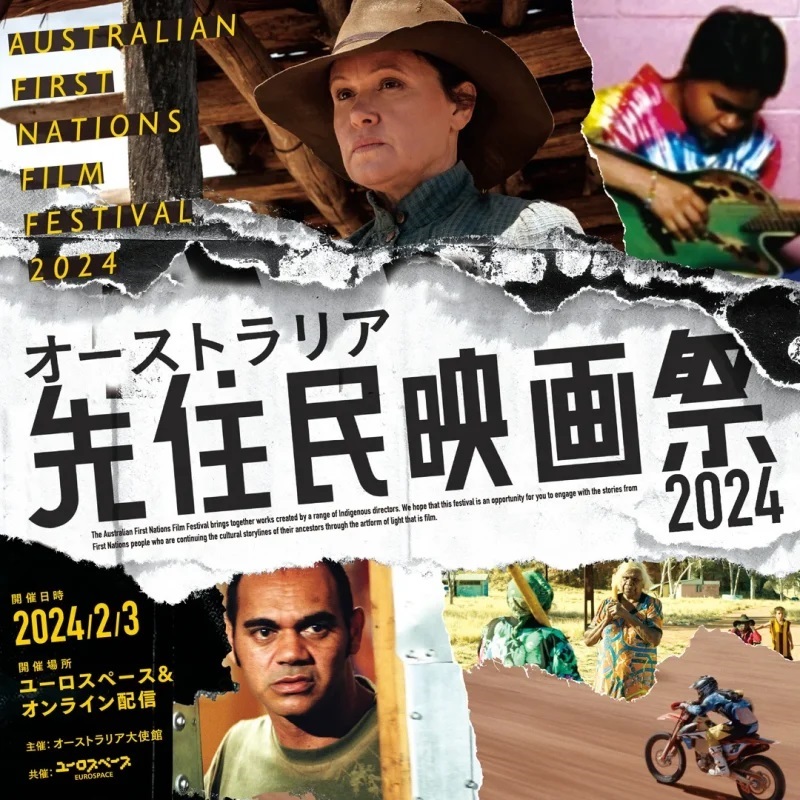
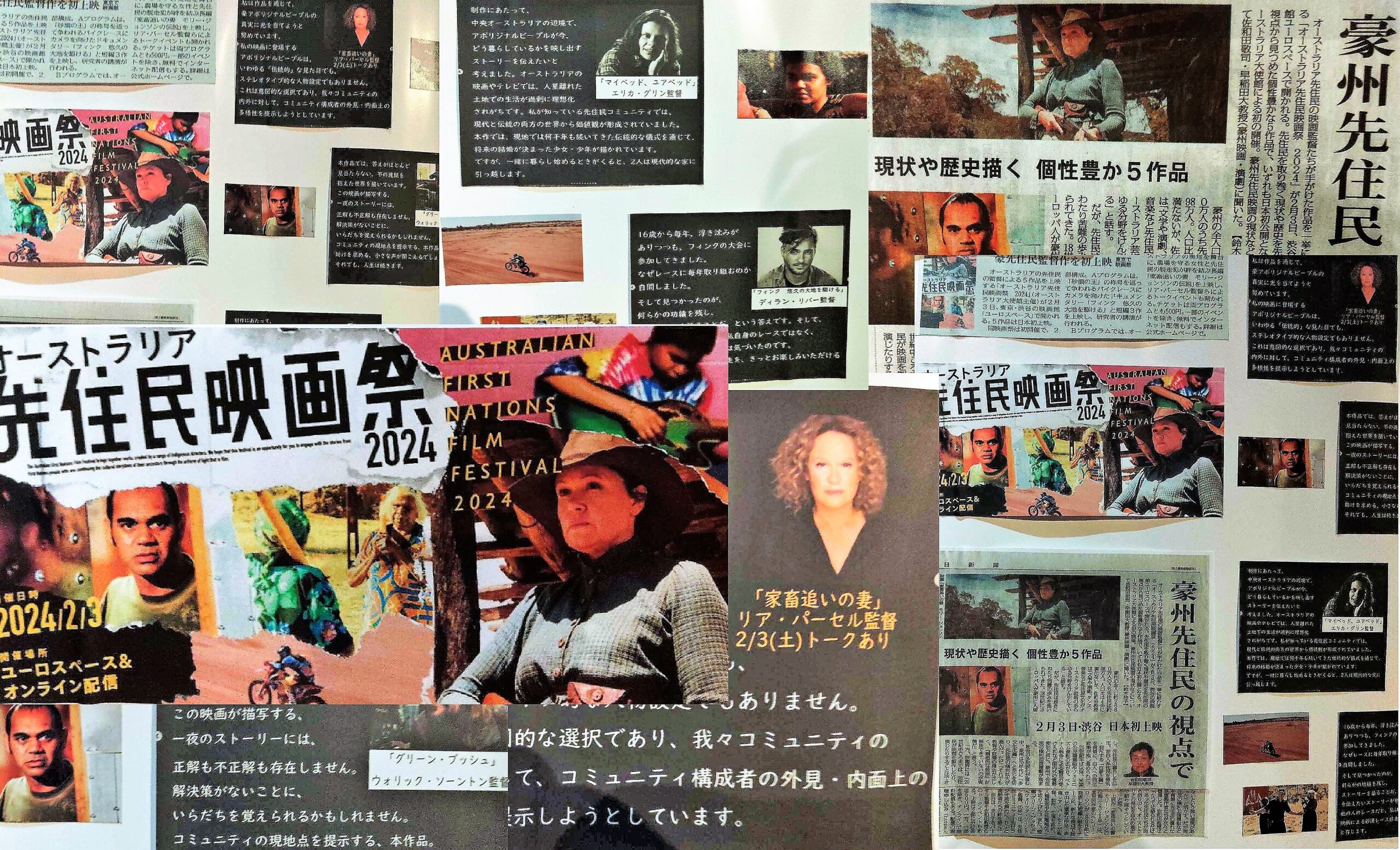
For a measly 1,000 yen I got to get a totally unexpected and delightfully amazing full day’s entertainment, a couple of souvenirs and an all-round wonderful time at the 2024 First Nations Film Festival held by the Australian Embassy in Tokyo at EUROSPACE.
I’ve always been sympathetic to the cause of Indigenous Australians as I’ve understood it, but in recent years I’ve developed a bit of empathy fatigue, or even borderline antipathy, as the blame for society’s shortcomings are increasingly laid at the feet of all white men.
So when Mrs. Kangaeroo expressed an interest in going to the festival after seeing an ad on Facebook, I wasn’t overly keen, expecting to cop a few hours of being lectured at for being a misogynistic racist, neither of which I believe I am (my track record perhaps suggests it’s a fair label).
But, we rarely get to spend time together, so I was up for a date with a gorgeous woman and decided to go along. Well, wasn’t I lucky?
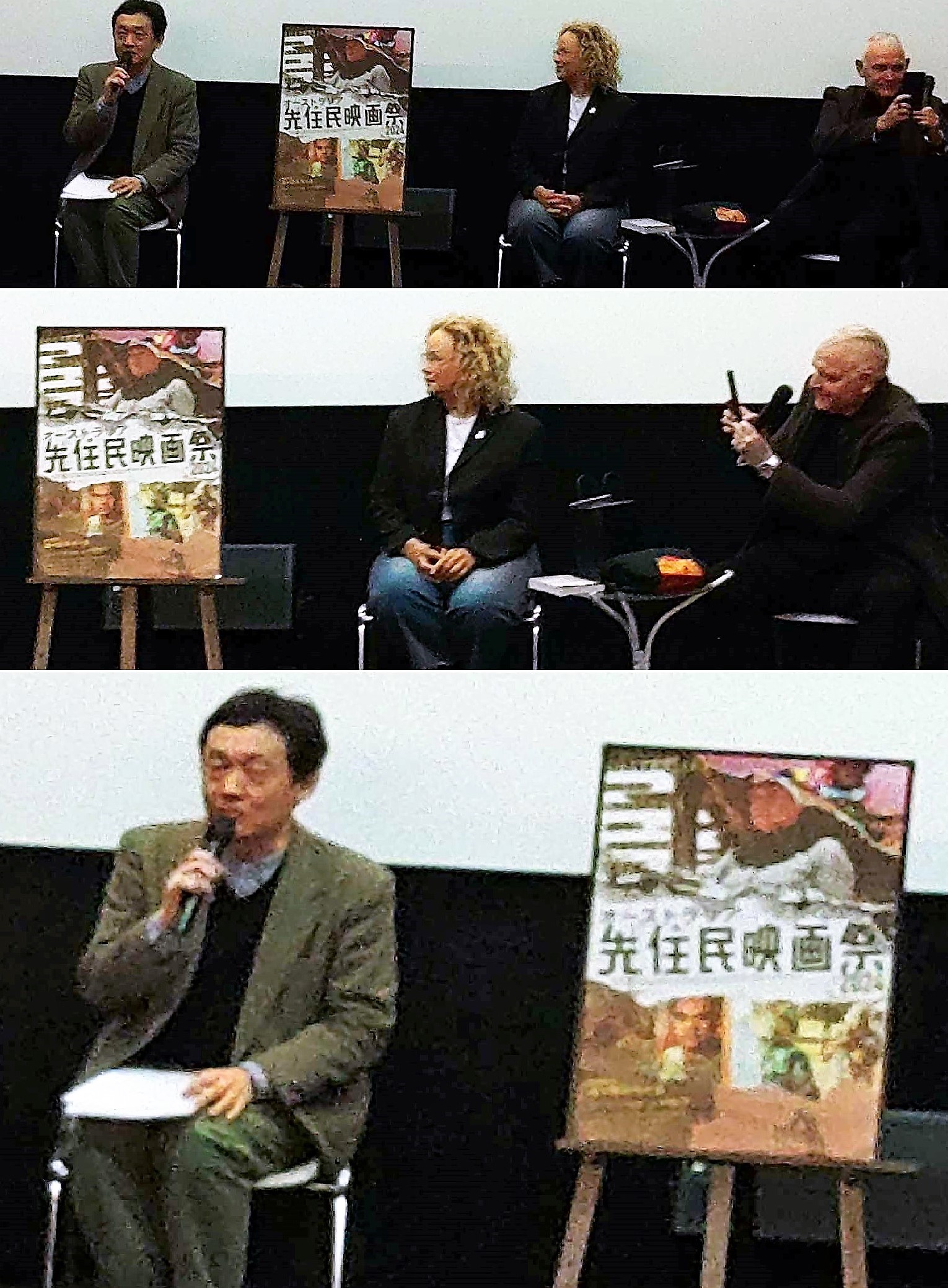
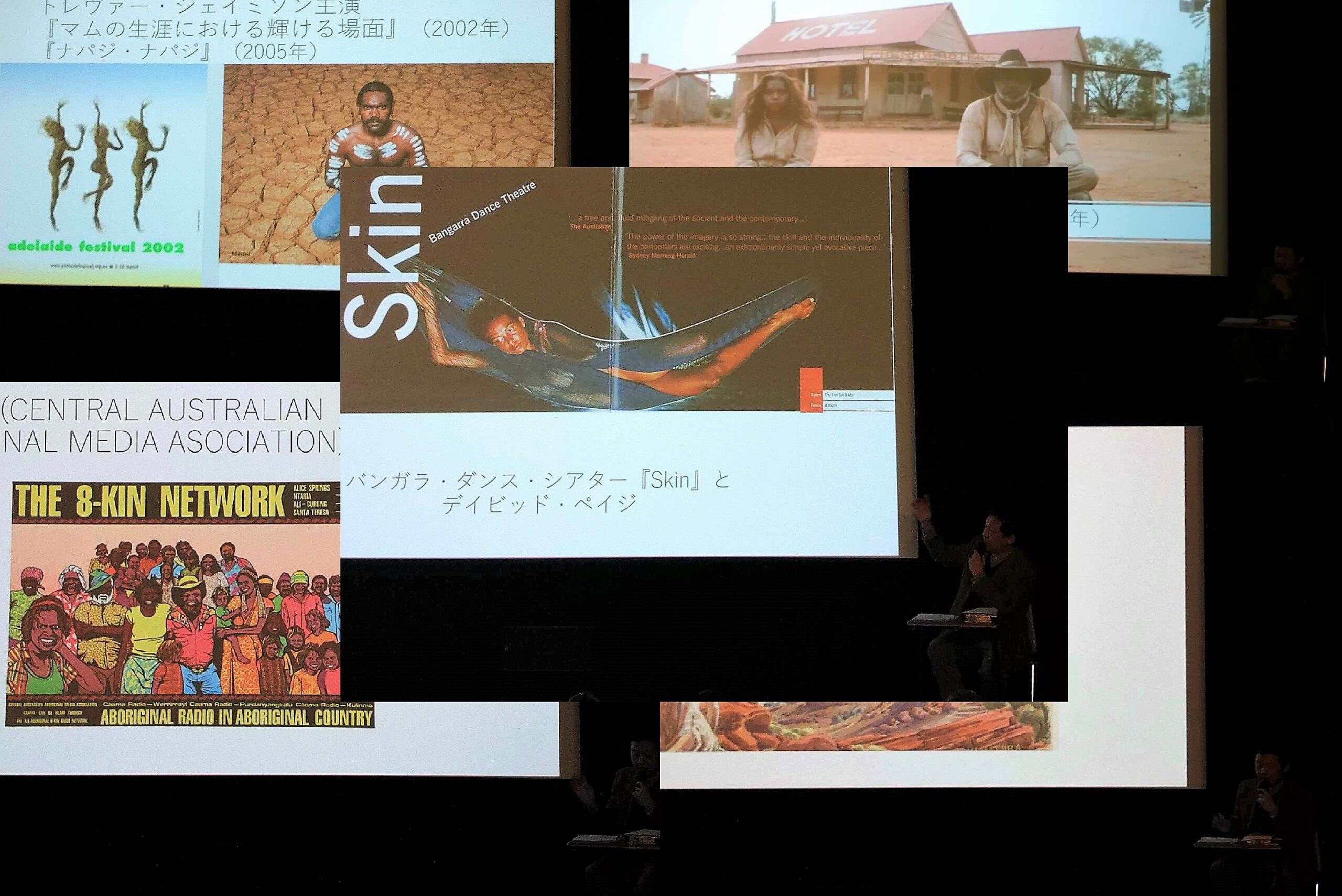
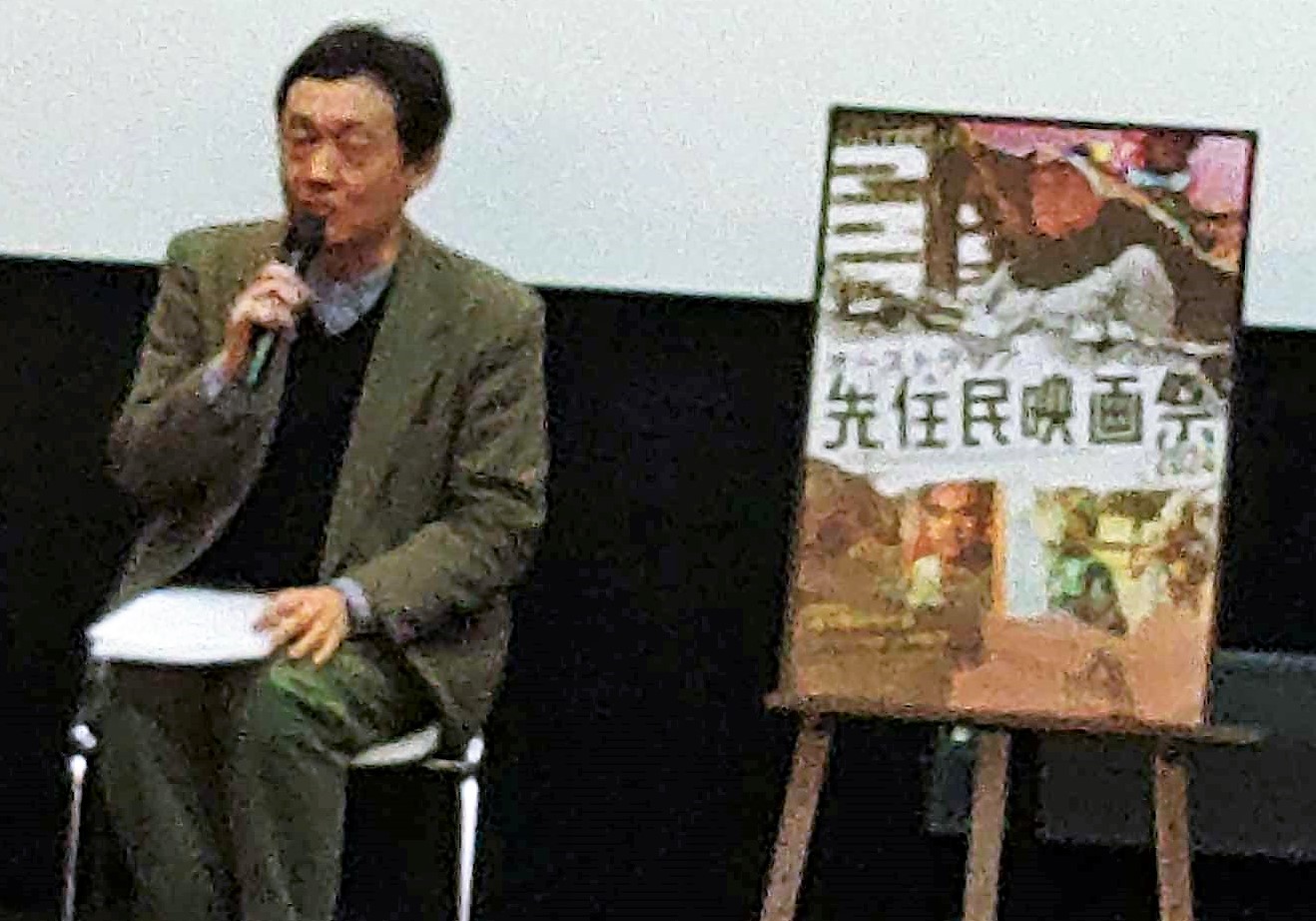
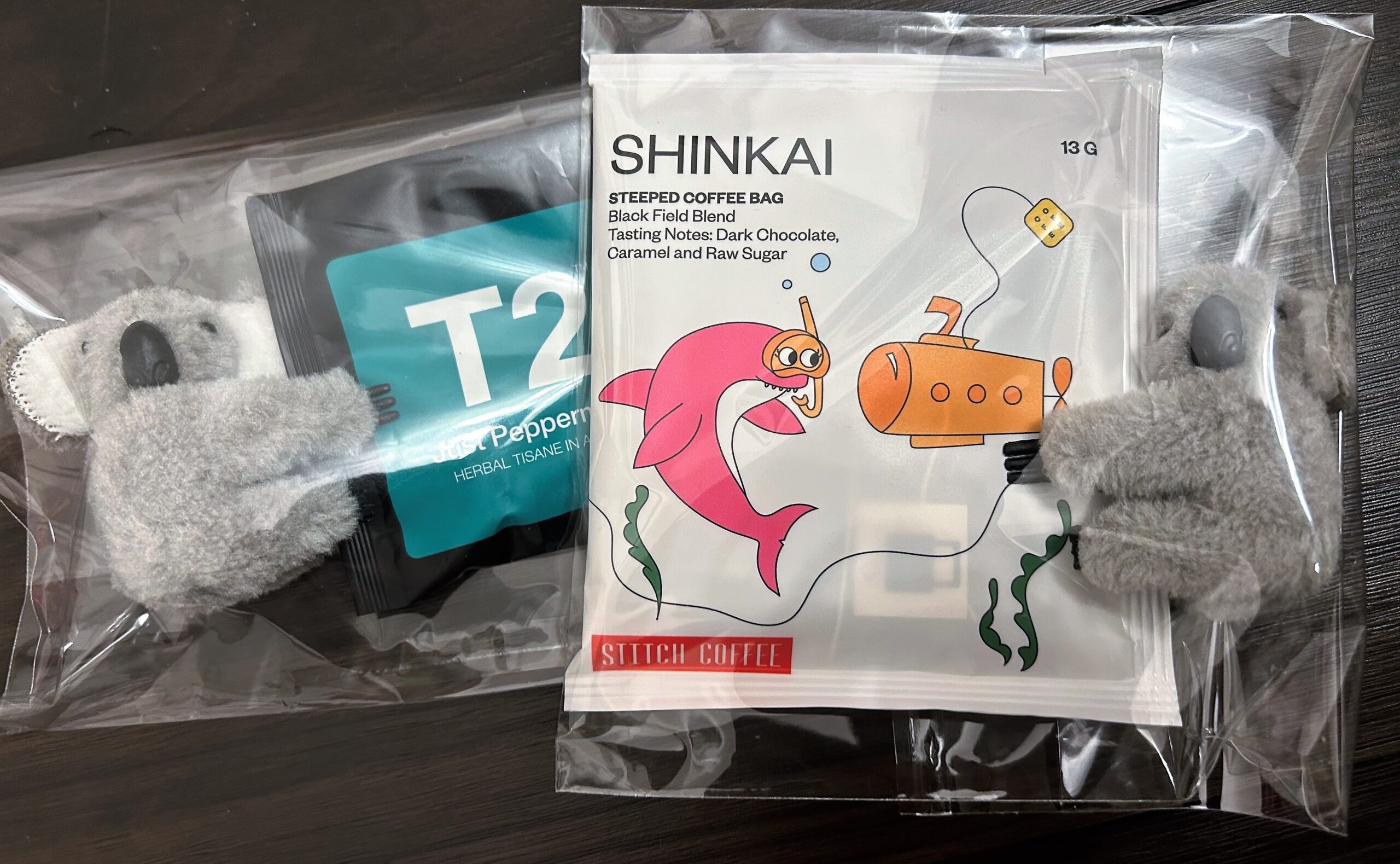
We were presented with gifts of a koala and a teabag and settled in to hear a lecture from Waseda University Prof. Kenji Sawada on The Magic of Australian First Nation Films. I hadn’t looked at the program before entering and cringed when I heard a university professor would give a talk. My experience with Japanese academics has largely been that they are bland and boring. But then came the first surprise of the day as Sawada gave a wonderful talk (an exquisitely concise and animated) that truly described the magical side of Indigenous Australian filmmaking. Sawada clearly has a love for his topic and imparted that in the 30 minutes he spoke, going through a history of First Nations Aussies’ involvement in films, from Jedda through to today, and outlining the program.
The day was divided into two sessions: Program A, which featured the documentary Finke: There and Back, followed by the short films, Green Bush, My Bed Your Bed and Nulla Nulla (the final flick being the best of a day filled with highlights for me). Program B was the acclaimed feature, The Drover’s Wife The Legend of Molly Johnson, which was followed by a panel discussion featuring the film’s writer and lead actor, Leah Purcell, and producer, Bain Stewart.
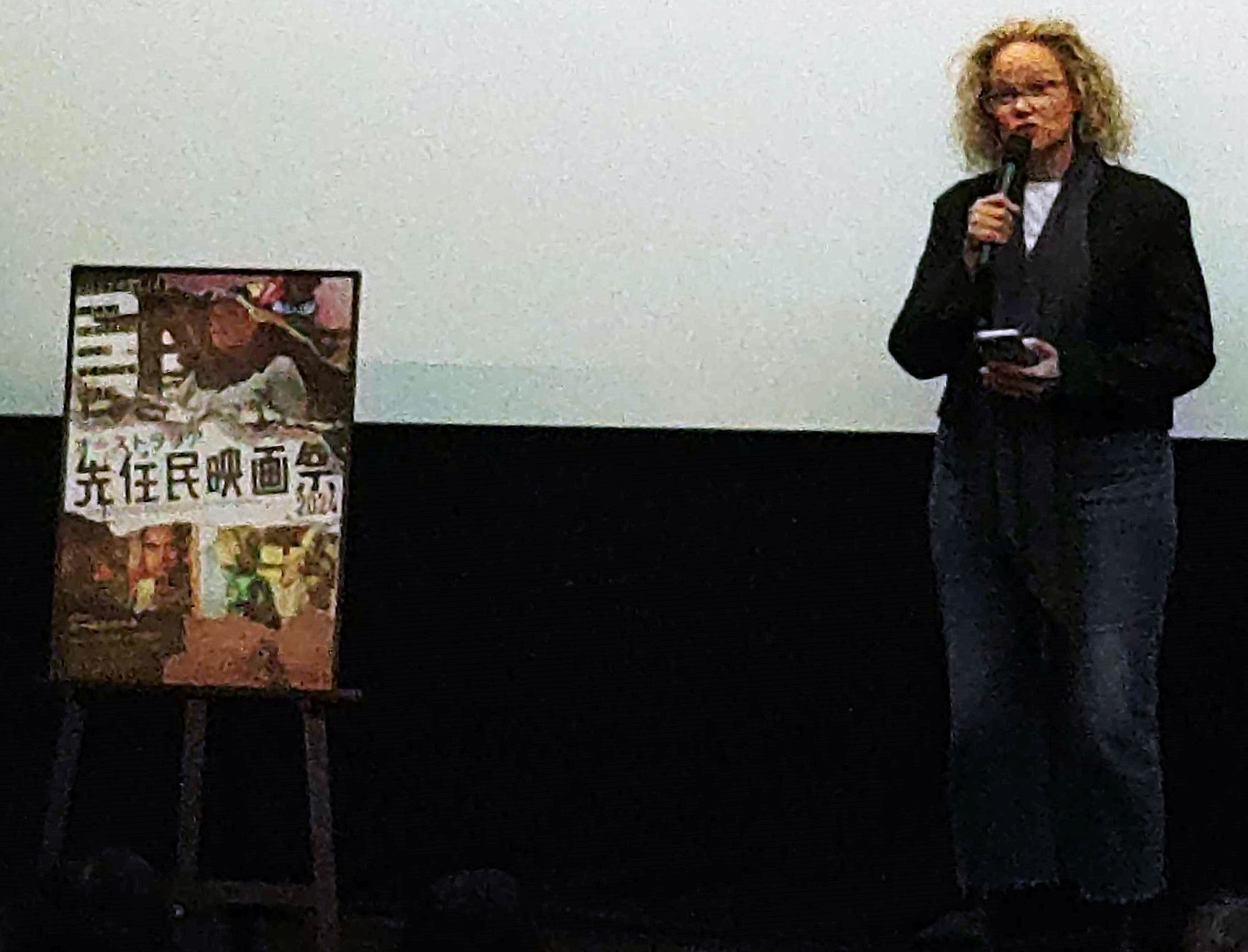
Well, the films ran the whole gamut of emotions, making me laugh, cry, cheer, anger, frustrate, spite, love, hate, but most of all yearn to know more about a sadly neglected part of my native country. The selection of films was magnificent, particularly in Program A.
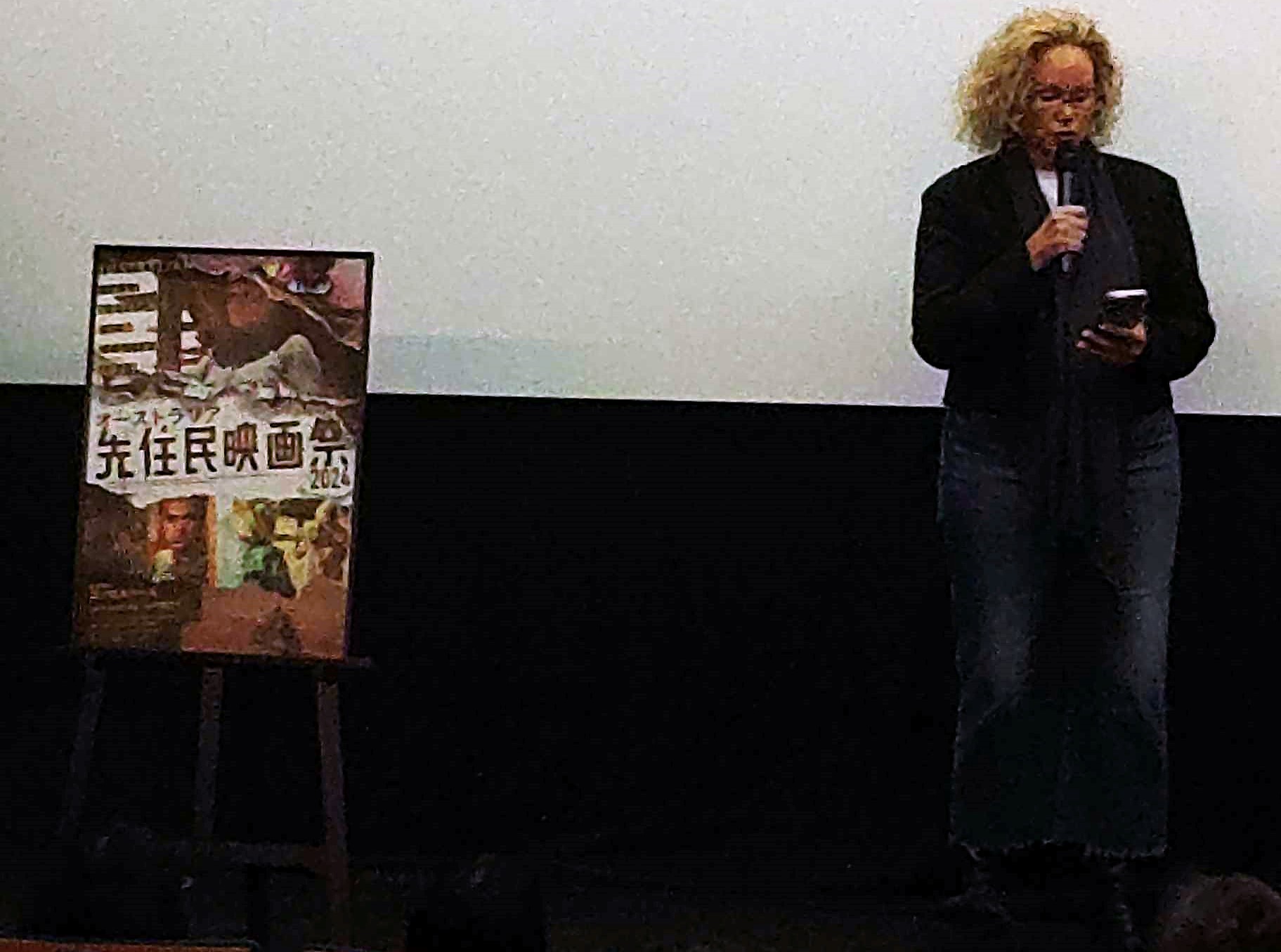
There’s no doubt The Drover’s Wife The Legend of Molly Johnson is a wonderful film with a powerful performance by Purcell, on and off the screen, but I found myself getting a little repulsed by preachiness as the movie inspired by Henry Lawson‘s much-loved short story, The Drover’s Wife moved more toward pushing a modern-day message.
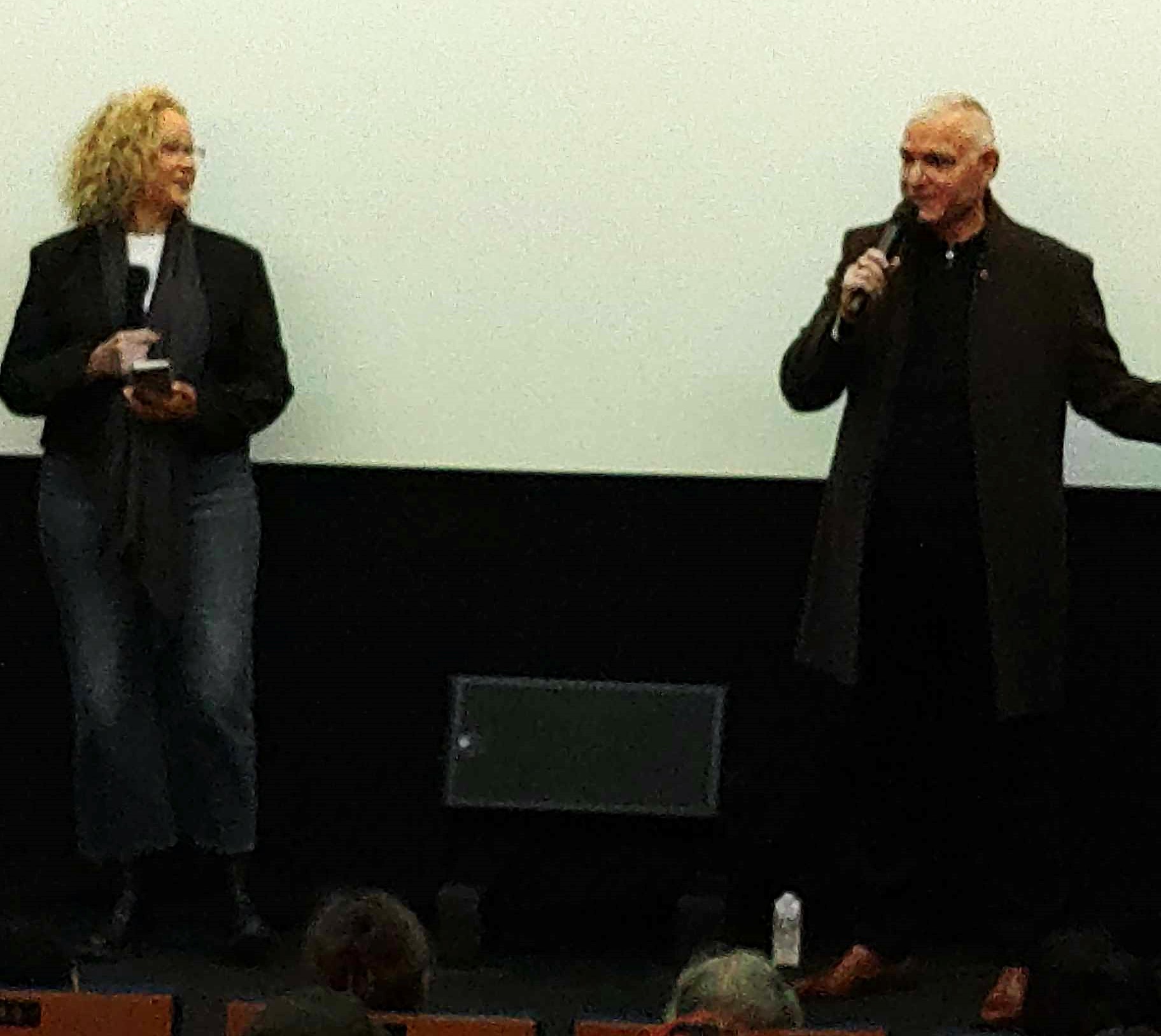
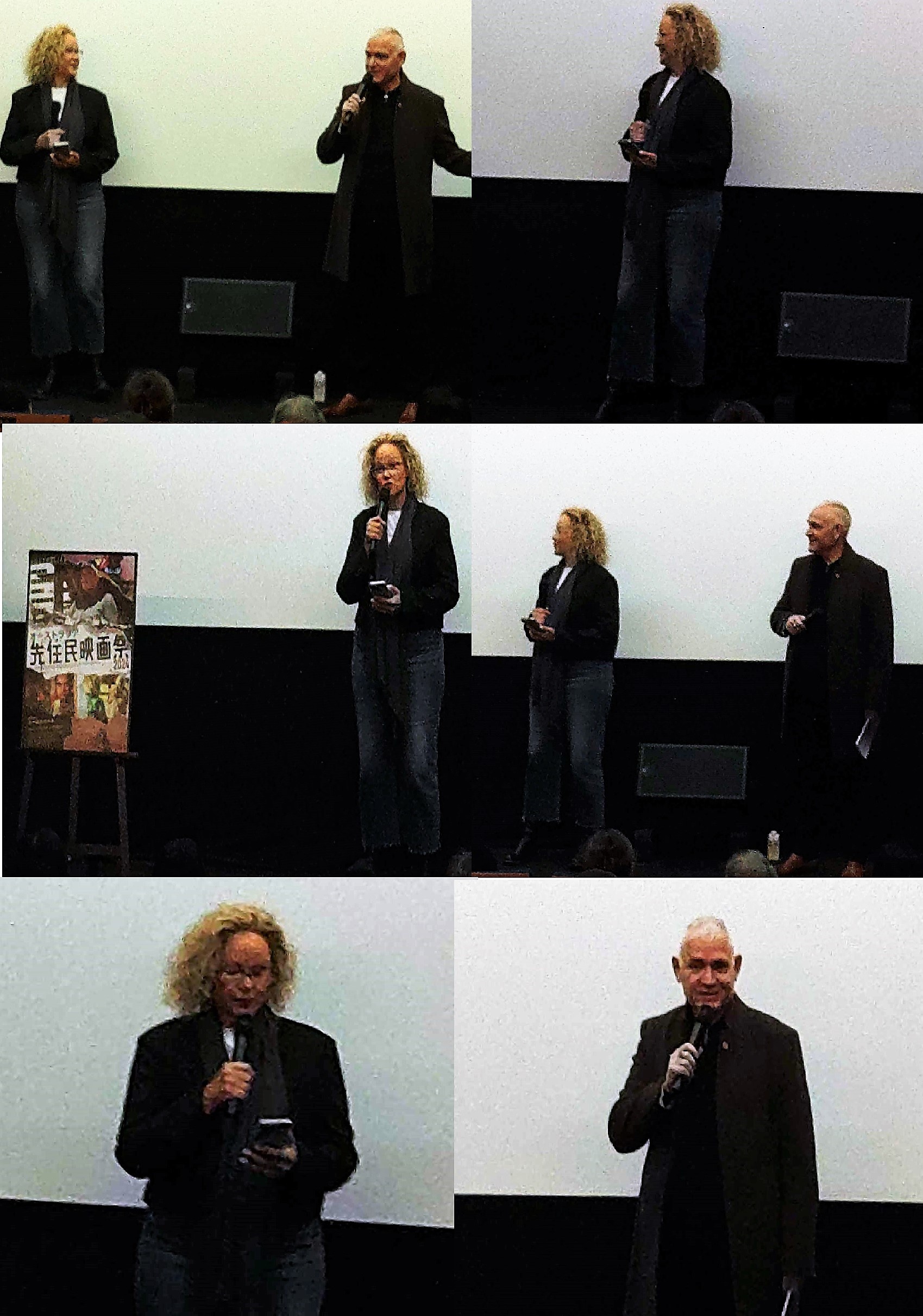
But that mild sense of discomfort was completely dispelled in the final panel discussion with Purcell and Stewart as they unrolled the story behind the film and gave some insight into their lives and the indigenous film community in Australia. They completely won me over by the time they had finished and I was filled with admiration at their achievement. I hadn’t known Purcell before the day and read about her on the train ride home that night, learning what an incredible person she is and how she has dragged herself up through life. Her tale is certainly an inspirational one, and the titular character of her movie shows almost superhuman grit and determination that I got the impression derived from her creator.
All in all, the day was unimaginably superb! I was left with a lingering desire to learn more about indigenous Australia, a deep respect for the cultures of our First Nations peoples and admiration for the deep love that some Japanese people have for Australia. And I got a hot date to go with that, too!