Totoro In My Neighborhood

I had no idea until yesterday, but for years I have been living quite close to Totoro, a Shinto kami made globally famous through Hayao Miyazaki‘s utterly delightful 1988 animated movie, My Neighbor Totoro.

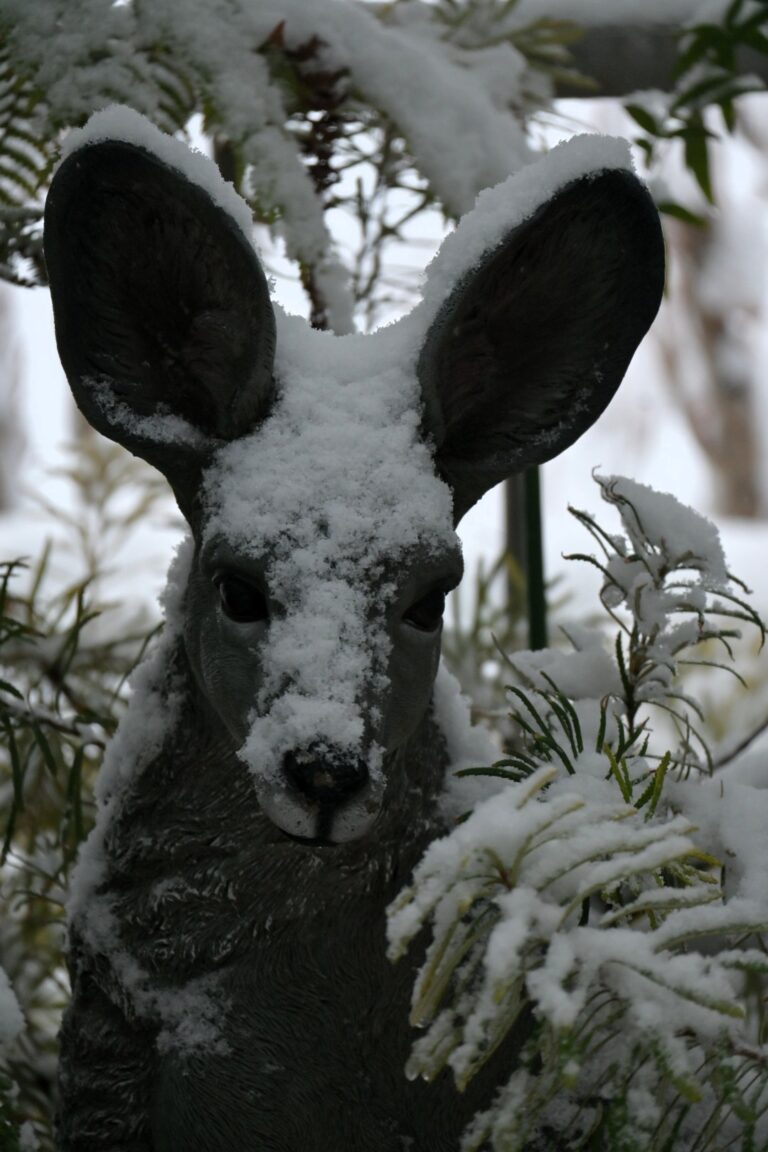
OK, so it’s not the real forest-protecting spirit as depicted by STUDIO GHIBLI, but the topiary sculpture is wonderful.

It’s a work that I’m pretty sure is unauthorized by Suzaki, a gardening company in the Tokyo suburb of Kokubunji.

A cycling buddy posted photos of Totoro on social media yesterday, and with only a couple of pre-dawn hours available for anything today due to home requirements, I looked up the location and decided to make a quick trip.

Suzaki looked like a delightful little operation, quaint yet kitschy (in a manner that immediately reminded me of Anakie Fairy Park back in Australia (which seems to have lifted its game, based on the website)). Thoughts immediately turned to how much it would cost to get a concrete kangaroo made.

Aspects of the area where the company is located also resembled a satoyama, which is a tiny strip of forest land left to run pretty much wild amid residential areas, and often a lovely oasis amid the McHomes of the suburbs.

There were lots of winding, twists and turns required to get to the Totoro topiary, and this time it got me to thinking about one of Japan’s most fascinating unsolved crimes, the Three Hundred Million Yen Incident of 1968.

In the case, a thief disguised as a motorcycle police officer stopped the payroll clerks from Toshiba Corp.’s nearby Fuchu complex and made off with the then-gigantic (and now still gigantic) sum of 300 million yen in cash (equivalent to about 1.2 billion yen in 2024 yen). The thief made a successful getaway by escaping through the maze-like backstreets of Kokubunji.

An Identikit depiction of the Three Hundred Million Yen Incident perpetrator

The area is fairly built-up now and I bet little resembles what would have been a semi-rural atmosphere back when the crime occurred, but as I was riding through the myriad tiny lanes and alleys, it was easy to see why a crook would choose the area to try and evade the cops, and how simply that could be done if they had geographical knowledge. All in all, it was a busy morning ahead of a day that will largely require me to be inside all day.
Cop A Gander At These Rippers Too...

  • | |

    Monkeying Around With Shared Kobe Steel(e)s

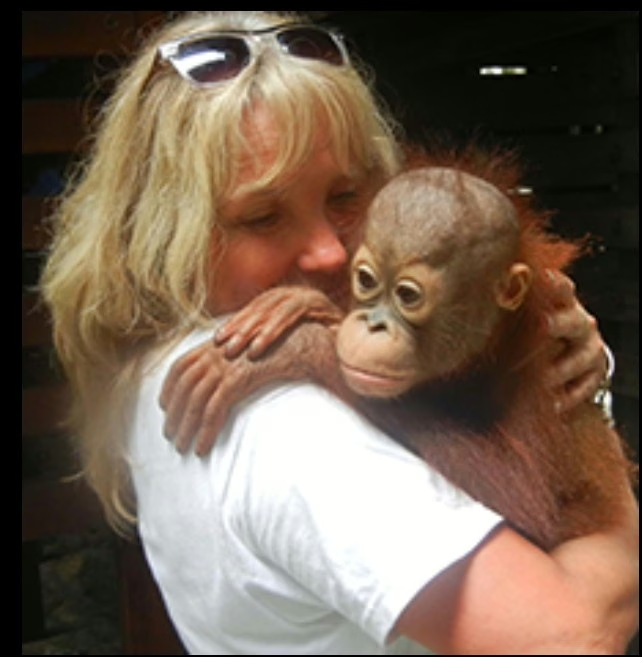
    Of the many commonalities shared by Australia and Japan, perhaps one of the quirkier ones is that both countries are home to a Kobe Steele known for monkeying around. Australia’s Kobe Steele founded the Orangutan Foundation International Australia (OFI Australia), and was awarded the Medal of the Order of Australia in 2021 for her services to conservation and the environment. Japan’s Kobe Steel Ltd., meanwhile, monkeyed around in a far less noble way, falsifying inspection and quality data on steel, aluminium and copper products for years, affecting hundreds of customers and resulting in billions of yen in fines after causing one of Japan’s most significant industrial quality scandals in recent…

  • |

    Where Can You Find Australia’s Japanese War Memorials?

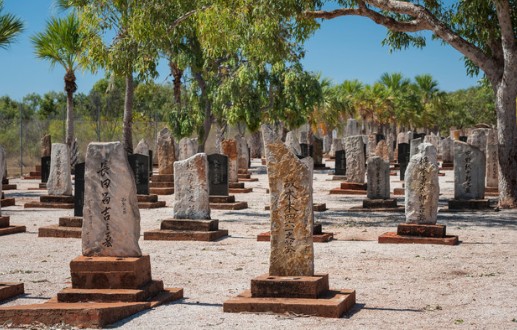
    オーストラリアのどこに日本人戦没者慰霊碑があるのか? In Why Does Australia Have So Many Japanese War Memorials?, we explored why Australia has so many Japanese war memorials and the remarkable spirit of remembrance and reconciliation behind them. This time, we travel across Australia to discover some of the places where these memorials stand today. Each tells a different story, but together they reflect a friendship that grew from one of history’s most difficult chapters. 第1回では 「Why Does Australia Have So Many Japanese War Memorials?」では、なぜオーストラリアに多くの日本人戦没者慰霊碑があるのか、その背景にある追悼と和解の精神について紹介しました。 今回は、オーストラリア各地に残る慰霊碑や墓地を訪ね、それぞれの場所に刻まれた歴史と、それを大切に守り続ける地域の人々の思いを見ていきます。 Cowra, New South Wales ニューサウスウェールズ州カウラ Cowra is home to the largest Japanese war cemetery in the Southern Hemisphere. More than 500 Japanese prisoners of war who died during the Cowra Breakout…

  • |

    本州面積の半分以上ある射撃場で豪が世界宇宙開発の先がけを

     宇宙開発に先がけた国でいえばオーストラリアを思い浮かぶ人がいないだろう。  初NASA所属日本人宇宙飛行士毛利衛氏が豪大学で博士号を取得したにも関わらず日本では、オーストラリアが宇宙開発に先がけた国だった意識が極めて少ない。実は、オーストラリアでもこのことがほとんど知られていない。でも、事実のだ!  旧ソ連、米国、フランスに次ぐオーストラリアが世界で4番目の宇宙開発用の打ち上げ地となった。  1967年11月29日米国が豪に与えたスパルタ・ロケットを南オーストラリア州にあるウーメラ試験場で打ち上げ、見事にオーストラリア初の人工衛星であるWRESAT(Weapons Research Establishment Satellite)を軌道に乗せた。  約4年後、同試験場が再びロケット打ち上げに関われ、今度はイギリスと共同で英国唯一人工衛星Prosperoがブラック・アローによってウーメラから打ち上げた。Prosperoが今でも起動に乗っている(けど、運用していない)。  以降、ウーメラ試験場でロケットの打ち上げがないものの宇宙開発関連業務が継続的に行っている。1980年まで射撃場として使用されたが閉鎖となった。  また、1990年に再開し、民間や商業的な非軍事の試験プログラムにも使われる。  1996年、宇宙開発事業団(NASDA)と航空宇宙技術研究所(NAL)(現在は両者統合して宇宙航空研究開発機構 (JAXA)) が、小型自動着陸実験機(ALFLEX) の飛行実験を行っている。さらにJAXAは、2002年(当時NAL)と2005年に小型超音速実験機(NEXST-1)の飛行実験を行っている。  2010年6月13日には、小惑星イトカワのサンプルを採取したJAXAの小惑星探査機「はやぶさ」(MUSES-C)のカプセル着陸地点としても使われた。  また、日本の大学も参加しているガンマ線天体物理学のための国際協力実験であるCANGAROO(Collaboration of Australia and Nippon for a GAmma Ray Observatory in the Outback)プロジェクトの望遠鏡が設置され、観測が継続されている。  ウーメラ試験場の面積は12.7万平方キロで、日本の本州(22.8万平方キロ)の半分より少し大きいほどの面積である。世界で最も広い陸上射撃場である。ウーメラ立入制限区域に隣接施設。ウーメラのネーミングは、オーストラリア先住民が槍を投げる時に使った補助道具が由来だ。 ウーメラ試験場公式ウェブサイト(英語) Introduction to the CANGAROO Project(日本語) 日豪共同宇宙開発事業CANGAROOサイト CANGAROOII CANGAROOIII

  • Tour de Kagoshima-Kyoto Day 6: Uchiko to Matsuyama

    Shikoku’s glorious mountains seemed less and less attractive at times while pounding the pedals to push on upward even higher, but a wonderful descent followed on the final day of riding on the smallest of Japan’s four main islands. Leaving Uchiko later than most starts, it was a steady climb upward for the remainder of the morning. The strenuous efforts of the climbs were rewarded by priceless views across seemingly endless mountain ranges, whose splendor was enhanced by the brilliant sunshine and cloudless skies. More climbing continued after lunch (the day would eventually top 1,100 meters of elevation). An exhilarating and lengthy descent followed, though, winding downward through mandarin patches…

  • Satoyama

    For the past few years, I’ve been very fortunate to live adjacent to (and, more recently, nearby) a satoyama, a little strip of near-wilderness amid the hustle and bustle of suburban and metropolitan areas. Tokyo is the world’s largest city and it is densely populated. Much of the city is industrialized, but frequently there are little havens of almost untamed natural woodland or small-lot farms. I used to go for walks in the farmland near our previous home and loved the serenity. I could walk through pristine forests just a couple of minutes’ drive from bustling highways and densely packed residential or industrial areas that you would have no idea…

  • |

    くたばれロルフ・ハリス!日本人に任せ!

    50代以下オーストラリア人及びイギリス人であれば、間違いなくロルフ・ハリスという芸能人の存在が分かるはずだ。1950年代後半以降同人物が子供を中心にイギリス在住でありながら出身国であるオーストラリアのことを全身全霊でPRし続けた。イギリス・オーストラリアを中心にものすごく愛され、両国のほとんどの人にとって「大好きなおじさん」のような存在だった。しかし、明るい表向きの顔の裏面は暗く虐待的な性格を隠したようだ。今週、小児虐待罪として5年9か月の実刑判決が下れた。虐待疑惑が浮上した2012年末頃からほぼ誰でも信じられなかったが、徐々にハリス受刑者の行動パターンが明確となり、約30年間に渡り自分の実娘のベスト・フレンドをはじめ数多くの未成年女性を性的に虐待した事実が明らかとなって有罪判決に至った。考えRoo自身をはじめ、ハリス受刑者を愛した何百万の英・豪人がこの事実にショックと痛みで受けた。 今では、ハリス受刑者が日本で知られていないと言っても過言ではないと思う。でも、いつもそうじゃなかった。1960年代前半、ハリス受刑者の多数中の最も大きなヒット曲「Tie Me Kangaroo Down, Sport」が日本でもひそかなファンを集めた。それほどヒットしなかったがザ・ピーナツ及びダニー飯田によって原版のオーストラリア動物の言葉遊びの歌詞をもてない男の話をコミカルに替えてシングルとして発表された。  いずれにせよ、子供大好きなキャラとして売れたハリス受刑者が今84歳。今からイギリスの刑務所で禁固生活が始まる。何とも言えない複雑な感情だが、日本語の替え歌のように悲しい気持ちでいっぱい。が、曲と違って、コミカルな味気がない。