‘Single Men Only?’ – Early Japanese Migration to Oz 日本人の豪州への初期移民は「独身男性限定」?
知られざる日豪関係のルーツ What You Didn’t Know about Australia-Japan Relations
Japanese immigration to Australia in the 19th century differed to other parts of the Japanese diaspora.
19世紀、豪州への日本人移民は他の国での日本人移住と比べて少々違っていた。
More than 90% of Japanese migrants to Australia before 1901 were men, nearly all of who were single. Japanese heading to the Americas were either married there, often to picture brides from Japan in North America, or moved to South America as families.
1901年以前にオーストラリアへ移民した日本人の90パーセントは男性であり、そのほとんどが独身だった。北米への移民では良く行われていた。写真婚による移住や、南米の家族型移民もなかった。
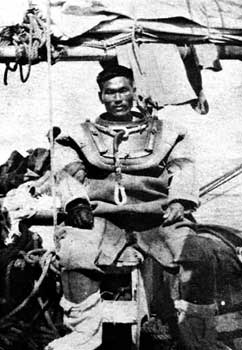
In Australia, though, Japanese men worked in the pearling or sugar cane industries, or harvested turtle, trochus and trepang in Townsville, especially, and Broome. Japan’s first consulate in Australia opened in Townsville in 1896. Nearly all of the few Japanese women in Australia at this time were karayuki, women sent overseas from Japan to act as prostitutes for Japanese laborers.
オーストラリアでは主にタウンズビルやブルームという町で、日本人男性移民は真珠取り、農場での砂糖キビ栽培、亀、ニシキウズガイ、ナマコなどの養殖をしていた。1896年にオーストラリアで初めての日本領事館がタウンズビルで開かれた。1896年当時、在豪日本人女性のほとんどはからゆきさんだった。
Australian independence from Britain and enactment of the White Australia Policy in 1901 virtually eliminated Japanese migration. There were about 4,000 Japan-born people in Australia at this time.
1901年にオーストラリアが英国から独立し、移民制限法(白豪主義)を執行した。これにより日本人移民はほぼ排斥された。当時、約4000人の日本生まれの人々がオーストラリアに在住していた。
Rules for Japanese were relaxed slightly through pressure from Britain because of the Anglo-Japanese Alliance formed in 1902. But the Townsville consulate closed in 1908.
1902年に日英同盟が調印され、イギリスの圧力により白豪主義が日本人に対して若干緩された。しかし、1908年タウンズビル領事館が閉鎖された。
Large-scale Japanese immigration to Australia effectively ceased. Several decades passed before it resumed.
オーストラリアへの日本人の大型移民は、この時点で事実上終了した。再開するのは数十年後の事となる。
Incidentally, in contrast to the male-dominated early Japanese migration to Australia in the 19th century, most Japanese moving to Australia in the 21st century are overwhelmingly young women.
ちなみに、日本人のオーストラリアへの移民は19世紀では主に独身男性だったのに対して、現在の21世紀の移住に関しては圧倒的に若い独身女性が占めている。
あなたがご存知の”知られざる日豪関係”についてのお話はありませんか? ご存知の話がありましたら、”考えRoo”の読者にシェアしていただけませんか? 是非、お知らせください。お待ちしています。
Do you know something about Australia-Japan relations that most people don’t? Want to share it with Kangaeroo’s readers? Please let us know.
Reference
Picture Bride
Trochus Maculatus
Trepang
Trochus
The White Australia Policy
Perceptions of the White Australia Policy
White Australia Policy
白豪主義
Japanese Diaspora
History of Immigration from Japan
からゆきさん
Karayuki-san