Television Created The Bogan
| Pronunciation | /ˈboʊ.ɡən/ (ボウガン) |
|---|---|
| Part of Speech | noun |
| English Definition |
Traces how Australian TV turned bogan from insult into cultural character, through shows like The Comedy Company (Kylie Mole), Kath & Kim, Rebel Wilson’s Bogan Pride, and Upper Middle Bogan. |
| Japanese Translation |
テレビが「ボーガン」をキャラクター化した |
| Japanese Explanation |
「The Comedy Company」のカイリー・モウルから、「Kath & Kim」、レベル・ウィルソンの「Bogan Pride」、「Upper Middle Bogan」まで、テレビが「ボーガン」を侮辱語から文化的キャラクターへと変えていった過程を紹介する。 |
Origin
Part of the Bogue series on kangaeroo.com, an ongoing cultural examination of Australian bogan culture.
Related Words
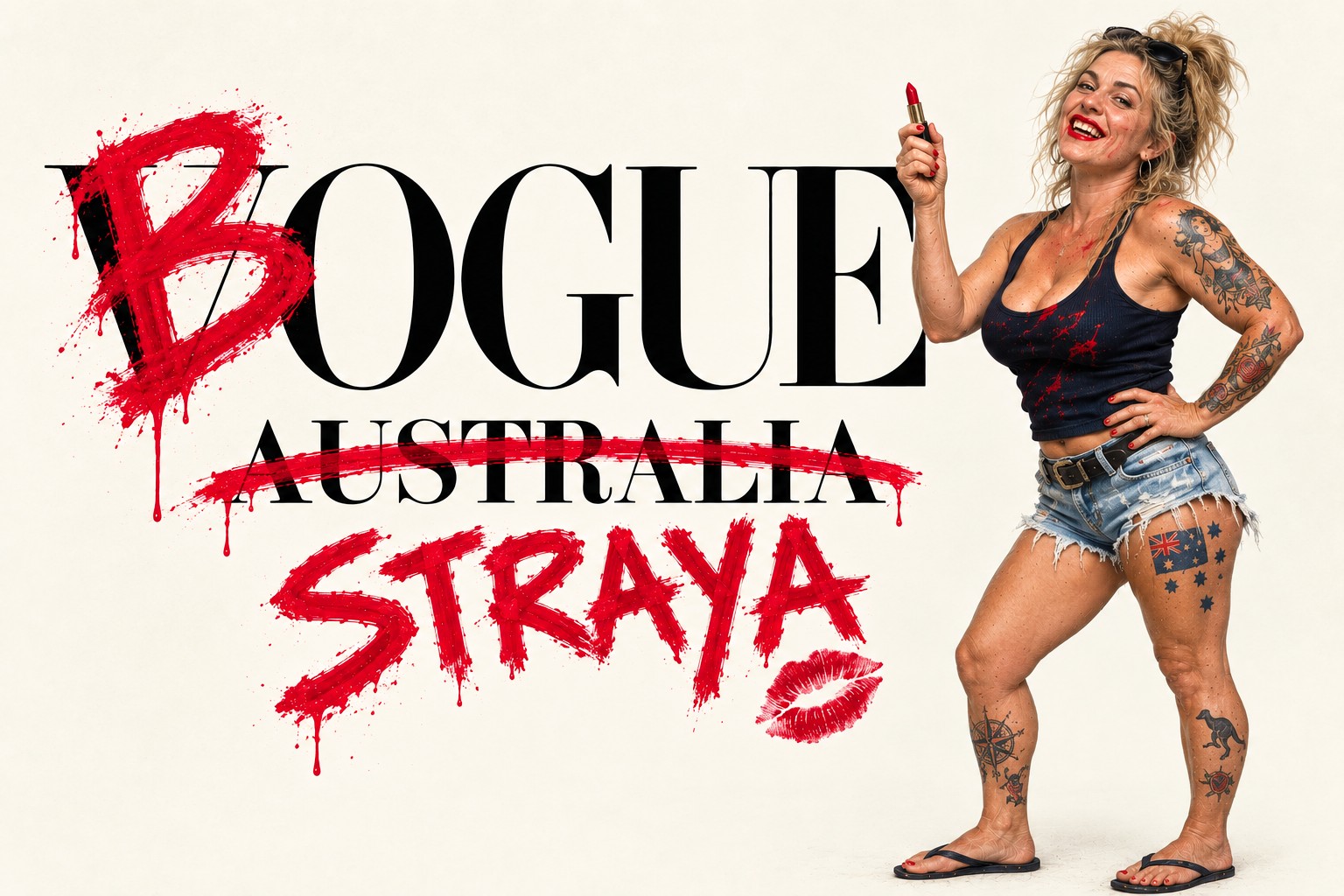
Australian television has been extraordinarily important in turning the bogan from a social insult into a cultural character.
Some important examples include:
The Comedy Company
The character Kylie Mole helped popularise a particular version of the word in the late 1980s.
Kath & Kim
Probably one of Australia’s greatest cultural studies of suburban aspiration. Kath and Kim are interesting because they aren’t simply “poor.” They are obsessed with appearance, consumption, status, fashion, celebrity and lifestyle. In other words, they demonstrate bogan aspiration.
Bogan Pride
Rebel Wilson‘s 2008 SBS series explicitly turned bogan identity into comedy and helped push the idea of bogan pride into mainstream culture.
Upper Middle Bogan
This may be the most intellectually interesting of all.
The premise essentially asks:
What happens when an apparently respectable middle-class family discovers that their biological family is bogan?
The joke becomes a study of class, taste, money, education and identity.