Avian Flew
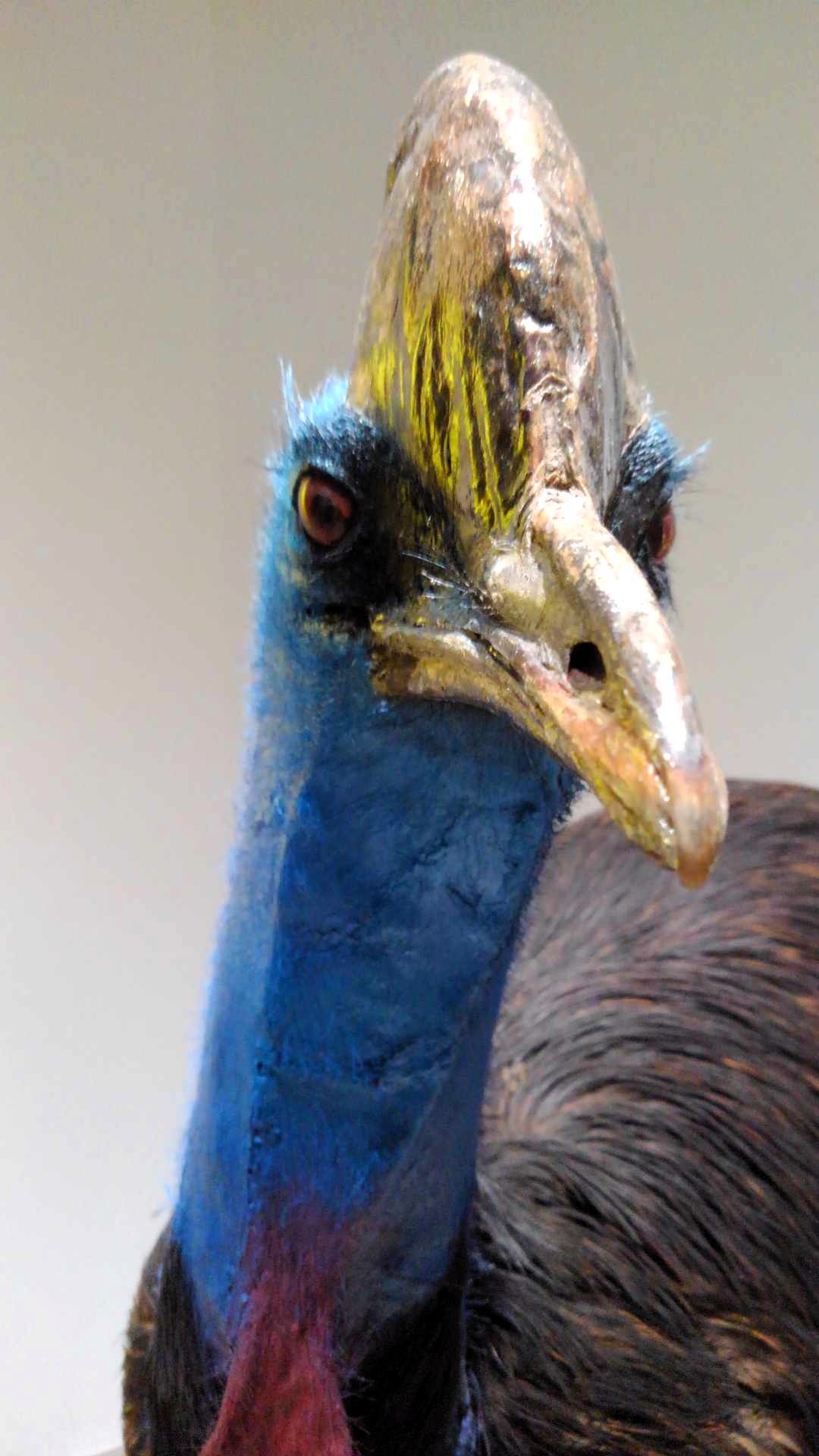
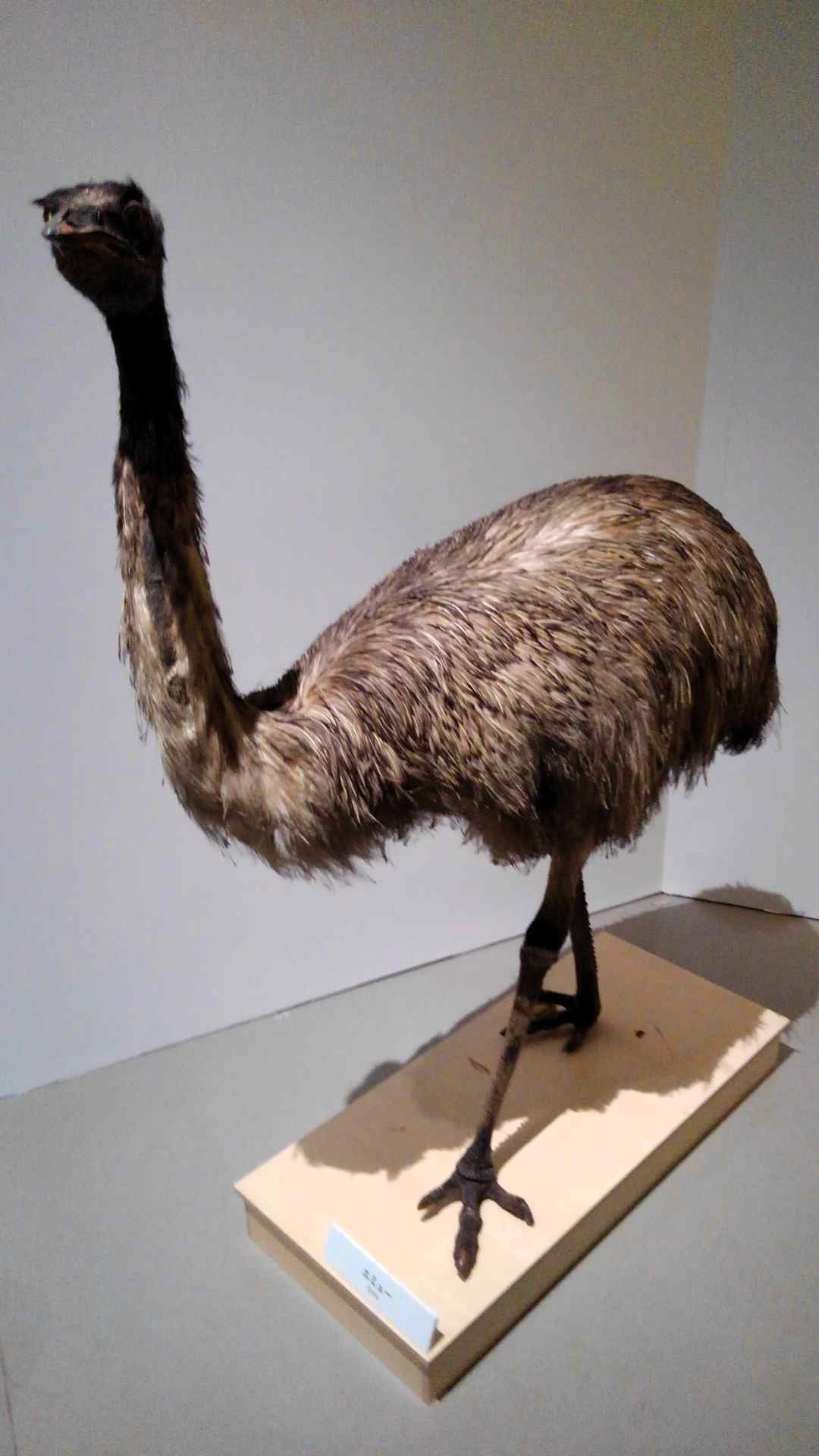
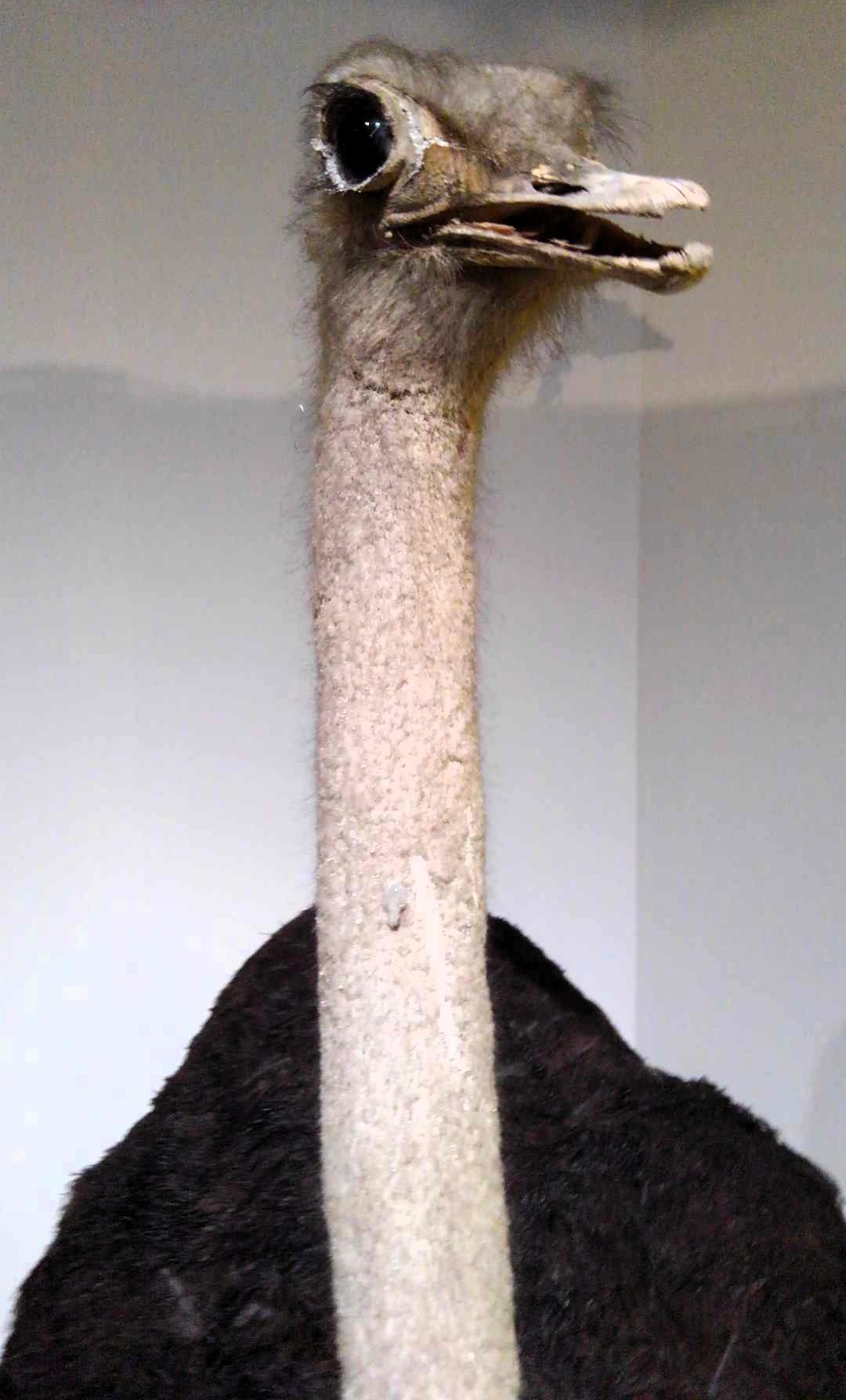
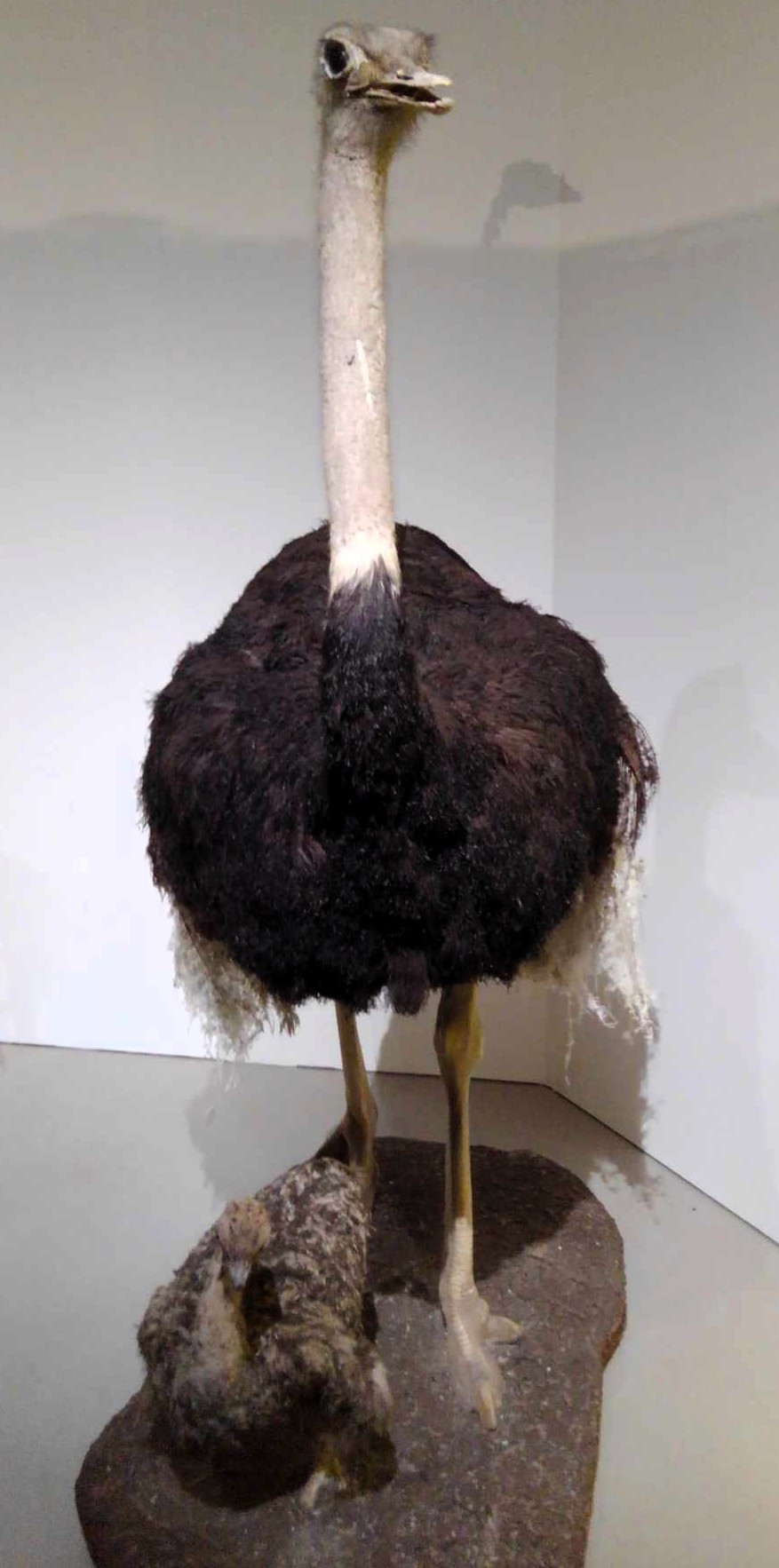
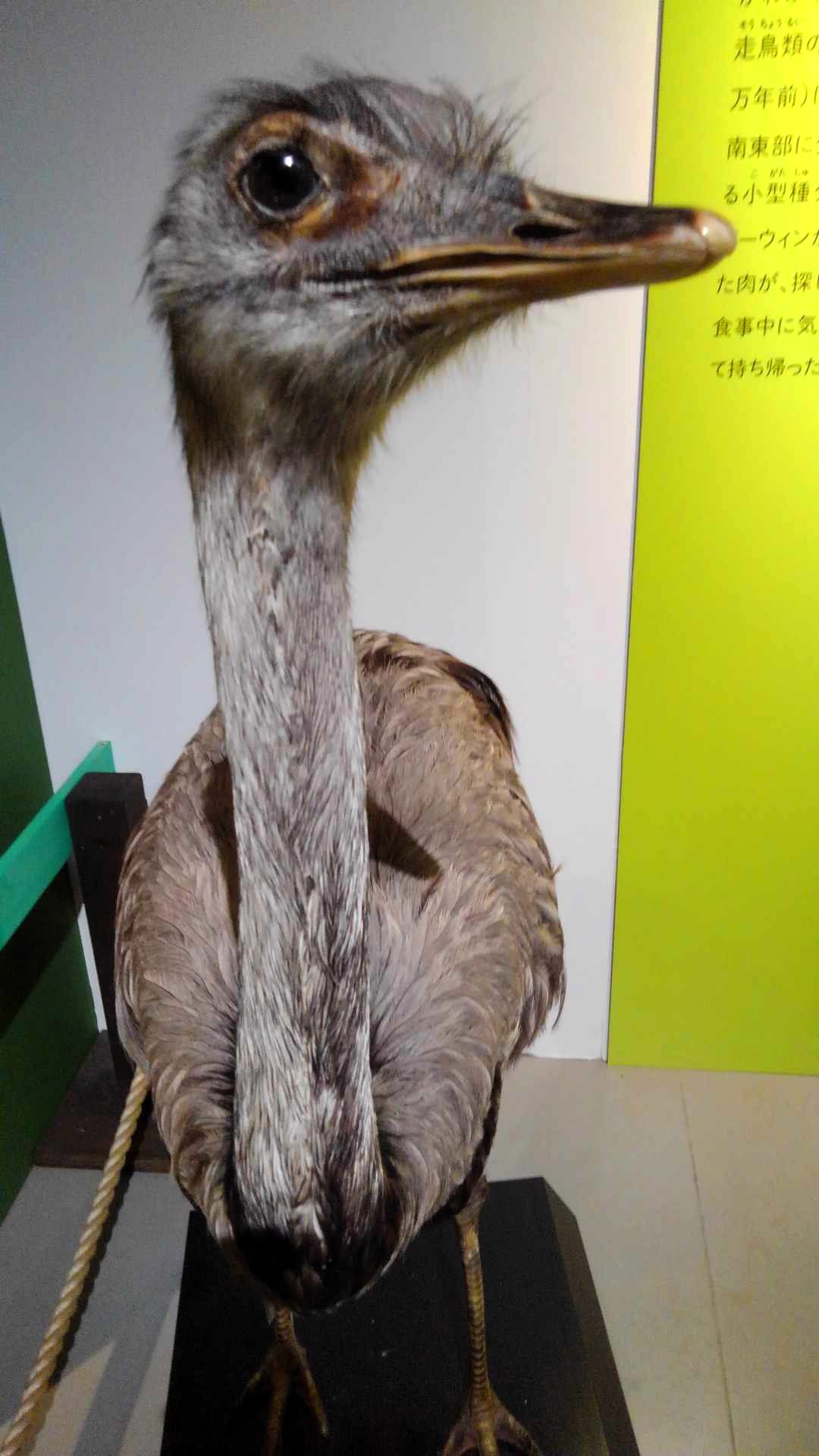
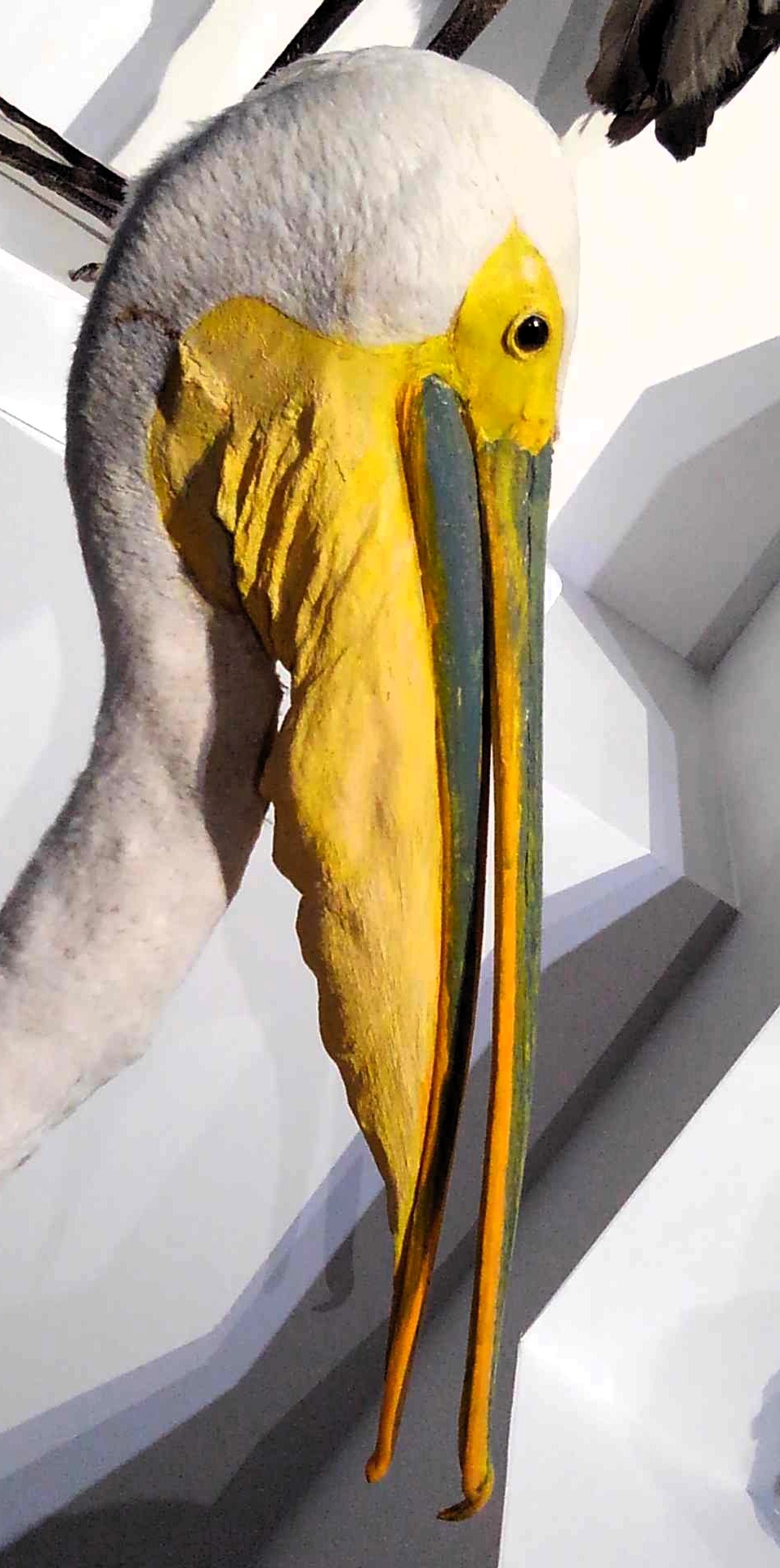
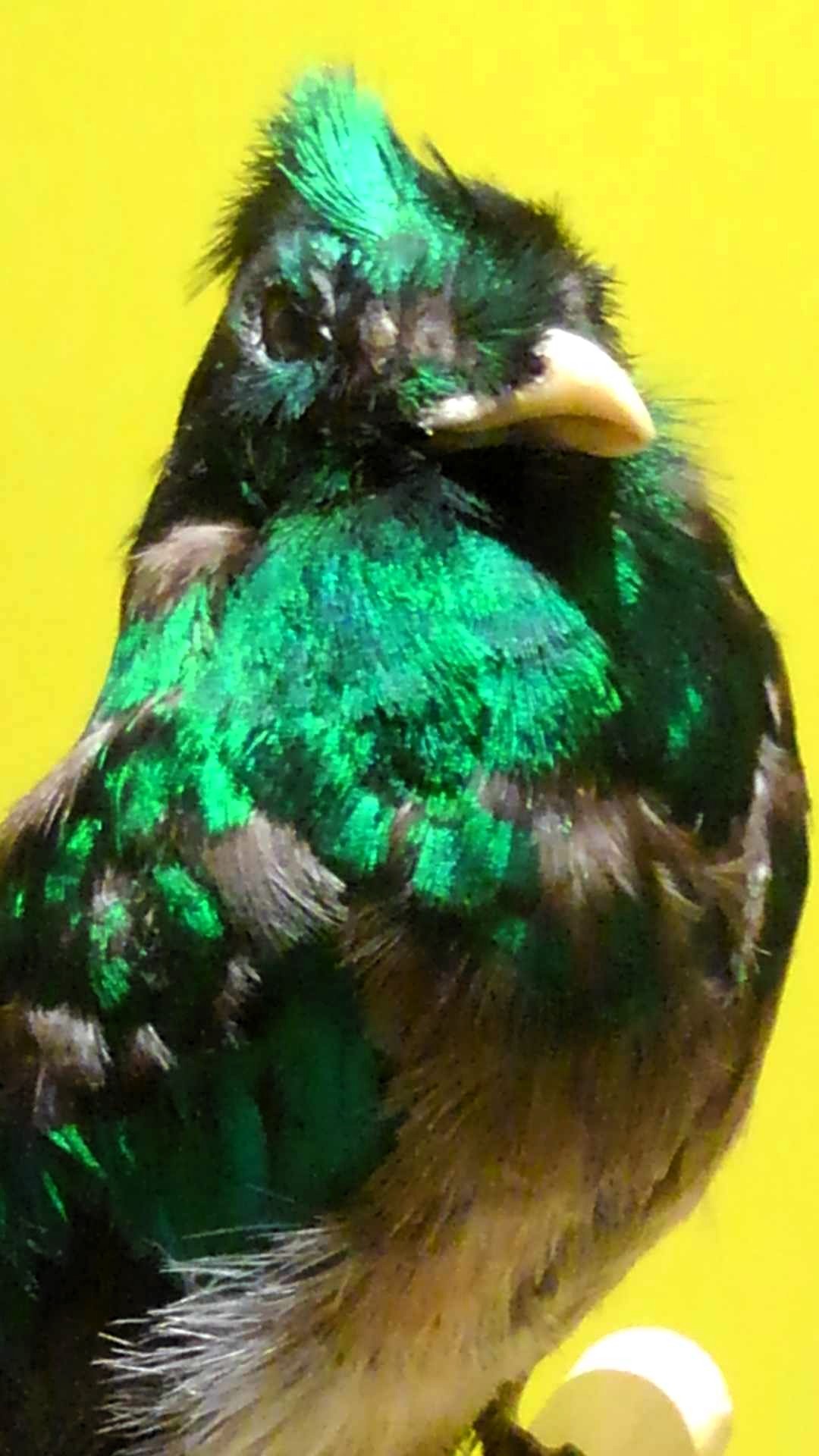
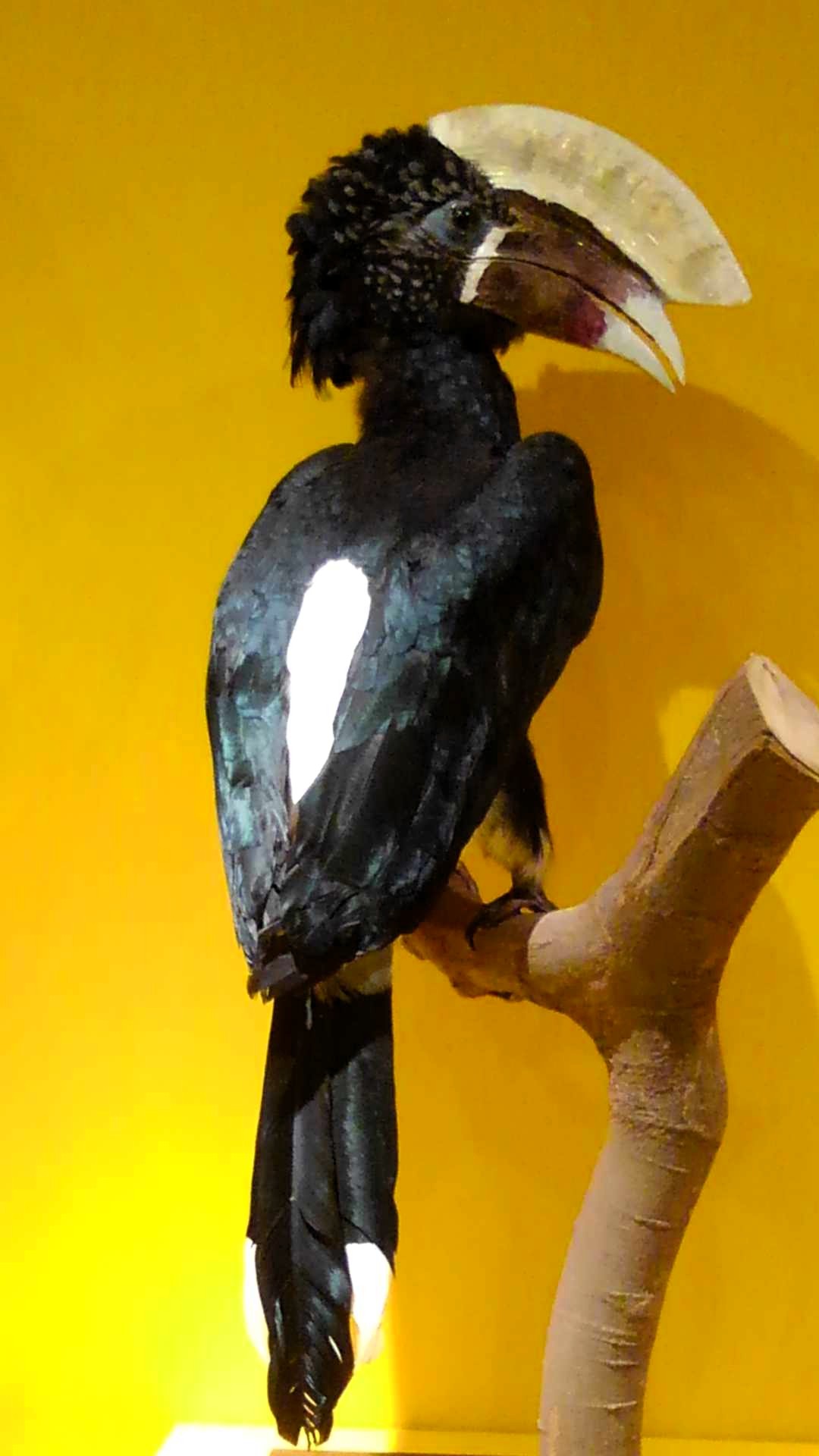
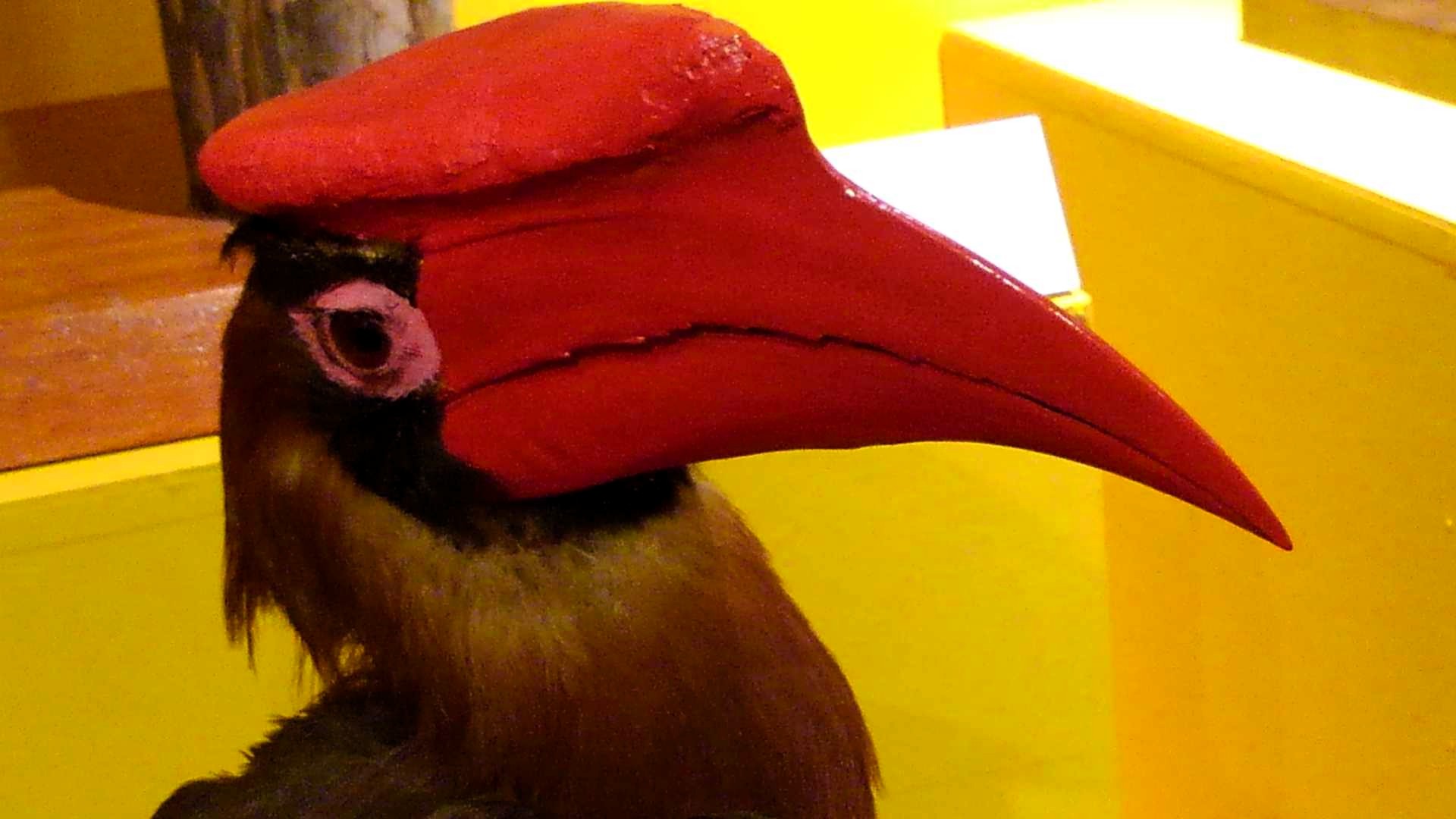
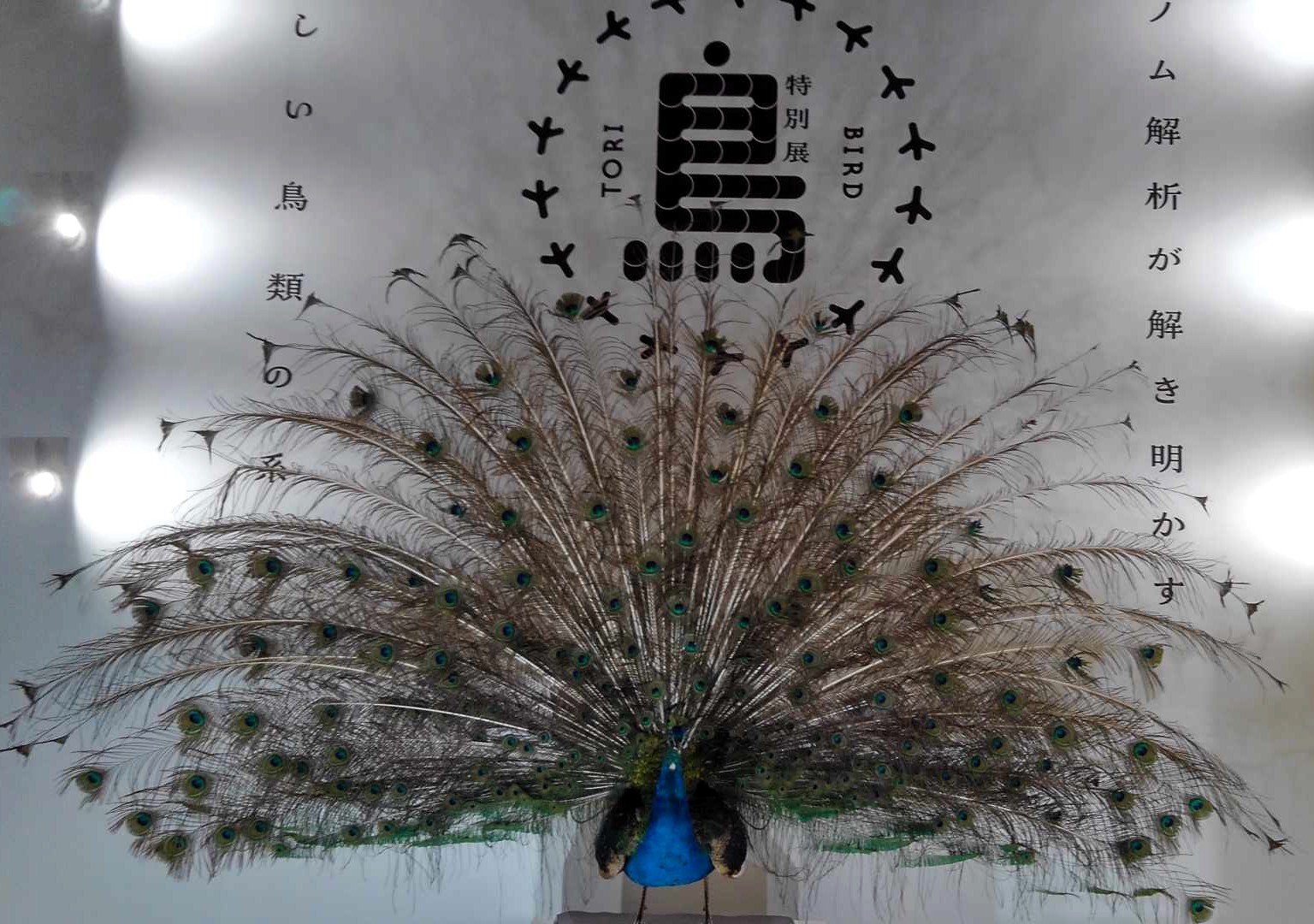
I got to make a flying visit to the “Bird” exhibition held at the National Museum of Nature and Science.
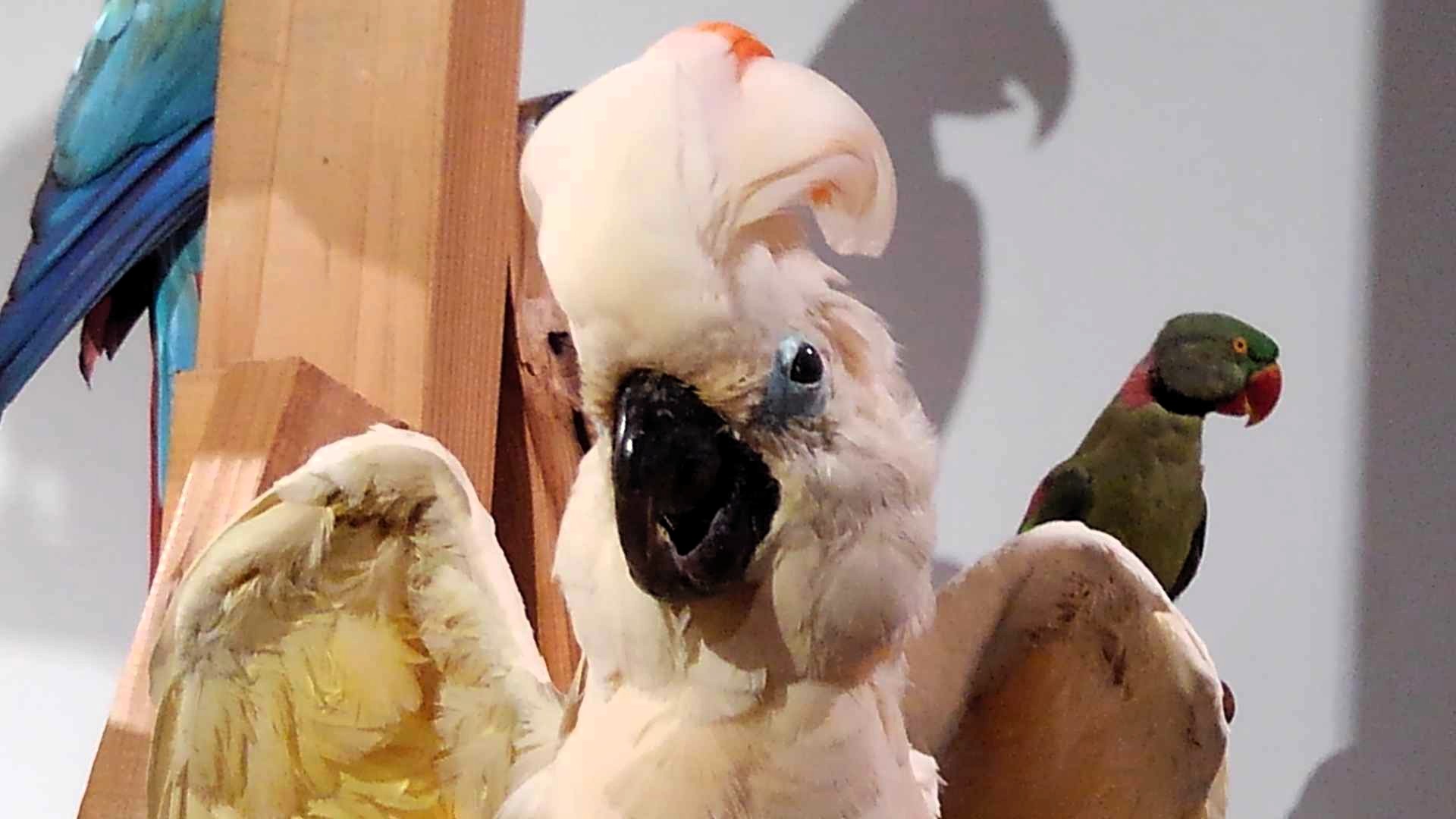
The exhibition traced birds’ roles in ecosystems, dating from their evolution from dinosaurs through to the important roles they play today.
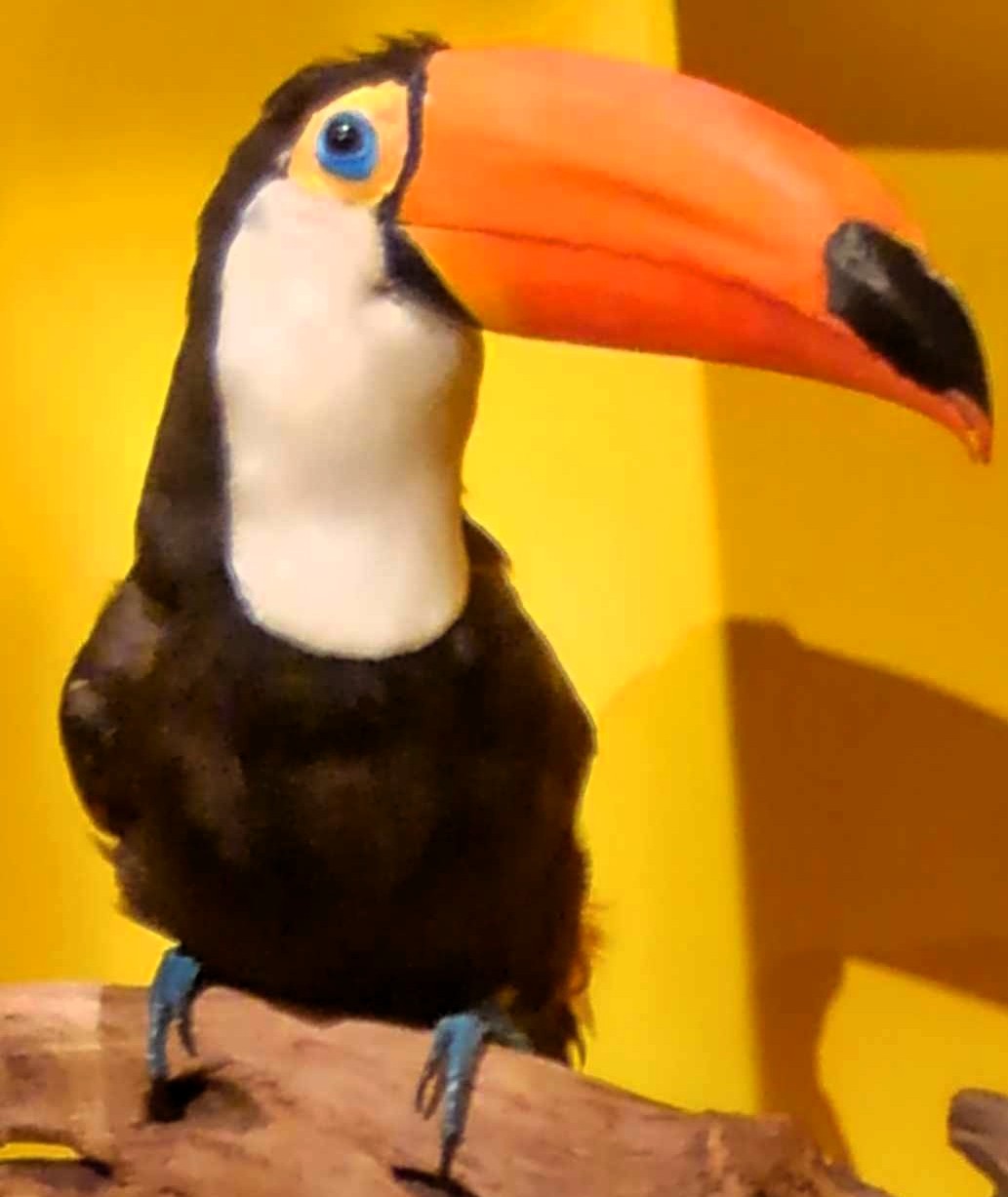
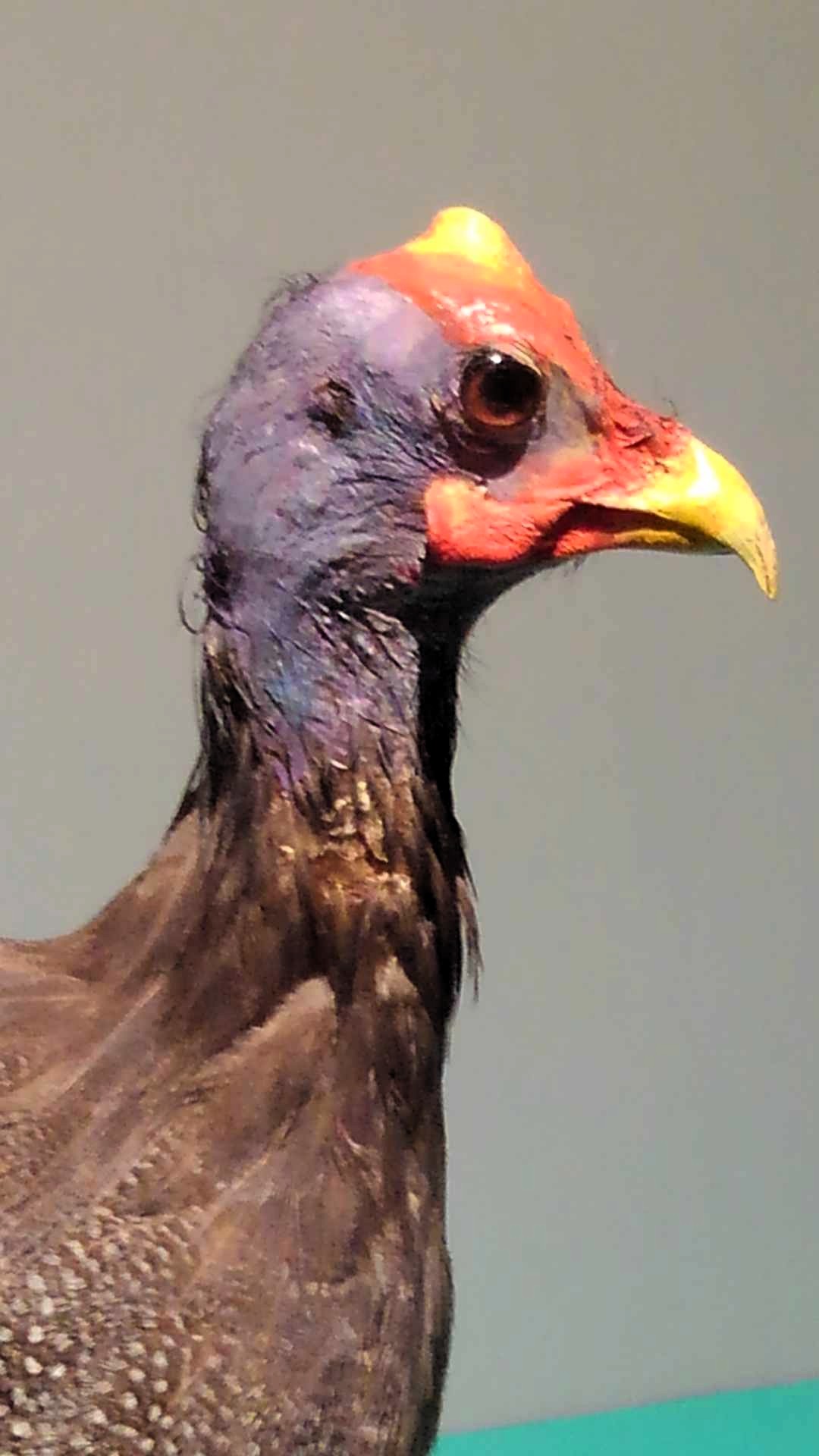
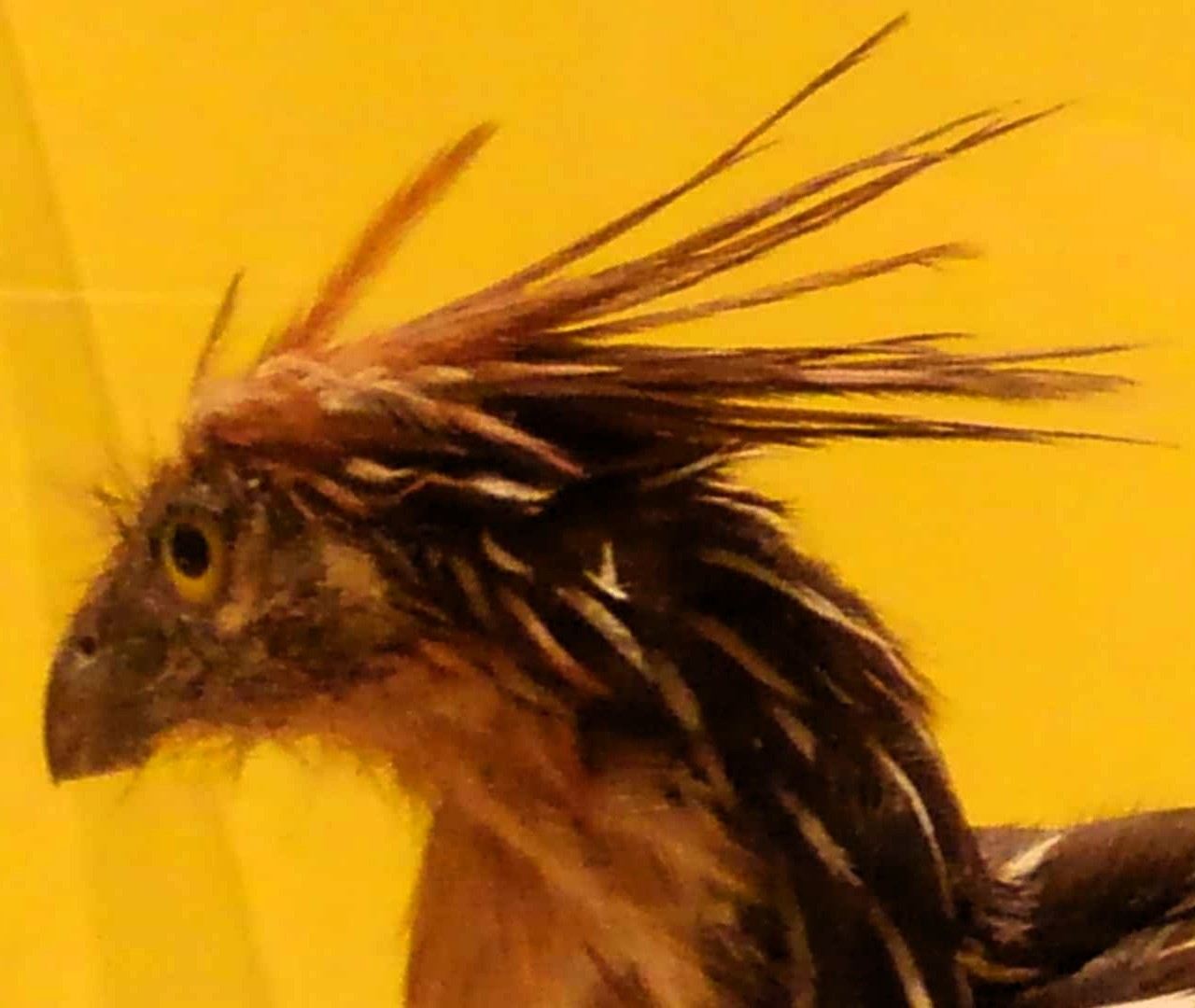
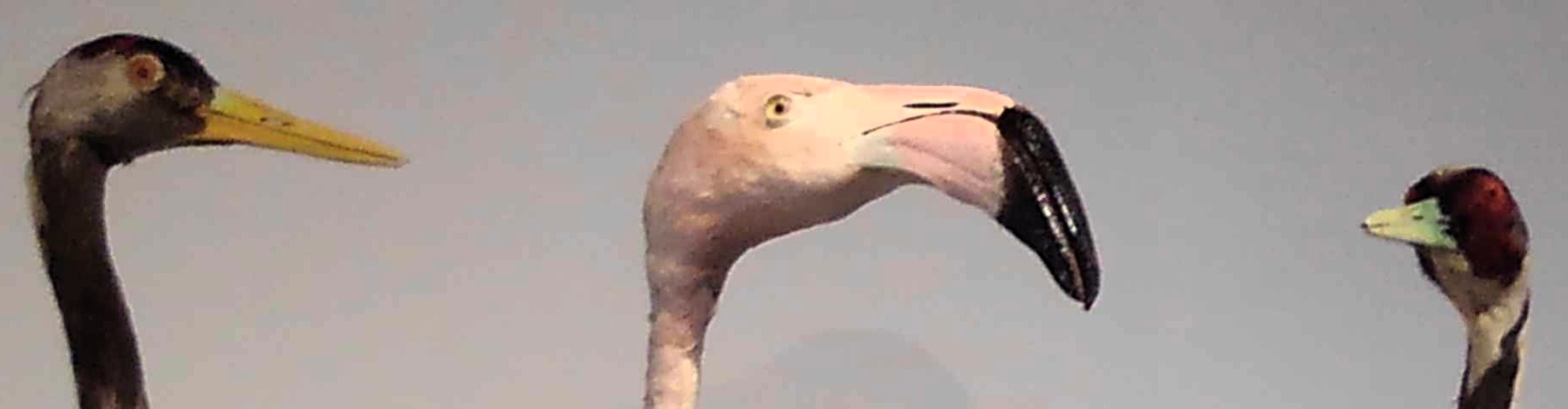
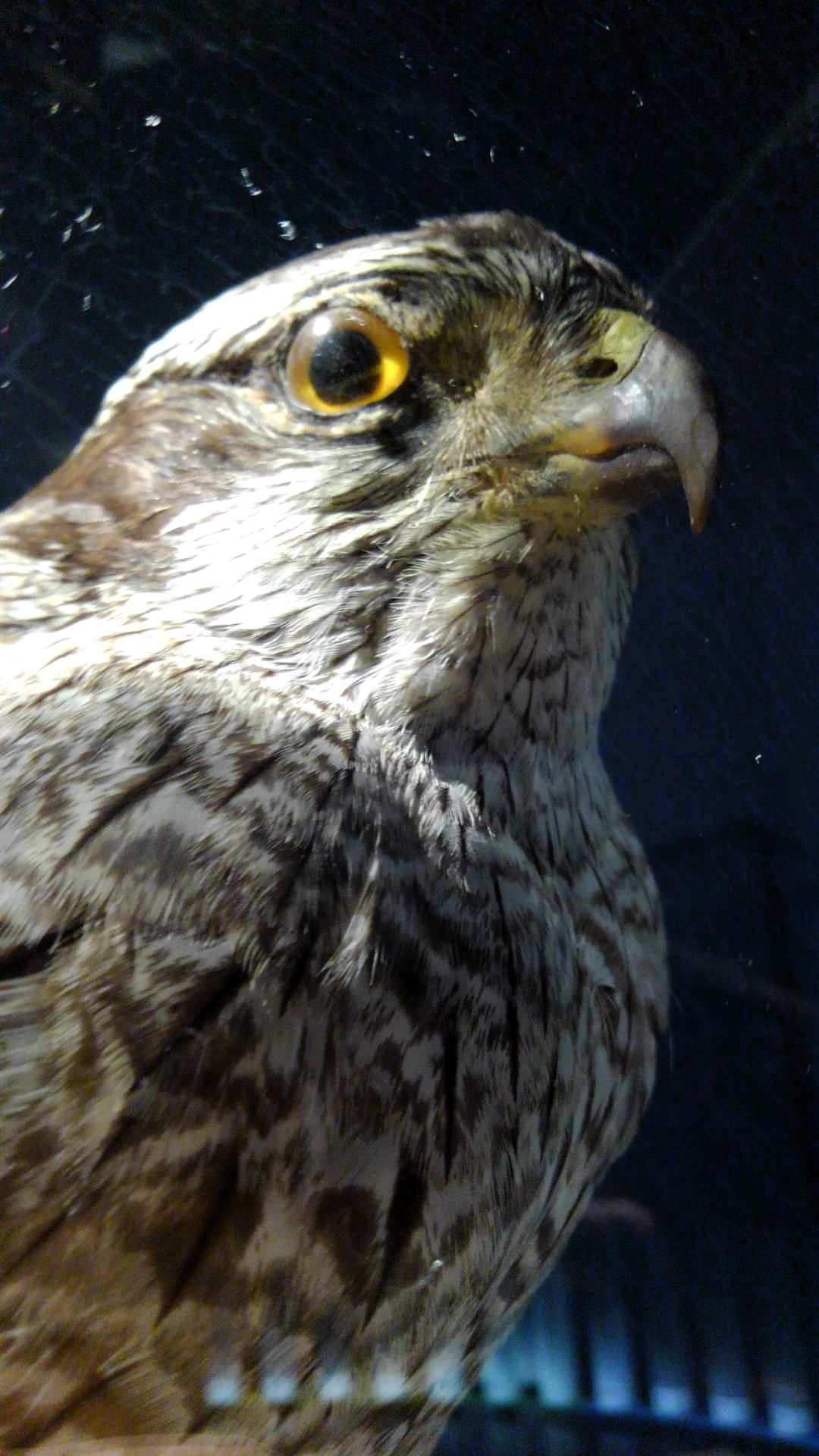
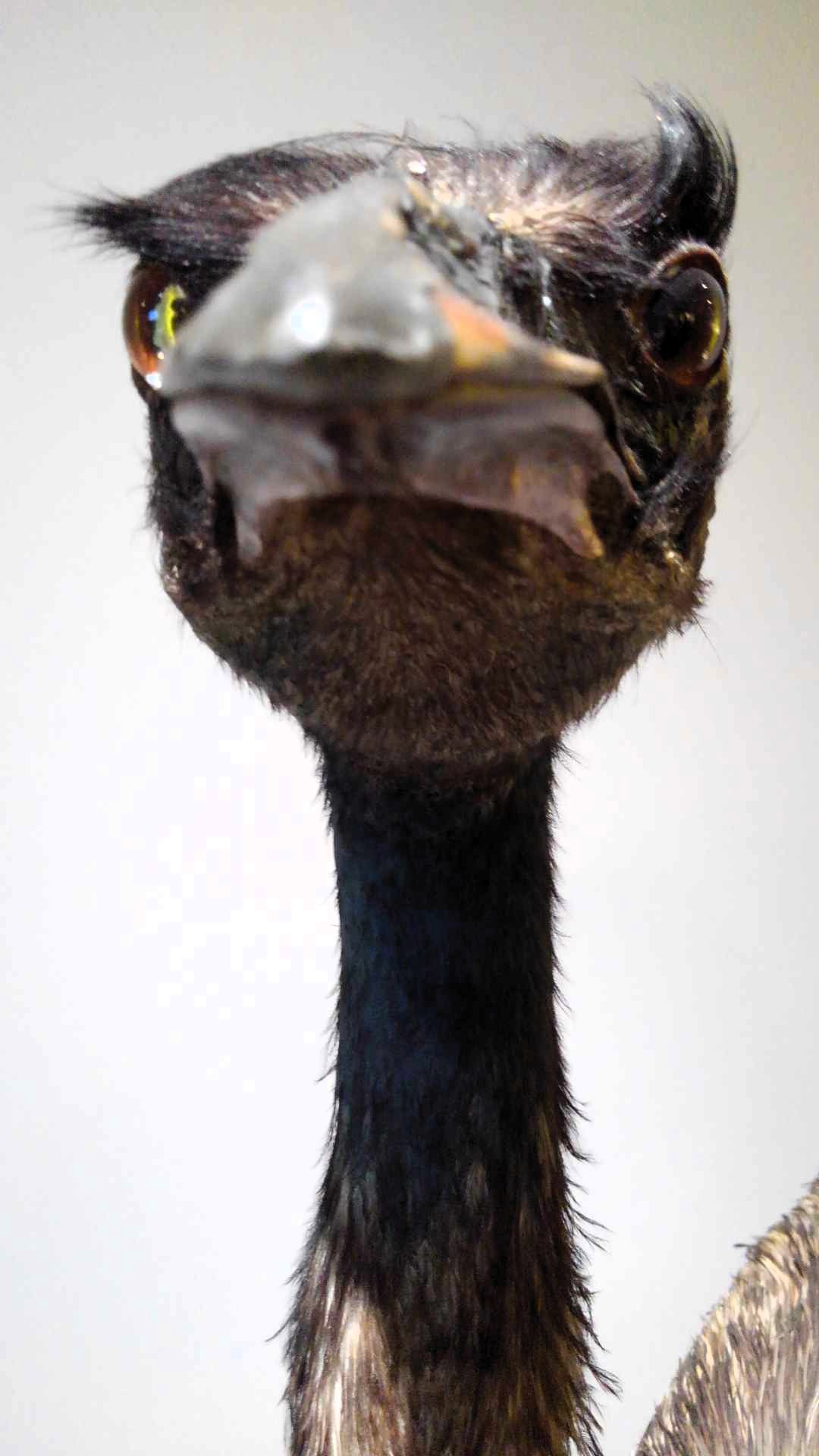
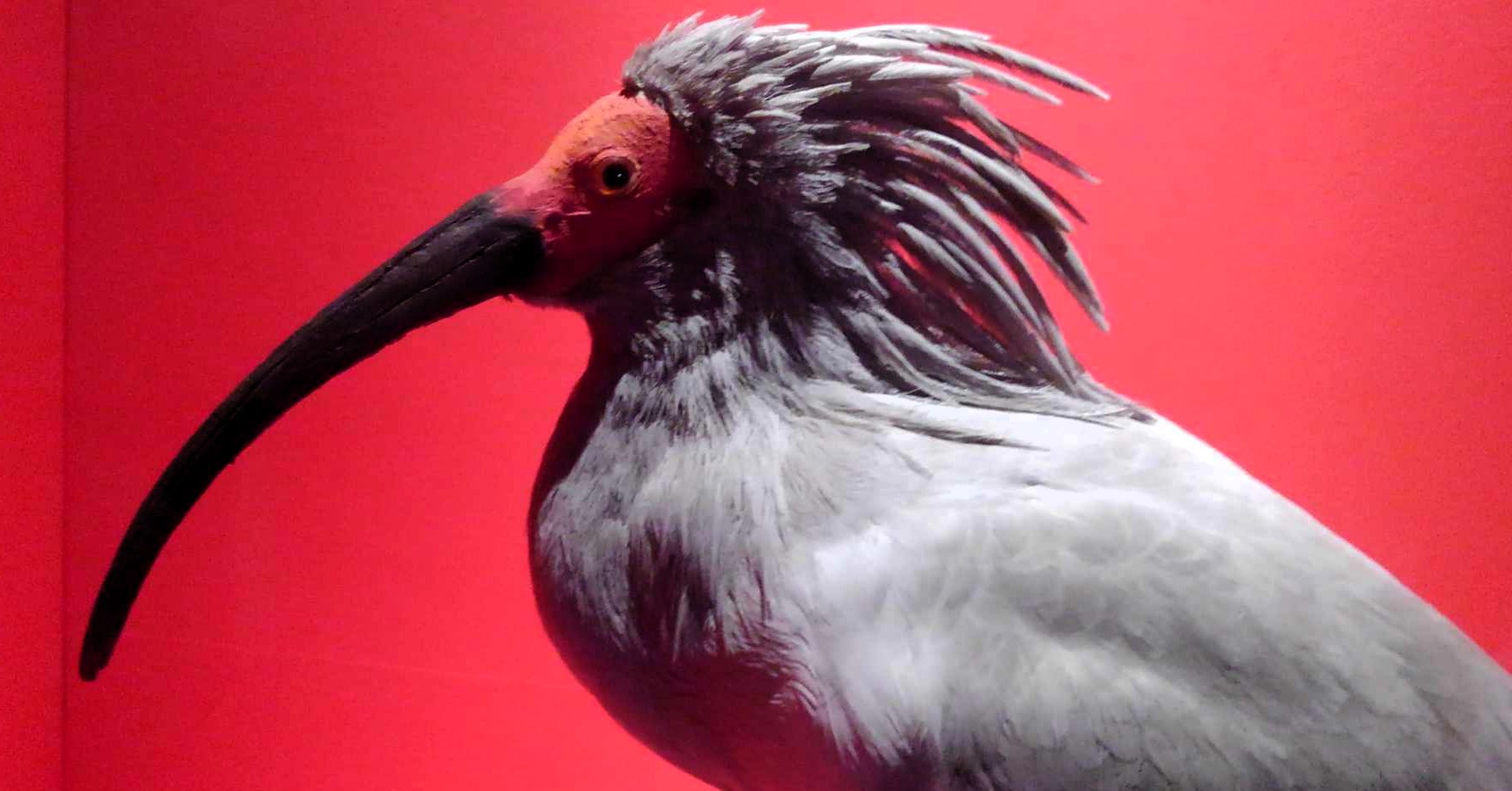
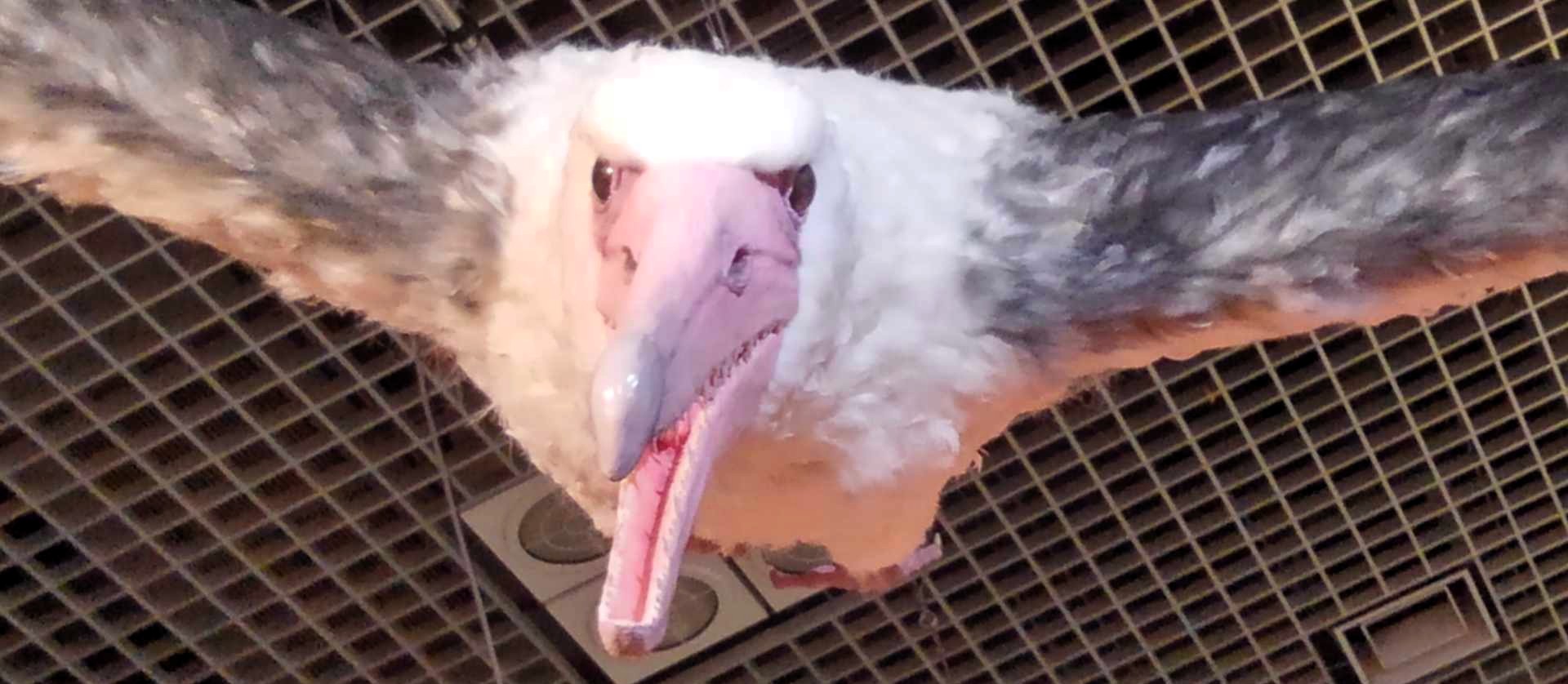
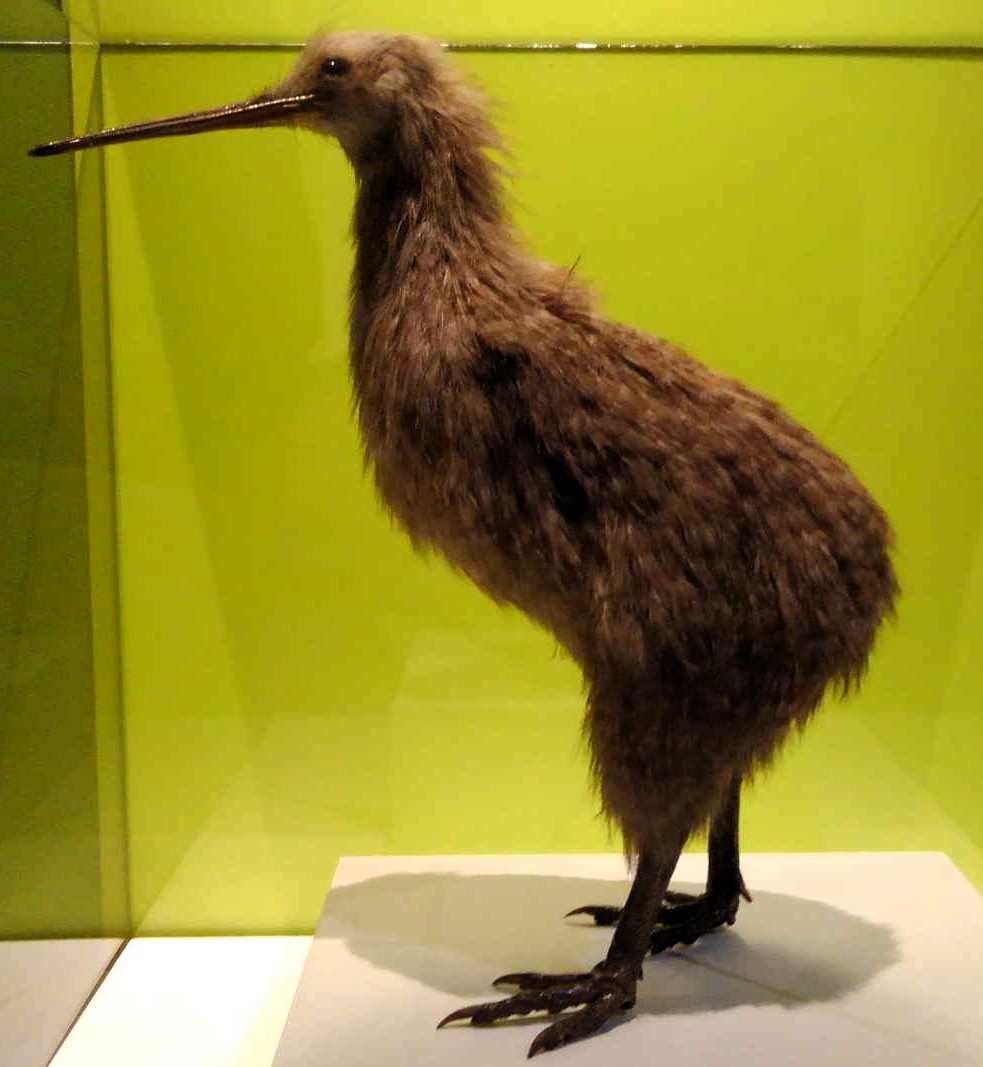
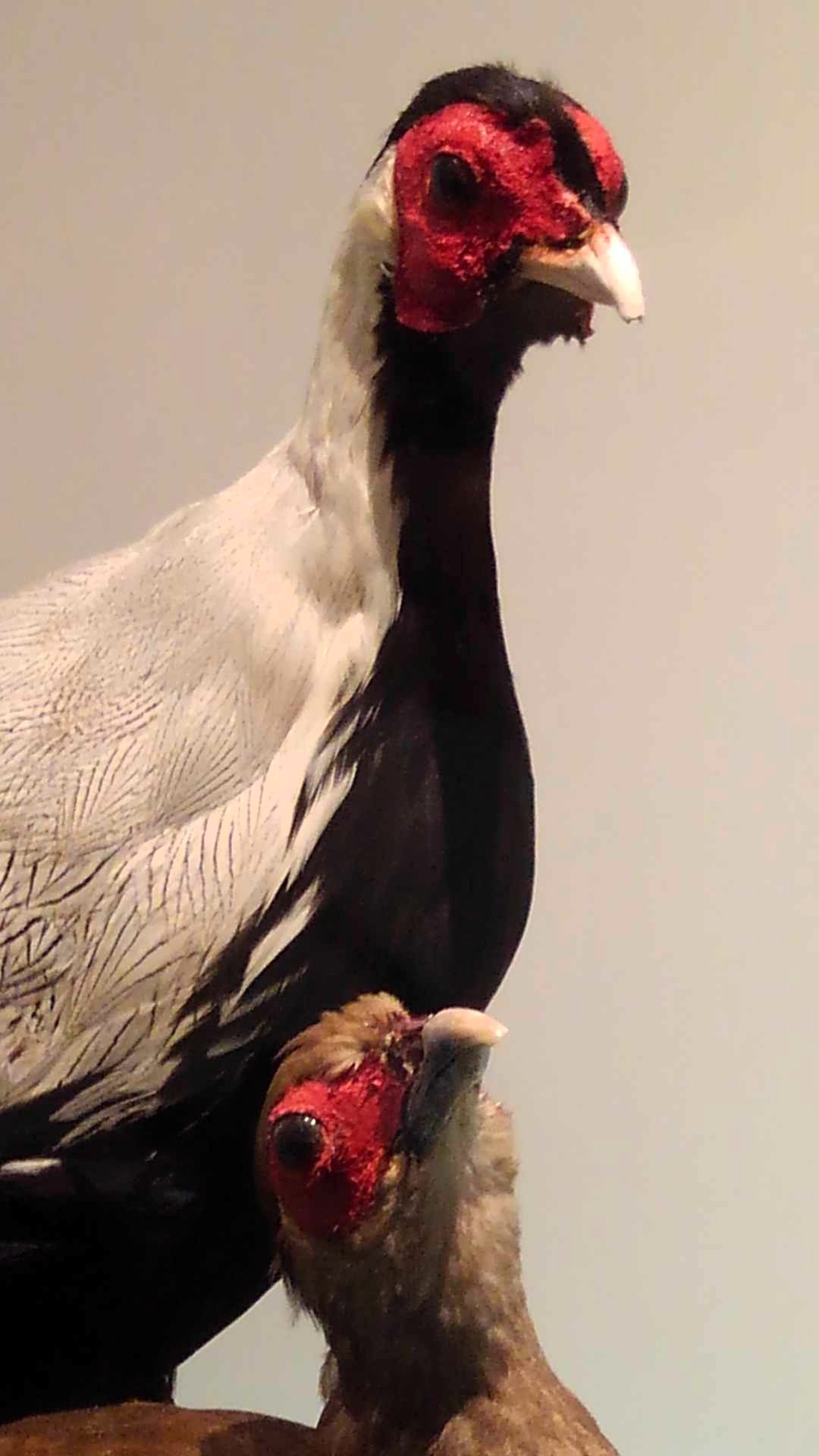
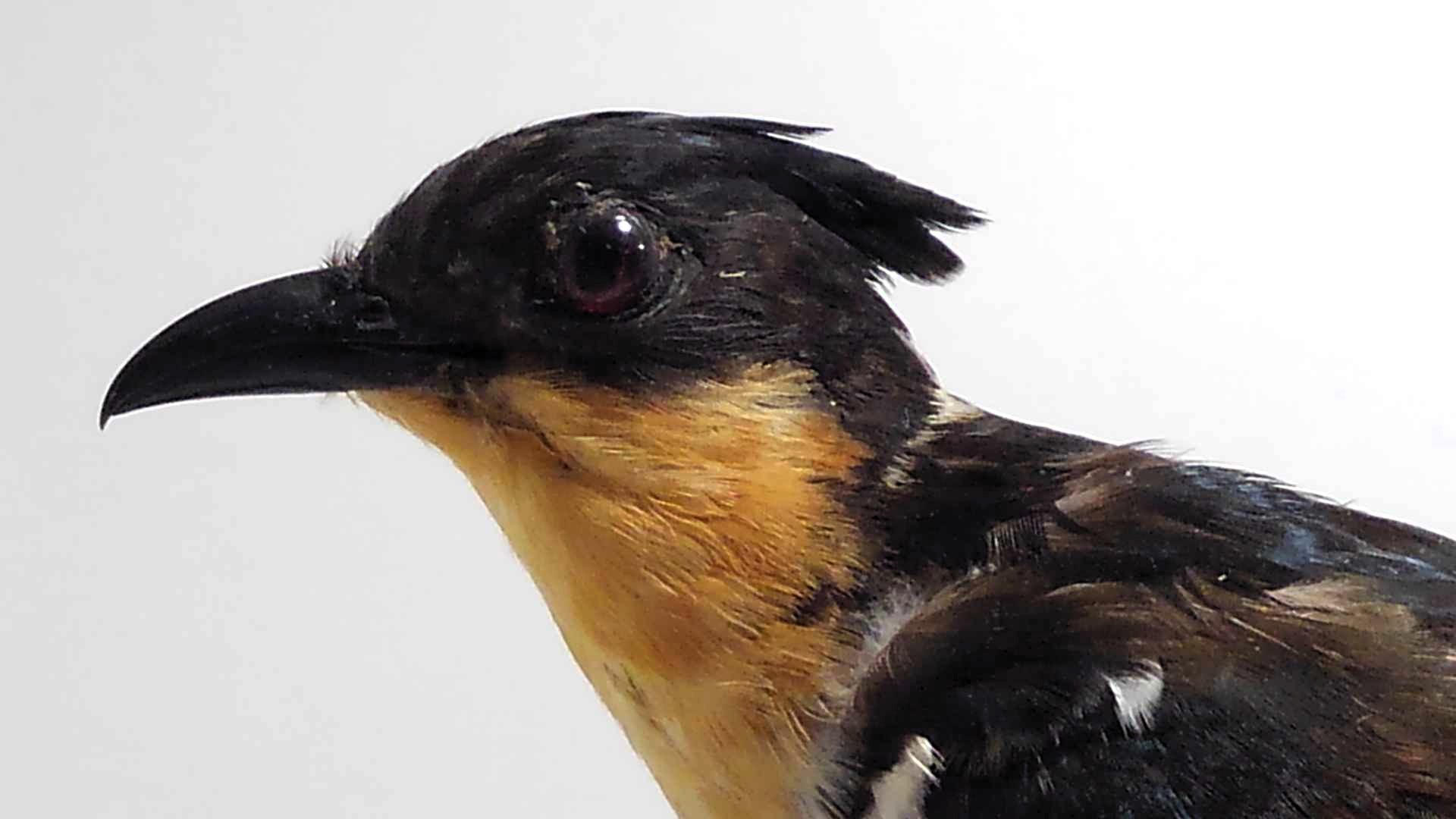
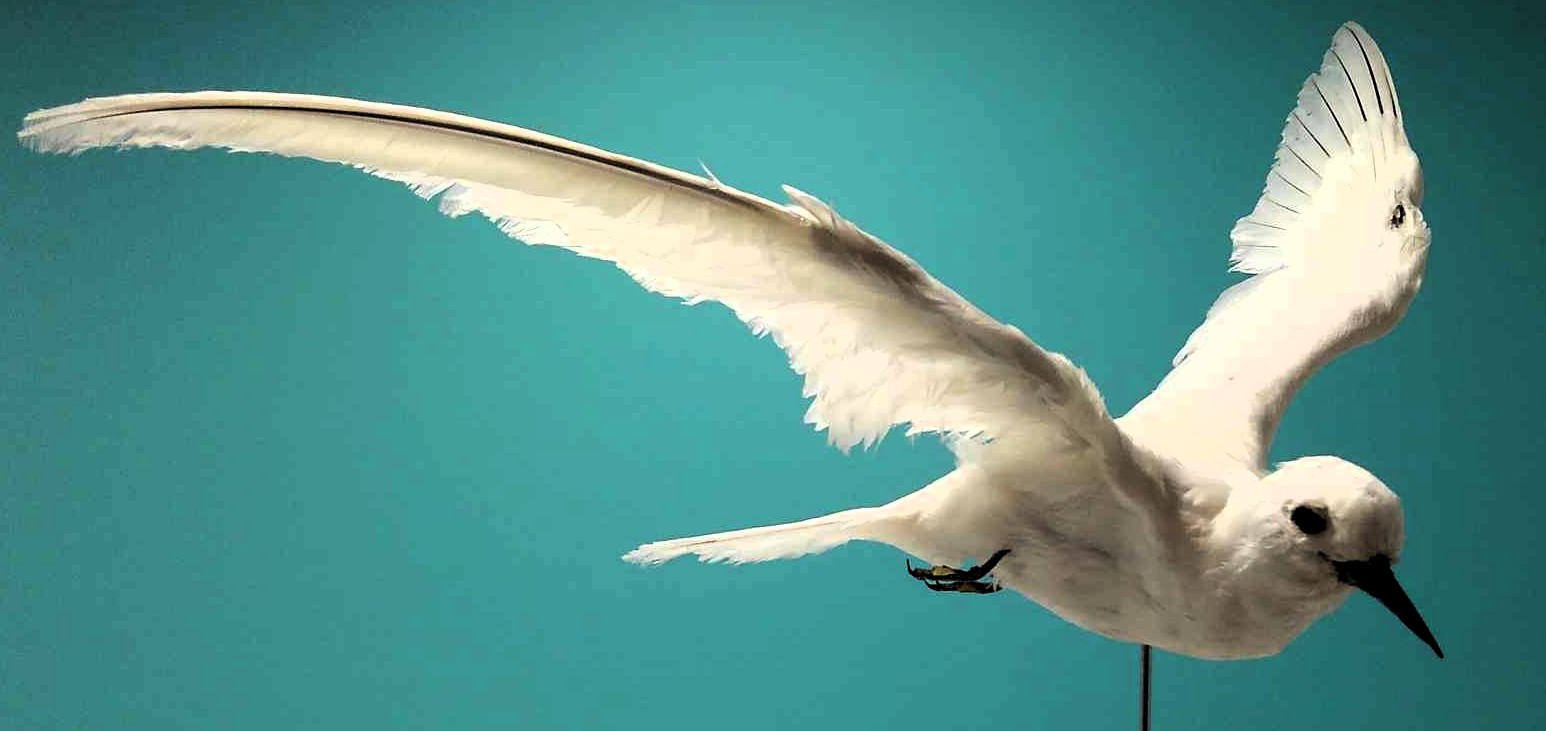
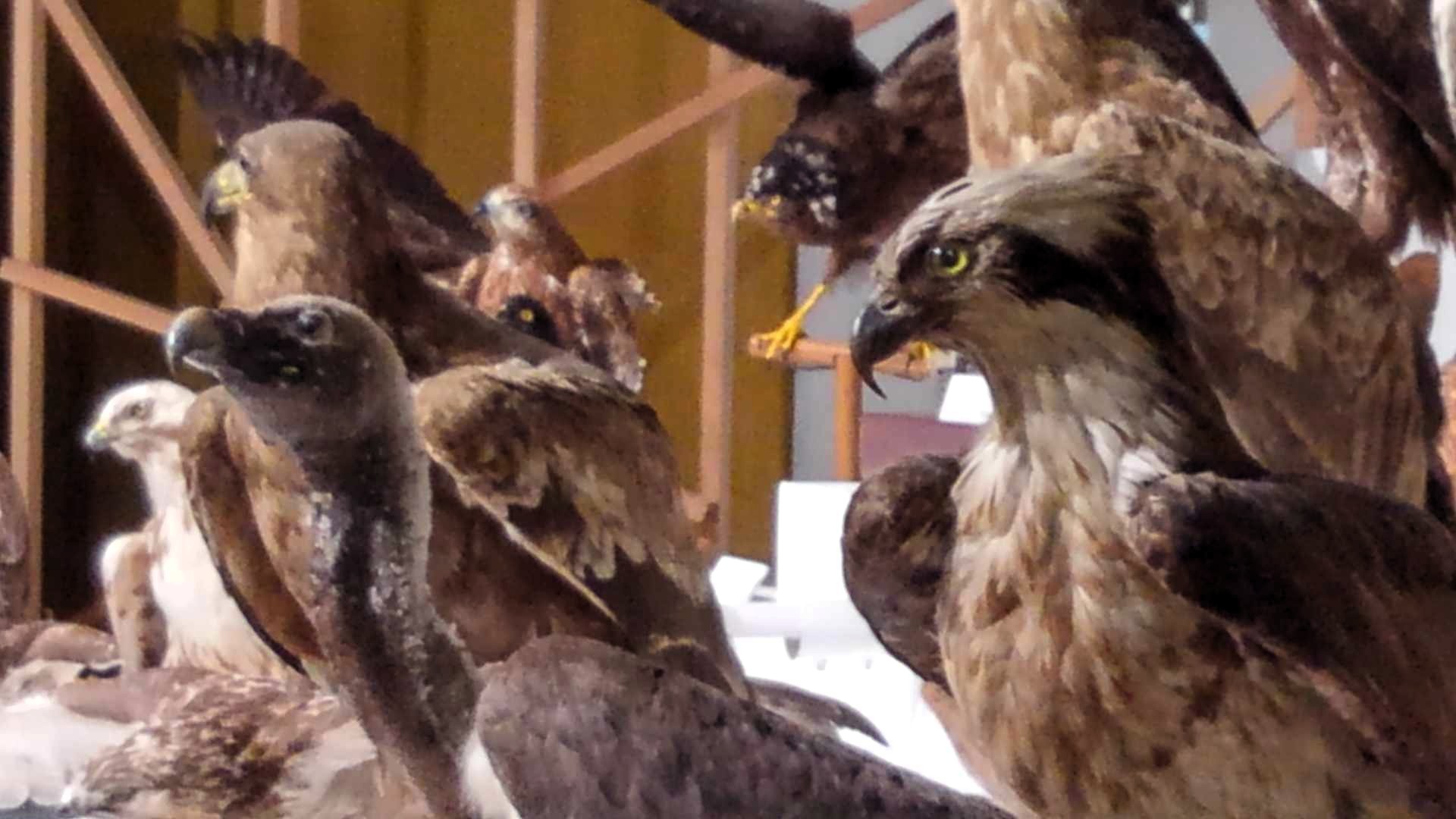
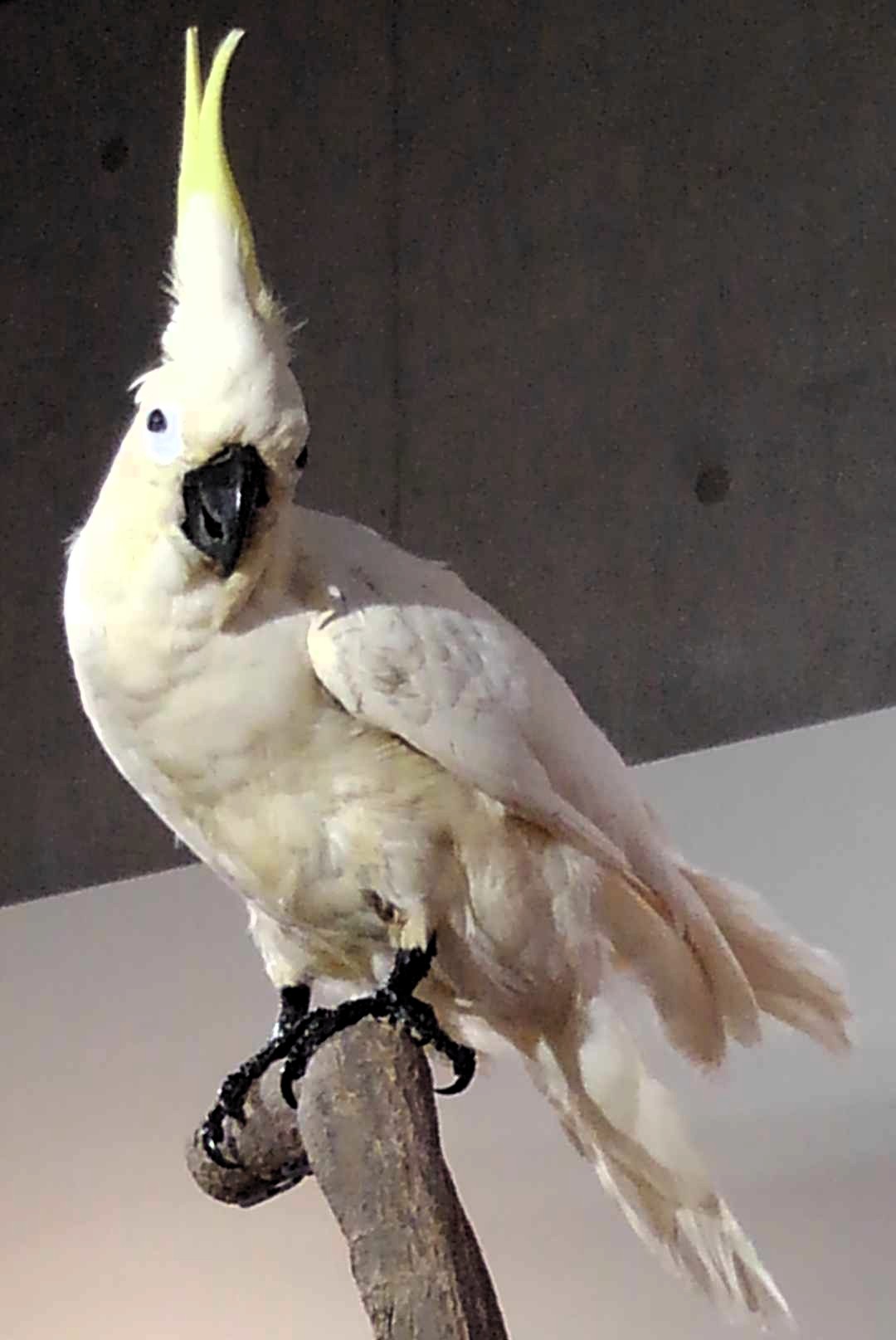
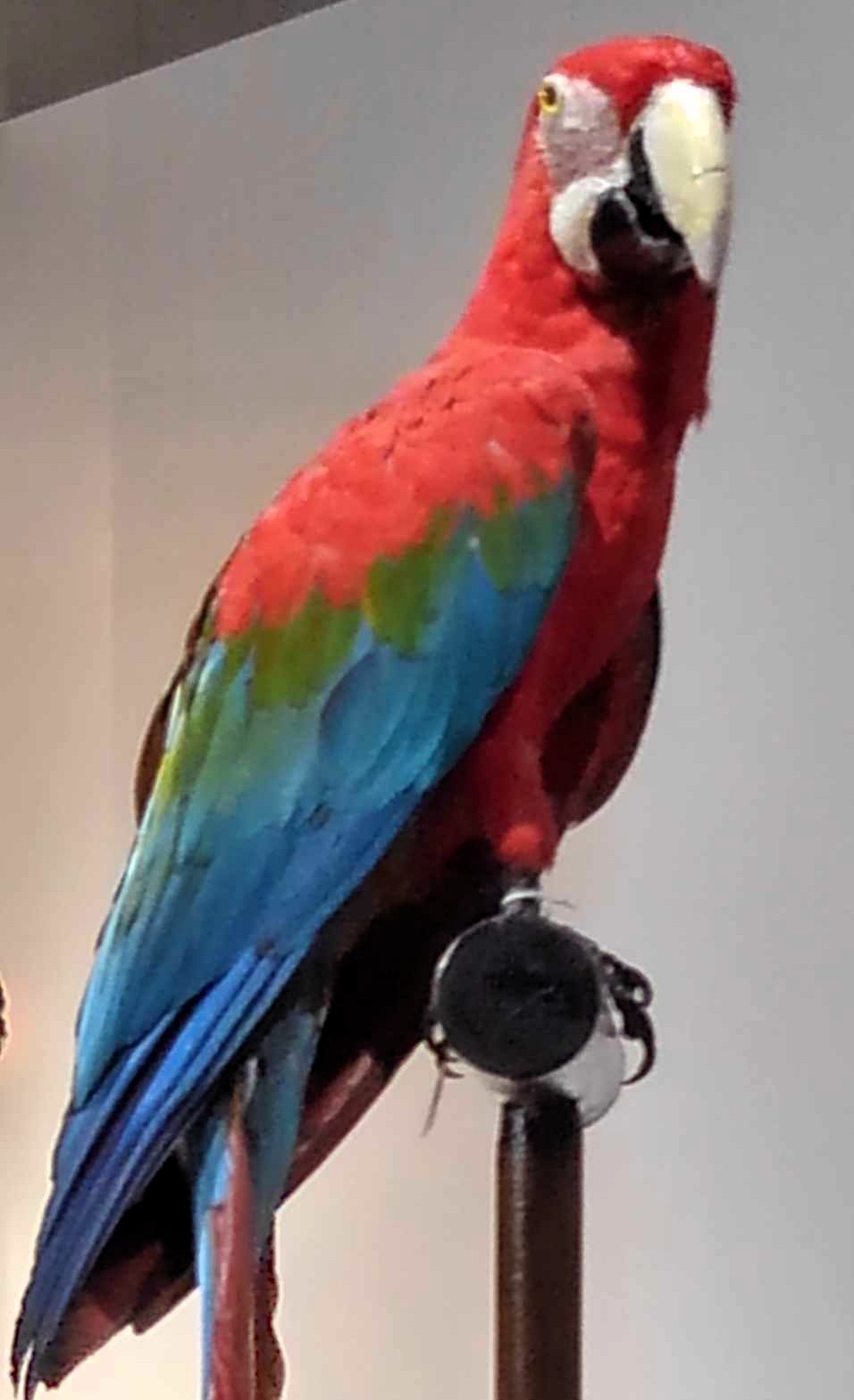
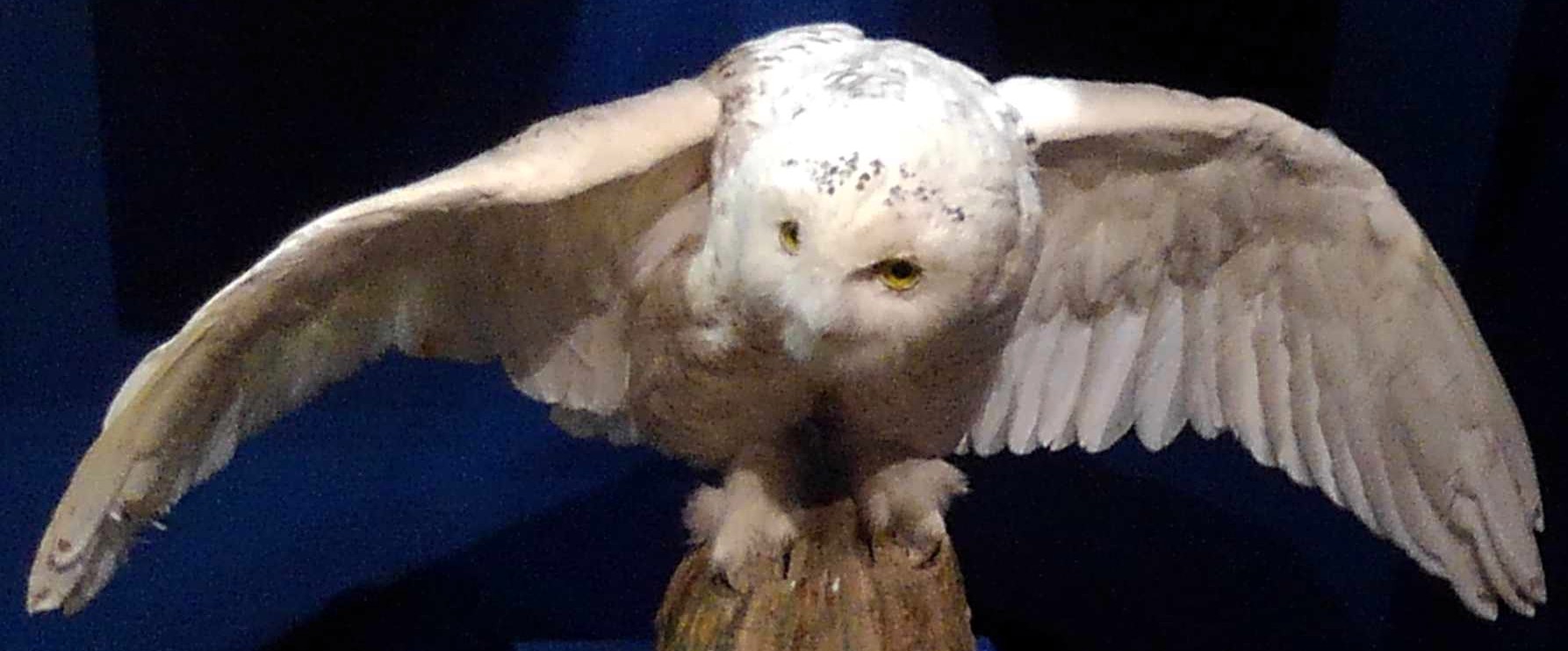
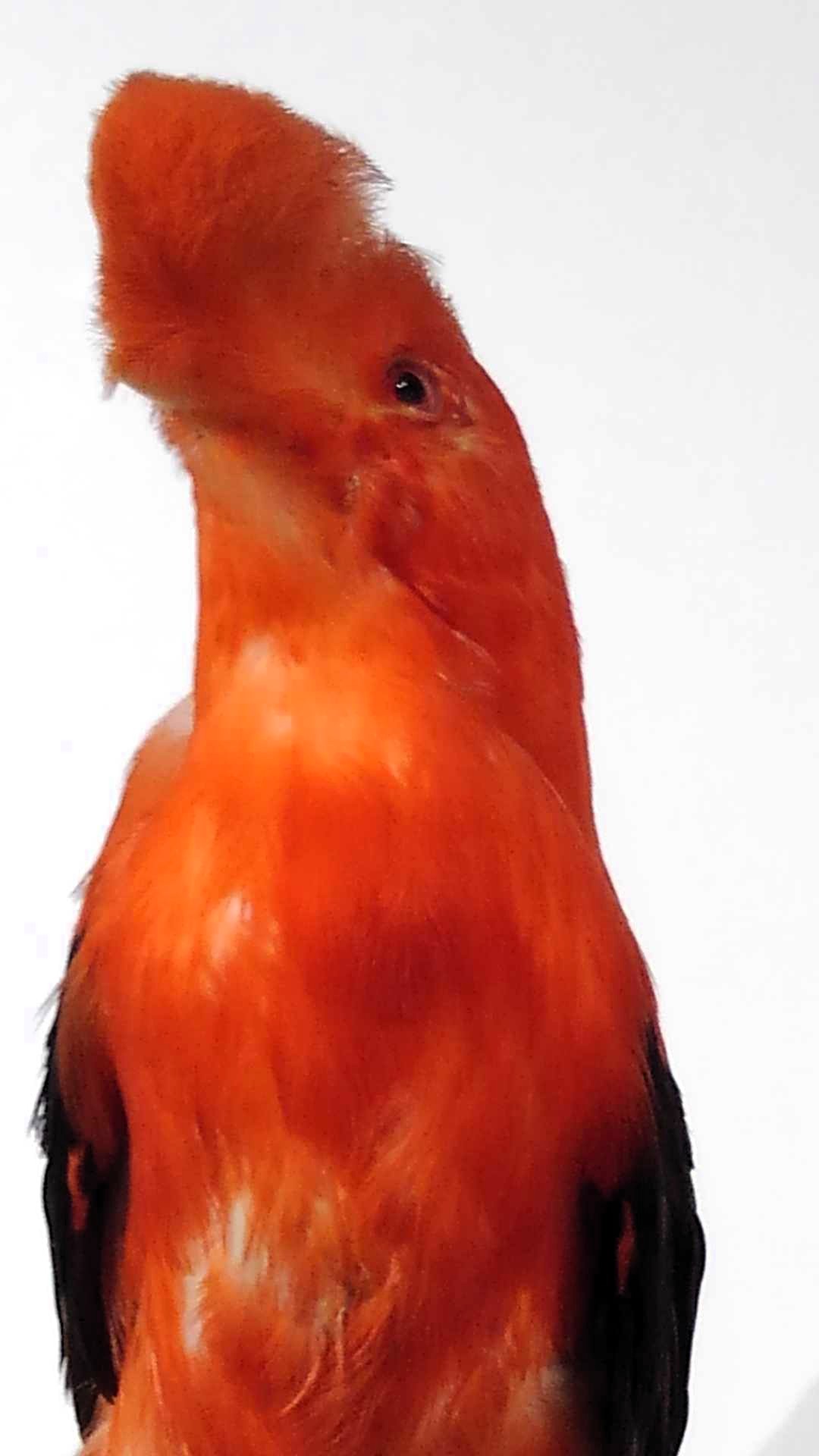
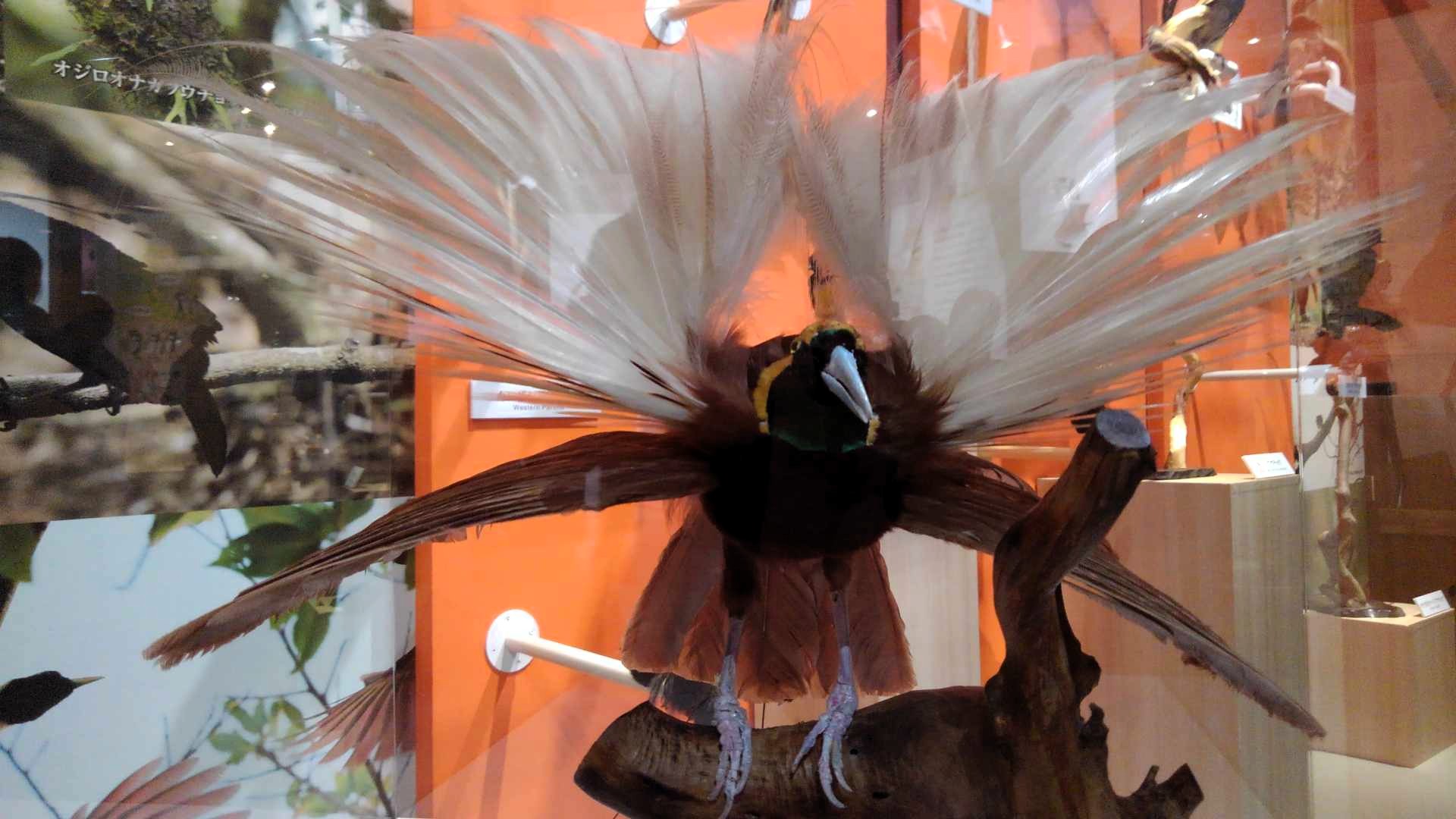
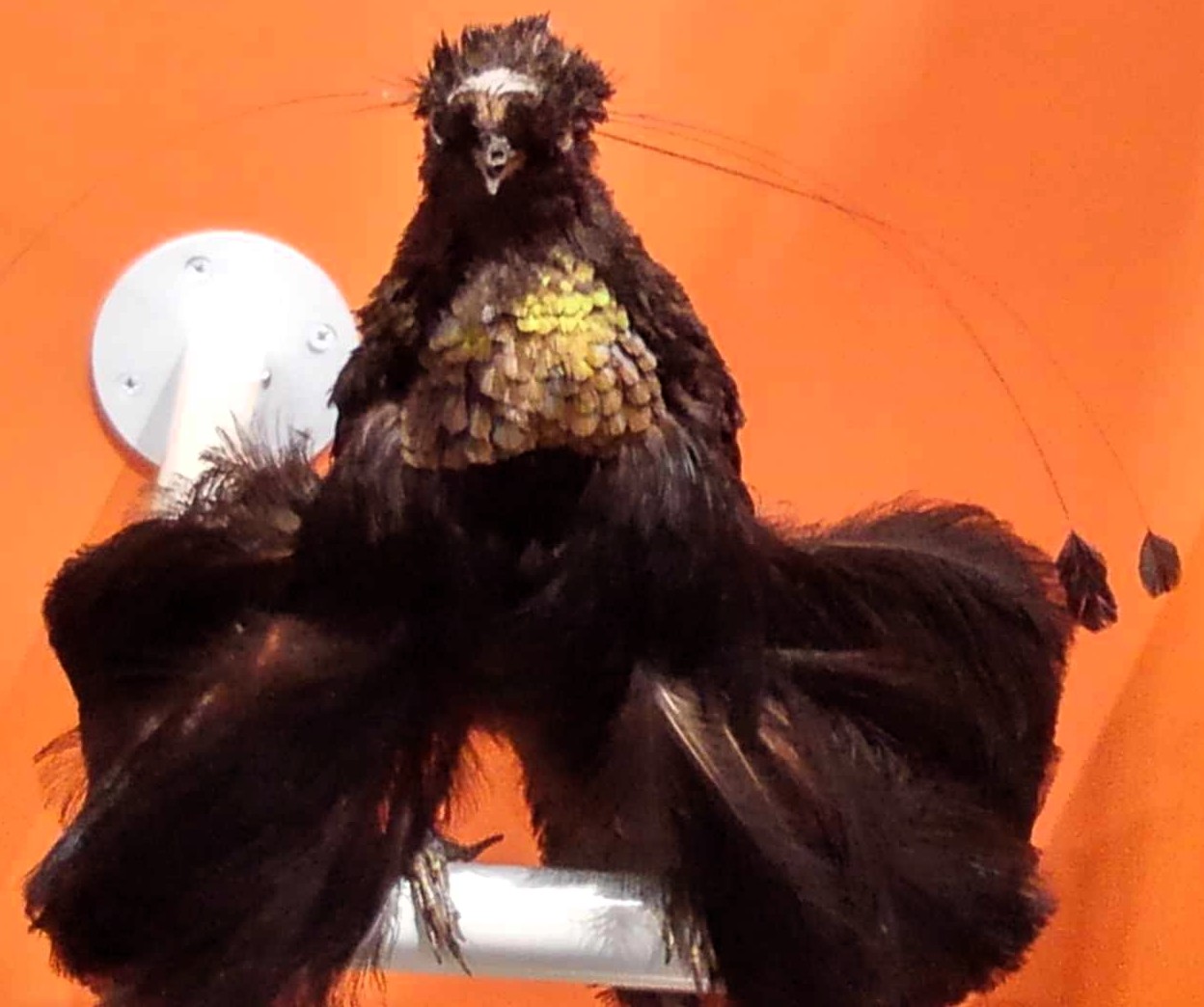
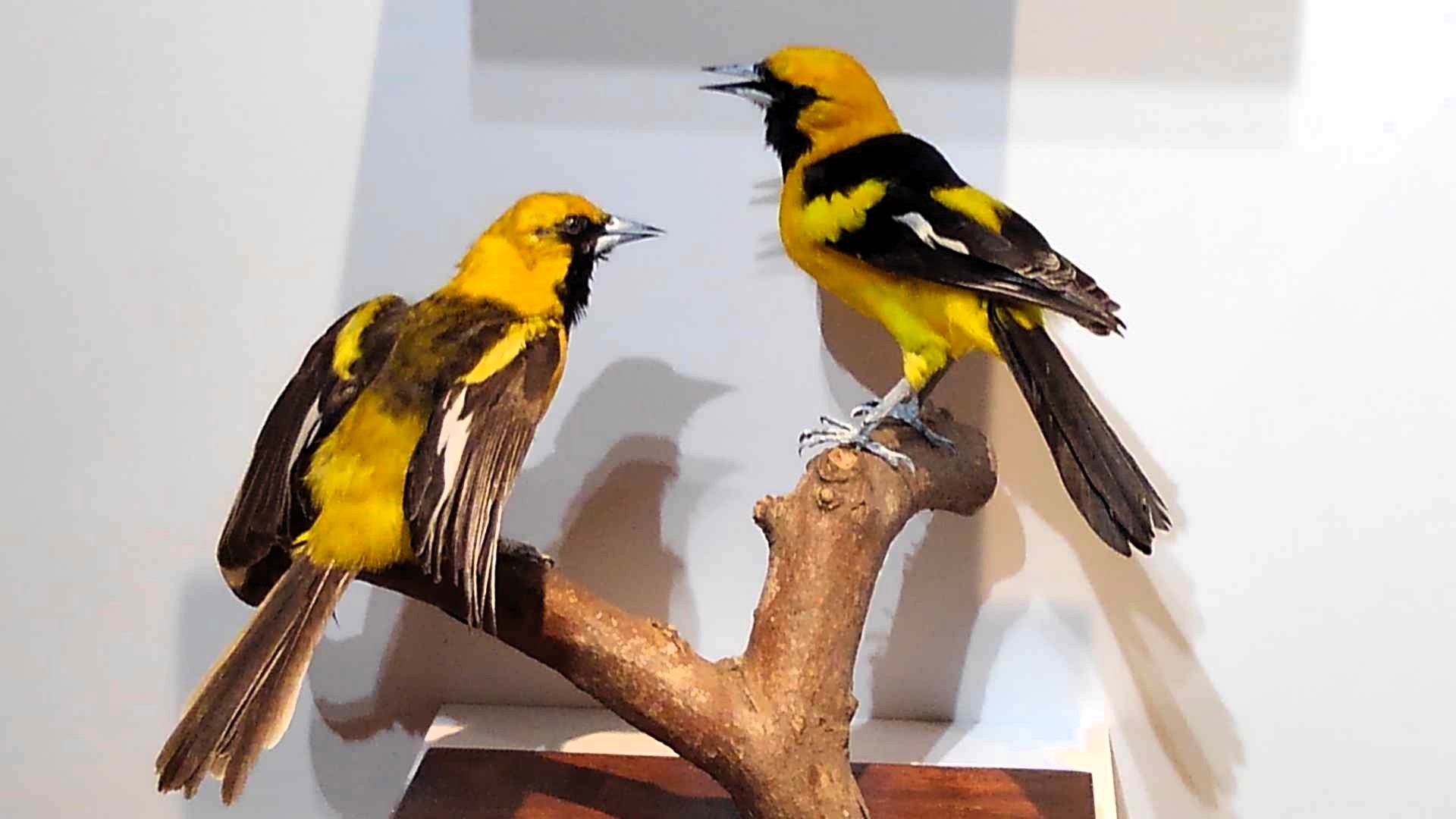
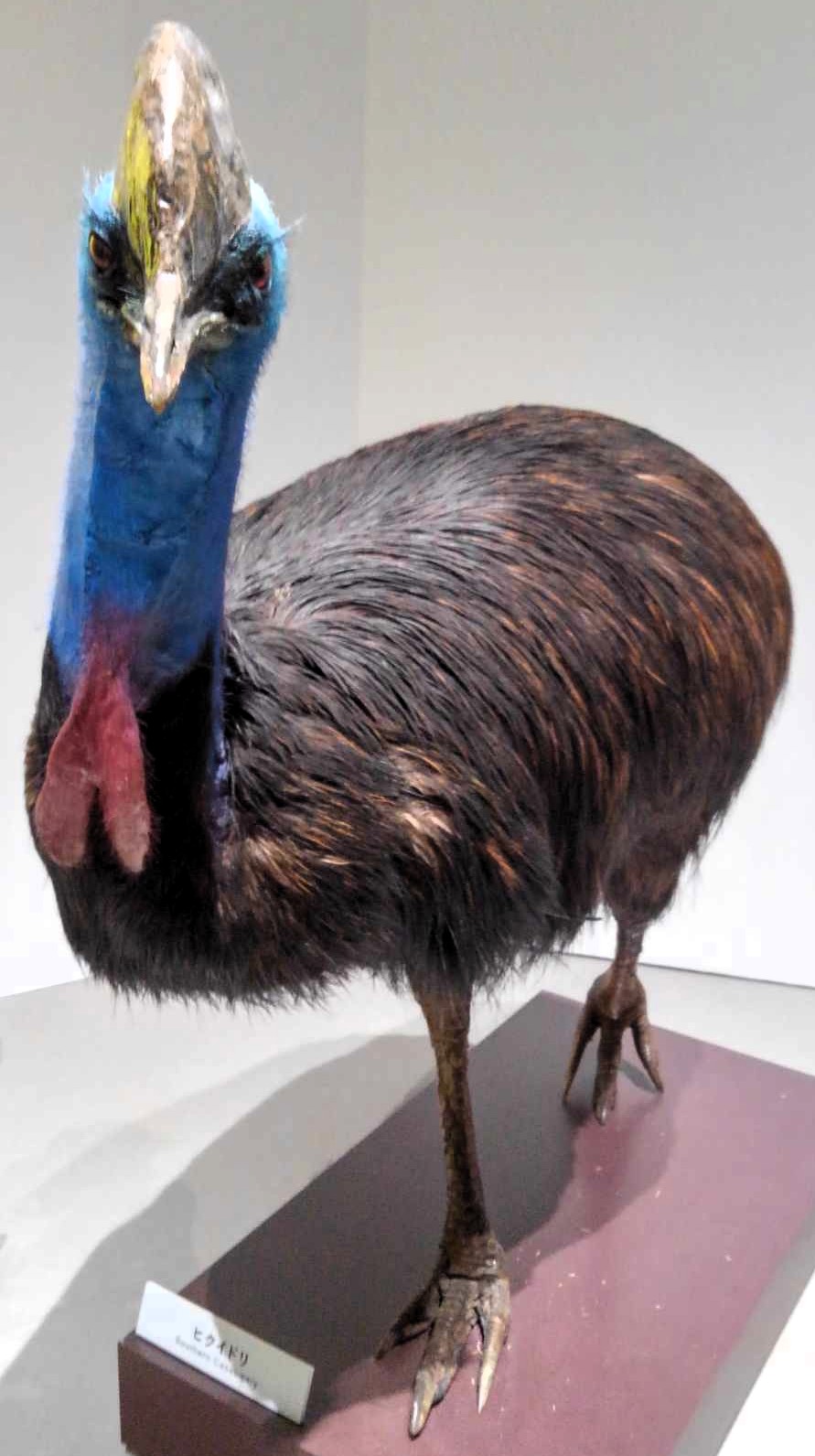
There were over 600 bird specimins exhibited, divided into displays based on themes largely decided by avian type.
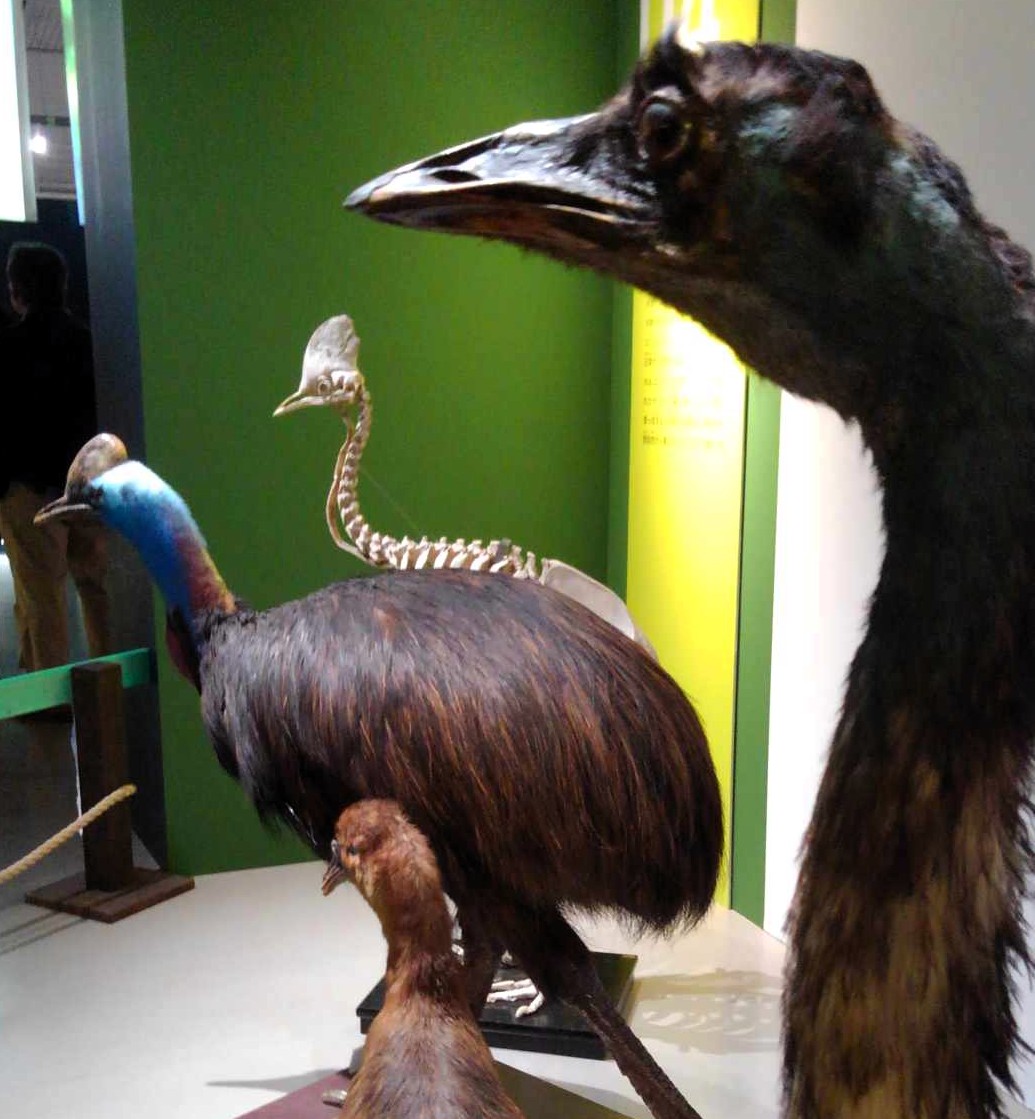
The exibition boasted of providing a new look at birds through a genetic analysis.
These were some of the aspects of the exhibition that were good to like. Other areas were not so great.
Despite being a weekday and the entrance fee being a fairly pricey 2,100 yen per adult, the exhibition was packed.
Moreover, despite the museum being located smack-bang in the middle of Ueno Park, which is a highlight for many foreign tourists in Tokyo, it was not a particularly accommodating event for those who don’t read Japanese.
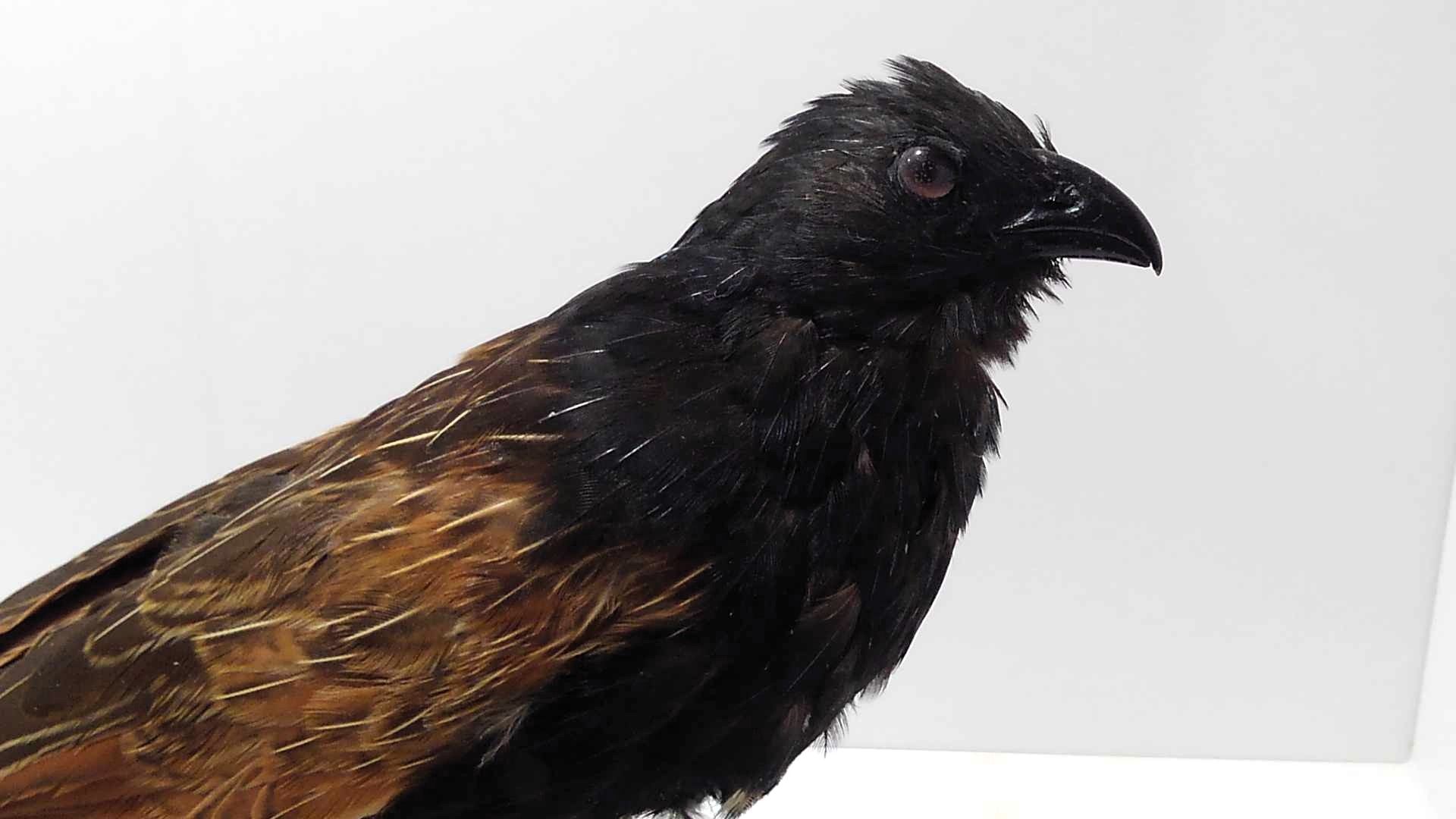
Panel displays were exclusively in Japanese, and brimful of information. Many tourist areas in Japan are refraining from making their facilities accessible to foreigners by only providing Japanese-language services. With nothing but Japanese on the exhibition website, too, I wondered whether this was a deliberate ploy to keep down the crowds, too.
This ended up detracting from the show. People would take a long time to read the panels. This stopped the flow of traffic through the exhibition, and led to a build-up as people crowded to read.
With a large proportion of older visitors, this problem was exacerbated by many taking their time to get through reading panels and plaques.
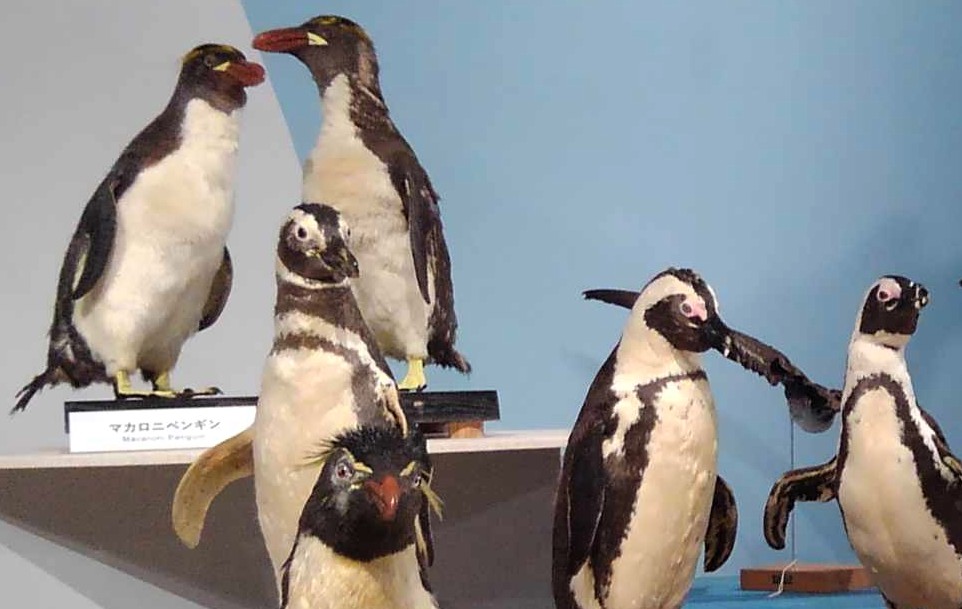
Added to this congestion was the large group of photographers and fascinating photographic subjects, and the upshot was getting a close and enjoyable view of exhibits became next to impossible.
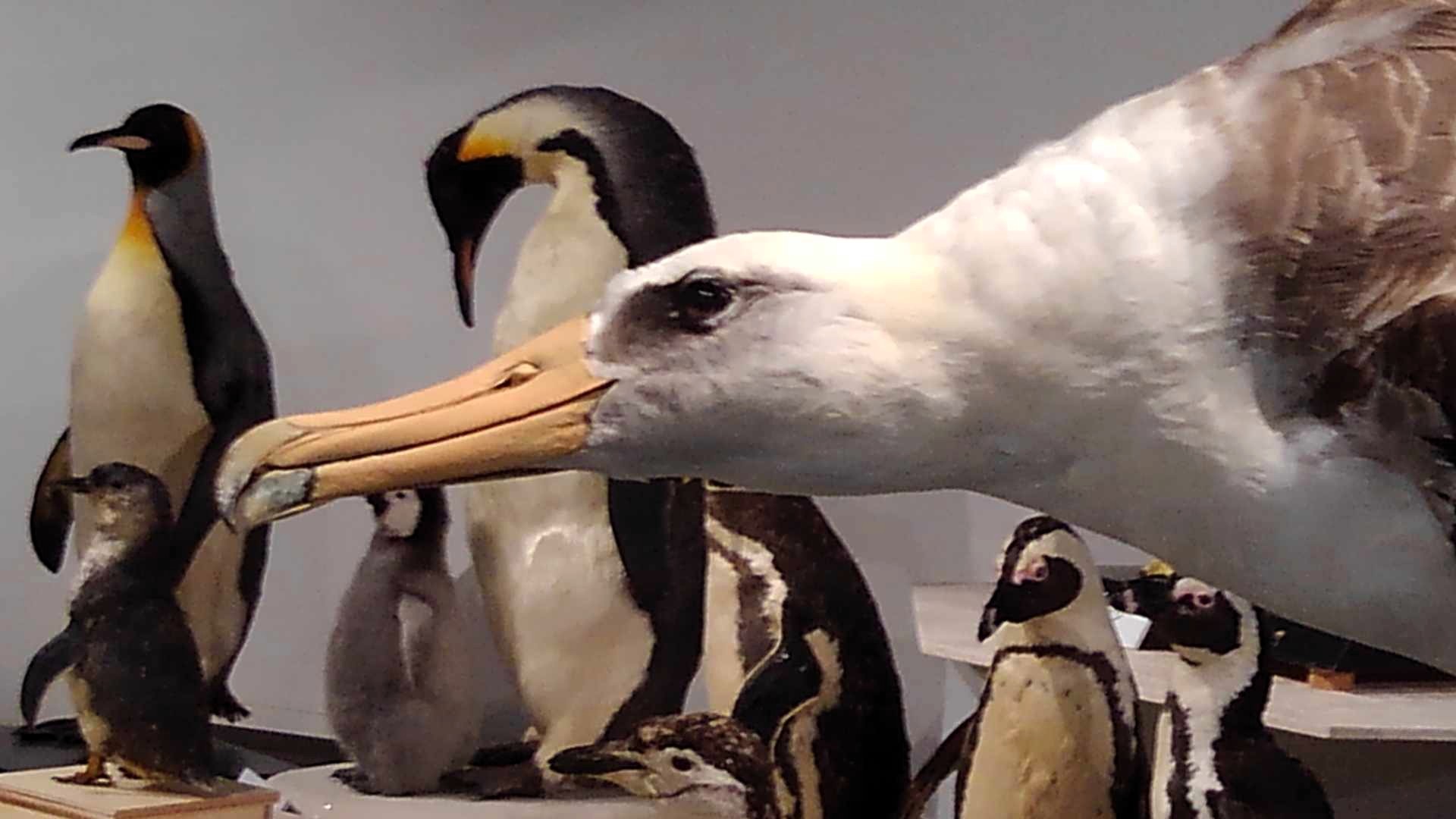
Moreover, exhibition staff were selectively officious, doing nothing to stop people clogging up views and traffic flow, but aggressively active when trying to stop snartphone use.
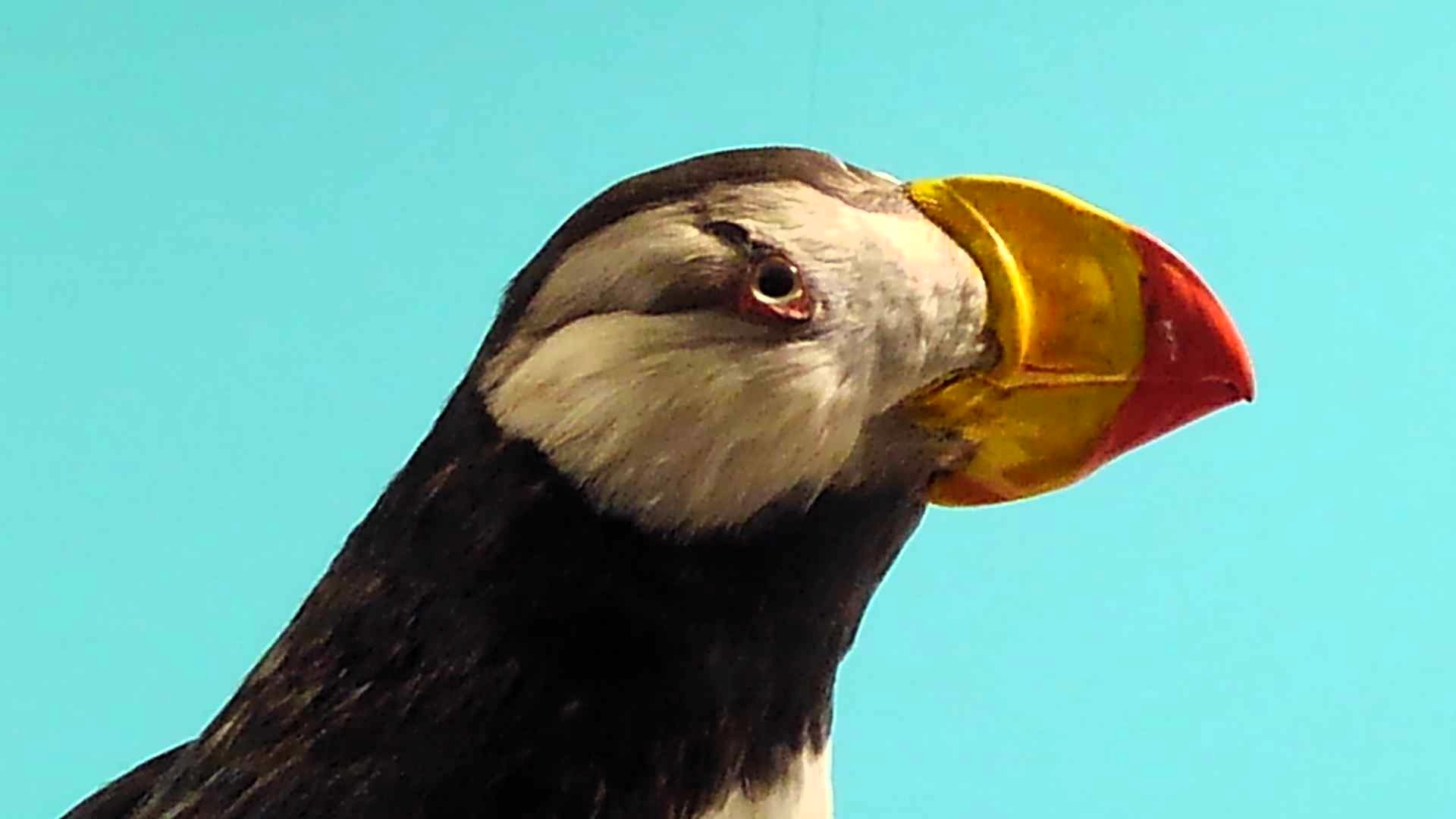
As a bird lover, I was quite excited to be able to go to the exhibition. And it was fascinating.

But the overall presentation, lack of accessibility and excessive crowds made it a less pleasant experience that it could have been.
Tokyo Exhibition Details
Bird
Exhibition runs from Nov. 2, 2024 to Feb. 24, 2025. Open daily 9 a.m. – 5 p.m. (last entry, 4:30 p.m.). Closed Nov. 5, Dec. 28-Jan. 3, Jan. 14.
Entry fee
Adults 2,100 yen (1,900 yen for advanced purchases)
Students (through to high school) 600 yen (500 yen for advanced purchases)
National Museum of Nature and Science
7-20 Ueno-koen, Taito-ku, Tokyo 110-8718
Five minutes’ walk from JR Ueno Station (park exit)
Ten minutes’ walk from Ueno Station (exit 7) on Tokyo Metro Ginza and Hibiya lines
Ten minutes’ walk from Keisei Ueno Station (main exit) on the Keisei Line
No parking facilities available