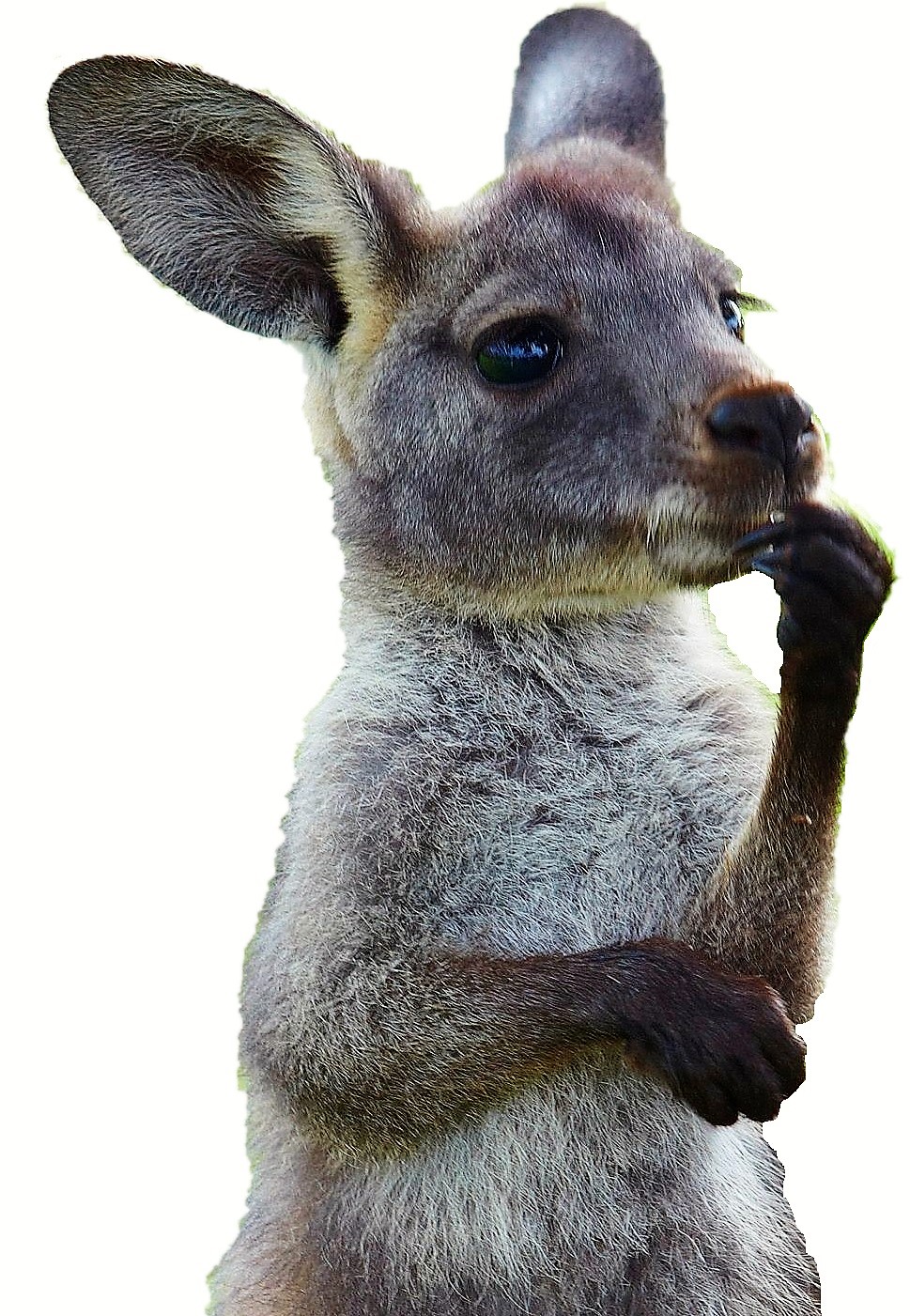
A Kangaroo Saves The World!

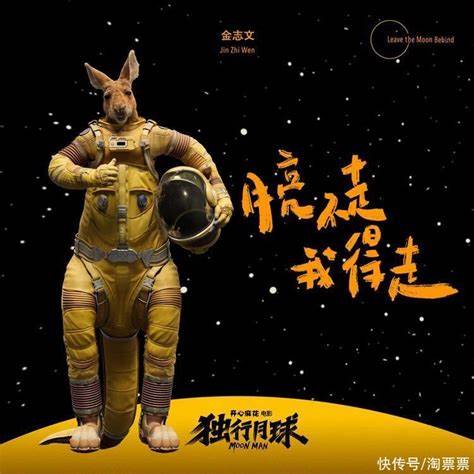
A kangaroo in a space suit saves the world in the most amazing Chinese movie, which I have just learned about.

King Kong Roo is one of the heroes in Moon Man, the delightfully hilarious 2022 movie about Yue, a guy stranded on the moon with humanity apparently obliterated by an asteroid shower slamming into the planet.

King Kong Roo is a kangaroo that had been left in a moon base research lab. He forms an unlikely friendship with Yue and they strive to return to the earth. The kangaroo ends up a hero, reverred around the world.
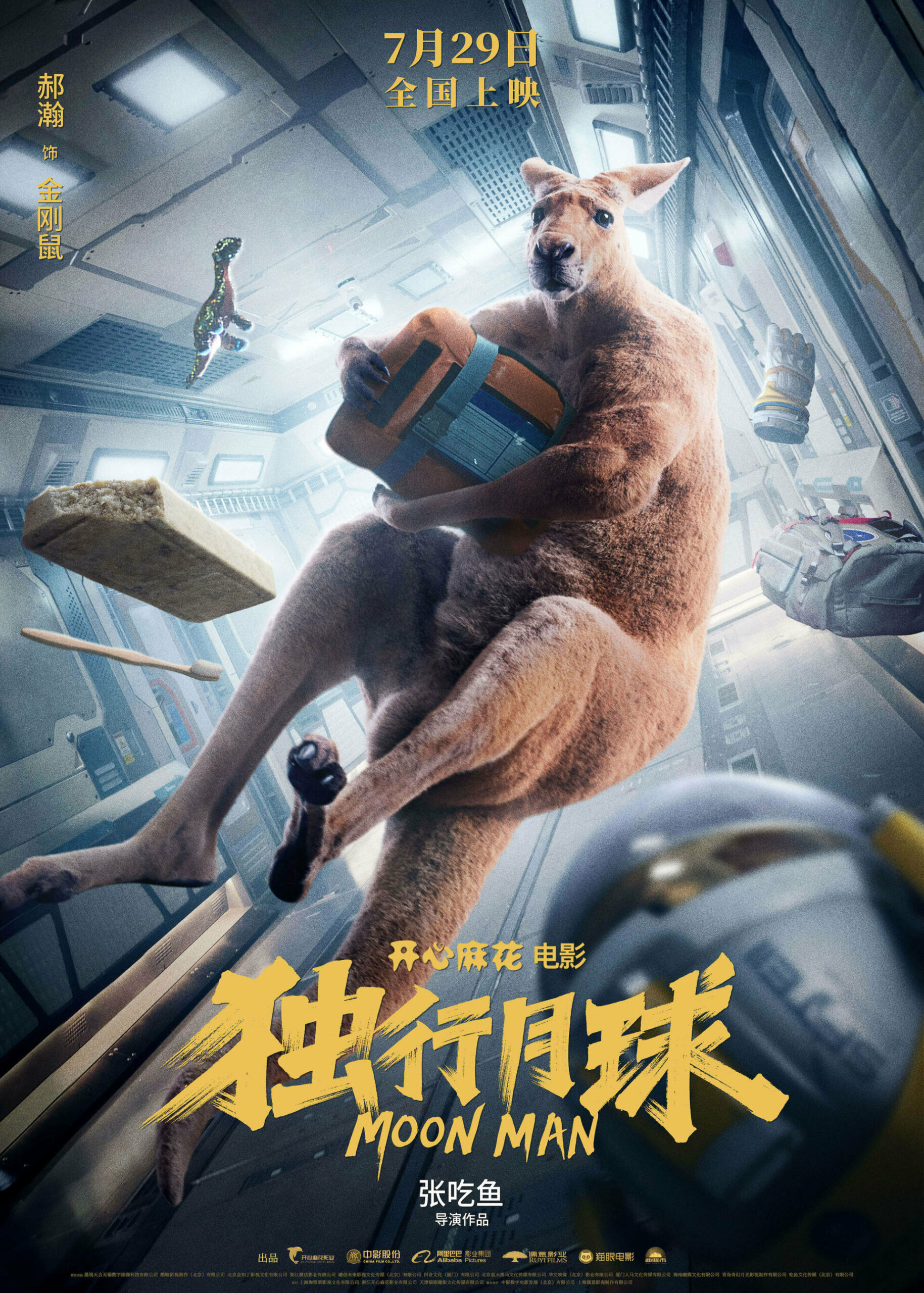
The film is an adaptation of South Korean illustrator Cho Seok’s webcomic series, Moon You. The original comic ran from 2017 to 2019.

In the story, Yue thinks he is the sole surviving human, but he is unaware that some survived the asteroid shower and they are watching his every move through automatic livestreaming back to earth, which is unable to re-open communications with the moon.

Moon Man made an incredible $460 million at the box office.

Cop A Gander At These Rippers Too...

  • カンガルー、イルカ、クジラなどと買い物できる低額観光キャンペーンが国の高額PRに赤面する

     二次元のカンガルーかイルカやクジラを一般ショッピング・モールで一緒に踊ったり撫でたりできるニューサウスウェールズ州観光局であるDestination NSWが行った激安観光キャンペーンが注目を集めている。  同キャンペーンがショッピング・モールチェーンであるウエストフィールド社と共同で行い全額でわずか豪ドル3百万(約2億5千円)しかかからなく、ひそかなヒットとなっている。  一方、全国観光政策の実施を担当するTourism Australiaの2012年キャンペーンがおよそ豪ドル2億5千(約20億円)が「美しい」や「芸術的」などと評価されているものの効果についていまひとつであり、一般オーストラリア人の中では評判がそれほど良くない。  あなただったらどっちが良いかな?

  • 野生カンガルーがメルボルン空港で捕まえれた

     オーストラリアで野生カンガルーを見るのは決して珍しくないが、流石に空港内では異例だ!  10月22日午前中、野生カンガルーがオーストラリアメルボルン市空港内の駐車場で走り回っている姿が見られた、とある人が警察に通報した。  警官が駆けつけてところ、同航空の駐車場5階にカンガルーを見つけた。   カンガルーを鎮痛剤で撃たれ、鎮痛させられた。 無事だった。  カンガルーは、健康状態を調査した上で放される、とメルボル市の広報が言う。  ちなみに、野生カンガルーがメルボルン空港で捕まえられたのは2回目。 8月にも同様な時間があった。 メルボルン空港野生カンガルー事件ギャラリー  この動画が示すように、怖くて、逃げようとする野性カンガルーが本当に恐怖だ。 Roo turns airport into Hopper’s crossing

  • | |

    豪産肉輸出成長は、、、らくだ!

    オーストラリアの野生動物と言えば、まずらくだ、、、と言い難いだろうが、実際に世界最大野生ラクダの数が最も多くの国が豪州であるだ。  元々らくだはオーストラリアにいなかったが19世紀イギリス植民地時代からインドから持ってこれて野生化し、数十年たったら環境問題を起こした。今、オーストラリアで野生ラクダが約100万頭がいると予想されている。豪の野生ラクダ頭数が約9年毎で倍増することも予想されている。  一方、ラクダの自然発祥地である中近東では、1960年代からラクダの数が急速に減り、ラクダ肉やミルクの重要が依然として高い。  オーストラリア産ラクダが昔から競駱駝(???、、、要するにレース用)のラクダの輸出があったが、2009年から肉食用のラクダ輸出が産業化し、急成長している。今年、およそ6000頭のラクダをサウジ・アラビアとアラブ首長国連邦を中心に中近東諸国へ輸出する予定だ。  オーストラリアでの野生ラクダの環境破壊が依然として継続が続くが、輸出により数が大幅に減る上に立派なビジネスチャンスを与えているので不幸中の幸いかもしれない。 参考: Australian Feral Camels Turning a Pest into Profit

  • | |

    Japan’s Mobs Of Macropod Motifs Missing Marsupials In Masterpieces

    Something strikes me about kangaroos in Japan, where companies like Seino and Nikko Kanko have made the marsupials highly visible. Kangaroos are possibly even higher profile than their native Australia, where Qantas uses the national symbol in its logo, but the macropod is a somewhat uncommon sight elsewhere in the corporate sector. I wouldn’t go…

  • |

    日本人が知っている豪先住民語

    Modern Japanese is filled with examples of borrowed words from foreign languages, which are known as gairaigo. “G’day” is probably widely known throughout Japan as a symbol of Australian English, but there are some even more uniquely Australian words that have also made their way into Japanese.  現代の日本語は、外国語を由来とする、いわゆる外来語が多く、オージー英語から来ている言葉もその例外ではない。日本では「グッダイ」が、オージー英語の典型的な例としてよくあげられるが、実際に日常生活の中でもオーストラリア先住民語が使われているという事実がある。