Tour de Kagoshima-Kyoto Day 1: Izumi to Hinagu

The tour kicked off on the bikes with a ride through a samurai household neighborhood in Izumi and then moved its way through mandarin groves while heading toward the coast.

Riders reached Minamata, which gave its name to one of the world’s best-known instances of industrial disease. Despite it’s bleak and tragic past, Minamata is quite quaint.

From Minamata it was a trek around the glorious Ashikita Coast. Roads were almost traffic free and the journey was peaceful and quite with wonderful views of the seas and Amakusa Islands in the distance.

The rode drew to a close with a tough climb and descent back down to the coast and along a railroad through to the destination of Hinagu. Tour cyclists stayed in the opulent Kinparo ryokan dating back to 1909.

The day ended with a multi-course banquet so full of carbs it makes the remaining days’ cycling a necessity rather than fun!

Cop A Gander At These Rippers Too...

  • Happy Riding In More Ways Than One

    Every ride on a bike is a good one in my books (even those that have had wretched outcomes), but I had a few extra happy moments when I went out this morning. Happy is the name of my mate’s pet beagle, and I got to meet them on their predawn constitutional for the first time in months. It topped off a great ride with an otherworldly mist over the rivers I rode and the gradation of color in the skies as the sun began to rise, which was a pleasing sight, indeed. Happy, the dog, barked like crazy, and I don’t think that’s because he enjoys my company. But…

  • |

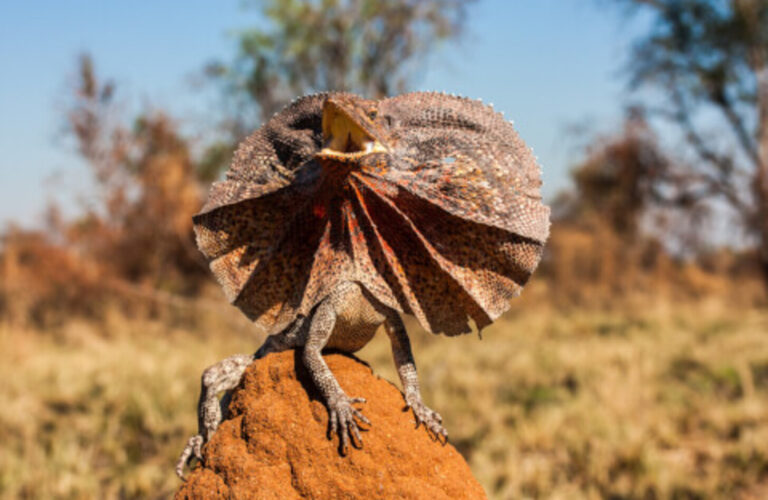
    Why Did Japan Fall In Love With The Frill-necked Lizard?

    なぜ日本はエリマキトカゲに夢中になったのか? Few Aussie animals have captured Japan’s imagination quite like the frill-necked lizard. For a brief moment in the 1980s, this remarkable reptile became one of Japan’s biggest stars. But why did one unusual Australian lizard become a household name nearly 7,000 kilometres from home? オージーの動物の中でも、1980年代に日本中を熱狂させた存在があります。それがエリマキトカゲです。なぜ、この少し変わったトカゲが遠く離れた日本で国民的人気を集めたのでしょうか。 An Unusual Aussie ちょっと変わったオージー Australia is famous for unusual wildlife. Kangaroos hop. Koalas sleep. But the frill-necked lizard does something completely different. When threatened, it spreads the large frill around its neck, opens its mouth wide and dashes away on its back legs. It’s one of nature’s most unforgettable displays. ちょっと変わったオージー オーストラリアには、不思議な動物がたくさんいます。 カンガルーは跳び、コアラは眠り続けます。 しかし、エリマキトカゲはまったく違います。 危険を感じると首の大きな襟を広げ、口を大きく開け、後ろ足だけで走ることがあります。 一度見たら忘れられない姿です。 The Commercial That Changed Everything すべてを変えたテレビCM In 1984,…

  • Fantastic Flowers!

    Blessed with great company, brilliant sunshine and time, Kangaeroo got to enjoy the unexpected pleasure of HANA BIYORI. HANA BIYORI is a new type of botanical garden that forms part of the sprawling entertainment complex centered around Yomiuriland in the Tokyo suburb of Inagi. HANA BIYORI was a delight simply to see all the vibrant spring flowers in bloom in a pretty park with lots of greenery, water and the occasional spectacular view. The site also has a magnificent projection mapping show on the half-hour every hour during operation. Also on site are stores with some interesting house plants on sale (mostly beautiful but overpriced), a Starbucks coffee shop that…

  • | | | |

    Kangaroo Cooking…Roo Meat: It’s Tasty if Ya Cook It!

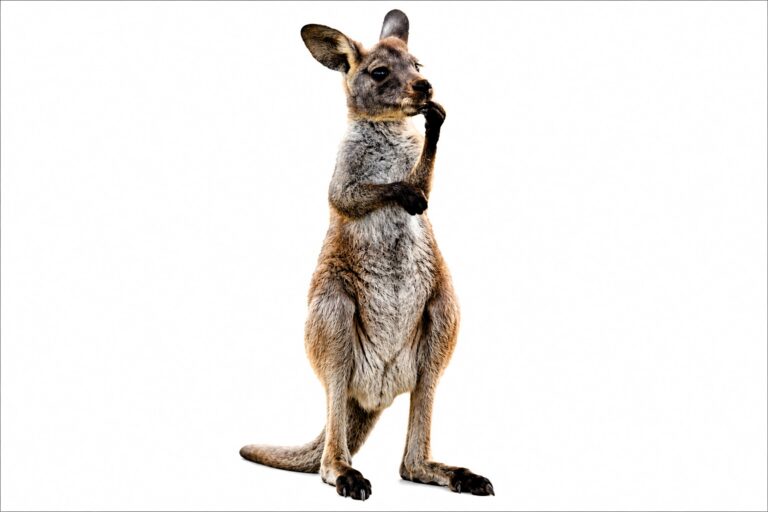
    Japanese have been legally eating kangaroo for longer than most Australians. Kangaroo meat was imported to Japan and being served in Tokyo restaurants from 1988, five years before meat from the national symbol was legalized for consumption by Australians in all states other than South Australia, where kangaroo could be eaten legally from 1980. (Indigenous Australians had continued eating kangaroo, a traditional food, regardless of the ban.) Despite the head start, kangaroo meat never really kicked on in Japan, despite its reputation for being a healthy, high-protein, low-fat alternative to beef or pork. RooMeat was promoted in Japan as being a preferred choice of athletes and models, but the “stars”…

  • |

    What’s The History of Sister City Relationships Between Australia And Japan?

    日豪の姉妹都市交流はいつ始まったのか? Long before exchange students, social media and Zoom meetings, two communities decided they wanted to become friends. Their decision sparked a movement that now links more than 100 Australian and Japanese cities and has brought hundreds of thousands of people together. 留学やSNS、オンライン会議が普及するずっと前、オーストラリアと日本の二つの町は「友達になろう」と決めました。その小さな決断は、今では100を超える姉妹都市交流へと発展し、何十万人もの人々を結び付けています。 One of the World’s Earliest Connections 世界でも早い時期に始まった交流 Australia and Japan’s first sister-city relationship was established in 1963 between Lismore, New South Wales, and Yamatotakada, Nara Prefecture. Only eighteen years had passed since the end of the Second World War. Choosing friendship over history was a remarkable act of goodwill. 世界でも早い時期に始まった交流 日豪初の姉妹都市提携は、1963年にニューサウスウェールズ州リズモア市と奈良県大和高田市の間で結ばれました。 第二次世界大戦の終結から、まだ18年しかたっていませんでした。 過去ではなく未来を選んだ、象徴的な出来事でした。 It Was About People 主役は市民だった The idea wasn’t driven by national governments. Instead, local…

  • Koala-ified for Anything

    Tokyo is a city full of surprises. And that is the least surprising aspect of the world’s largest city. Kangaeroo got a pleasant surprise yesterday while pottering through the backstreets of Shinjuku, one of the Japanese capital’s many sub-capitals. For some reason, Lord alone knows why, there was a statue of a koala and her joey in a pocket-stamp sized park in Shinjuku. Japan had something of a mini-love affair with koalas in the mid-1980s when Australia successfully sold itself as a tourist destination to more gullible markets and then got greedy with price gouging to compliment the traditionally abysmal service. Remnants of that adoration for koalas survive to this…