
ファイティング原田が豪州人と世界戦負けたがオーストラリア人のハートを勝ち取った
 ジョニー・ファメションは、1970年に2人目のオーストラリア人として世界タイトルマッチでファイティング原田を破ることになった。
Johnny Famechon would become the second Australian to defeat Masahiko “Fighting” Harada in a world title boxing match in 1970.
ジョニー・ファメションは、1970年に2人目のオーストラリア人として世界タイトルマッチでファイティング原田を破ることになった。
Johnny Famechon would become the second Australian to defeat Masahiko “Fighting” Harada in a world title boxing match in 1970.

ファイティング原田対リオネル・ローズの1968年2月東京での世界バンタム級タイトル戦が続く、、、 The February 1968 world bantamweight title fight between Lionel Rose and Masahiko “Fighting” Harada continues in Tokyo…
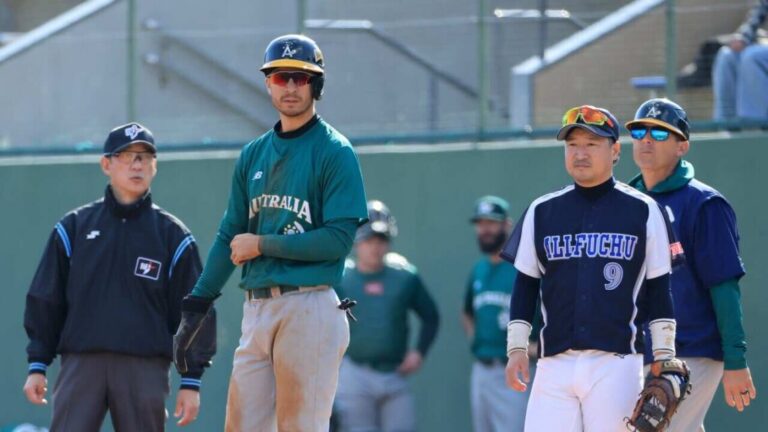
なぜ日本のプロ野球チームはオーストラリアでキャンプを行うのか? Every February and March, Japanese professional baseball teams head south instead of north. Why? The answer isn’t simply sunshine. Behind Australia’s growing role in Japanese baseball lies a story of friendship, trust and a shared love of the game. 毎年2月から3月にかけて、日本のプロ野球チームは北ではなく南へ向かいます。その理由は、暖かい気候だけではありません。オーストラリアでのキャンプには、野球を通じて育まれた日豪の友情と信頼の物語があります。 More Than Sunshine 暖かさだけではない When winter grips Japan, Australia is enjoying late summer. That makes it an ideal place for pre-season training. But sunshine alone doesn’t explain why Japanese teams keep returning. They come because Australia offers first-class facilities, quality opposition and communities that welcome them year after year. 暖かさだけではない 日本が冬を迎える頃、オーストラリアは夏の終わりです。 そのため、春季キャンプには最適な環境となります。 しかし、日本の球団が何度も訪れる理由は気候だけではありません。 充実した施設、実戦相手、そして温かく迎えてくれる地域の人々がいるからです。 Building Baseball Friendships 野球がつないだ友情 Training camps create more than fit players. They create friendships. Local…

「サイコ」、「騎士死ね!」と「オッズ、<フランスの>カレー夏の日々」が豪出身俳優ヒュー・ジャックマン氏が「ウルヴァリン」シリーズ映画撮影のためこの頃来日した際使えた日本語のヒントだった。「最高」、「大ジョッキー」と「お疲れ様です」を示すがジャックマン氏が使用した英語版ヒント・シートには日本語の発音を近づくために使った英語の言葉が上記の意味となる! “Psycho,” “Die Jockey!” and “Odds Calais Summer Days” were some of the phrases given on a Japanese language cheat sheet Hollywood heartthrob Hugh Jackman used recently in Japan while here to film the latest installment of the Wolverine movies. Far from being anything sinister, though, Psycho was the description given for saiko, awesome, great, outstanding, the best, Die jockey! the rendition of dai jokki, a large beer glass, and Odds Calais Summer Days, which sounds something akin to a vacation on the French coast, but actually refers to otsukaresamadesu, a largely meaningless phrase used to encourage or praise a colleague upon completing a task and that literally translates…

Ronnie Biggs and the Great Train Robbery were pretty well-known among my generation of Australians growing up, and recognition of the famous long-term fugitive was enough in Japan for his 2014 death to be widely reported. What is less established, however, is that both Japan and Australia have a much closer connection to the crook than many in either country know. Biggs was one of a gang of about 16 people who carried out the Great Train Robbery in 1963, making off with 2.61 million pounds (worth about 12.16 billion yen today). Biggs used his share of the haul to pay for almost 40 years on the run, most famously…
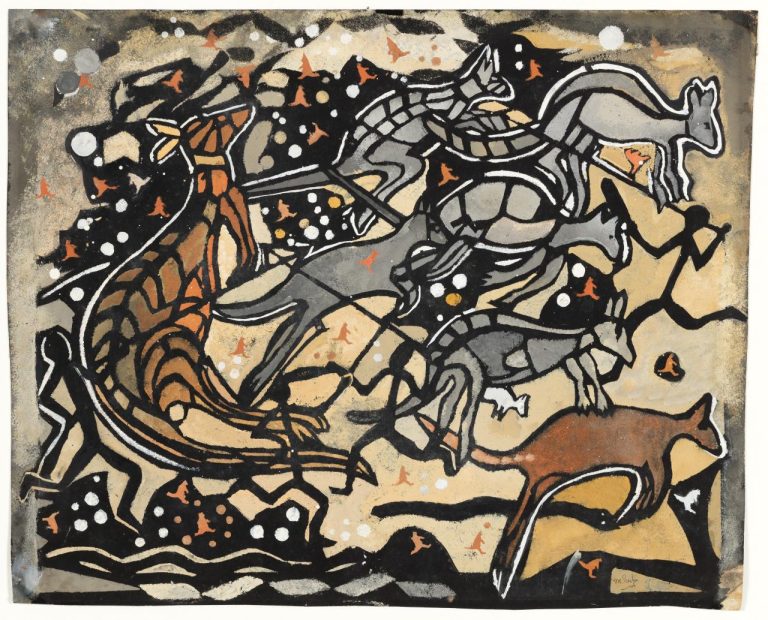
浮世絵と豪州の自然が出会う時はマーガレット・プレストン展 浮世絵の技法でオーストラリアを描いた女性画家 How Japanese Ukiyo-e Helped Margaret Preston Paint Australia オーストラリア独自の美術を生み出そうとした画家、マーガレット・プレストン(1875–1963)。その革新的な作品を一堂に集めた大規模回顧展が、メルボルンのビクトリア国立美術館(NGV)で開催中だ。 How do you create an artistic identity for a country without simply copying Europe? For Australian modernist Margaret Preston (1875–1963), part of the answer lay in Japan. アデレード生まれのプレストンは、英国やヨーロッパで美術を学び、日本の浮世絵をはじめとするさまざまな芸術に影響を受けた。1919年にシドニーへ戻ると、ヨーロッパの伝統をなぞるのではなく、オーストラリアならではの視覚表現を追求するようになる。 Born in Adelaide, Preston studied art in Australia before travelling extensively through Britain and Europe. There she encountered modern artistic movements and developed a lasting interest in Japanese ukiyo-e woodblock prints. Returning to Sydney in 1919, she set out to develop a distinctly Australian visual language. その大きな手がかりとなったのが浮世絵だった。遠近法に頼りすぎず、平面的な色面を大胆に組み合わせ、画面の端でモチーフを思い切って切り取る。プレストンはこうした技法を木版画に取り入れ、オーストラリア固有の花々や鳥、シドニー湾の風景を鮮やかに表現した。日本の伝統的な版画技法が、ユーカリの葉やオーストラリアの野花を描くための新しい言葉になったのだ。 Ukiyo-e offered her a fresh way to see the world. Rather than relying on conventional Western perspective, Japanese prints often use flattened space, strong…
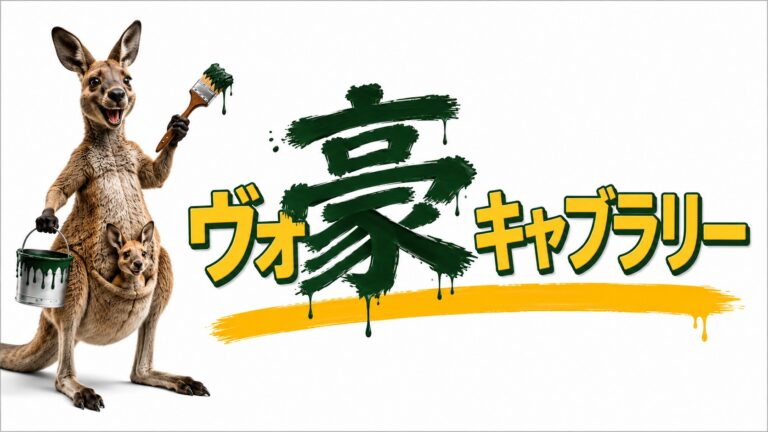
11月11日。オーストラリアを含めて英国連邦各国では「リメンバランス・デー」として、第1次世界大戦の犠牲者をしのぶ日だ。(ちなみに、オーストラリアでは1975年のこの日に、イギリス国王の代表が選挙で選ばれた総理大臣を突然解任した――なんて出来事もあったけど、それはまた別の話。) 今年のリメンバランス・デー、SNSのタイムラインを眺めていたら、心に残る素敵な話に出会った。 考えRooはオーストラリア人だけど、人生のほとんどを日本で過ごしてきた。だから戦争の話、特に第2次世界大戦になると、立場がちょっと難しい。正直、あまり話題にしたくないテーマでもある。 でも長く日本に住むうちに、オーストラリアと日本の戦争の歴史は、単純に「善と悪」で割り切れるものじゃないと感じるようになった。 そう話すと、どちらの国の人にも嫌な顔をされることがあるけれど、結局思うのは――ただただ、悲しいということ。 本当は、オーストラリアと日本って相性がいいんだ。 お互いの強みが見事にかみ合うのに、歴史の中には悲しみや痛みがたくさんあって、それを一番背負ったのは、普通に生きようとしていた人たちなんだと思う。 ……ちょっと語りすぎたかな。話を戻そう。 今年のリメンバランス・デーに出会った物語は、「マリオ・タカサカ」氏とという一人の男の話だった。 タカサカ氏は日系オーストラリア人で、第2次世界大戦中、オーストラリア軍の兵士として勇敢に戦った人だ。日系ディガーである。 日系の人がオーストラリアのために戦ったという話を聞いたのは、これが初めてだった。 当時のオーストラリアには、少しだけ日系の人がいたけれど、多くは戦争中に収容されてしまった。 アメリカの「第442連隊戦闘団」みたいな有名な部隊も存在しなかった。 けれどタカサカ氏は、自分が正しいと思う道をまっすぐ進んだ。 上官も仲間も、その勇気と誠実さをしっかり認めていた。 「シュライン・オブ・リメンバランス(戦没者追悼館)」の公式サイトには、タカサカ氏の物語と、モトエ・ヒガシダ氏やジョセフ・スズキ氏といった他の日系オーストラリア人のエピソードも紹介されている。 彼らもまた、日豪のあいだに架け橋を築いた人たちだ。 考えRooはオーストラリアも日本も、どちらの国も心から愛している。 いま、こうして強い同盟関係でいられることが本当にうれしい。 そして、これからその絆がもっと深まっていくことを願っている。 だって、考えRooの経験から言わせてもらえば――日本とオーストラリアほど相性のいい国は、そうそうないから。
We use cookies to improve your experience on our site. By using our site, you consent to cookies.
Websites store cookies to enhance functionality and personalise your experience. You can manage your preferences, but blocking some cookies may impact site performance and services.
Essential cookies enable basic functions and are necessary for the proper function of the website.
These cookies are needed for adding comments on this website.
Statistics cookies collect information anonymously. This information helps us understand how visitors use our website.
Google Analytics is a powerful tool that tracks and analyzes website traffic for informed marketing decisions.
Service URL: policies.google.com (opens in a new window)