It Would be Roo-d Not to Include…

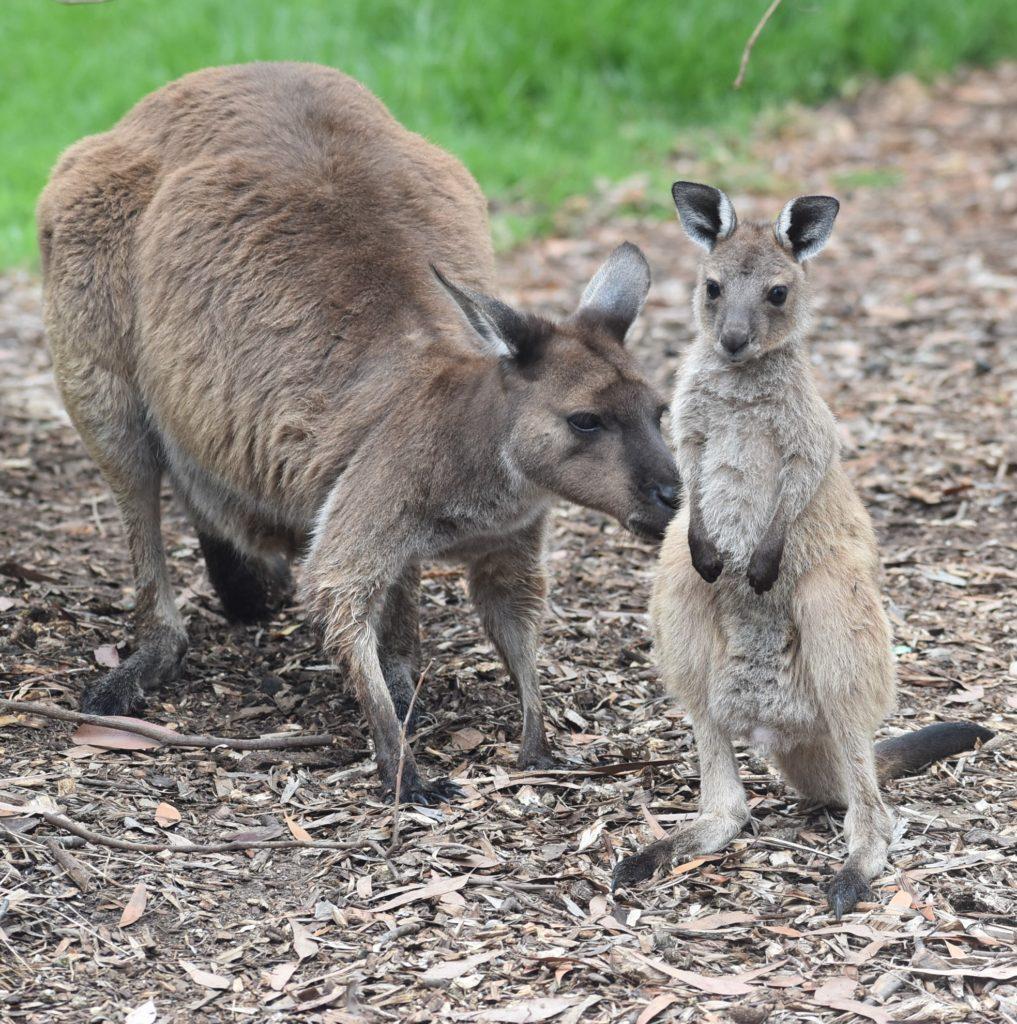
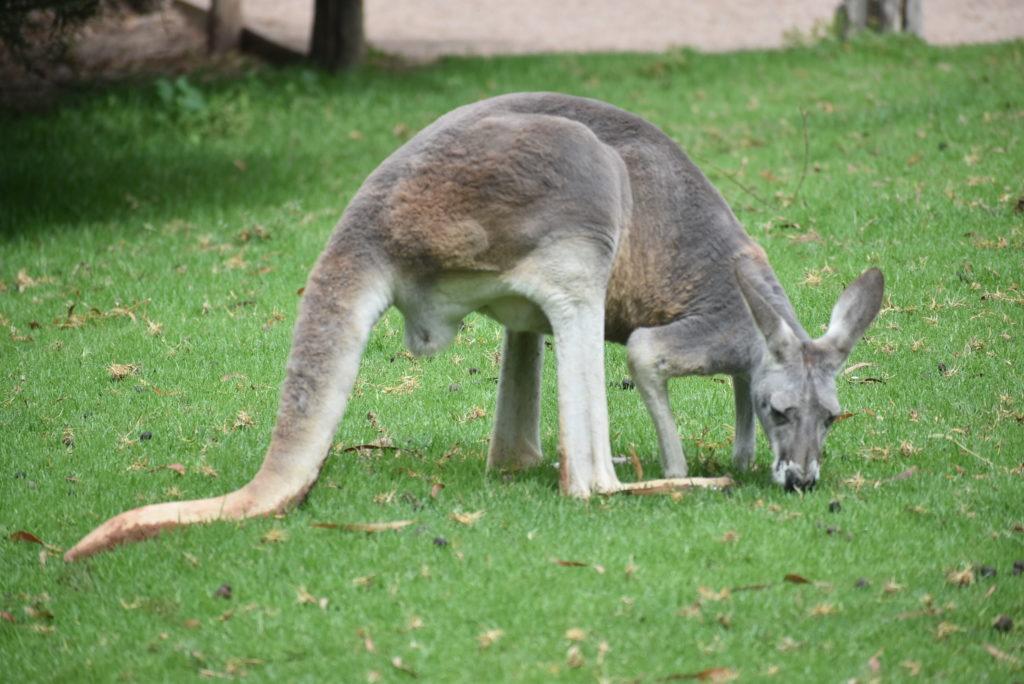
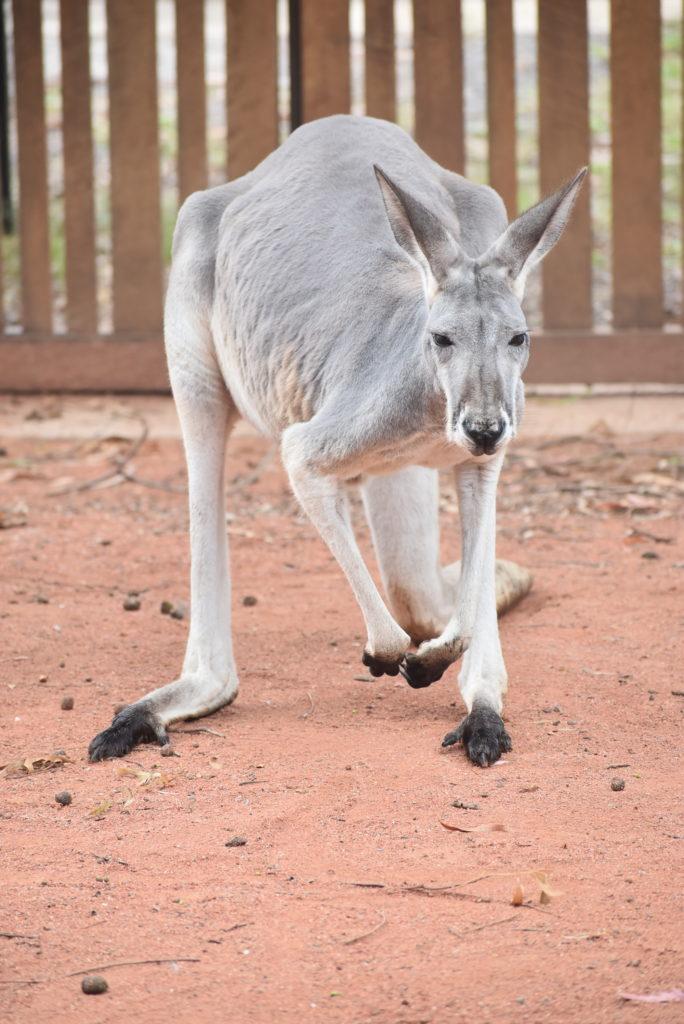
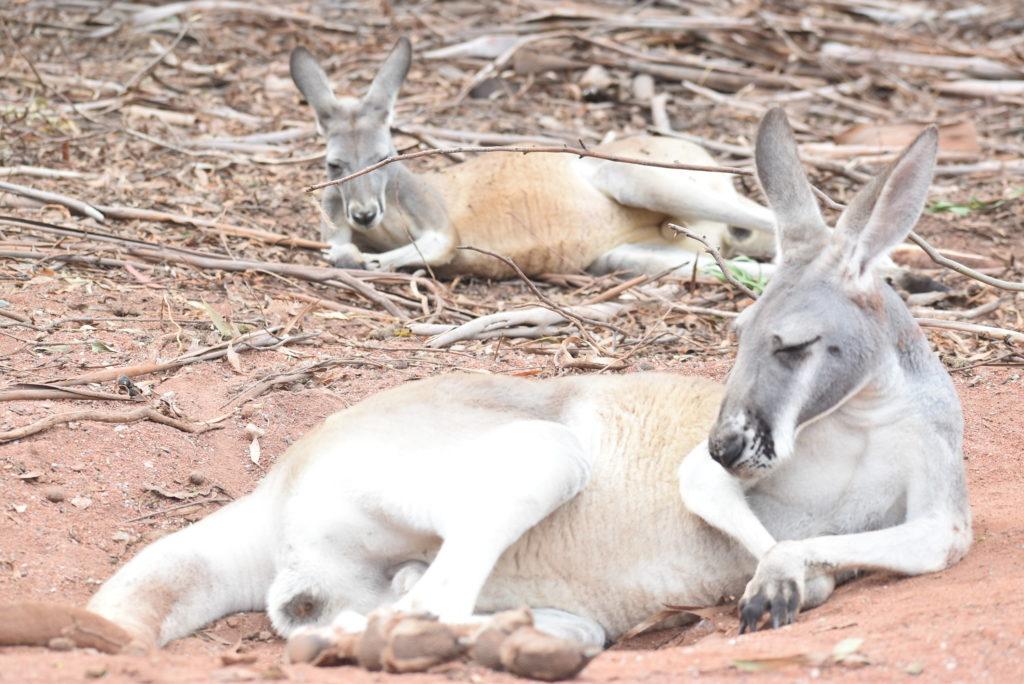
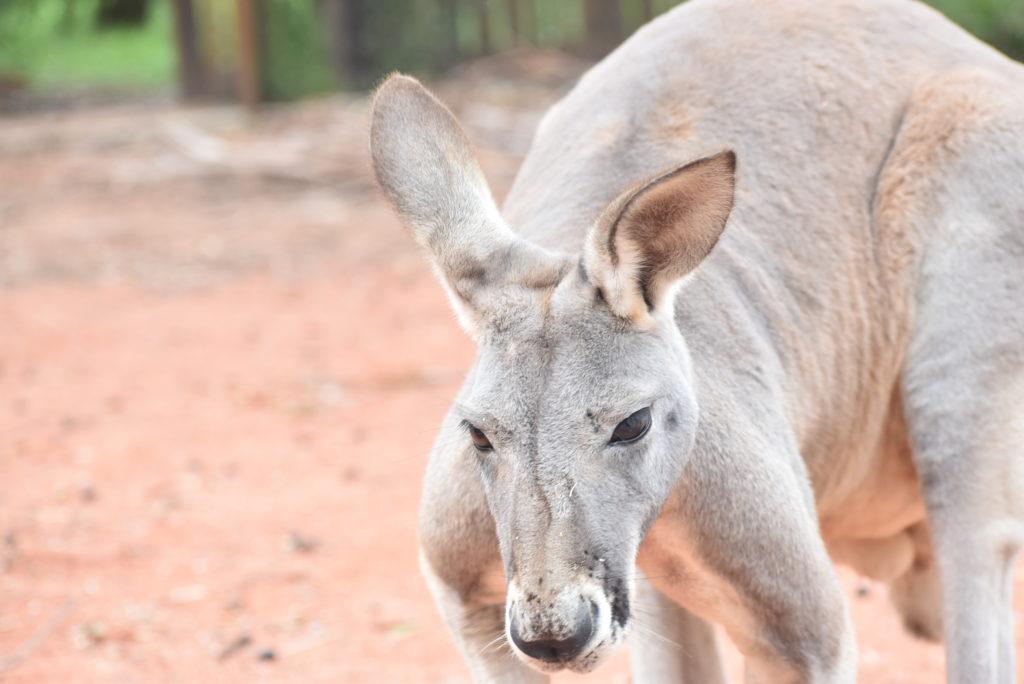
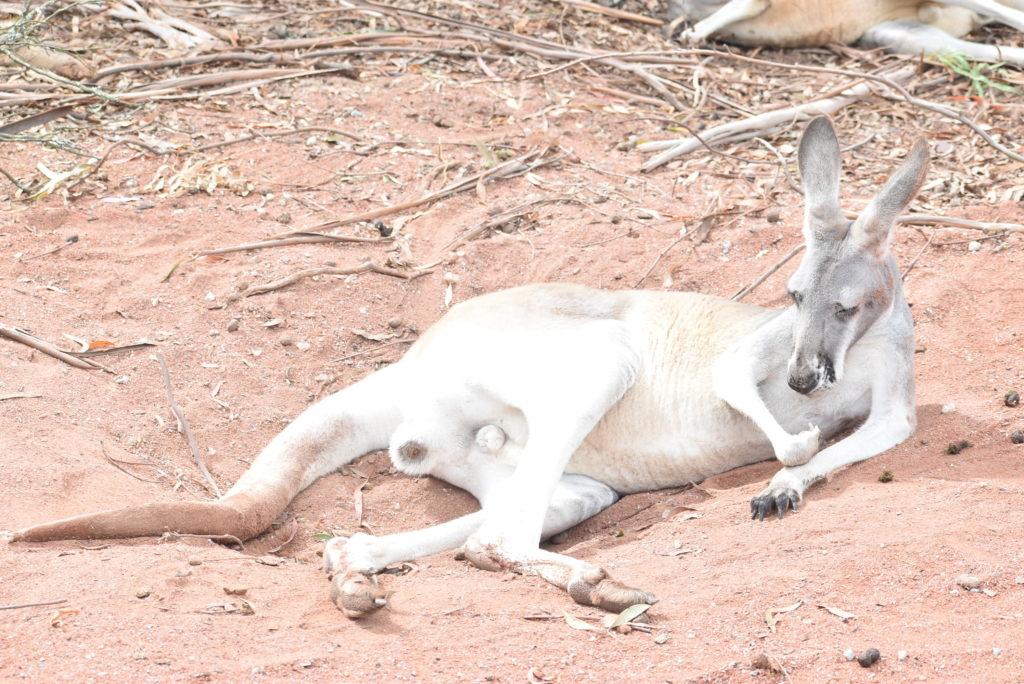
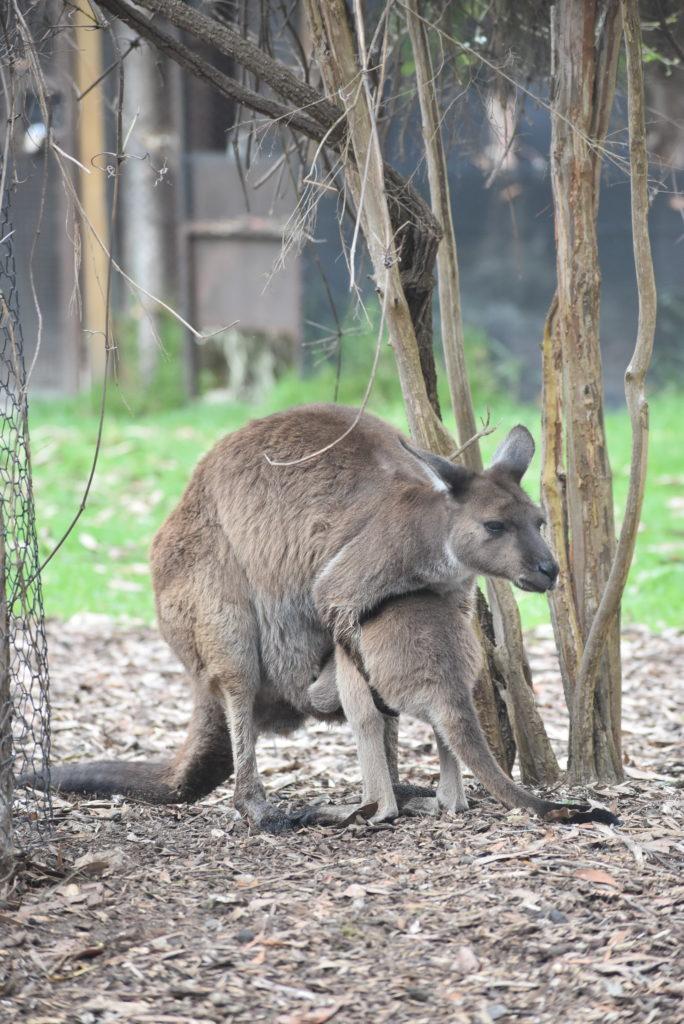
Having looked at the emu, one of the stars of the Australian coat of arms in our previous post, it would be rude not to look at the other half of the emblem, the kangaroo.

Roos are also the national animal of Australia.

And here’s a gallery of greys to help make your day.

(Of course, we shouldn’t forget that kangaroos are also the inspiration for this site, kangaeroo, the thinking kangaroo.

Cop A Gander At These Rippers Too...

  • The Strine Why Atorkin: Natchrule Strine

    Read this in Plain English/プレーン英語で読む Read this in Japanese/日本語で読む Chrissie It was getting close to Chrissie, which prompted me to chuck a sickie. I was still in the nuddy, so I slipped on some grundies. I went to light up a durry, but I’d run out and had to have a rollie. It was perfect weather and I wondered if the blokes from out Woop-Woop would be into having a barbie and lairing it up with me in Brizzie, the Big Smoke.

  • |

    洗濯物が干せる豪州象徴

    オーストラリアの象徴と言えばカンガルー、コアラ、シドニー・オペラ・ハウス、グレート・バリアー・リーフ、洗濯物が干し台のヒルズ・ホイストなどたくさんある。あら、ちょっと待って!カンガルーなどが分かるが、選択物干し台?いったい何なんだろう?まさか国の象徴じゃないだろう? いや。最初の言ったとおりだよ。ヒルズ・ホイストという選択物干し台が間違いなくオーストラリア国内では国が象徴する物の一つである。日本でのヒルズ族と一味違うヒルズなんだけどね、、、  ヒルズ・ホイストは19世紀末アデレード近くに発明し、も早オーストラリア・ニュージーランド全国に広がり、今も欧米ではよく見られる。何千万台を売れたらしい。特徴はたくさんある。まずは、高さが調整できる。そして、回転式なので、数が吹くとぐるぐる回り洗濯物が早く乾く。最新モデルは解体可能式であり、使う必要な時意外設置しないでスペースも使わないで済む。おまけ、(親が見ていない間だけど)子供たちの遊び道具にもなることが多い。土地の広いオーストラリア郊外の家のバックヤードに必ずと言っていいほどある。そのため、現代オーストラリアの象徴の一つでもある。  日本でも販売しているようで、販売元のビデオをぜひ一度見てみたらもっと分かりやすいかもしれない。

  • |

    豪キャブラリー: Strides

    オーストラリア以外の英語圏では、making stridesをいうと「大きく前に進む」という意味になるが、オージー英語では同様の意味がある上に同じ表現が「ズボンを作る」との意味になる。Strideは「大きな一歩」という意味。当然、一歩をとるのが足なので、足がズボンの中に入れるからおそらくこれがオージー英語の「strides=ズボン」の由来だろう。ズボンはdaksという独特のオージー英語の言い方もある。

  • | |

    豪キャブラリー: Sanger

    Sangerは伝説的なオージー料理であり、ほとんどのオージーにとっては欠かせない存在である。 Sangerはサンドウィッチのことだ!パンの間に何でもはさんで食べるのが学生を特にそうだけど、ほとんどのオージーの昼食になるのだ。人気ある中身はステーキのsteak sangerと国民食のVegemite sanger。 一度味見したらいかが?

  • Layabout

    A layabout in Strine is someone who avoids work, except when striving hard to avoid doing anything useful. They work hard to avoid work. Layabouts are also referred to as idlers, good-for-nothings, and–most commonly–bludgers.  ストライン(オーストラリア英語)で layabout は「働くのを避けてばかりいる怠け者」のことです。役に立つことをしないためには一生懸命になるくせに、仕事そのものは全力で避けるタイプ。日本語で言う「ぐうたら」「ろくでなし」「役立たず」、そして一番よく使われる呼び名が bludger(ブラッジャー)です。

  • |

    Lest We Forget Japan’s Role in Creating the ANZAC legend

    ANZAC Day, April 25, has become an almost holy day on the Australian calendar in the early 21st century as the country celebrates the efforts and sacrifices of its military personnel since it first went to war as a nation at Gallipoli in 1915, but few remember Japan was an ally that played a vital role in creating the ANZAC legend.  21世紀初期現在、ANZAC Day(4月25日)がオーストラリアでは、1915年に国として初めて戦争を体験したガリポリをはじめ復員兵などの努力や犠牲を称える聖なる日のような存在となっているが、そのANZAC伝説づくりに味方としての日本の大きな貢献がほとんど知られていないのだ。