Isle Idyll
On our sole shared, obligation-free holiday over the 2025 new year period, Mrs. Kangaeroo and I headed off for a day out to a nearby island.
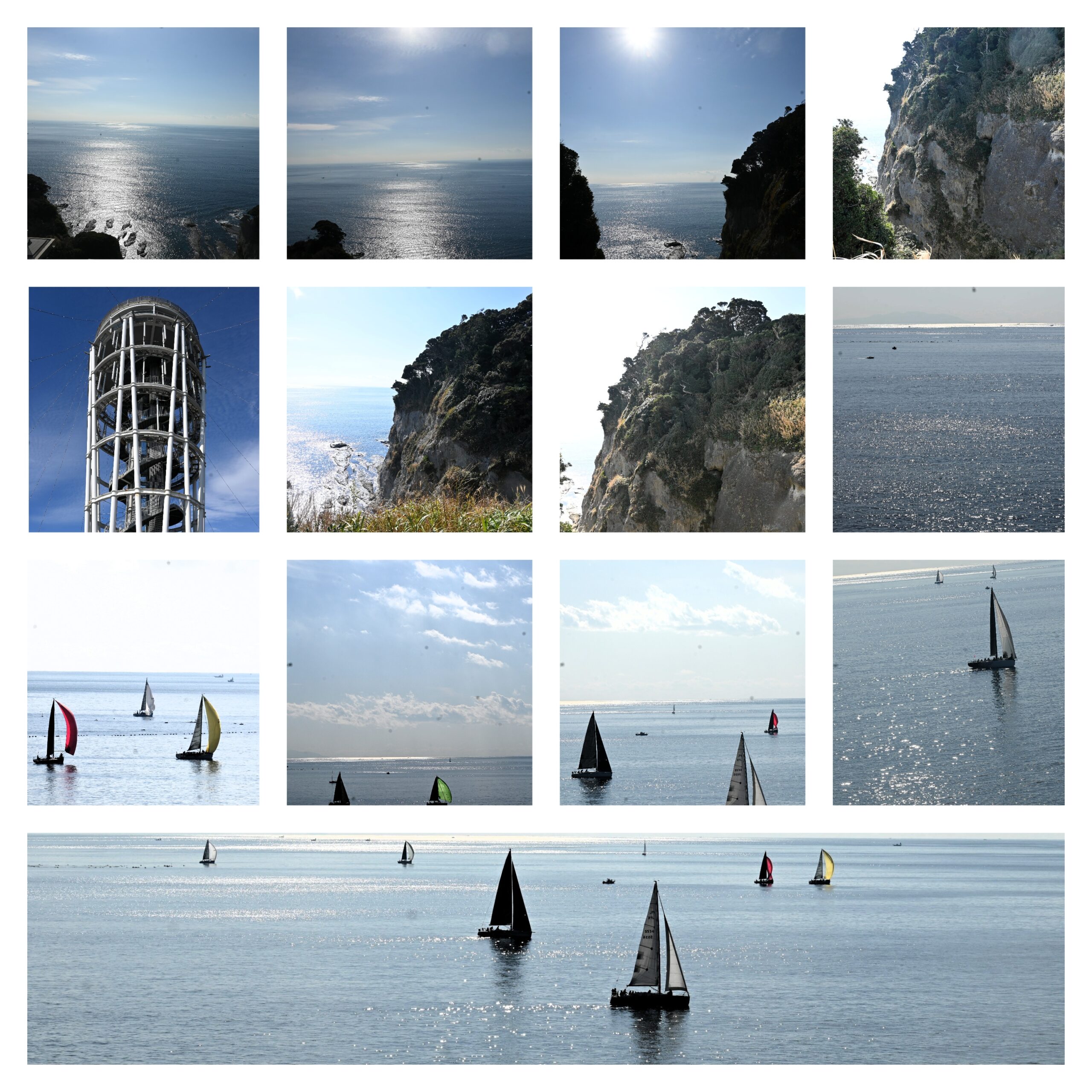
We headed to Enoshima, a short trip from our home and site of the sailing competitions for the 1964 and 2020 Tokyo Olympic Games.
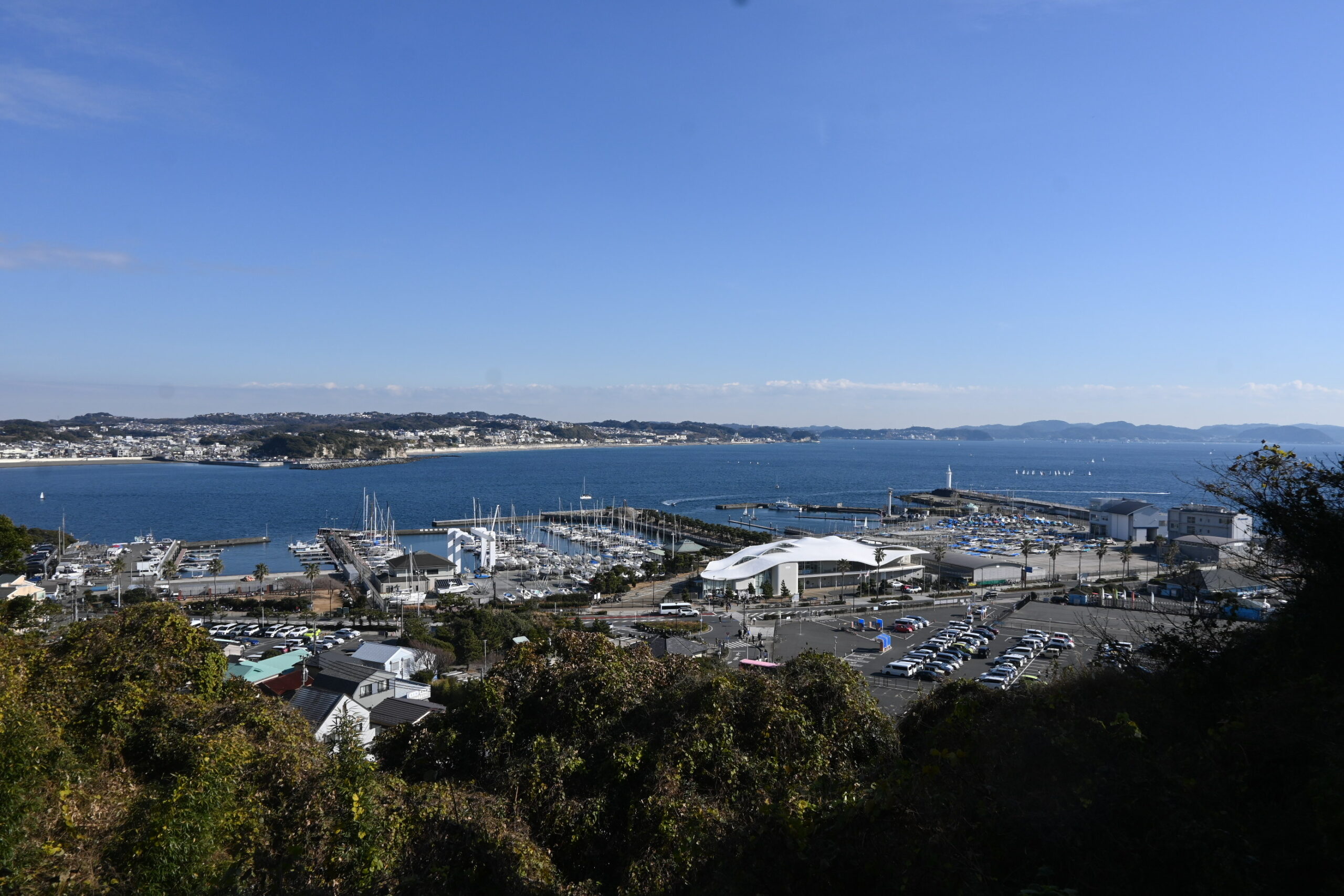
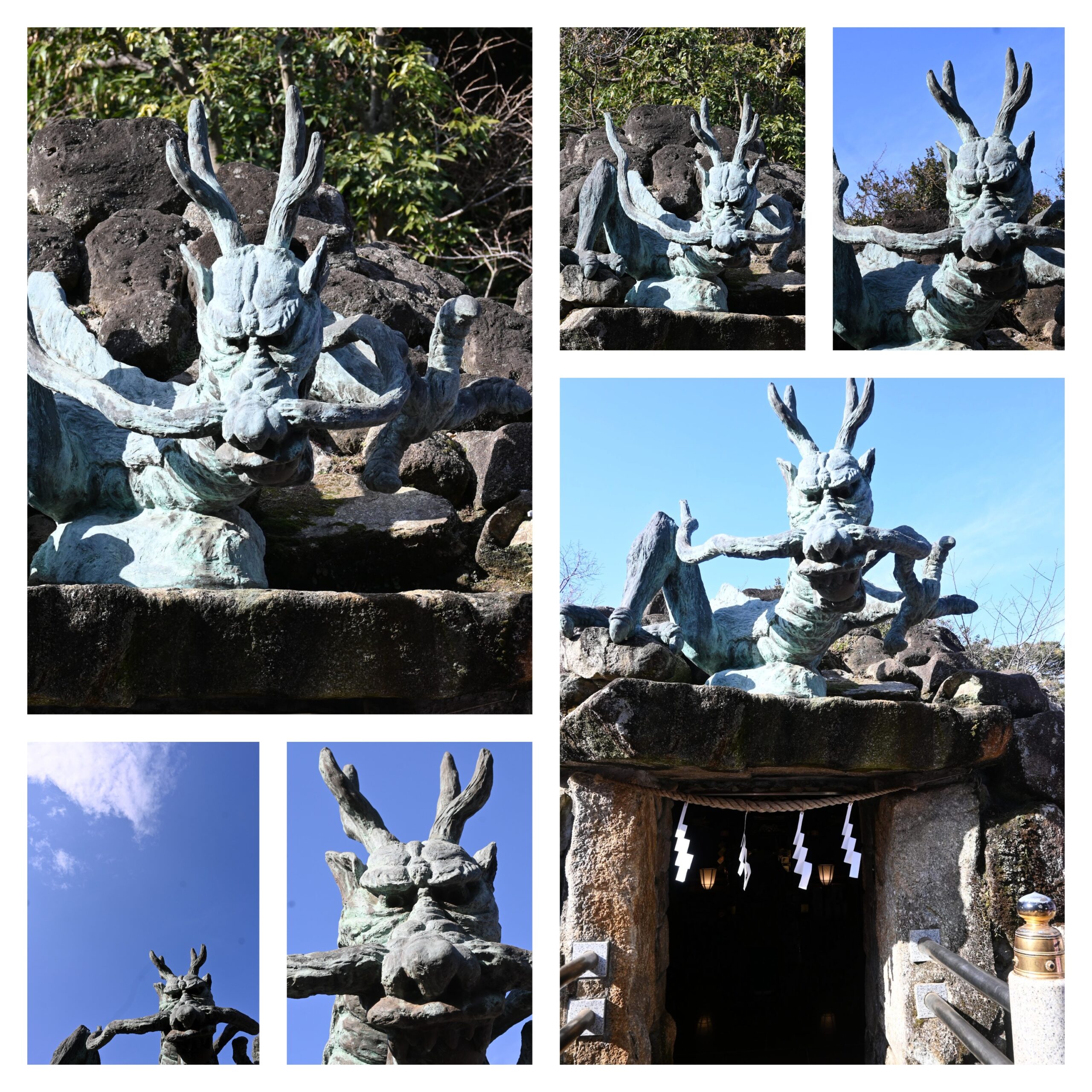
One intention was to pay a new year’s shrine visit, which is a customary Japanese tradition.
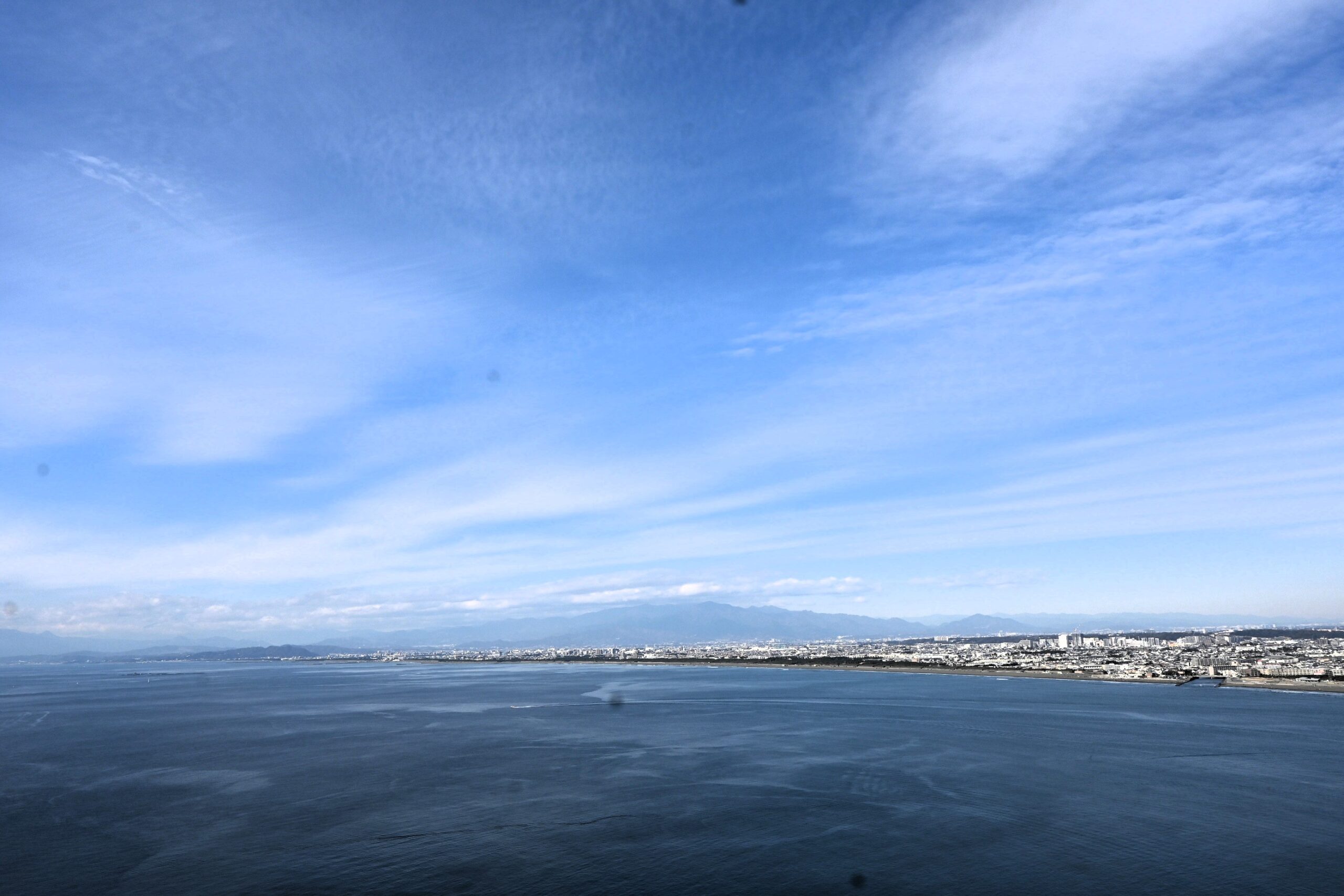
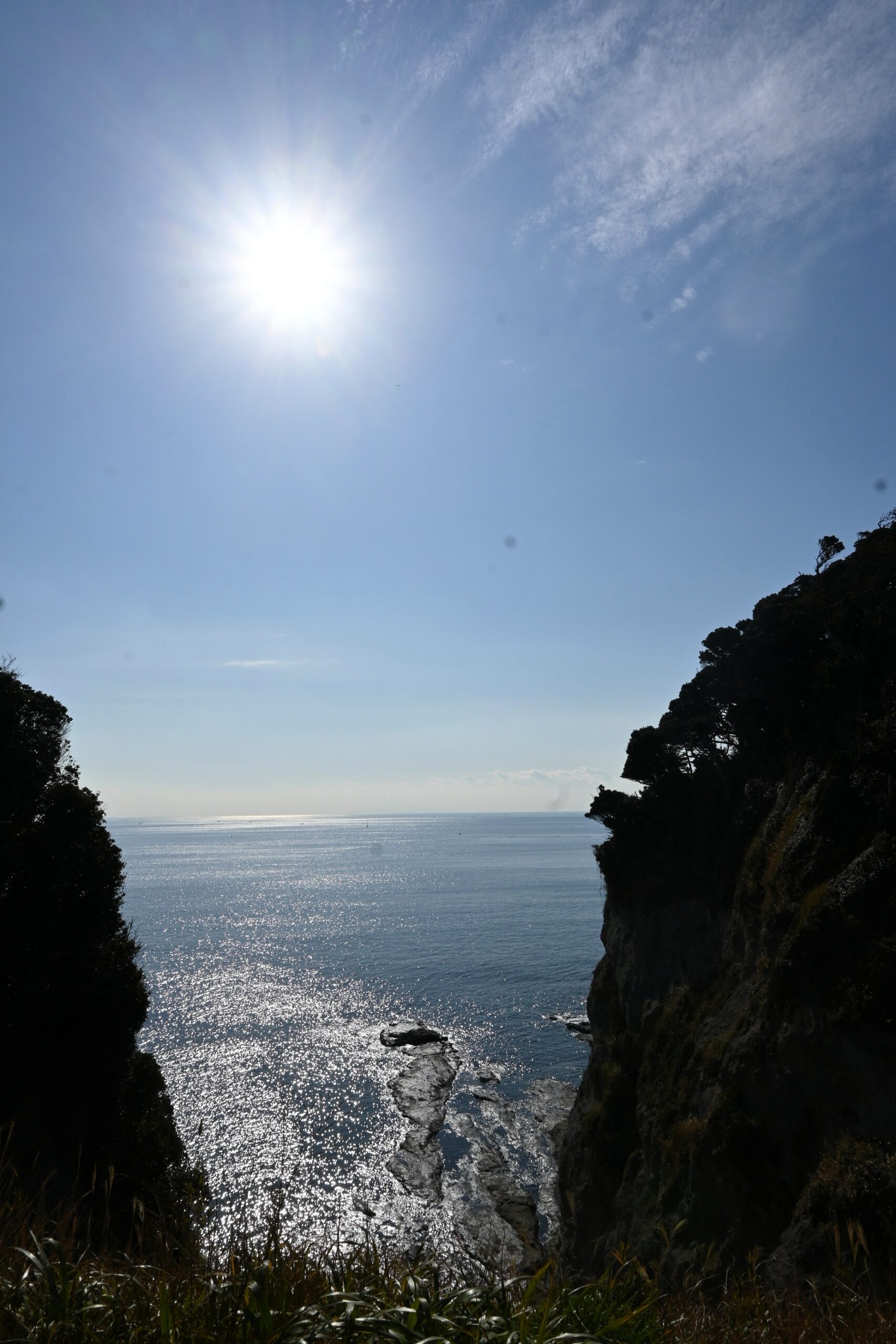
Another was to enjoy the ocean.
My new year hadn’t been the greatest.
On Boxing Day, I bent over to pat Oreo, a neighborhood border collie, and my back went on me.
It remains fiercely painful now.
And my foot that has been niggling at me for months has flared up again.
I’m feeling sore all over!
And cycling is not making things easier, as the mass of added girth from 2024 has placed an extra burden to carry when I get on the bike.
This makes me feel tireder and more drained.
And that prompts me to eat more when I get home.
And that defeats the purpose of the exercise, which is to trim up a bit.
Persistence will need to be the key.
But I am finding it excruciatingly difficult to drag myself out of bed on the cold winter mornings.
It doesn’t help when the temperature is below freezing.
Anyway, Mrs. Kangaeroo and I started our day with a walk to the station.
Our next-door neighbor in her late 70s started at the same time and was soon well off into the distance.
We were overtaken repeatedly on the roughly 20-minute journey to the station and laughed about the ravages of aging.
The trip to Enoshima was via the Odakyu Line.
It’s not one of my favorite lines as it takes forever to get anywhere and many trips require repeated changes.
We changed trains three times to get to our destination, which is just a mere 35 km from home.
It basically involved a trip halfway into central Tokyo and then turning back and heading southwest from the center of the capital.
Overland would have been an easier journey and I had originally planned to cycle.
Back pain took over, though, so train it was.
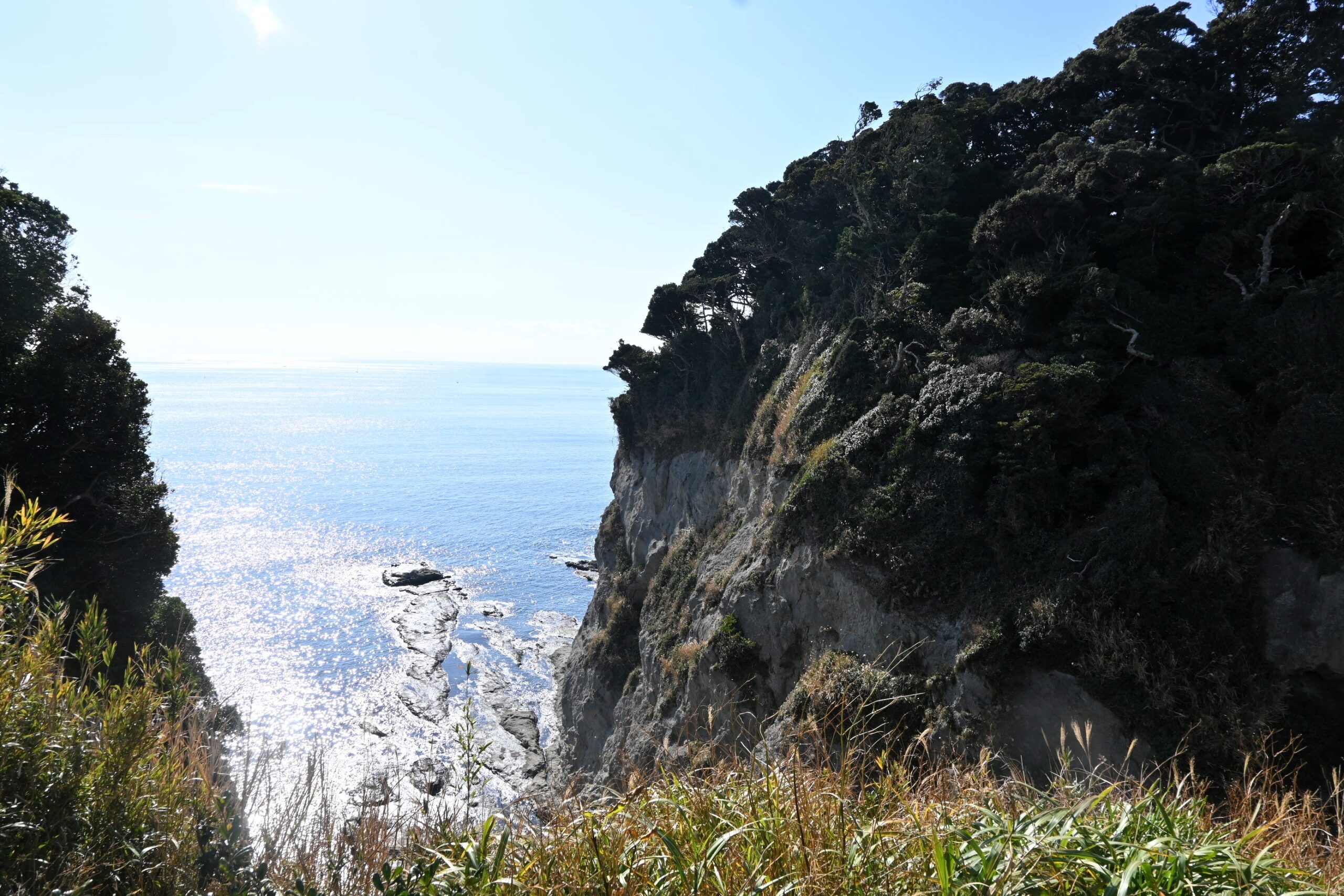
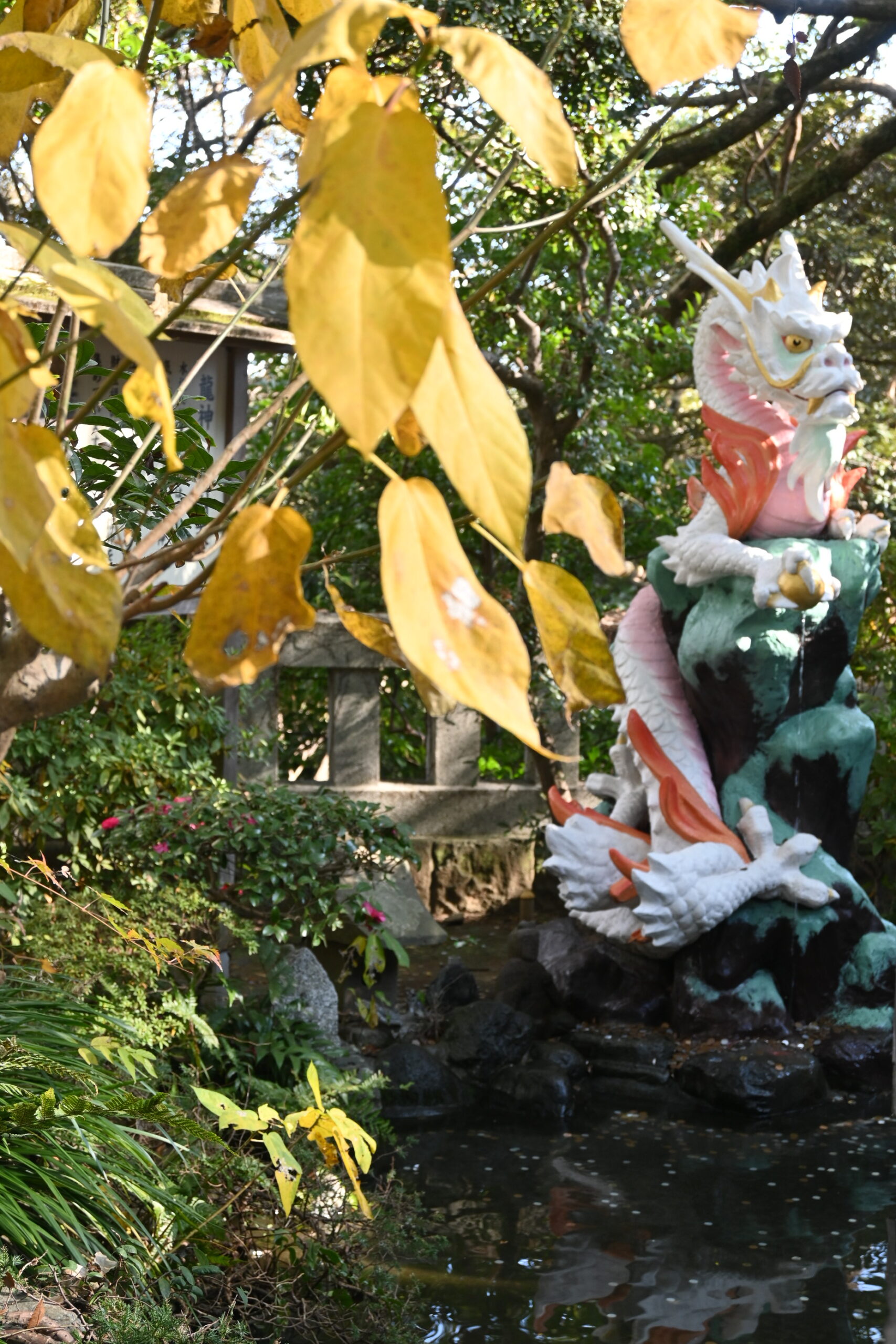
Once in Enoshima, Mrs. Kangaeroo and I headed to the top of the island’s peak, visting Enoshima Shrine and a couple of smaller shrines along the way.
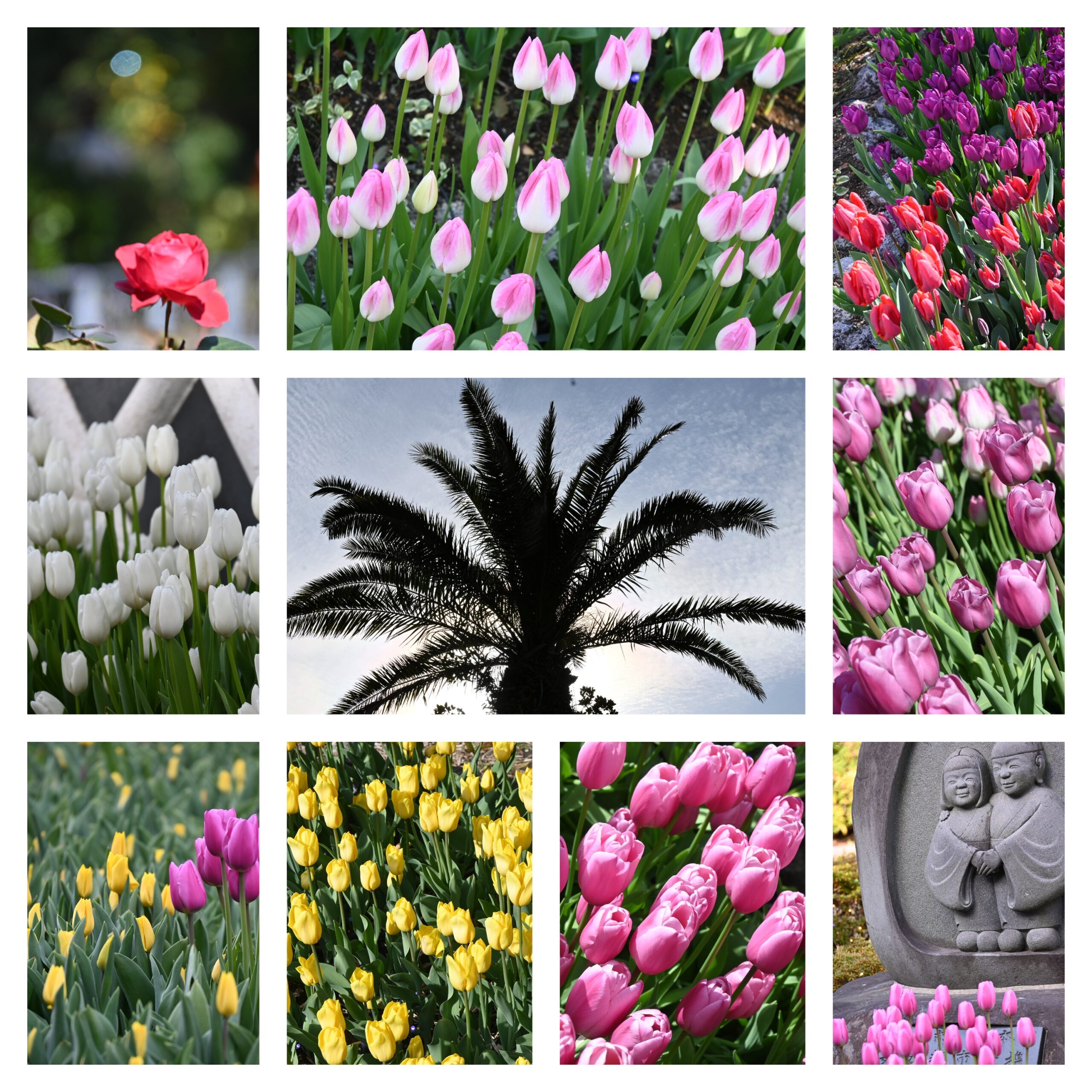
Upon reaching the island’s summit, we entered the delightful Samuel Cocking Garden, which was full of tropical plants and illumination set up for the winter.
It was an absolute delight, and we were unexepectedly greeted with a number of beds full of blooming tulips.
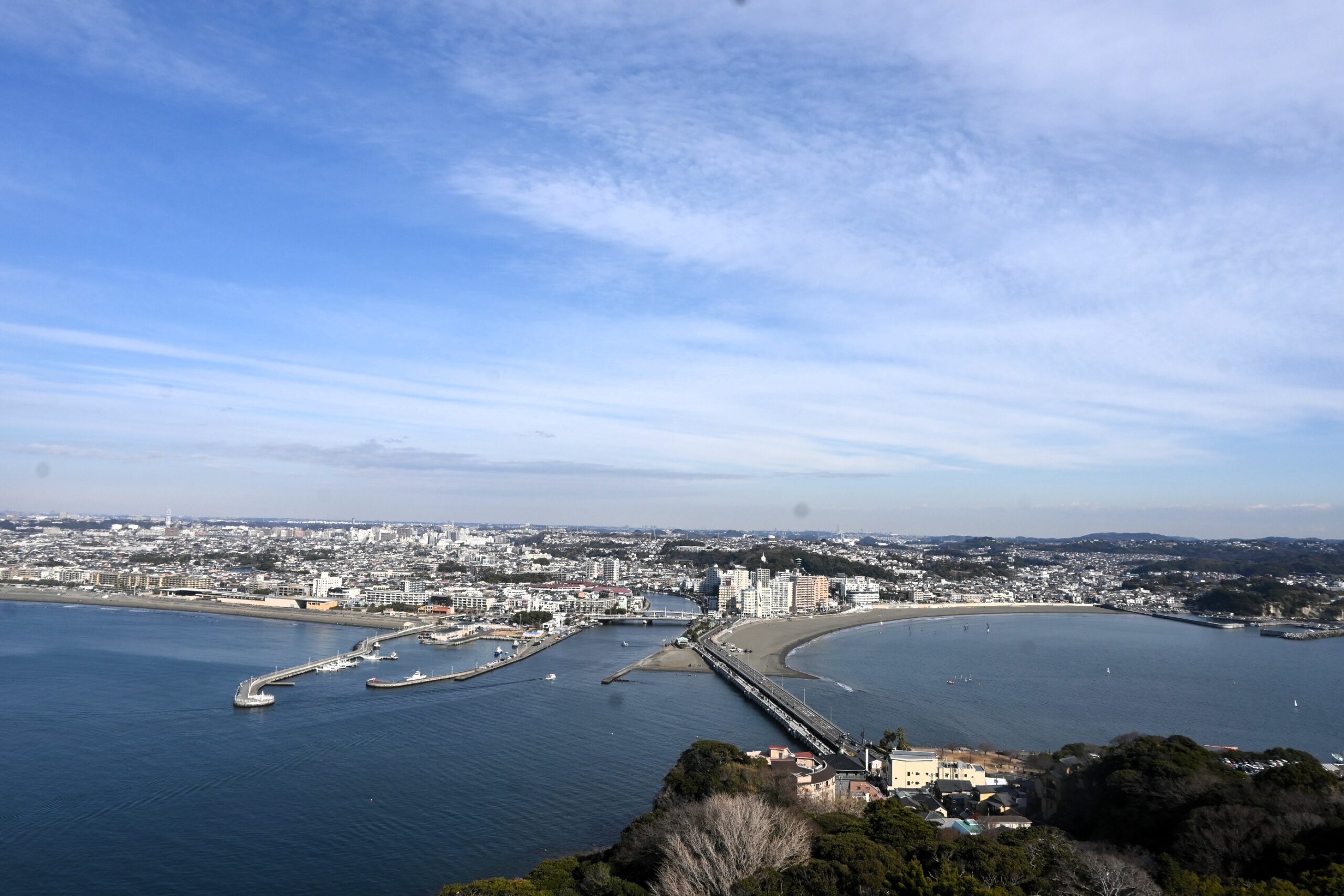
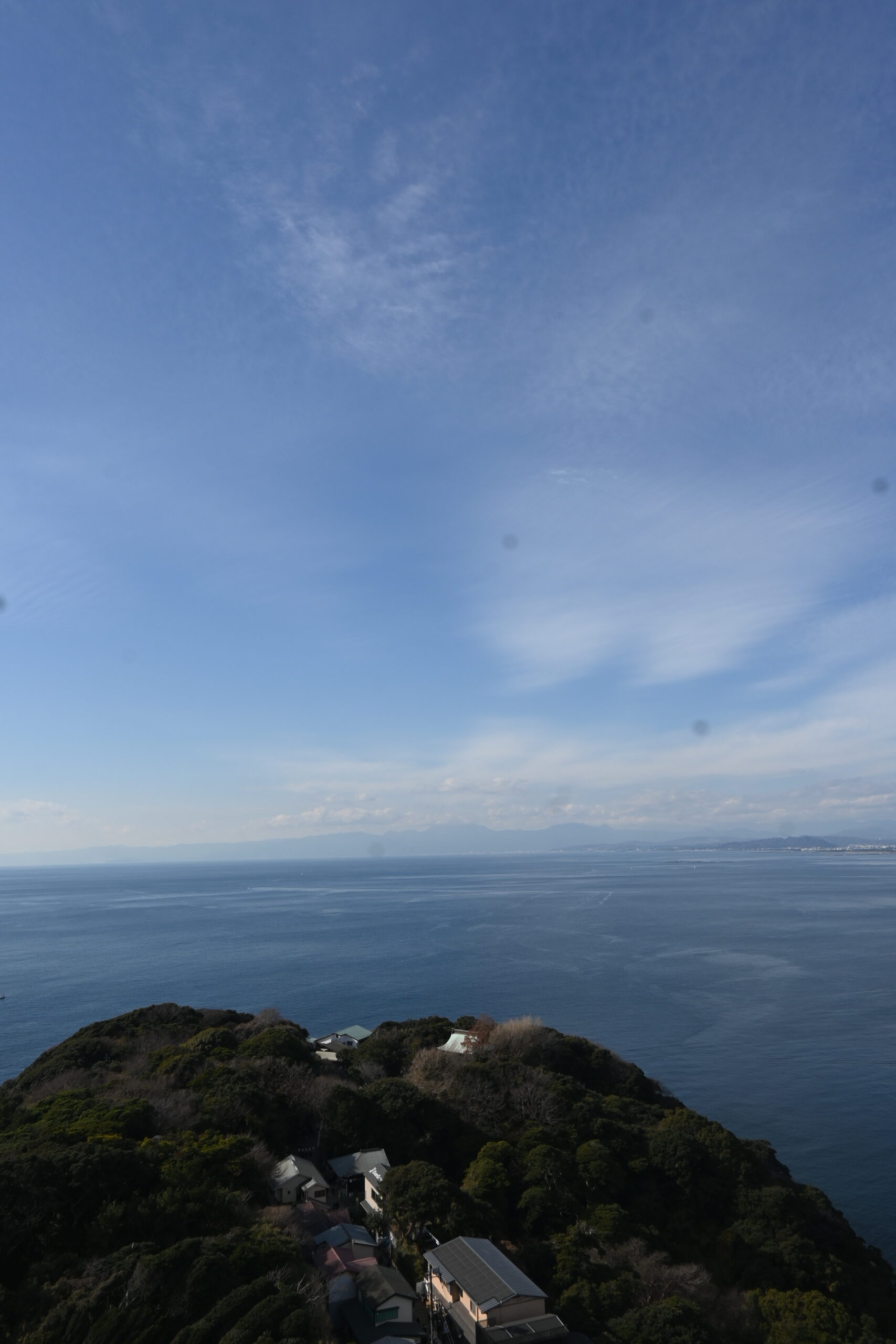
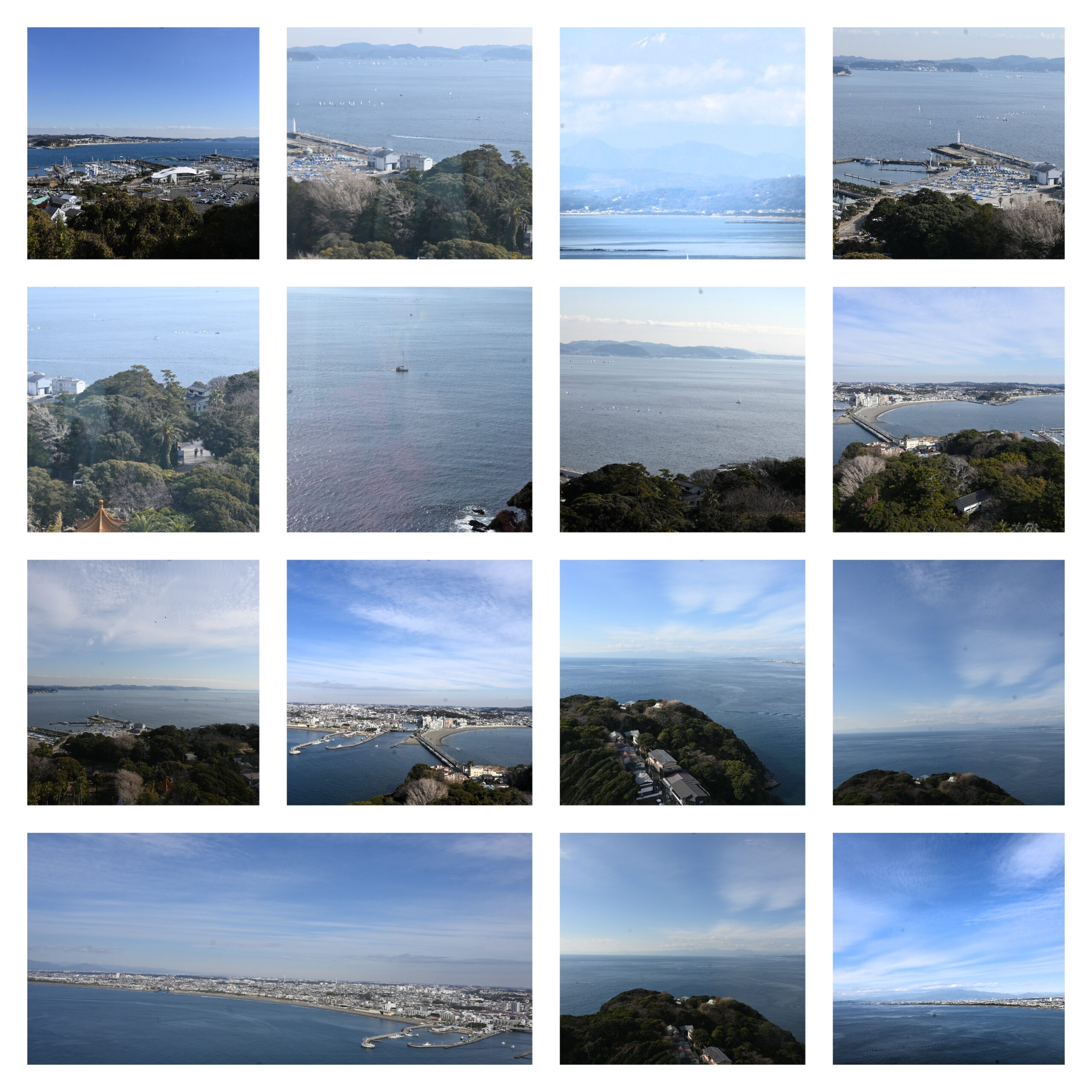
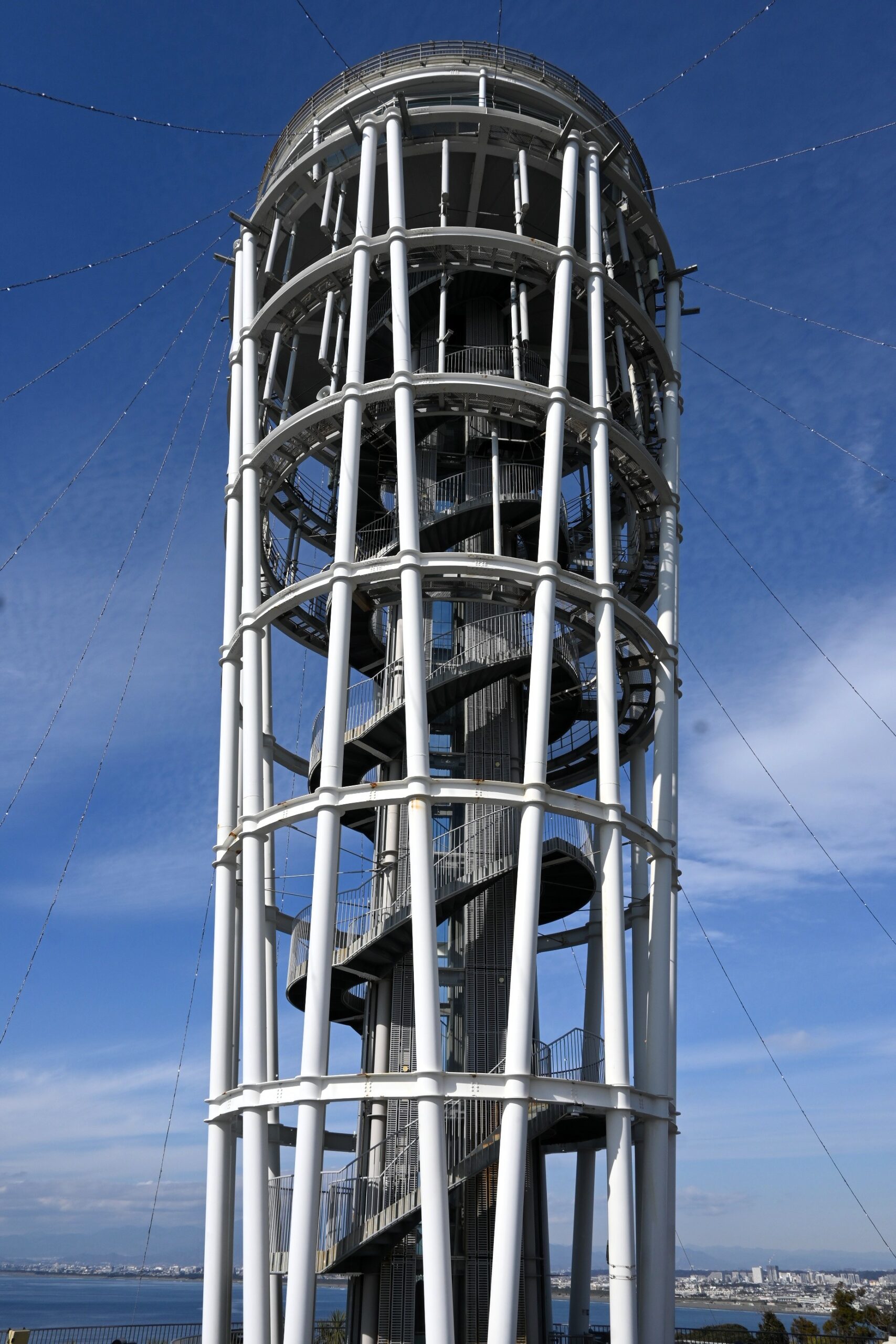
The centerpiece of the garden is the Enoshima Sea Candle, which is a large tower providing a wonderful view of Sagami Bay and the Enoshima area.
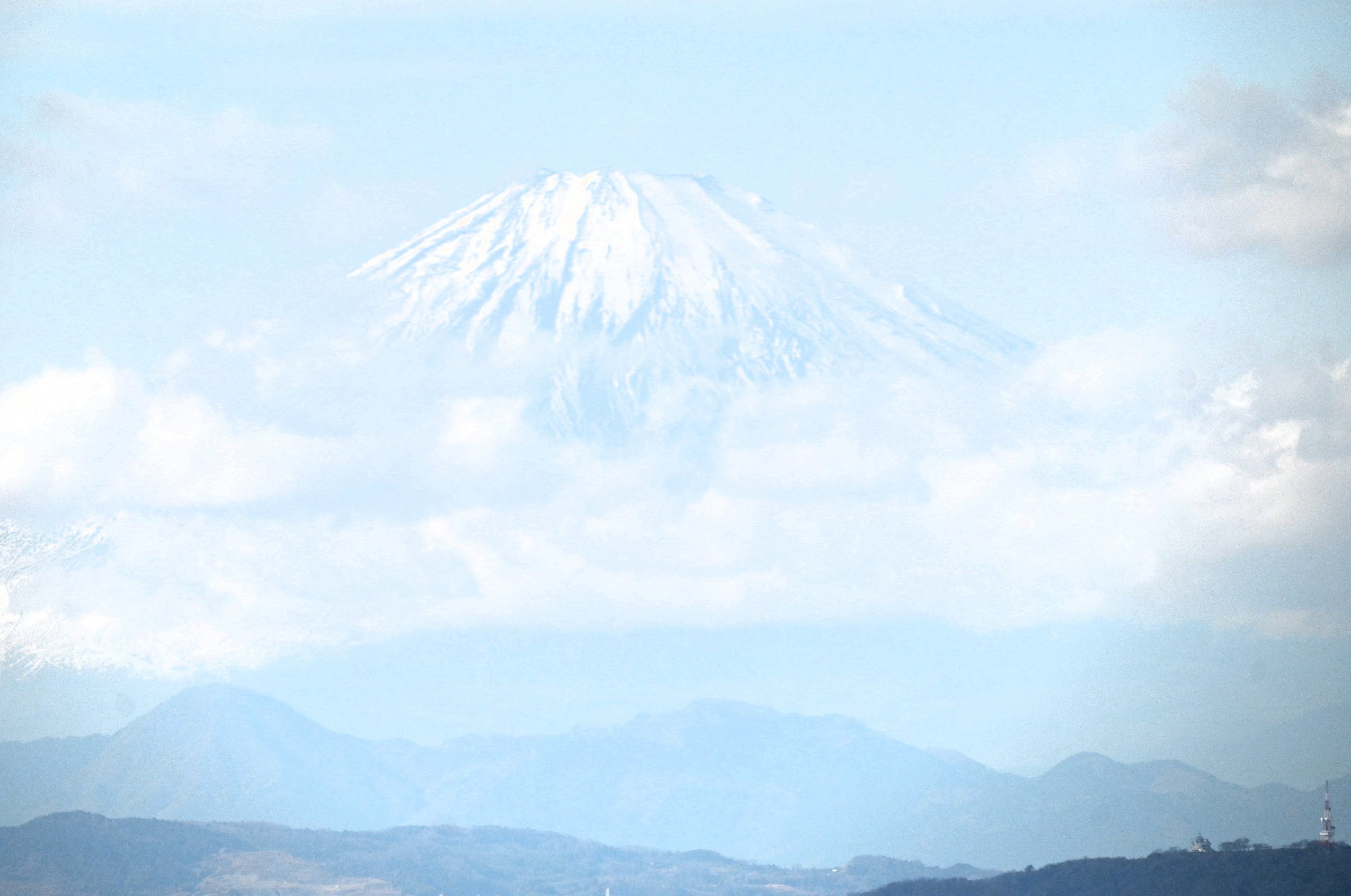
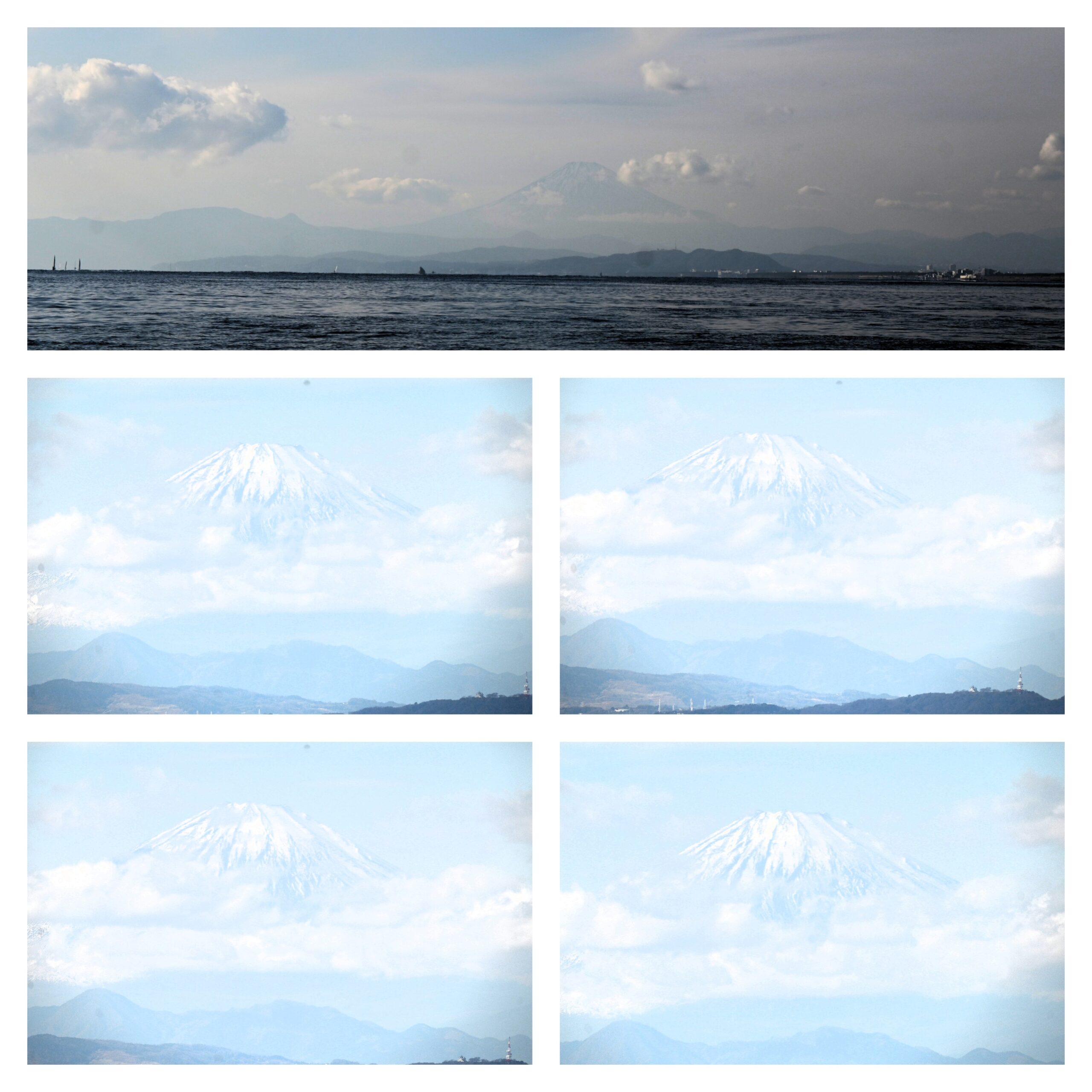
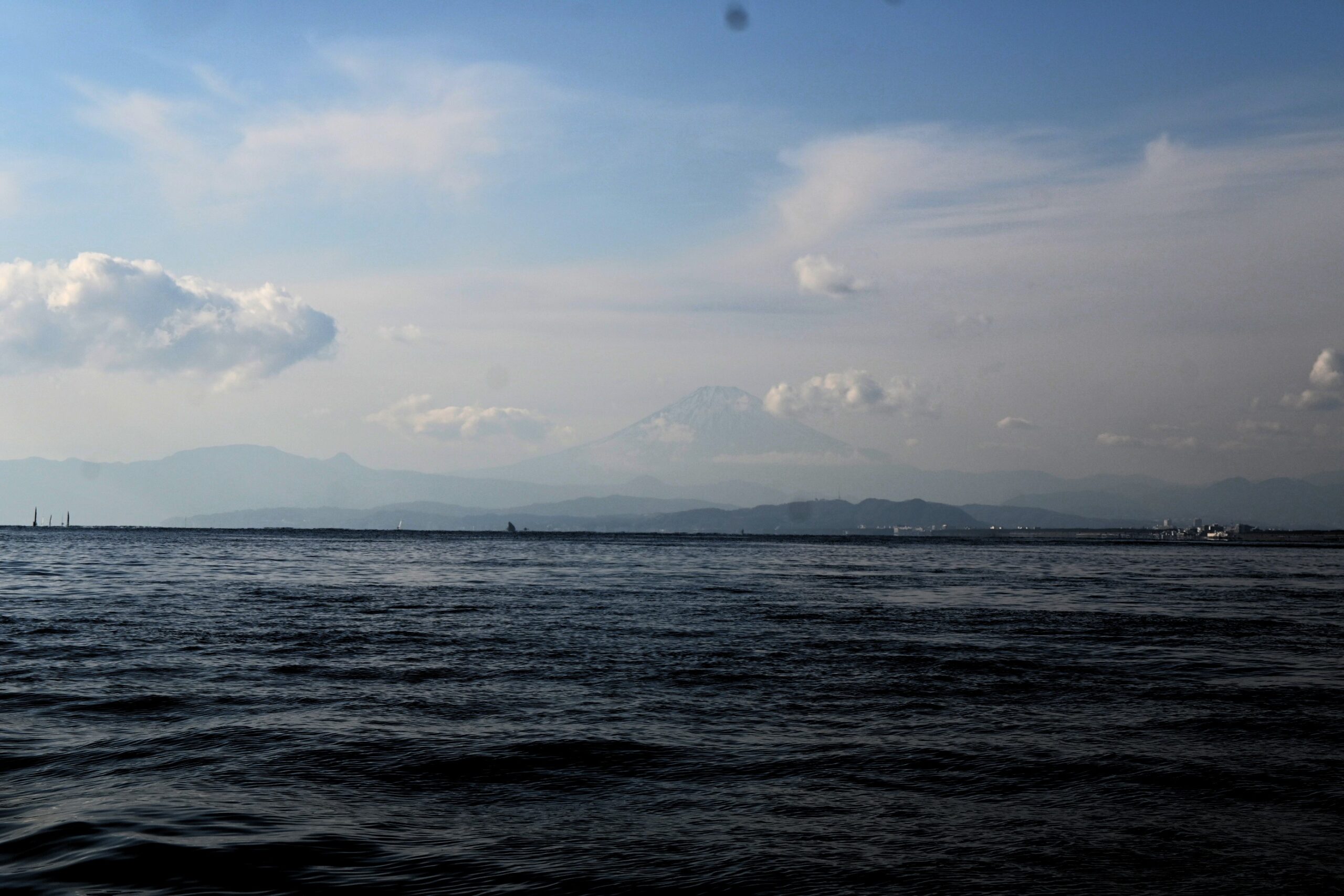
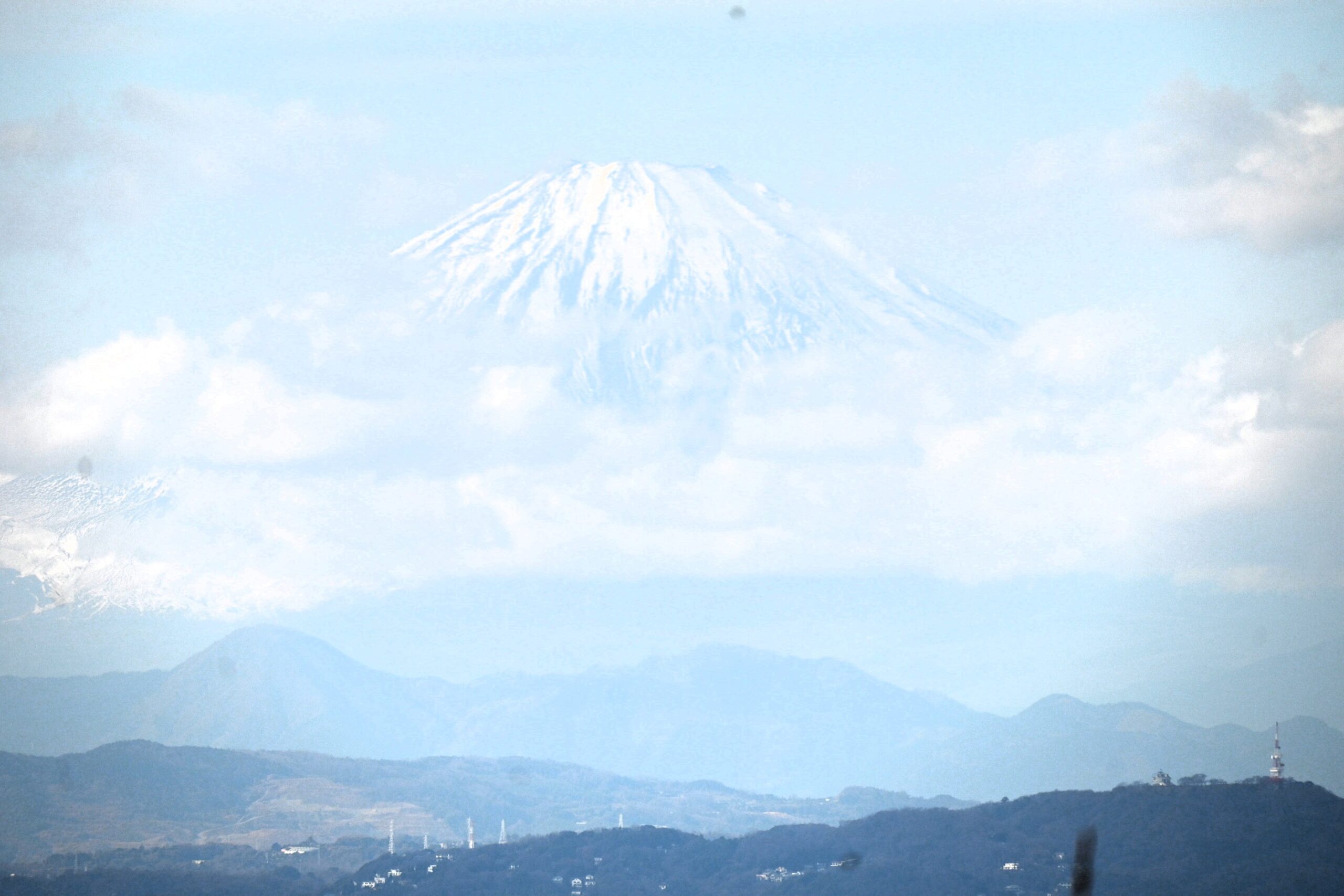
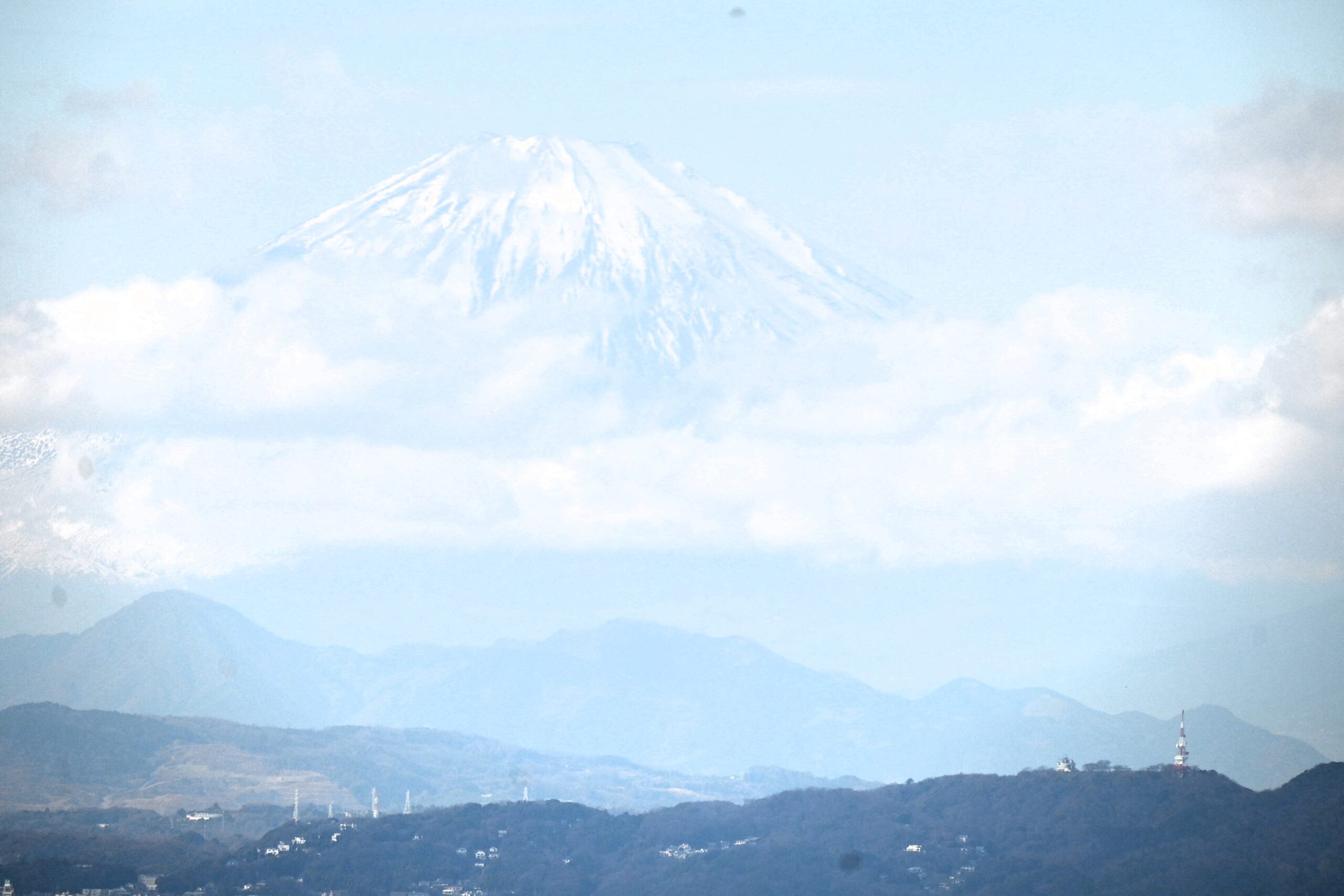
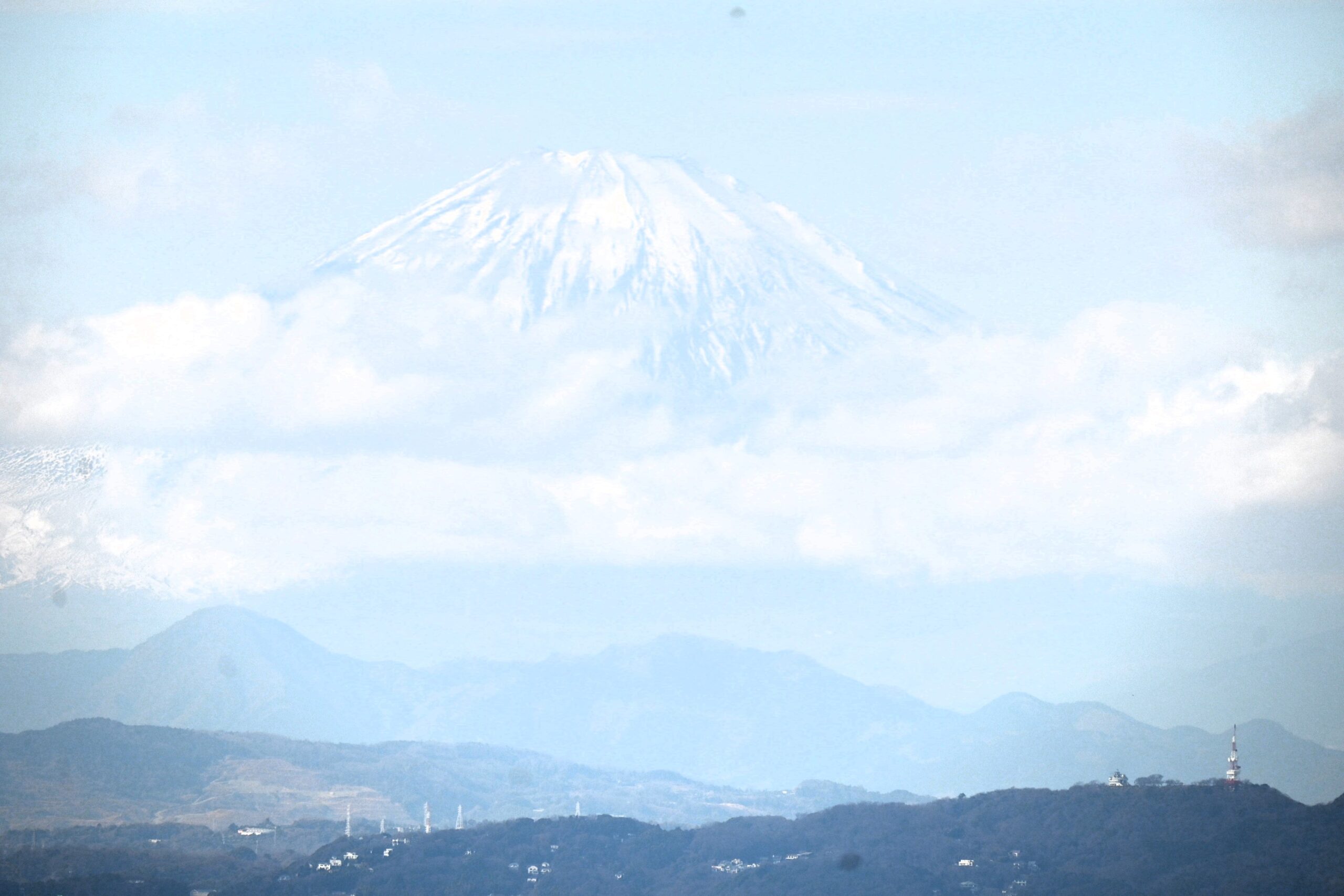
Normally, it would also supply a fantastic view of Mount Fuji, but the mountain was being bashful and we rarely saw it all day despite being in such close proximity.
After enjoying the delightful views, we headed down the weaving path to the foot of the island.
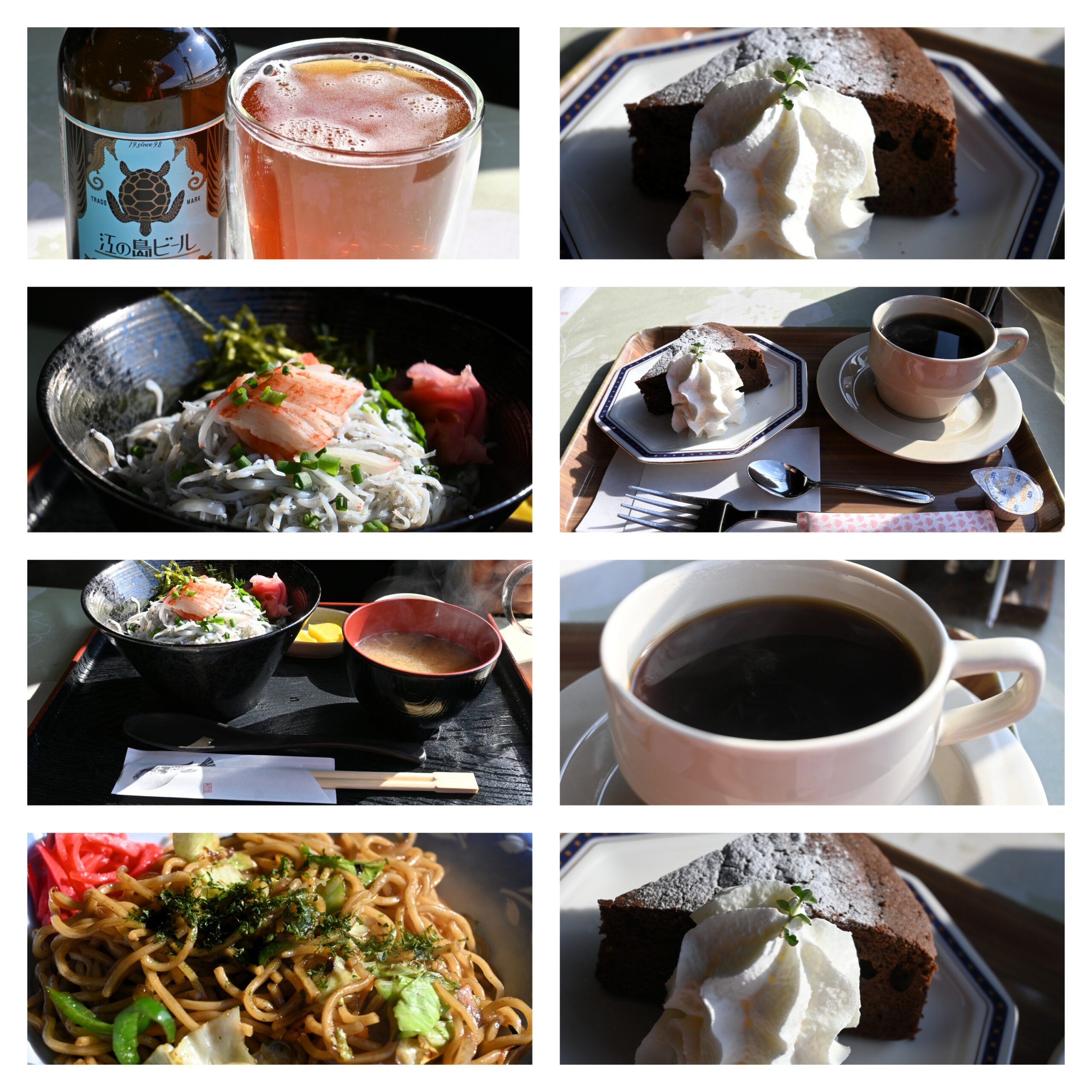
We had lunch at one of the restaurants on the island, but it wasn’t really worth writing home about.
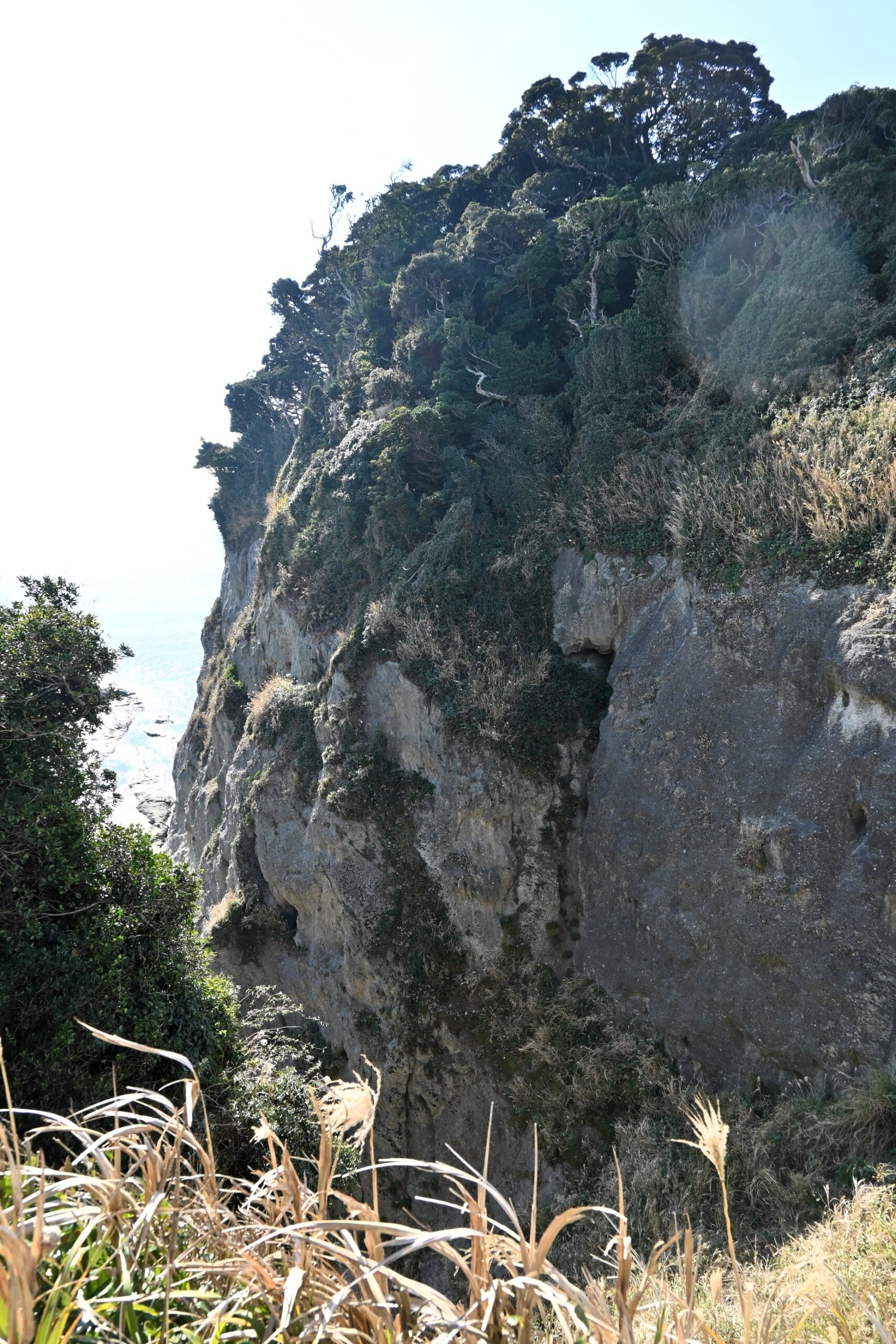
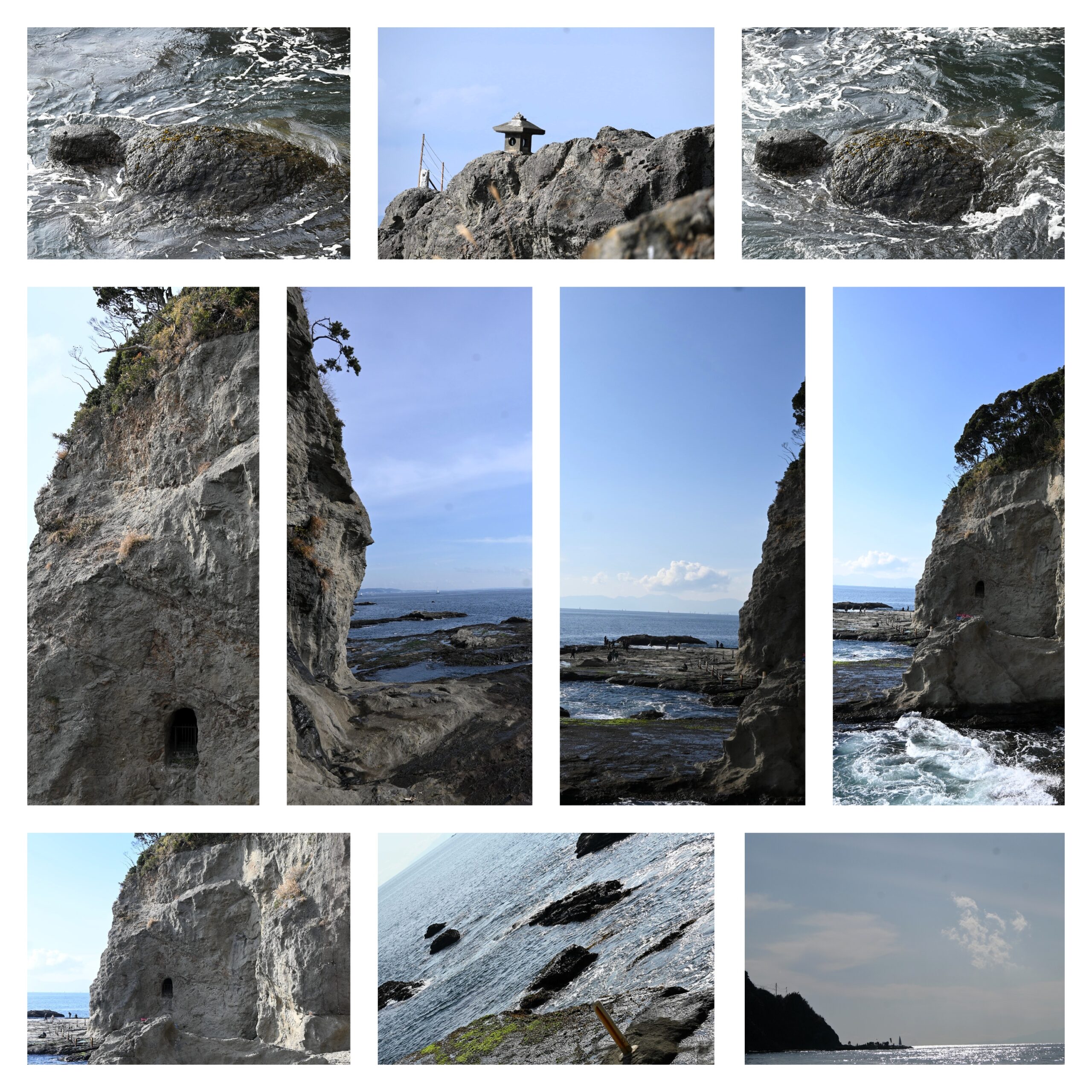
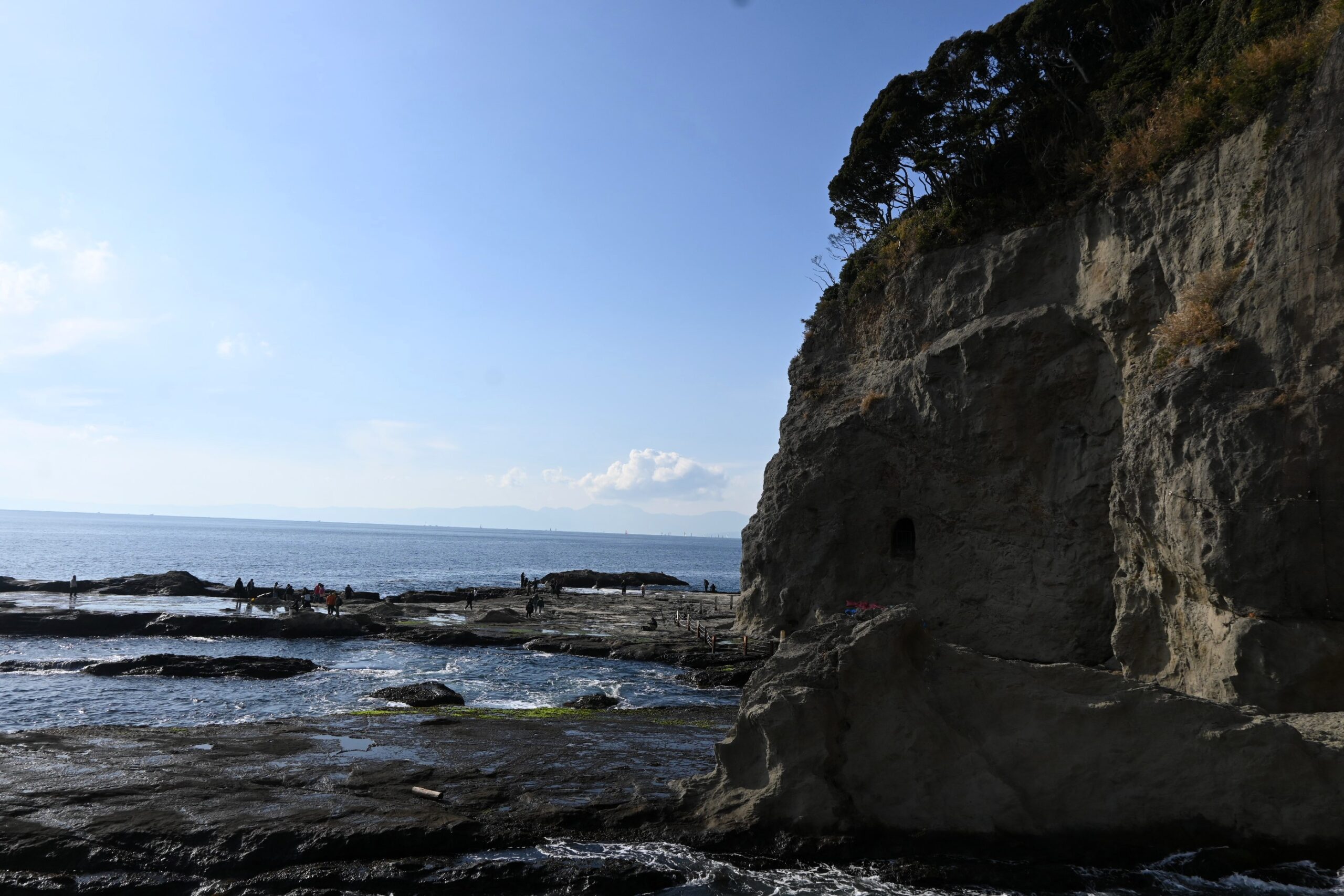
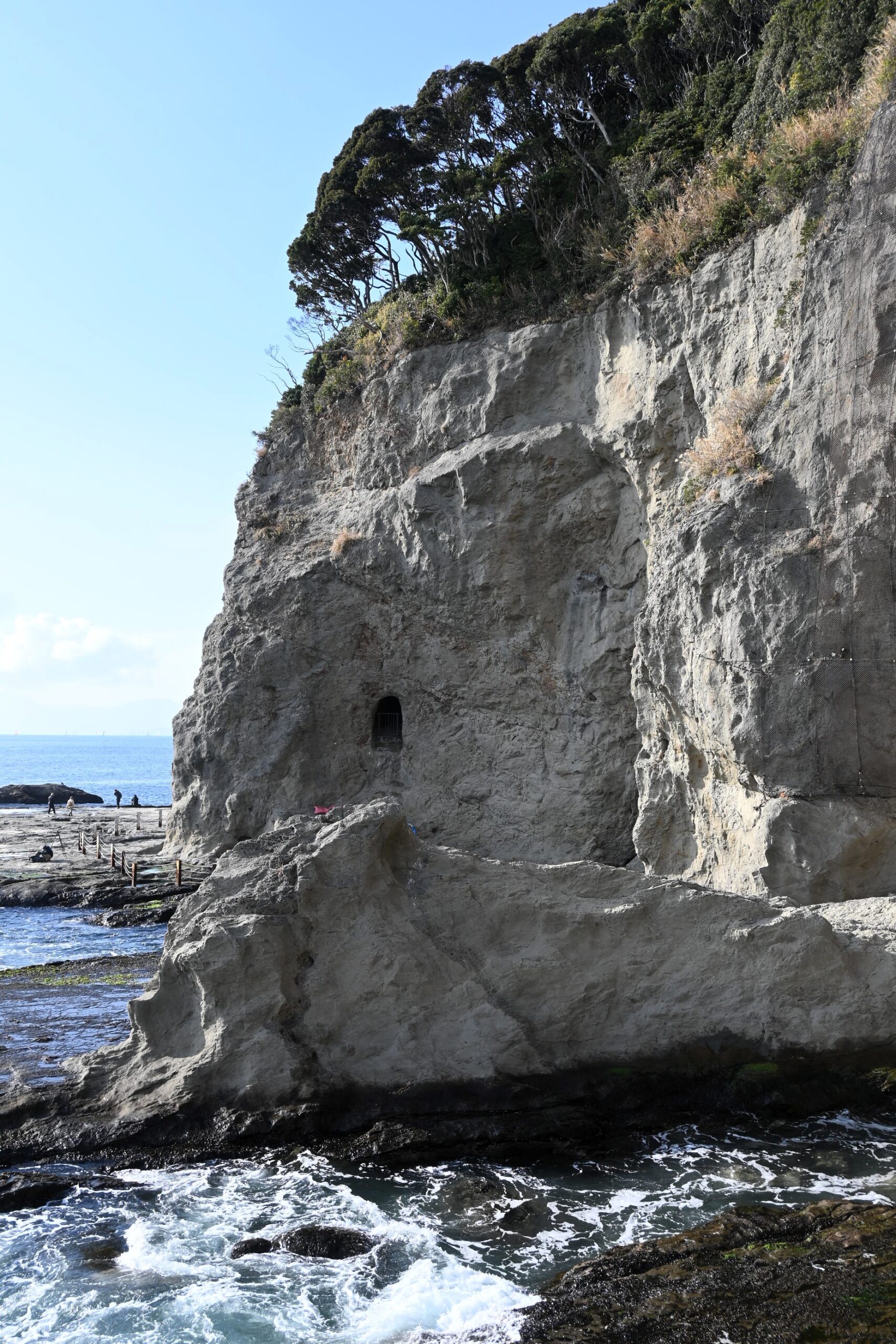
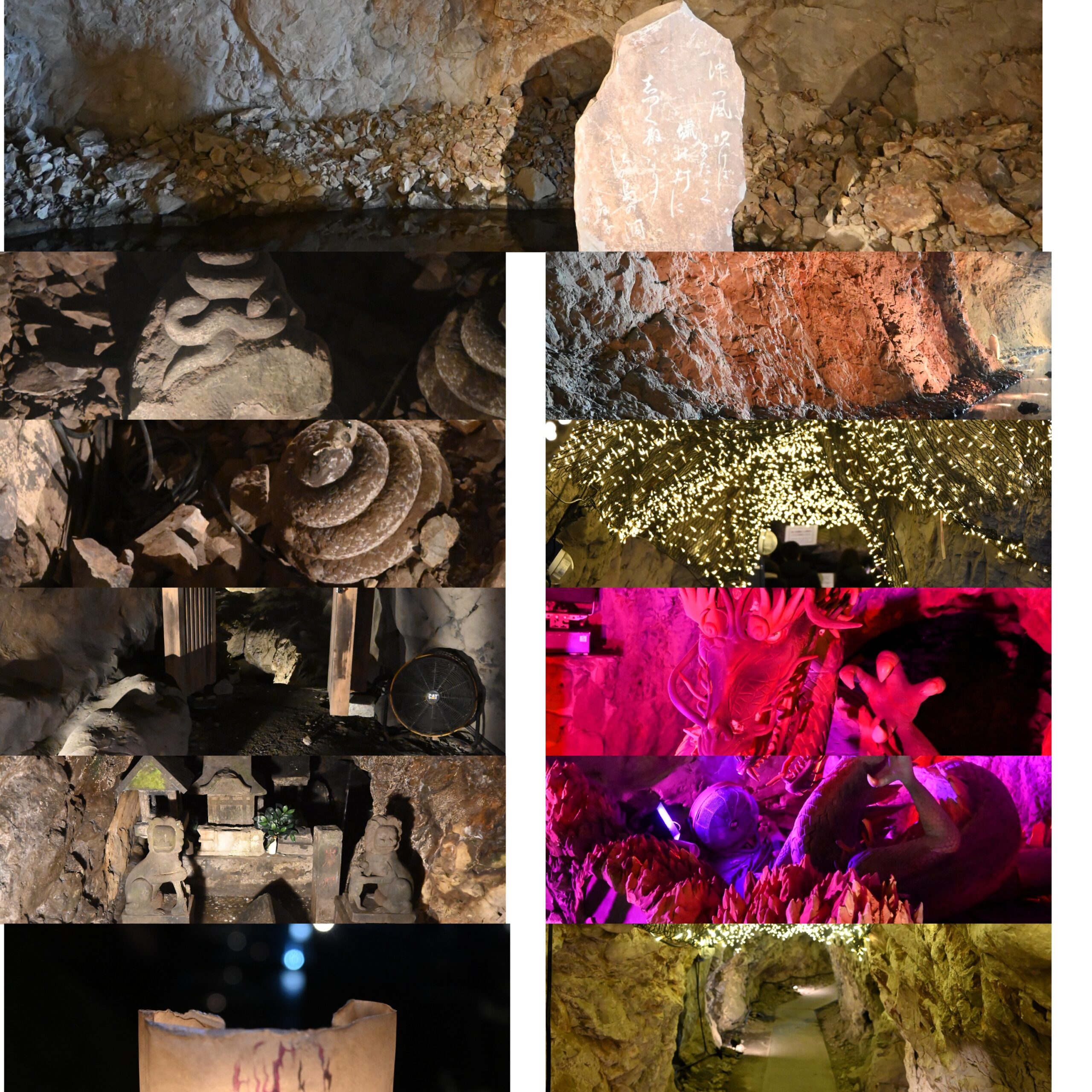
There we enjoyed the Iwaya caves that were used in ancient times for prayer.
One of the two caves had been lit up with fairy lights and was pretty impressive.
Perhaps too nice, though, because an “influencer” took an age and blocked all traffic as she sought to get the best possible photo.
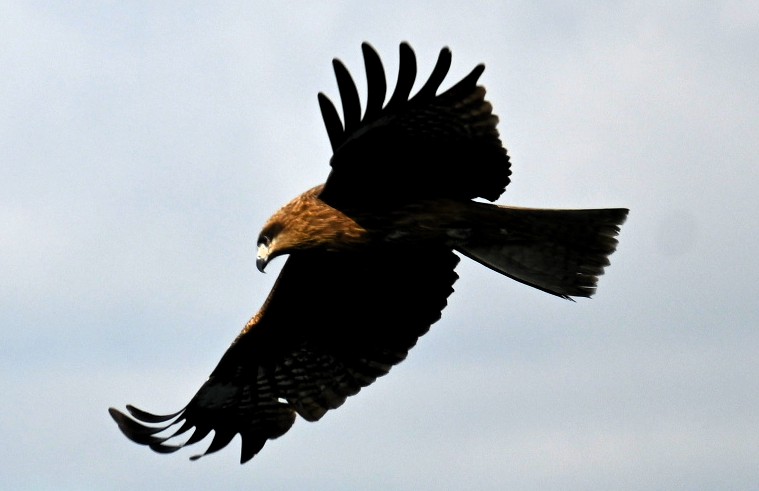
I was pretty glad with a lot of the dozens of photos I managed to snare, but spoiled many of them by having a dusty lens.
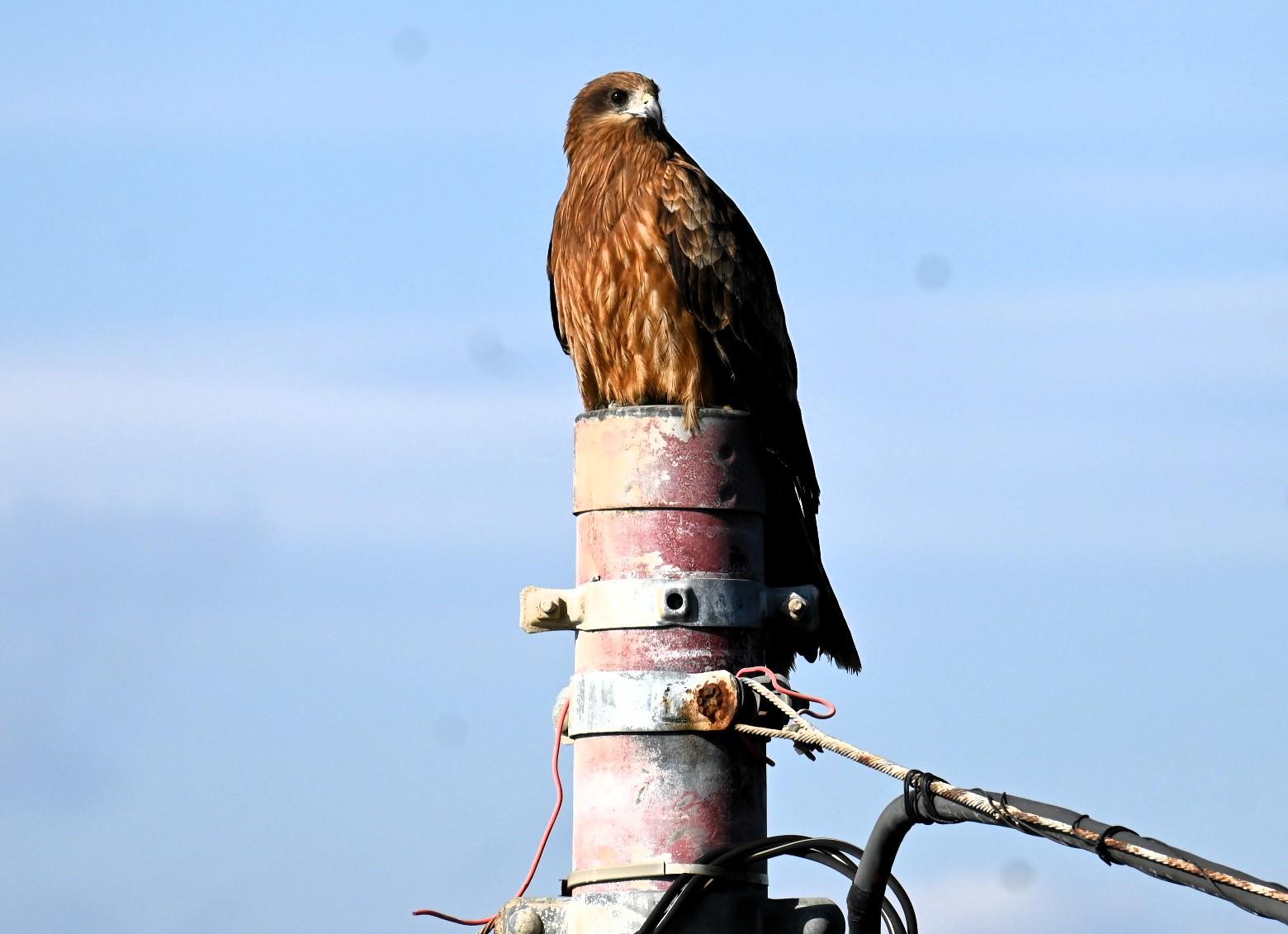
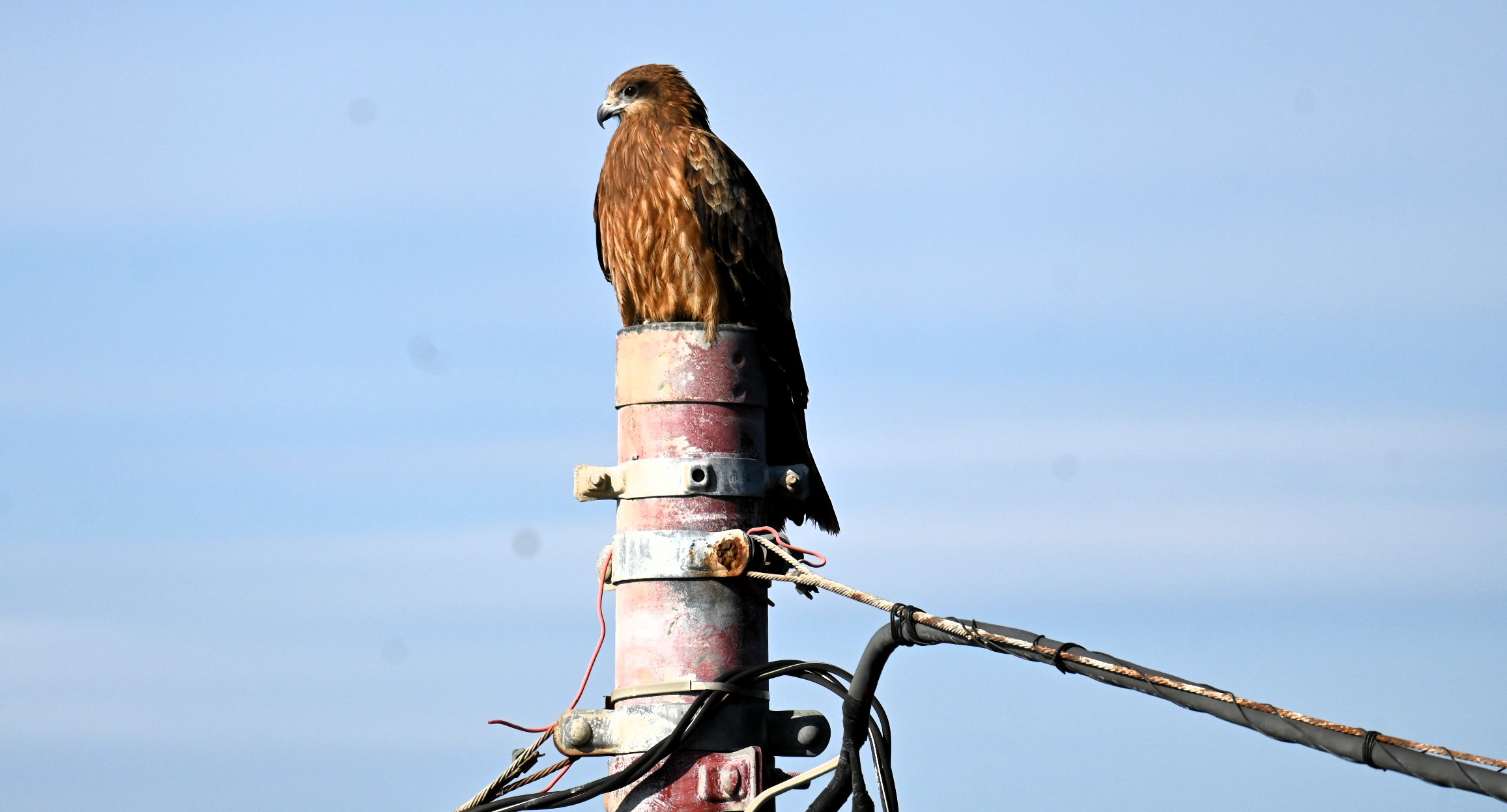
Probably the best photo I have ever taken, and certainly the most memorable, was a shot of a kite flying down to steal a biscuit from Mrs. Kanageroo during a visit to Enoshima about a decade ago.
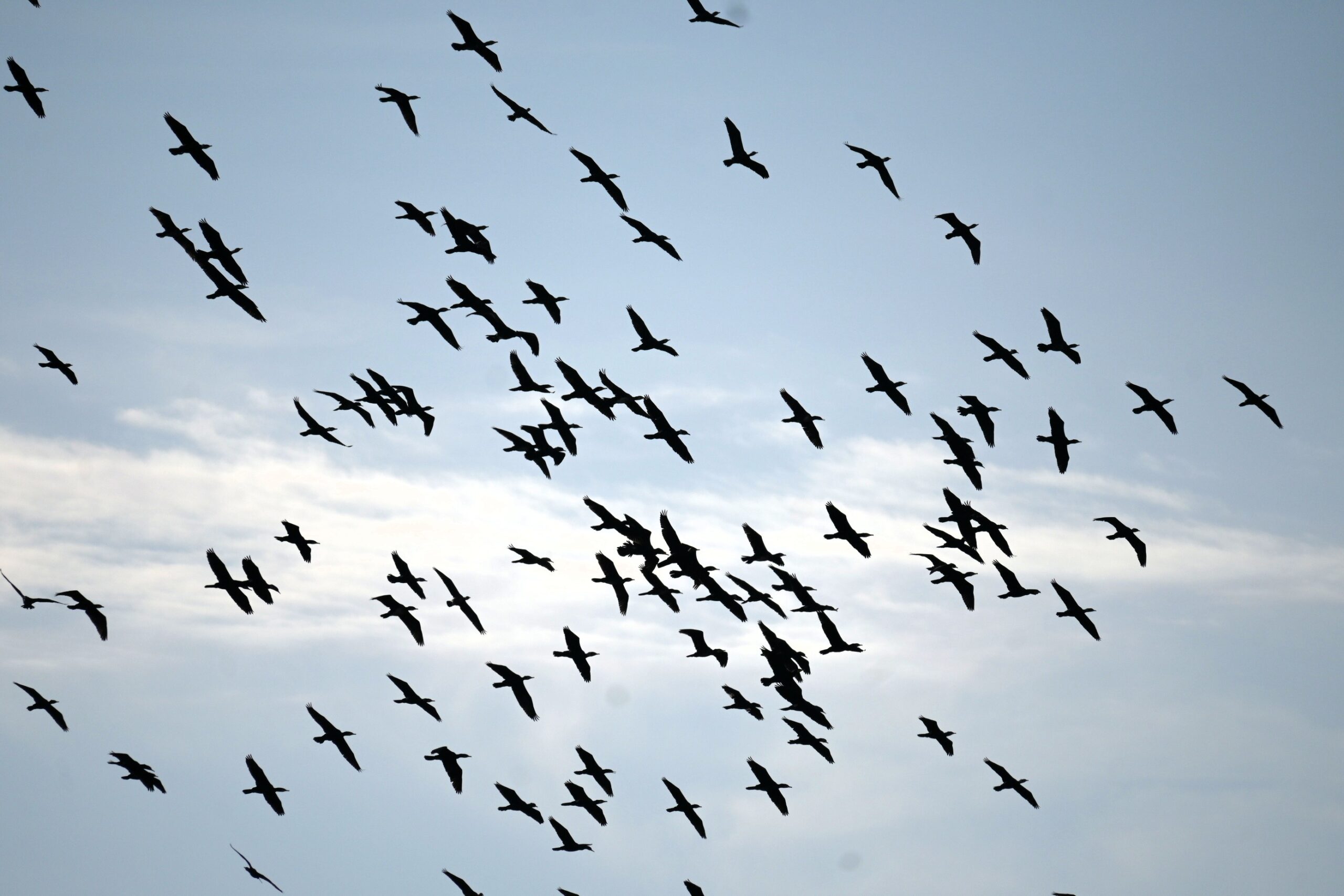
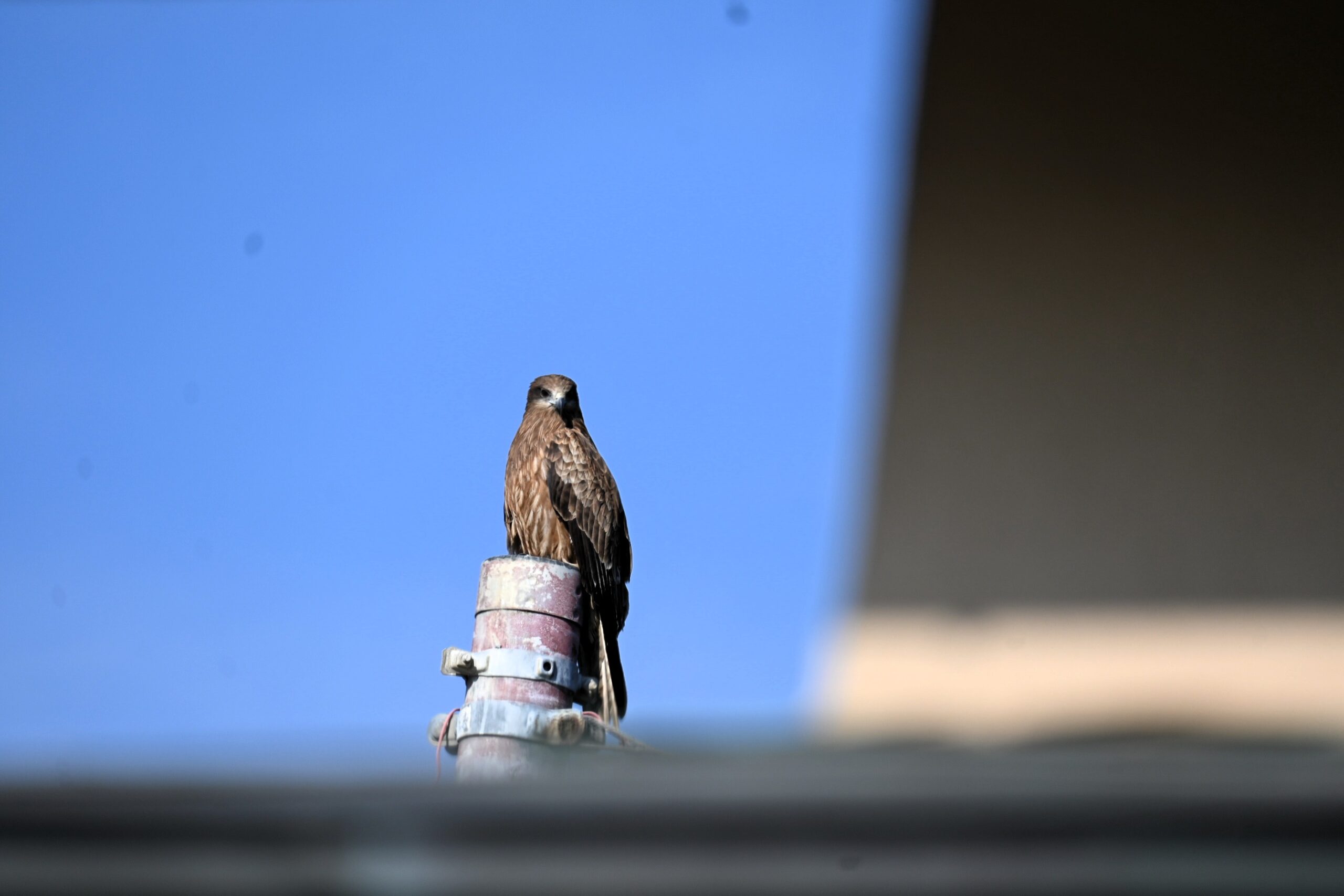
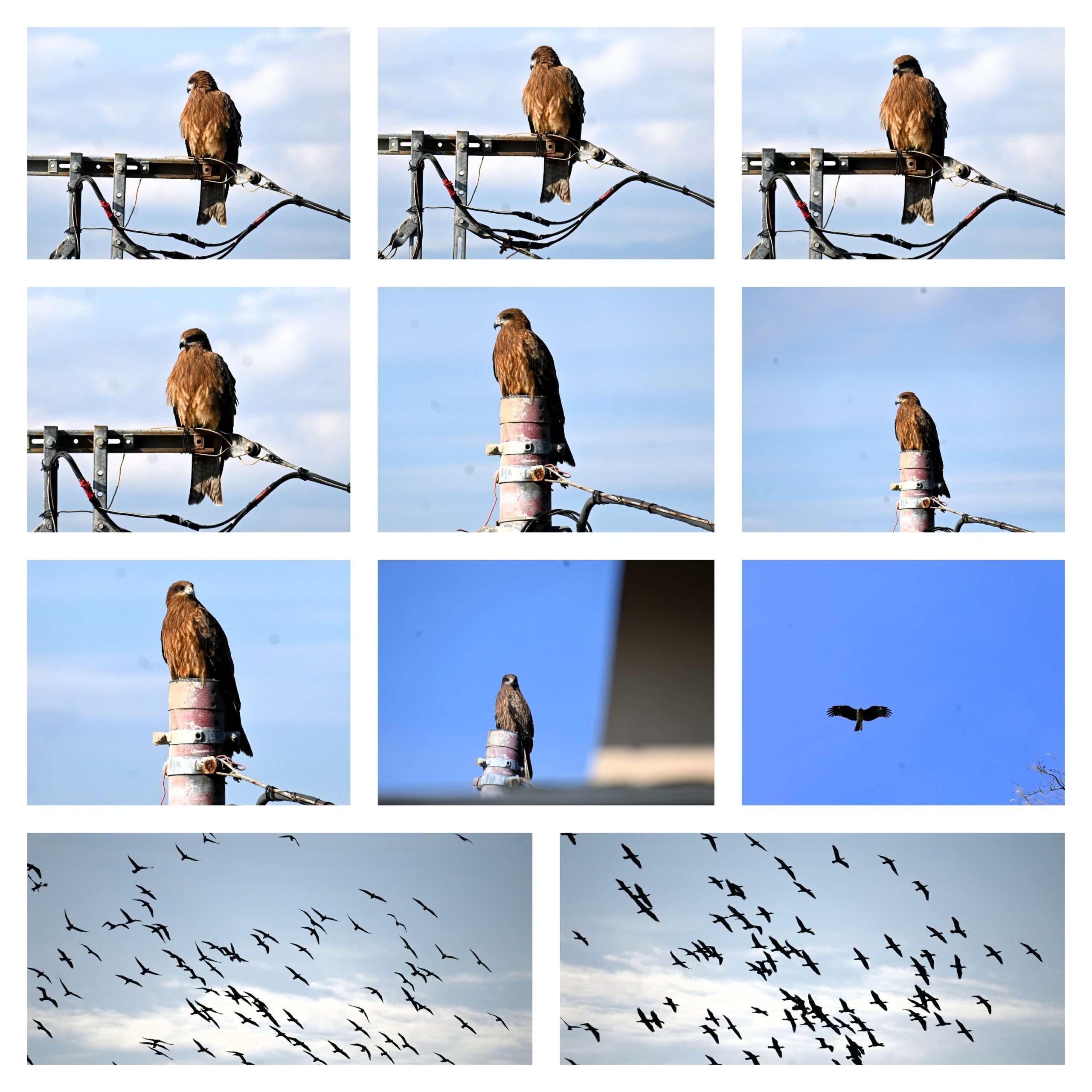
There were many kites flying in the area, but none swooping down to steal food as they had done in that past time.
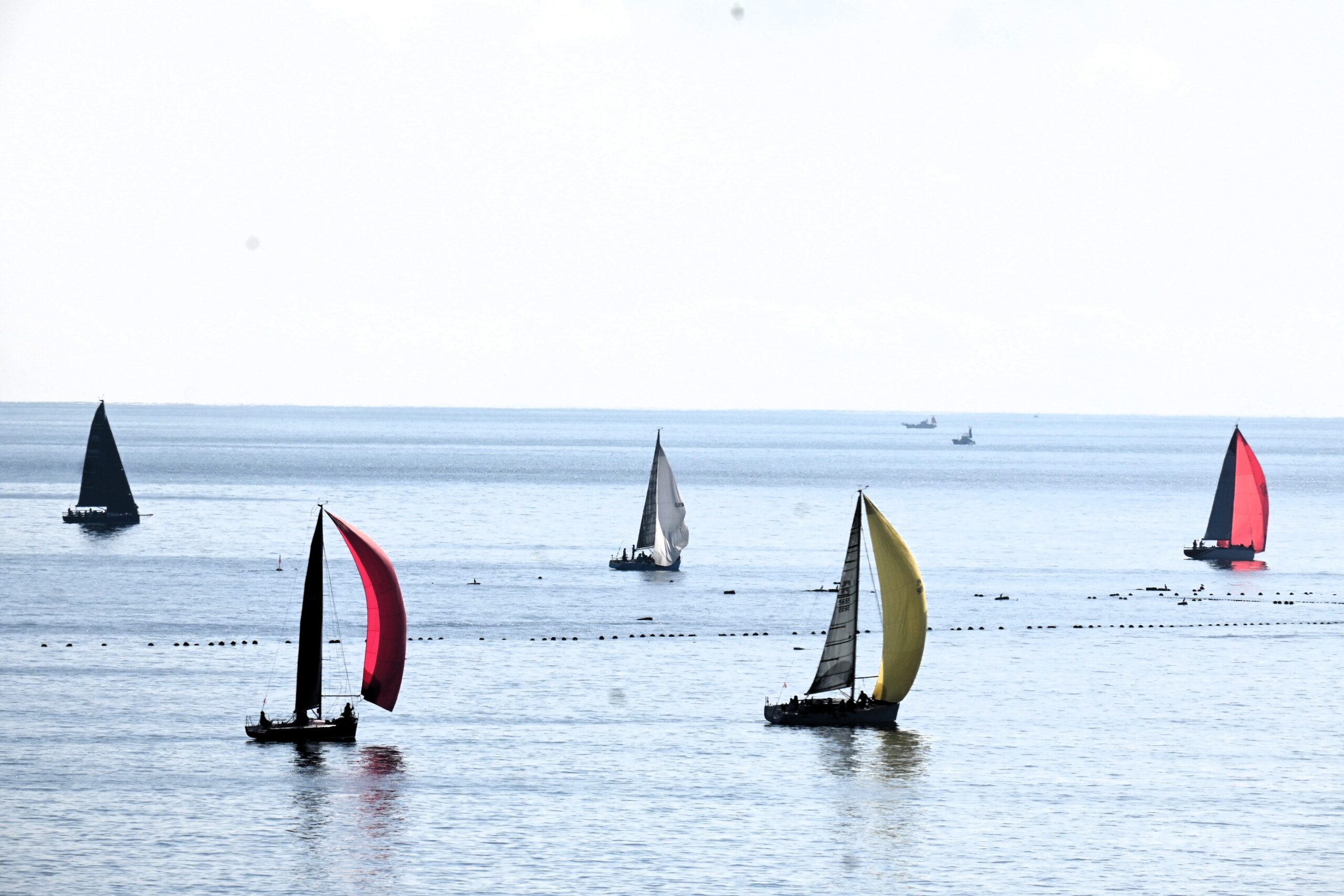
Leaving the island, we took a ferry back to the mainland, laughing at the hoons on jet skies loitering around in the waters off the coast.
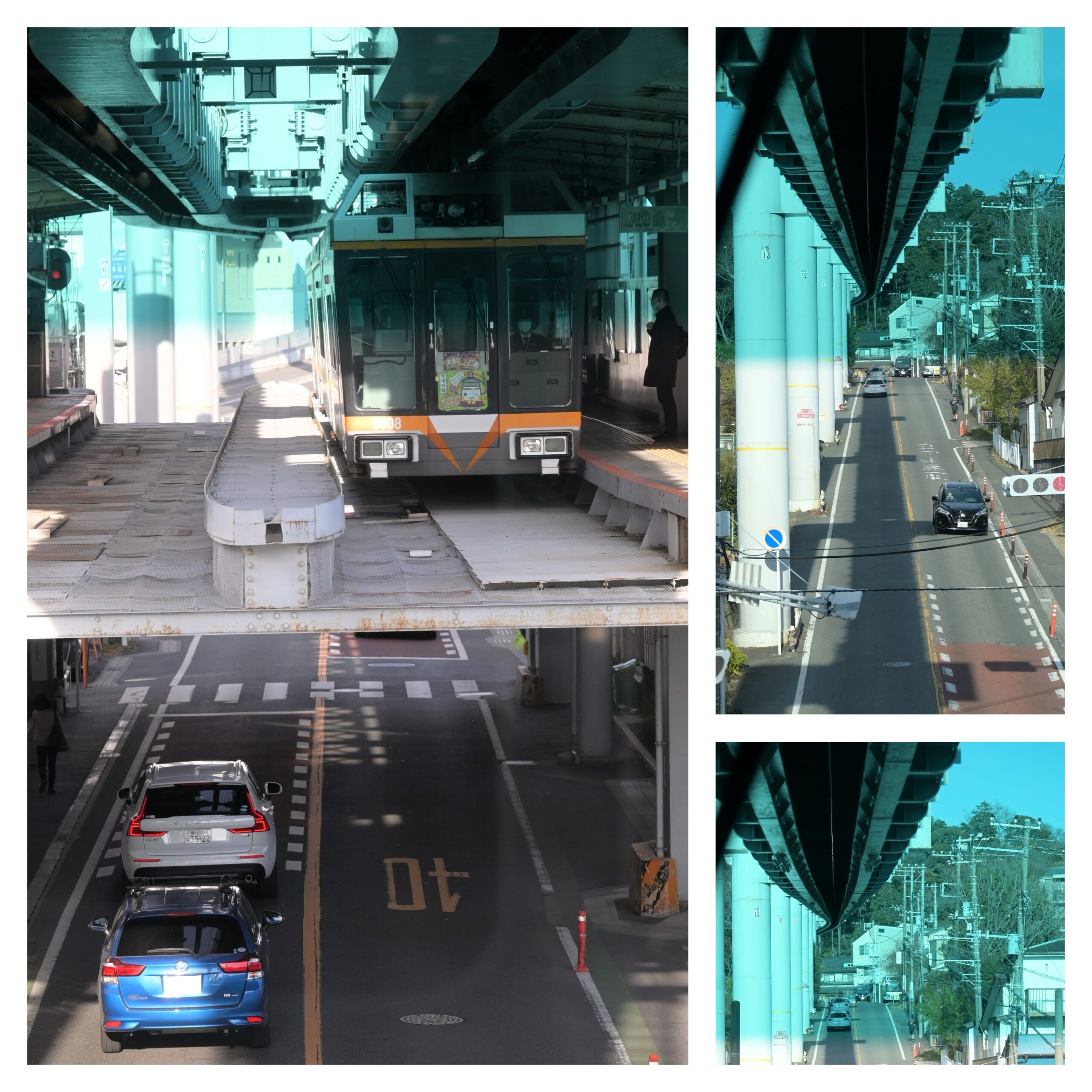
We then rode the cool Shonan Monorail back to Ofuna, which I really enjoyed. It has inspired me to find out more about the monorails running in the greater Tokyo area.
From there it was back home and a slow, relaxing evening ahead of a return to work to kick off professional life for 2025. It had been a lovely day.