A Ripper Night With All The Bunting And Foul Balls

There was a time in my life when I loved Japanese baseball, but I eventually got turned off and drifted away from the game. This week, though, a great mate persuaded me to go and watch a game at Meiji Jingu Stadium in Tokyo, and I had the time of my life. It was tremendous fun.

Like most Aussies of my generation, I’m sports mad, so it was almost natural for me to take an interest in baseball, Japan’s most popular game, when I got here in the late 1980s. I loved it and went to watch the occasional game.

My later work would involve me taking a professional interest in the sport, which wasn’t hard to do. I was turned off a little by the Japanese reaction to a guy called Hideo Nomo. He had been a pitcher with a weird action. He had some success here before suddenly retiring and announcing he’d go and play Major League Baseball in the U.S. He was widely derided for the decision; some thinking he had delusions of grandeur to take on the Americans at their own game; others disgusted that he turned his back on Japan and furious at his use of a manager demanding he be paid a hefty sum for his talents.

Based on the difficulties I’d had dealing with Nomo’s character’s awkward throwing style in baseball video games I’d played on the Nintendo Family Computer, I thought he might be a chance to do OK in the big leagues, though not as good as MLB, itself, where you can proclaim yourself a world champion in a sport played in two countries. Nomo did far better than expected, though, becoming a sensation in the U.S. Suddenly, many of the people who’d looked down their noses at Nomo when he “retired” from Japanese baseball to try out in the U.S. were wearing a Los Angeles Dodgers shirt with his name and number on it. Those shirts were ubiquitious in Japan in the summer of 1995, and the hypocrisy of the fickle fandom left a bit of a rotten aftertaste.

Bloody hell, went off on a tangent of a rant there, eh? Sorry about that. Anyway, Nomo changed Japanese baseball forever, making it completely acceptable for the country’s top pro players to head to the major league to take on the world’s best. And I thought that change had gone down to reducing the local game to being a feeder league with little appeal. I was wrong, though. But it took me until this week to find that out.

My mate asked me to go watch the Tokyo Yakult Swallows play the Yokohama DeNA BayStars. I wasn’t that keen on the baseball, but did want to meet my friend, who is one of my dearest cobbers. The game itself was a seesaw affair. The Swallows took the lead early and held onto it until the middle innnings, which was great because every time Yakult scores, its fans pull out their brolleys as a sign for the opposition pitcher to hit the showers and dance. It creates a great, fun-filled atmosphere.

The visitors came back, though, and appeared to have the game won with a 4-2 lead and two out in the bottom of the ninth inning. It wasn’t too late (even though it was past my normal bedtime), but then Yakult’s last batter whacked the night’s first home run into the stands and the game was into extra innings. Apparently, most baseball plays until there’s a winner, but not in Japan, where only three more innings can be added for either team to achieve a result, and then declared a tie if they can’t do so.

It was exciting, despite a lot of faffing around with changing pitchers and throwing to first base and piss-farting around with a powder bag. The whole night had been exciting really, with great company, superb summer weather with evening taking the edge off the scorching heat of the daytime, and the team bringing out the suit-clad dancing girls every couple of innings so they could clap their hands and disappear again for lord alone know what reason.

It was also great watching the crowd and the beer girls with their kegs on backpacks racing up and down the bleacher stairs. Those kids hustled!

Eventually, neither team could pull off a win. I didn’t really care about the result of the game, but the outcome for me was that I’d had a tremendous night, even though it would be about midnight before I got home and I would be due to rise just four hours later. It was a fantastic night and I look forward to going to the baseball again.

Cop A Gander At These Rippers Too...

  • |

    フチューで「ナイス・タ-・ミッチュー」

    There’s McDonald’s in just about every town in Japan, but in Fuchu at the moment, there’s a couple of MacDonalds with a very special story, indeed. 日本全国どこへ行ってもマクドナルドはある。でも今、東京・府中にある“マクドナルド”はちょっとワケが違う。 Connor and Callum MacDonald are brothers from Brisbane, and both professional sports people whose games took them to different sides of the world….except for now. ブリスベン出身の兄弟、コナー・マクドナルドとカラム・マクドナルド。ともにプロアスリートとして世界を股にかけて戦ってきた2人のキャリアが、いま再び交差している。 Connor MacDonald is in Fuchu as part of the Australian team taking part in the Japan leg of the World Baseball Classic, which will be held in Tokyo in March. The Aussies are based in Fuchu, which they have made their home away from home for the third time, and join a long list of Australian sporting teams to…

  • |

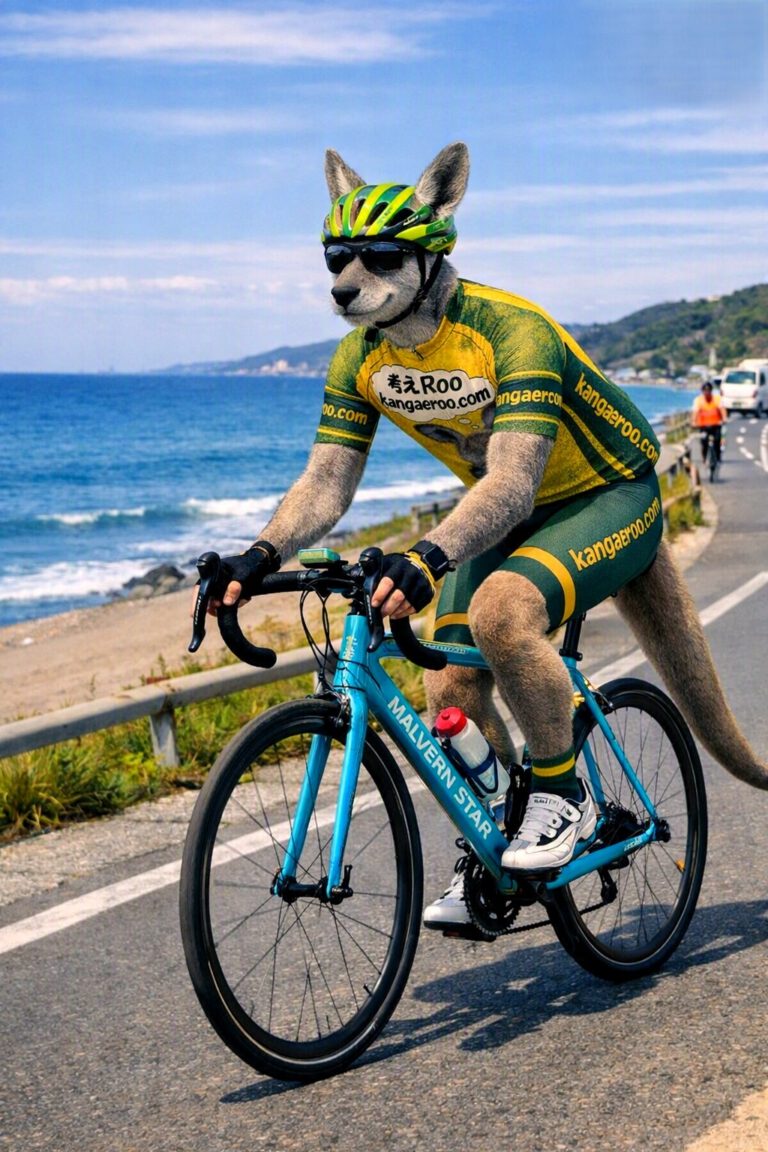
    Why Do Aussies Ride On A “Deadly Treadly?”

    What Does “Deadly Treadly” Mean? Aussieはなぜ自転車を「Deadly Treadly」と呼ぶの? Imagine you’ve just bought a brand-new bicycle. You wheel it out of the shop, admiring the shiny frame. An Aussie mate walks over, grins and says, “Nice deadly treadly!” Nobody thinks the bike is dangerous. In fact, it’s a compliment. Deadly treadly is one of those classic Aussie rhyming expressions that simply means “bicycle.” It’s playful, memorable and unmistakably Strine. 日本で自転車といえば、「自転車」「チャリ」「ママチャリ」など、いろいろな呼び方があります。Aussieにも、ユーモアたっぷりの呼び名があります。それが、”deadly treadly”です。意味、とてもシンプル。「自転車」。それだけです。でも、語感がよく、一度聞いたら忘れられないのがAussie英語らしいところ。\友達同士で使う、親しみのある表現です。 Expression Deadly treadly Pronunciation /ˈdedli ˈtredli/ Meaning 自転車。 特に日常生活で使う普通の自転車を親しみを込めて呼ぶ表現です。「deadly(命にかかわる)」という本来の意味はほとんど意識されておらず、リズムを楽しむ言葉になっています。 Example I rode my deadly treadly to work today. 「今日は自転車で会社へ行ったよ。」 また、 My old deadly treadly finally gave up. なら、 「長年乗った愛車の自転車が、とうとう寿命を迎えた。」 という意味になります。 日本語で言うと? 日本語なら、「チャリ」「愛車」などが近いでしょう。ただし、”deadly treadly” は少しユーモラスな響きがあり、「チャリ」よりも遊び心のある言い方です。 Australia–Japan Connection オーストラリアは広い国ですが、シドニーやメルボルンなどの都市では、自転車を通勤や通学に利用する人も増えています。休日にはサイクリングロードを家族で楽しむ姿もよく見られます。日本も自転車文化が盛んな国。だから “deadly treadly” という言葉は、日本人にも親しみやすいStrineのひとつかもしれません。 Aussieは、何でも短くしたり、語呂を楽しんだりするのが大好きです。”deadly…

  • |

    Wonderful Weekend Of Superb Cycling

    Blessed with outstanding weather and lucky schedule breaks, I’ve just finished an amazing three-day weekend of cycling. I got to get on the bike as part of a cycling club’s call for riders to share their cycling experiences. My duties to the local estate threatened to put paid to my riding over the weekend, but things worked out and I could ride on all three days of the event. Today was the highlight, and I was supposed to lead a ride from Tokyo Station to Inokashira Park in Kichijoji. We were to follow the delightful Kanda River cycling course, which weaves through the central city, through the leafy suburbs and…

  • Eat ‘Em Alive!

    Richmond Football Club takes on the Greater Western Sydney Football Club in the Australian Football League 2019 Grand Final at the Melbourne Cricket Ground on the afternoon of September 28. The Tigers enter the game as a slight favorite against the league’s youngest club, which is playing in the Grand Final for the first time ever. The Giants are the league’s Baby Frankenstein, having received hundreds of millions of dollars since league headquarters formed the team in 2010 to tap into one of Australia’s fastest-growing urban areas and to add another match to make broadcast rights more attractive to bidders. Richmond makes the Grand Final despite having been plagued by…

  • |

    日本で防衛成功した豪ボクサー

    1968年東京で世界バンタム級チャンピオンとなって、オーストラリア先住民初の世界チャンピオンリオネル・ローズが同都市で初防衛。相手が桜井孝雄だった。 Lionel Rose won his world bantamweight title in Tokyo in 1968 and defended it there later that same year against Takao Sakurai. しかし、この防衛戦の前に、伝説的な戦いがあった、、、

  • |

    Big Red Bike Tour Stage 13: Last Leg On Last Legs

    At long last, the Big Red Bike Tour is over. What a wonderful time it was! Originally, I’d planned to take some time off work and cycle across the Japan Alps and Nakasendo highway. But Dino falling ill put paid to that plan. I needed to stay close to home, but could also leave our rosy faced lovebird alone for long enough to take the short rides that comprised the tour. Even so, over the 13 stages of the tour conducted over the past 10 days (two days, including today had two stages), I racked up 595.29 kilometers ridden, which is about the distance of the original Alps trip. And…