Chiba Company Rapt To Choose A Roo For Wrapping

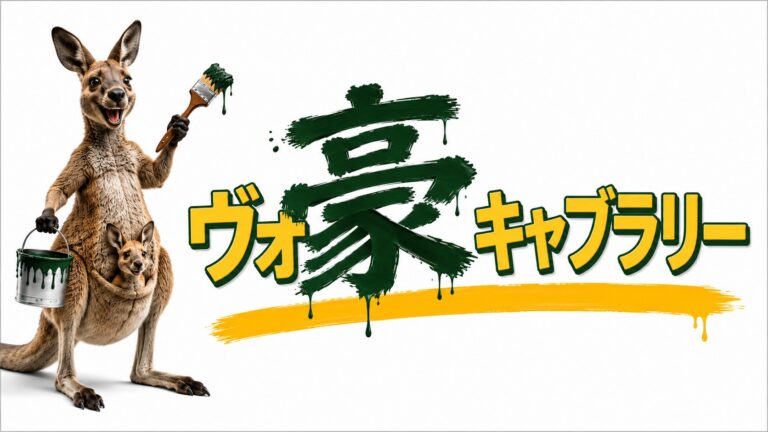
Kangaroos are the choice of a company symbol for packaging-materials trading company Kawawa Co., Ltd. from Nagareyama, Chiba Prefecture.

Kawawa chose to use a kangaroo to symbolize their operations because it represents “the spirit of wrapping,” according to the company’s website.

Although the company has nothing to do with Australia, it chose to represent itself with the country’s national symbol because its pouch is a natural metaphor for wrapping, carrying with care, and protecting what’s inside. Even beyond the company’s official explanation for using a kangaroo logo, the choice is very logical for Japanese commercial design.

The pouch representation is perfect for packaging. A kangaroo’s pouch is one of the strongest, clearest visual symbols for holding, protecting, encasing something safely. No Japanese animal offers this metaphor as cleanly.

Friendly animal mascots are common in Japanese business. Japanese companies –especially in logistics, food supply, and packaging–very often use animal mascots to soften their image and be more memorable. A kangaroo silhouette is cute, instantly recognisable, easy to apply to packaging, trucks, catalogs, POP displays, non-threatening, and friendly for B2B and B2C clients.

Kawawa was founded in the late 1940s and incorporated in 1966. It supplies food trays, disposable containers, wrapping and packaging supplies, hygiene goods, promotional materials such as flyers, POP design, printing, and web content. Its clients include supermarkets, bento shops, food-processing companies, catering firms, and care facilities.

The appearance of any company, organization, or individual on Kangaeroo.com does not constitute an endorsement, approval, or criticism of that entity or its actions. Content is included solely because it relates to themes involving Japan–Australia relations, with a particular focus on kangaroos, and should not be interpreted as expressing any evaluative judgment.
免責事項:「考えRoo.com」に登場する企業・団体・個人について、掲載は推奨・支持・批判を意味するものではありません。内容は、日本とオーストラリアの関係、とりわけカンガルーに関するテーマに関連するため掲載しているものであり、当該主体に対する評価や判断を示す意図は一切ありません。
Cop A Gander At These Rippers Too...

  • | |

    Why Do Japanese Zoos Know So Much About Kangaroos?

    なぜ日本の動物園はカンガルーにこんなに詳しいのか? Kangaroos are popular exhibits in Japanese zoos. But their success didn’t happen by accident. It grew from decades of cooperation with Australian wildlife experts, creating one of the world’s most successful international partnerships in animal care. 日本の動物園では、カンガルーは人気者です。しかし、その飼育技術は偶然生まれたものではありません。長年にわたるオーストラリアとの協力が、世界でも高い水準の飼育技術を育ててきました。 More Than an Exhibit 展示動物では終わらない Kangaroos first arrived in Japan as remarkable Australian animals. Keeping them healthy, however, proved far more challenging than displaying them. Japanese keepers needed to understand their diet, behaviour, reproduction and social structure. 展示動物では終わらない カンガルーは、オーストラリアを代表する珍しい動物として日本にやって来ました。 しかし、健康に飼育することは決して簡単ではありませんでした。 飼育員たちは、食性や行動、繁殖、生態について一から学ぶ必要がありました。 Australia Shared Its Knowledge オーストラリアから学んだ Australian zoos and wildlife specialists worked closely with Japanese institutions. Veterinarians, animal keepers and researchers exchanged information on nutrition, enclosure design, breeding and veterinary care. The…

  • |

    Kangaroo FC’s Kids Turn Hops Into Large Leaps

    The littlest joeys from the Kangaroo FC youth soccer club in the Chiba Prefecture bed town of Matsudo have won regional tournaments, going from tiny hops to large leaps befitting the team’s monicker. Kangaroo FC’s team of first graders have taken home the Yachiyo Okamura Cup in the past. Kangaroo FC has been around since 1981 and looks to be a youth team powerhouse. Nor do I know why a club from a city best known for being a bed town community for commuters to the capital chose to be the kangaroos. It’s possible the team chose the kangaroo because it evokes jumping, speed, and protecting younger players. And the…

  • | | |

    Canny Kate Raises Tokyo Comedy Bar

    Acerbic Aussie comedian Kate Hanley Corley‘s razor sharp wit got a cosmopolitan crowd (including superfans who traveled to Japan just to see her) at the Tokyo Comedy Club guffawing loudly. The comedian on a whirlwind tour of Japan put on a rapid-fire display of comedy focused on love, marriage, life and motherhood, using flawless delivery to tap into French, German and Swedish influences at times and touch a nerve with a multicultural crowd including Neddie* from Norwich, Chie* from Chofu, Patty* from Paris and Dorothy* from Kansas, enrupturing all comers. And commas**. She really had her finger on the pulse–and more–with an unbelievably clever and catch tune about an intimate…

  • オーストラリアでの花見をお楽しむのが9月!

    南半球にあるオーストラリアの季節は日本と正反対であり、桜が咲いて「お花見」するのが4月頃でなく、9月辺りにやるんだ。 オーストラリアで「お花見」という習慣は元々ない。 だが、各地でさくらんぼが栽培され、チェリー農園が多いし、桜を見ないわけでもない。 そこで、在豪日本人コミュニティや親日家を中心に南半球の春にあたる9月にお花見をやることがあるだそうだ。 今年はまさにそうだ。  9月23日(日)にはメルボルンからおよそ40キロ東の方へオリンダという町がある。そこに多数の桜の木もある「豪国立ツツジガーデン」がある。毎年、そこで「お花見」するそうだ。日本と違って、お祭りモードになったり、お騒ぎすることがないが、本当にお花を楽しむ。また、オーストラリアでは暴れる人が多いため多くの公の場が禁酒しているので、このガーデンもそうだから、お酒なしの花見となる。 日本のお花見と同じように出来ると思えば、がっかりするだろうが、その代わりに周辺にたくさん魅了的なものがある。 ガーデン自体がかなり美しい。 ガーデンのとなりにだれでもプレーできるゴルフ場があるが、一方神秘的なウィリアム・リッケッツ・サンクチュアリーがある。そこで綺麗な森の中に自然と一緒になっている彫刻が多数ある。山の上にもあるので、景色が良くて、メルボルン市内全部丸見える。 それでも足りなければ、ワイン産地であるヤラ・バレーも車で30分以内にいける。 Hanami Cherry Blossom Festival

  • | |

    TVアナがカンタスを日本語口調で言うと放送禁止用語に

     オーストラリアネットワーク・テン民放テレビ局でカリー・ビックモア氏というアナウンサーがカンタス航空に関する報道を読み上げている際、日本語同様の口調で同会社の名前を呼んで大騒ぎとなっている。  「なんで?」と思う人がるかもしれない。  実は英語で言うと、同社名が「カンタス」というより「クワンタス」に近い発音となる。それはそれでいいが日本語風の「カンタス」を英語で言うとかなりヤバイ言葉に近い形になる。もっと厳密に言えば、カンタスをカントとアスと捉えれば二つのヤバイ言葉になる。  そして、ビックモア氏が29日付にこの発言を、、、  「Virgin is targeting key corporate routes, hoping to win over Cuntas, er, excuse me, Qantas customers…」  まさにその日本語口調の発音を偶然に番組生放送中に言ってしまった。すぐに発音ミスと間違いの重大さを気づき誤って、笑い崩した。  同僚も気づきかなりからかった。「この映像があっという間にYouTubeで見られます」と視聴者に向けて発言した。  アナウンサーの言うとおり、事件の映像風景は下記にある。発音ミスが0:08時点にある。

  • |

    いち早くCool Japanを先駆けて80・90年代の豪テレビCM

    Japan was trending in Australia long before it became flavor of the month in the way it has in recent years courtesy of Cool Japan. 近年の「クール・ジャパン」現象はオーストラリアでは、かなり昔から現れていた。 During the late 1980s through to the mid-1990s, a time when trade friction between a seemingly unstoppable Japan and the struggling United States resulted in such incidents as American autoworkers using sledgehammers to demolish a Japanese car, Australia was slowly moving out of its self-imposed isolation to embrace the Asia-Pacific region and building the firm relationship it now has with Japan. Australia was a pioneer in the Japan Exchange and Teaching (JET) and Working Holiday programs now welcoming thousands of people from all over…