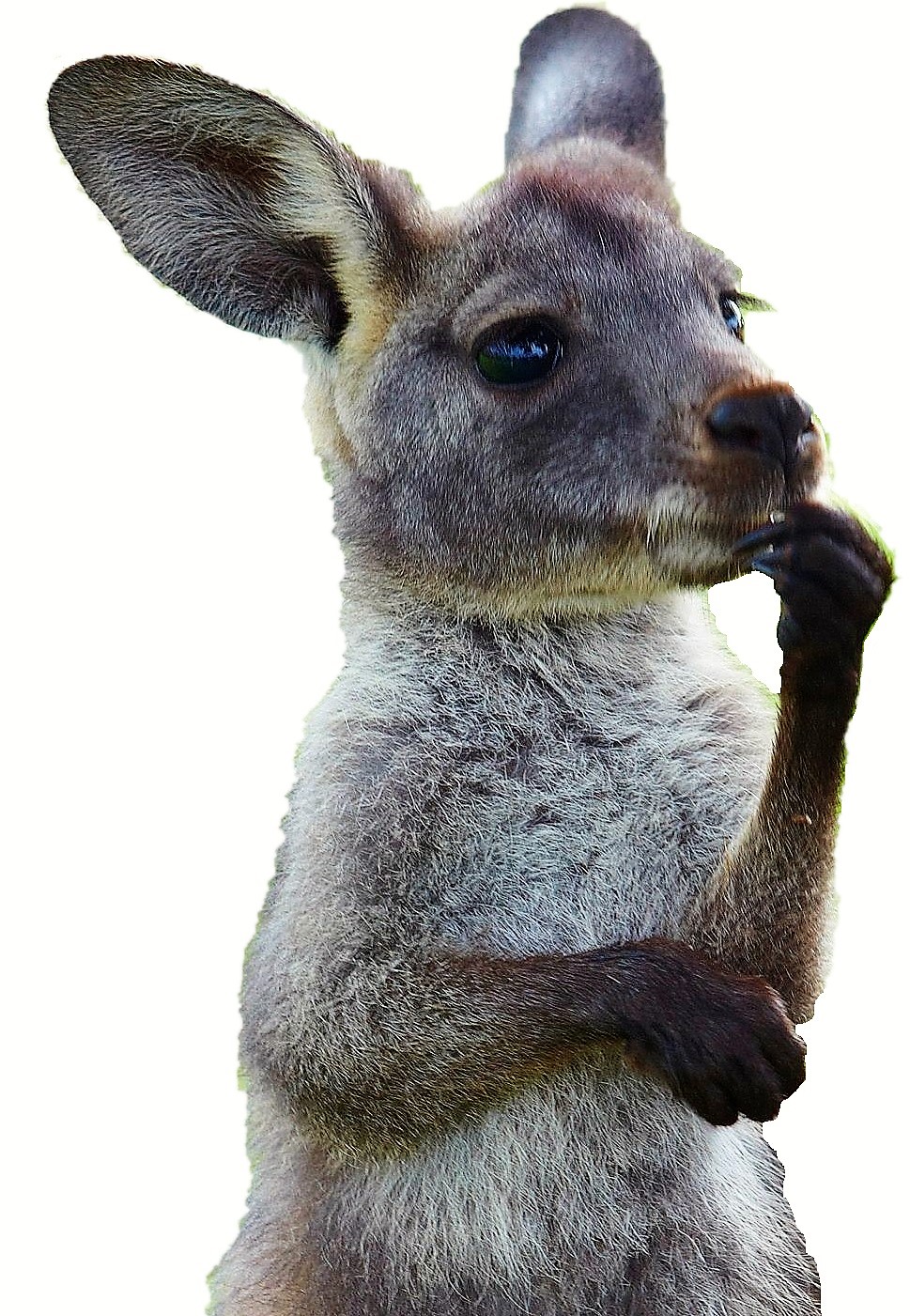
How Kangaroos Stop Demolition Work Scaring Japanese Kids

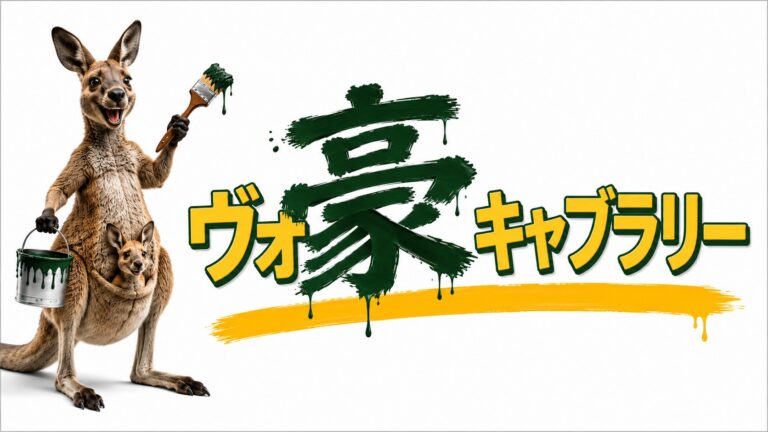
Kangaroos have provided a way to provide a friendly face for a company operating in an industry sometimes seen as an unsavory business in Japan. Enomoto Kogyo uses the consumer-facing name of Kaitai Kangaroo for its demolition business; a line of work many Japanese associate with seediness and ties to organized crime.

It’s an issue the company addresses directly, and a reason it puts kangaroos front and center of its operations. The company explicitly states it created the mascot to change the image of demolition and make the service more approachable.

“The kangaroo character is a friendly mascot that visits customers and helps make demolition less scary for children and women,” the company says on its old blog.

The kaitai of the trading name means demolition in Japanese. Kaitai Kangaroo engages in residential and commercial demolition, site clearing, waste collection and transport–including industrial waste–and related civil works. Kaitai Kangaroo operates in and around its headquarters of Kazo, Saitama Prefecture, just outside of Tokyo.

Kangaroos have business appeal. Though Kantai Kangaroo has nothing to do with Australia, it chose a marsupial to soften its image and making its service more approachable. Many Japanese companies take a similar tactic in their marketing. Reasons for this include the following:

Animal mascots make heavy industries friendlier. In Japan, many companies (especially in logistics, transport, municipal services, and construction) use animals as mascots to communicate approachability, care, and trust. A friendly animal character reduces anxiety about noisy or disruptive work. This is exactly what the Kaitai Kangaroo pages emphasize.

Kangaroo imagery carries useful symbolic associations. In Japanese commercial symbolism a kangaroo often stands for carrying and caring because of its pouch, as well as mobility, and robustness. In this case, these are traits that map neatly onto demolition and site-clearance services such as safe transport of materials, protection of customers’ property, quick movement. This symbolic use of kangaroos appears elsewhere in Japan with logistics firms such as Seino and the market widely understands. Culturally, the kangaroo’s distinctive silhouette and pouch are easy to stylize as a friendly mascot.

Visual distinctiveness and merchandising. A stylised kangaroo is visually simple, memorable and can appear on trucks, workwear, children’s safety materials, and promotional items–letting a demolition company look less threatening when operating in neighbourhoods.

Kaitai Kangaroo’s public materials follow that playbook.
The appearance of any company, organization, or individual on Kangaeroo.com does not constitute an endorsement, approval, or criticism of that entity or its actions. Content is included solely because it relates to themes involving Japan–Australia relations, with a particular focus on kangaroos, and should not be interpreted as expressing any evaluative judgment.
免責事項:「考えRoo.com」に登場する企業・団体・個人について、掲載は推奨・支持・批判を意味するものではありません。内容は、日本とオーストラリアの関係、とりわけカンガルーに関するテーマに関連するため掲載しているものであり、当該主体に対する評価や判断を示す意図は一切ありません。