Why Are Australian Gum Trees All Over Japan?
なぜ日本にはオーストラリアのユーカリがこんなに多いのか?
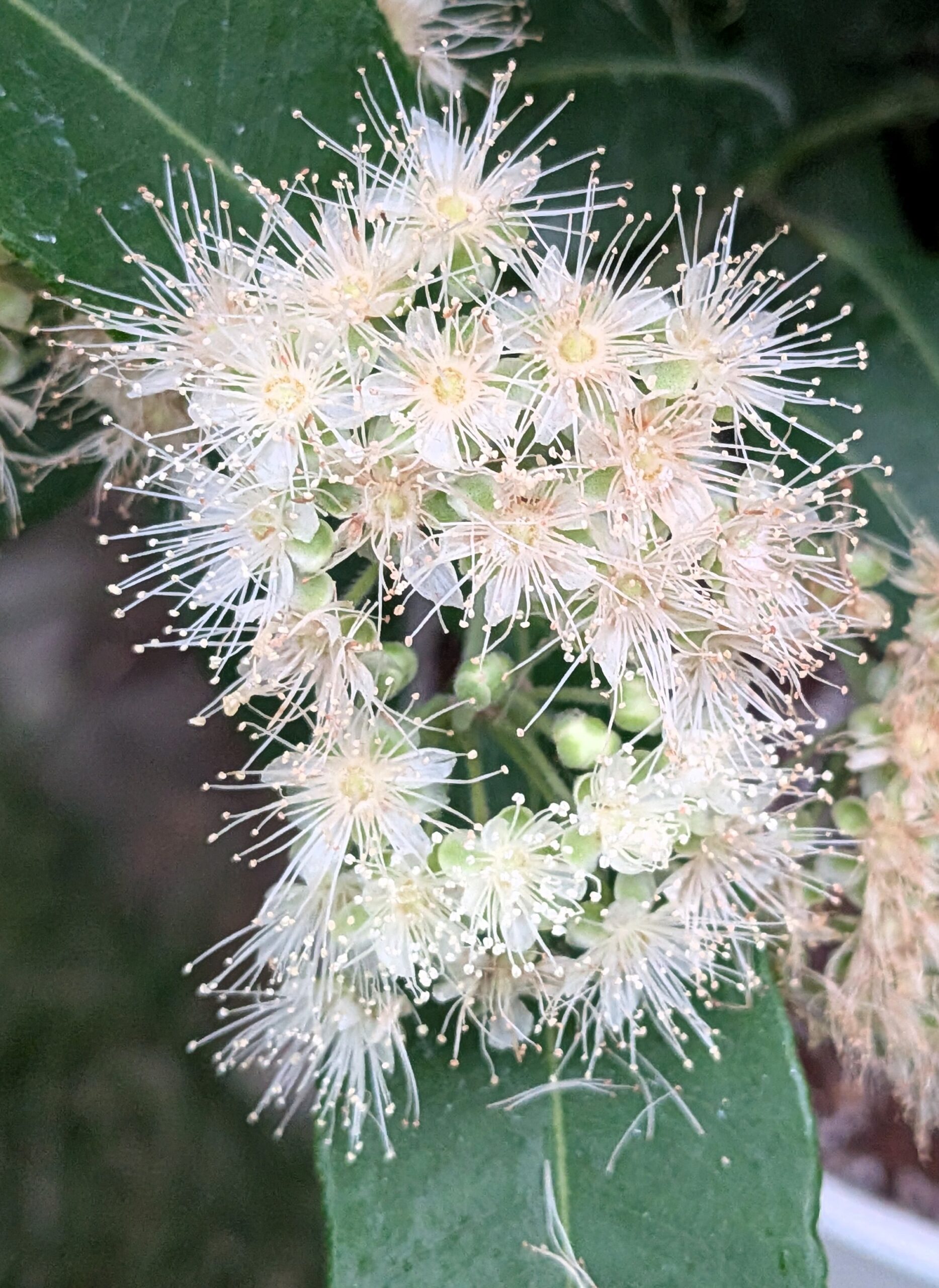
Look around many Japanese parks, university campuses or botanical gardens and you’ll probably spot a gum tree. Most people walk past without a second thought. Yet these unmistakably Australian trees have quietly become part of Japan’s landscape.
日本の公園や大学、植物園を歩いていると、ユーカリの木を見かけることがあります。しかし、多くの人はそれがオーストラリア原産だとは気付きません。今では、ユーカリは日本の風景に静かに溶け込んでいます。
An Aussie Arrives in Japan
オージーの木が日本へ
Eucalypts are native almost exclusively to Australia.
The first specimens arrived in Japan during the late 19th century, when the country was eagerly introducing plants from around the world for scientific study and forestry trials.
Botanical gardens played an important role in testing which species could adapt to Japan’s climate.
オージーの木が日本へ
ユーカリは、ほぼオーストラリアだけに自生する樹木です。
19世紀後半、日本が世界中から植物を導入していた時代に、ユーカリも研究や試験植林のため持ち込まれました。
植物園は、日本の気候に合う種類を調べる重要な役割を果たしました。
More Than One Tree
ユーカリは一種類ではない
Many people think “gum tree” means a single species.
In fact, there are more than 700 species of eucalypts.
Only a small number thrive in Japan, but those that do can be found from Hokkaido to Okinawa in parks, arboretums and university collections.
ユーカリは一種類ではない
「ユーカリ」は一種類の木だと思われがちです。
実際には700種以上が知られています。
日本で育つ種類は限られますが、北海道から沖縄まで、公園や植物園、大学の研究施設などで見ることができます。
A Favourite of Koalas—and Beekeepers
コアラだけの木ではない
Koalas made eucalypts famous around the world.
In Japan, however, the trees have found different admirers.
Some species are valued for their attractive bark and fragrant leaves, while others are planted by beekeepers because their flowers produce abundant nectar.
コアラだけの木ではない
ユーカリといえばコアラを思い浮かべる人が多いでしょう。
しかし日本では、それ以外の魅力でも親しまれています。
美しい樹皮や香りの良い葉を楽しむ人もいれば、蜜源植物として注目する養蜂家もいます。
A Living Symbol of Friendship
生き続ける友好のシンボル
Today, Australian eucalypts grow in botanical gardens, schools, parks and private gardens across Japan.
Some have been planted to commemorate Australia–Japan friendship or international exchange.
Each tree is a quiet reminder that ideas—and plants—travel remarkably well.
生き続ける友好のシンボル
現在では、日本各地の植物園や学校、公園、庭園でユーカリを見ることができます。
中には、日豪友好や国際交流を記念して植えられた木もあります。
一本一本が、植物も友情も国境を越えることを教えてくれます。
An Unexpected Taste of Home
オージーにとっての故郷の香り
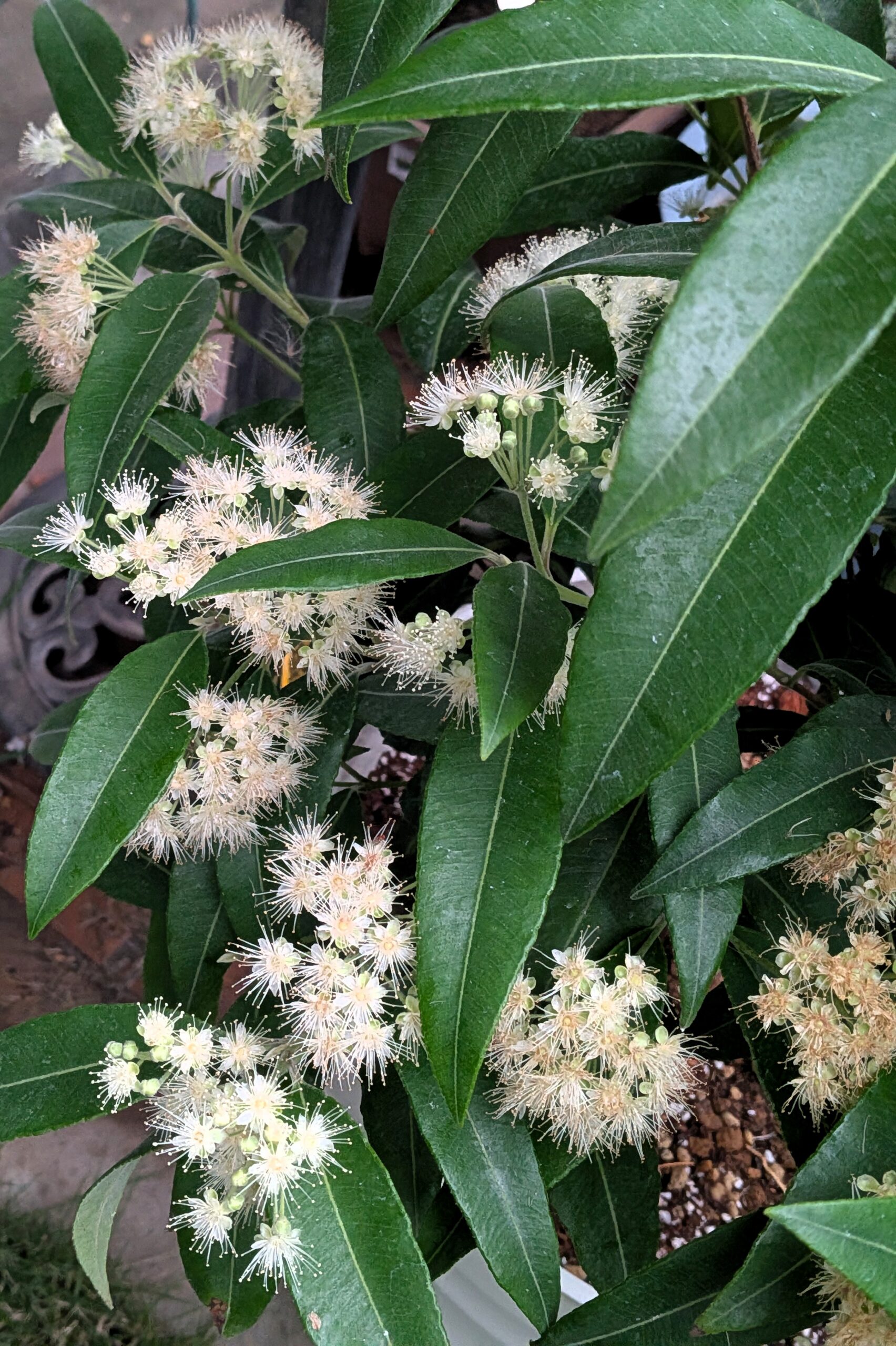
For many Aussies living in Japan, the scent of a gum tree is instantly familiar.
A warm day can release the distinctive aroma of eucalyptus leaves, bringing back memories of home.
It is a small but powerful reminder of the ties that have grown between Australia and Japan.
オージーにとっての故郷の香り
日本で暮らす多くのオージーにとって、ユーカリの香りは故郷を思い出させる特別なものです。
暖かい日に葉から漂う香りは、オーストラリアで過ごした日々をよみがえらせます。
それもまた、日豪交流が育んだ小さな贈り物なのです。
An Unknown Nichigo Story
「知られざる日豪交流」の物語
Trade figures measure commerce.
Diplomatic visits measure politics.
But a gum tree growing quietly in a Japanese park tells a different story.
It reminds us that Australia and Japan have been exchanging ideas, science and nature for well over a century.
「知られざる日豪交流」の物語
貿易額は経済を表し、首脳会談は外交を表します。
しかし、日本の公園に静かに立つ一本のユーカリは、別の物語を語っています。
それは、日豪両国が100年以上にわたり、植物や科学、そして文化を分かち合ってきた証なのです。
Did You Know?
Japan is home to dozens of cultivated eucalypt species. The largest collections can be found in botanical gardens and research institutions, where scientists study their growth, cold tolerance and potential uses in forestry and horticulture.
豆知識
日本では数十種類のユーカリが栽培されています。特に植物園や研究機関では、耐寒性や成長特性、園芸・林業への活用について研究が続けられています。
Sources
- Royal Botanic Gardens Victoria – Eucalypts of Australia
- Forestry and Forest Products Research Institute (Japan)
- Koishikawa Botanical Gardens, The University of Tokyo
- Plants of the World Online, Royal Botanic Gardens, Kew
- Royal Botanic Gardens Sydney