Brekkie/朝食

brekkie

Australian English
The term for breakfast, the morning meal.

日本語
朝食。

Plain English
Breakfast.

豪語日本語米・英語
Have a big brekkie to get the day off to a good start. 「はじめ半分」という感覚で朝食にいっぱい食べたほうがいいよ。Have a big breakfast to get the day off to a good start.
Mystery bags and googies ... a typically Aussie brekkie.ソーセージ・エッグが典型的なオージー朝食だ。Sausages and eggs ... a typically Australian breakfast.

Strine Dictionary

Cop A Gander At These Rippers Too...

  • どうやってオーストラリアの一部を東京で再現する?

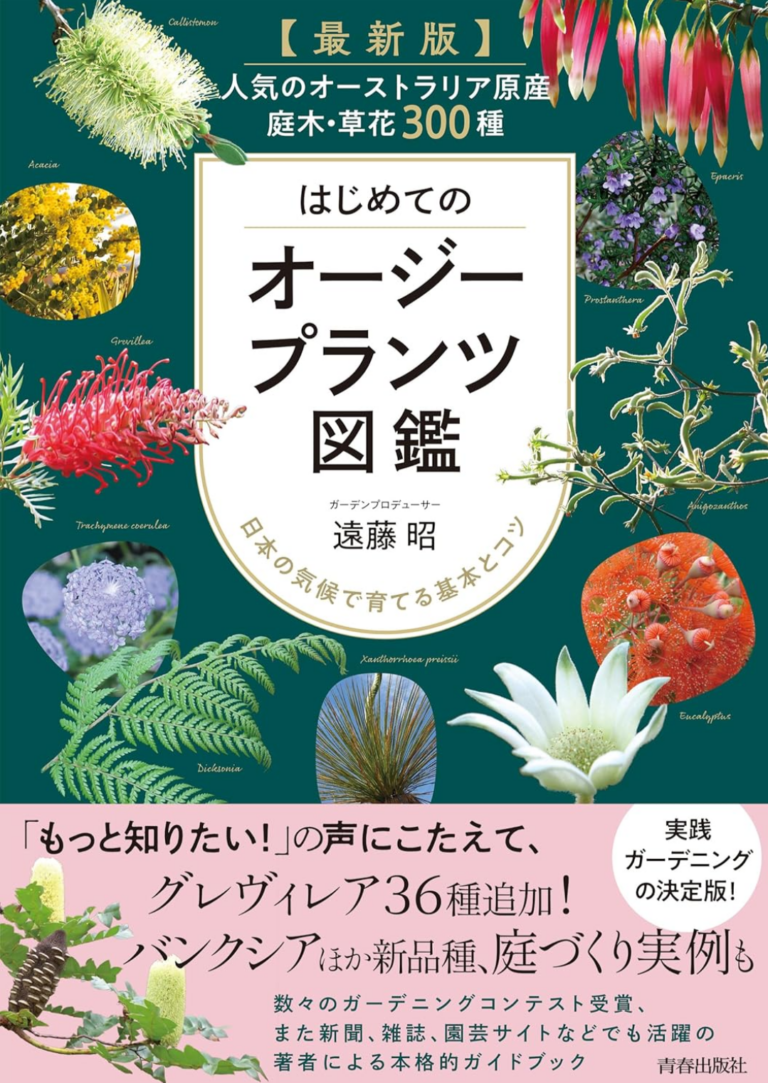
    How Would You Recreate A Slice Of Oz In Tokyo? まずは遠藤 昭(アレックス・エンドウ)さんに相談してみるといいでしょう。第二の人生をかけて、東京都内やその近郊でオーストラリア原産植物の庭づくりに取り組んでいる第一人者です。 Asking Alex Endo would be a good place to start as he has turned his second life into creating small plots of Australian native plants found in the Tokyo capital area. 遠藤さんは日曜日、日本でバンクシアやグレビレアをはじめとするオーストラリア原産植物を育てる方法について講演を行いました。 Endo spoke on Sunday about how to grow a slice of Australia such as banksia, grevillea and other Australian plants in Japan. 今週発売された『最新版 はじめてのオージープランツ図鑑』の著者であり、日豪交流の架け橋でもある遠藤さん。この日は初心者向けと、すでにオージープランツ栽培を楽しんでいる人向けの2回にわたり、魅力あふれる講演を披露しました。 The author of はじめてのオージープランツ図鑑』 (“The Beginner’s Guide to Aussie Plants”) released this week, and a great bridge builder between Japan and Australia, gave a pair of captivating lectures; a morning session for beginners and the later session aimed at those who’ve already…

  • 何でオージー英語では金持ちがStinking?

    Why Do The Wealthy Smell In Strine? オーストラリアの俗語では、富はただ輝くだけでなく、どうやら「臭う」ものらしい。 誰かを”stinking rich”(腐るほど金持ち)と呼べば、その人がどれほど裕福かが 一発で伝わる。 Riches, in Australian slang, don’t just glitter; they smell. Call someone “stinking rich” and everyone instantly knows exactly how wealthy you mean. Meaning “stinking rich”は「非常に、過剰に裕福」という意味で、ほとんど嫌みなほど 金持ちだというニュアンスを持つ。この表現自体はオーストラリアだけのものでは なく、イギリスやアメリカの英語でも広く使われている。ただしオーストラリアでは、 かつての牧羊業で一夜にして富を築いたスクワッターや羊毛長者たちの物語で、 特によく使われる表現でもある。 “Stinking rich” means extremely, excessively wealthy — so much money it’s almost distasteful. The phrase isn’t unique to Australia; it’s common across British and American English too. But Australians lean on it heavily in stories about old pastoral fortunes — the squatters and wool barons whose sheep runs made them wealthy almost overnight. Example “He struck it lucky on the goldfields and ended up stinking rich.” 「彼は金鉱で運よく大当たりして、腐るほど金持ちになった」 何で金持ちが臭い? “stinking”という単語を「臭い」ではなく「過剰な」という強調語として使う 発想は、日本語話者には少し不思議に感じられるかもしれない。似た発想の…

  • How Can One Little Word Like “Do” Mean So Many Different Things?

    Aussieの「Do」がこんなに意味を持つのはなぜ? 「Do」は「する」だけじゃない! 英語を勉強すると、最初に覚える動詞のひとつが do です。 でも、Aussieの会話を聞いていると、 “We’re having a do on Saturday.” と言ったかと思えば、 “He did all his money at the races.” さらに、 “You’ll do, mate!” ……えっ? 同じ do なの? 実はStrineでは、do は驚くほどたくさんの意味を持つ便利な言葉なのです。 Expression do 発音 /duː/ Meaning ① パーティー・集まり We’re having a do this weekend. 「今週末、パーティーをやるんだ。」 誕生日会や送別会など、人が集まるイベントを a do と呼びます。 ② お金を使い果たす He did all his money in one night. 「彼は一晩でお金を全部使ってしまった。」 特に競馬やギャンブルの話でよく耳にします。 ③ ケガをする・痛める I’ve done my back. 「腰を痛めちゃった。」 スポーツや力仕事のあとによく使われる表現です。 ④ 「いいね!」「気に入った!」 She’ll do! 「いいね!」 He’ll do me! 「彼、気に入った!」 「十分いい」「申し分ない」という気持ちを表します。 ⑤ やっつける・殴る They threatened to do him. 「彼をやっつけると脅した。」 映画や犯罪ドラマなどで耳にする少し荒っぽい言い方です。 Example You’ll do, mate! 「いいじゃないか、その調子!」 また、 We went to a birthday do on Saturday. 「土曜日は誕生日パーティーに行ったよ。」 日本人ならどう言う? 日本語でも「やる」は、 など、いろいろな意味で使われます。 do も、それによく似ています。 文脈を見ないと、本当の意味は分からないのです。 Aussie…

  • |

    日本人が知っている豪先住民語

    Modern Japanese is filled with examples of borrowed words from foreign languages, which are known as gairaigo. “G’day” is probably widely known throughout Japan as a symbol of Australian English, but there are some even more uniquely Australian words that have also made their way into Japanese.  現代の日本語は、外国語を由来とする、いわゆる外来語が多く、オージー英語から来ている言葉もその例外ではない。日本では「グッダイ」が、オージー英語の典型的な例としてよくあげられるが、実際に日常生活の中でもオーストラリア先住民語が使われているという事実がある。

  • |

    How Australian Plants Found A Home At A Century-Old Japanese Nursery

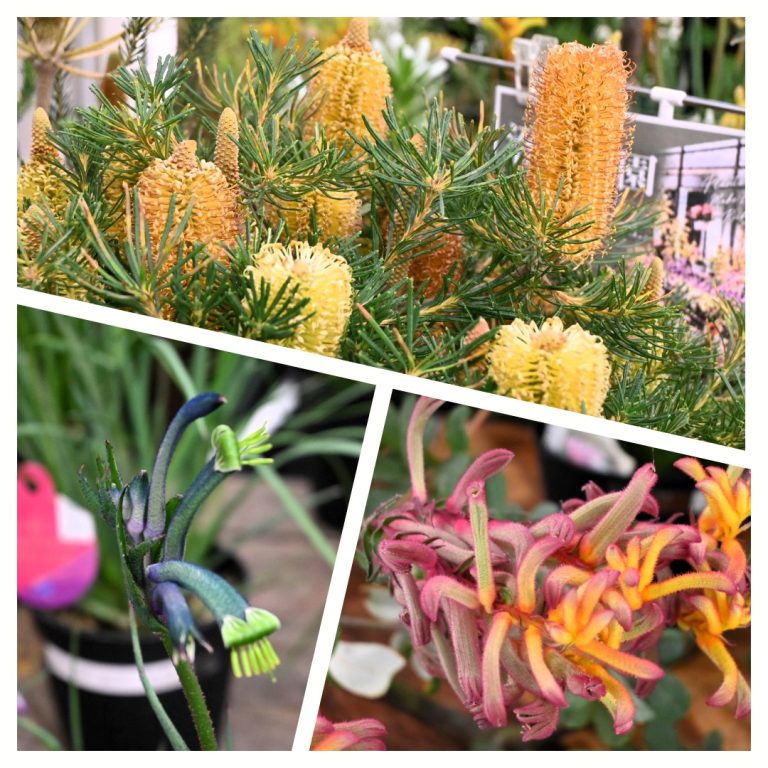
    日本の老舗園芸店が育てるオージープランツの魅力 Japan’s love affair with Australian plants is growing, and one of the nurseries helping it flourish is 沼ノ上農園 (Numanoue Nouen) in Minami-Urawa, Saitama. We visited the nursery’s pop-up shop earlier today at Urawa PARCO, where we met Jun-san, the flower shop owner’s son, and Ryota-san and discovered more about their enthusiasm for Australia’s distinctive botanical treasures. Established in 1912, 沼ノ上農園 has spent more than a century serving local gardeners. Today, alongside seasonal flowers and houseplants, it has developed a particular interest in オージープランツ (Oji Plants), the Japanese gardening term for Australian native plants. Banksias, grevilleas and kangaroo paws offer something different from the familiar flowers of Japanese gardens. Their…

  • Do Aussies Zigzag When They Get “Crooked On” Someone?

    Aussieが「Crooked on」と言うとき、どんな気持ち? 「曲がっている」わけではありません 英語の crooked と言えば、「曲がった」「ゆがんだ」や、「不正な」という意味を思い浮かべる人が多いでしょう。 でも、Aussieが “I’m crooked on him.” と言ったら、話は別です。 この crooked on は、 「~が気に入らない」「~に腹を立てている」「~を嫌っている」 という意味のStrineです。 相手への不満や怒りを表すときによく使われますが、激しい憎しみというより、「ムッとしている」「納得がいかない」という程度の場面でも耳にします。 🦘 Expression crooked on 発音 /ˈkrʊkɪd ɒn/ 🦘 Meaning 人や物事に対して腹を立てる、気に入らない、嫌悪感を抱くこと。 また、自分自身に対して使えば、 I’m crooked on myself. で、 「自分が情けない」「自分に腹が立つ」 という意味になります。 🦘 Example I’m still crooked on him for breaking his promise. 「約束を破ったことが、いまだに許せないんだ。」 または、 I’m crooked on myself for saying that. 「そんなことを言った自分が情けない。」 🦘 日本語で言うと? 状況によって、 などが近い表現になります。 怒鳴るほどではないけれど、心の中で引っかかっている──そんな気持ちを表す便利な言葉です。 Aussie × Japan 日本でも、「ちょっと引っかかる」「まだ根に持っている」という気持ちはよくあります。 Aussieも同じです。 ただ、「I’m crooked on him.」と一言で表せるのは、Strineならではの面白さでしょう。   Strineには、辞書だけでは意味が分からない表現がたくさんあります。crooked on もそのひとつ。「crooked=曲がった」と覚えているだけでは、本当の意味にはたどり着けません。言葉は、その国で暮らす人たちの気持ちや文化を映す鏡。だからStrineを知ることは、Aussieを知ることでもあるのです。 📚 関連記事