ファースト・オーストラリアンズ Episode 6 Part 3/5
「ファースト・オーストラリアンズ」(英語)は、2008年作のドキュメンタリー。先住民の視野からオーストラリアの歴史を記録する。必見だ!
今日は6作目5部中3部目。
「ファースト・オーストラリアンズ」(英語)は、2008年作のドキュメンタリー。先住民の視野からオーストラリアの歴史を記録する。必見だ!
今日は6作目5部中3部目。
Shiela Australian English This term for a woman is another famous example of Australian English. Though still used frequently, it is regarded as derogatory toward women and many people find the word offensive. It is a common insult to refer to a man as “acting like a shiela.” 日本語 女。Shielaは、未だによく使われていながら典型的オージー英語の例でもあるが、女性に対して軽蔑的な言葉と見られる人が多く、使用を侮辱的に受け取る方も少なくない。男性に対して「shielaのように振る舞わな!」をいうと完全に侮辱する。また、あまり使われていないが、日本語でも鱪という言葉があり、日豪共通言葉でもある。 Plain English A woman. Strine Dictionary
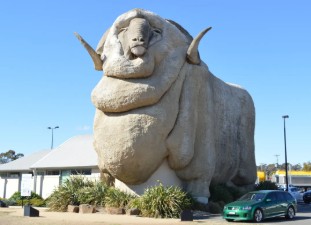
イギリスが刑務植民地した1788年以降オーストラリアの存在に大きく関わって、壮大な貢献をしてきた羊。 羊毛でも羊肉でも、そして羊製品などが19世紀初代から現在に渡ってオーストラリアにとって重要な輸出物であり、国内では雇用や商売にかかせない存在だ。 人間一人に対して10匹以上もいる羊がオーストラリアがこの動物をどんなに頼るのかを示すだろう。 だとしたら、もう一つオーストラリアの象徴である形式で称えてもいいだろう? もちろん、羊関係が「Big Things」の仲間に入っている。 実は、同じものを何回も祝っている場合もある。 たとえ、Big Merinoだ。 ニューサウスウェールズ州にあるゴールバーン市が地方都市であり、羊牧場などと歴史が長い。 オーストラリア初内陸都市とも言われているこのゴールバーン市。 メルボルンとシドニーを繋がるヒューム・ハイウェイに位置している。 同市の観光名所となっているBig Merinoがそこに置かれている。 恐らくオーストラリアの数多くある「Big Things」の中の有名なオブジェ一つと思う。 ここではお店やお土産屋などがある。 もう一つのBig Merinoもある。 これがクイーンズランド州のブラッコールという小さな町にある。 ブラッコールという町も同町のBig Merinoのいずれもゴールバーンに負けるがオージー英語ではこの小さな町が重要な役割を果たしている。 オーシー英語では、Beyond the black stump(黒い<木などの>株の彼方という意味)という表現がある。「はるかの奥地」を示す表現だ。 そして、元々の黒い株がこのブラッコールにあったという。(他の町にも同じことを言っている箇所が多数あるけどね、、、)。 ちなみに、Big Merinoのメリノが羊の種類であり、オーストラリアの羊産業で最も関係した種類だ。 ふたつのBig Merinoがあると同じように二つのBig Ramもある。 (ところで、ラム<ram>が「雄羊」という意味、ラム<lamb>(子羊)じゃない。) まず、南オーストラリア州にあるカルーンダ町にBig Ramがある。 これが同地域が羊毛及び羊肉が盛んだから羊を称えようとして作られた「Big Things」だそう。 高さ2メートル位なので、それほどビッグではないよね。 間違いなくデカイRamは西オーストラリア州のBig Ramだ。 これがウェジンという町にあり、考えRooが以前に取り上げている。 また、ラム(雄羊)だけではない。 今回こそラム(子羊)を称える「Big Things」がある。 ニューサウスウェールズ州に一旦戻って、ガイラという町にたどり着く。 ここには子羊だけでなくじゃが芋を称える「Big Things」がある。 ガイラのBig Lambは子羊像であるが、その可愛いな子羊がじゃが芋の上に座っているような感じとなっている。 この地域は、じゃが芋も名産物だそうだ。 そして、それだけじゃない。 羊より羊からとった羊毛もちゃんと「Big Things」に入る。 これがビクトリア州に羊毛生産地として有名なハミルトンではBig Wool Balesがある。 このオブジェが羊毛の袋をでかくしたものだ。 羊毛袋をしているビルは実際にお土産屋とカフェだ。 * これが「Big Things」シリーズ最後となります。
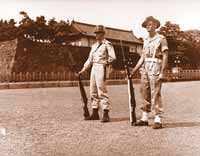
Not long after the end of World War II, John Collins would sit and eat sandwiches at Ground Zero in Hiroshima, then sift through the rubble left from the city subjected to the world’s first nuclear attack for items he thought could become historically valuable. 戦後間もなく、ジョン・コリンズ氏は、広島市の原爆中心地に座ってサンドウィッチを食べてがれきの中に歴史的に価値のあるものを探し回ったことがあった。 Collins was then a 19-year-old sapper with the Australian troops making up the bulk of the British Commonwealth Occupation Forces (BCOF) stationed in Japan from February 1946 to April 1952. 当時、コリンズ氏は、1946年2月から1952年4月の間で英国連邦進駐軍(BCOF)の約9割で構成したオーストラリア軍の一人だった。19歳だった。

Australia beef is the most visibly successful Australian export to Japan, leaving considerable distance to its closest rivals, which these days are probably Tim Tams, Miranda Kerr and hordes of drunken ocker snow bunnies in country towns like Niseko and Hakuba. To be honest, Oz doesn’t really enter the consciousness of most Japanese, except for Aussie Beef, which is probably the first thing that comes to mind for many Nihonjin when asked about Oz. And this year, Meat & Livestock Australia Ltd (MLA) is going all-out to try and convert Japanese consumers to worshiping the barbie in much the same manner that many Aussies do. MLA is conducting a huge…
Crikeyはこの十数年でアメリカを中心に典型的なオージー英語の一つとなったが、実際にその一昔前までに死語になりつつあった。復活の理由は故スティーブ・アーウィン氏にあった。 多くの日本人にとって「スティーブ・アーウィン」が反捕鯨団体シー・シェッパードが使う船の名前かもしれないので、あまりいい印象を持てないかもしれません。 しかし、アーウィン氏は環境保全に熱心な方政治的に動くより「地球人」の一人みたいだった。陽気で明るく多くの人々に対してワニをはじめ多くのオーストラリア動物のことを世界中に紹介した。 アーウィン氏は、1990年後半からアメリカのテレビで「Crocodile Hunter」としてオーストラリアの大自然を紹介する番組や映画で大ヒットをし、得た資金を使って家族が古くから運営したAustralia Zooの運営などに使った。同氏が撮影中動物を見たどたんに「crikey」と叫ぶ、近く彼のうたい文句となった。アーウィン氏の人気が高まるとともにその言葉が彼自身そしてオージー英語のシンボルの一つとなった。 残念ながら5年前撮影中エイに刺されて他界へ。しかし、彼のおかげで「crikey」が不滅となり、現在オーストラリアで最も成功しているオンライン・ニュースサイト名にもなっている。
We use cookies to improve your experience on our site. By using our site, you consent to cookies.
Websites store cookies to enhance functionality and personalise your experience. You can manage your preferences, but blocking some cookies may impact site performance and services.
Essential cookies enable basic functions and are necessary for the proper function of the website.
These cookies are needed for adding comments on this website.
Statistics cookies collect information anonymously. This information helps us understand how visitors use our website.
Google Analytics is a powerful tool that tracks and analyzes website traffic for informed marketing decisions.
Service URL: policies.google.com (opens in a new window)