And Now, The End is Near

It began to sink in on this morning’s ride along the Tama River that this aspect of my life, such a crucial activity over the years of the covid pandemic, is drawing to a close.
Many people are fixtures along the river, just as I suppose I must be for them.
Over the years we have become familiar and share greetings, as well as inspiration, and sometimes even the occasional conversation and, dare I say it, friendship.
Next week, I begin a new job and will commute into central Tokyo once again.
My commute will, unfortunately, be by train, and not by bicycle as it was for many years with my previous job in the center of the capital.
I will miss a lot of the people who had been a part of my daily life, even if our acquaintance was never more than fleeting. And it struck me today that I may never see many of them again. It’s a little sad, as for a long time they were my sole source of physical interaction with the outside world.

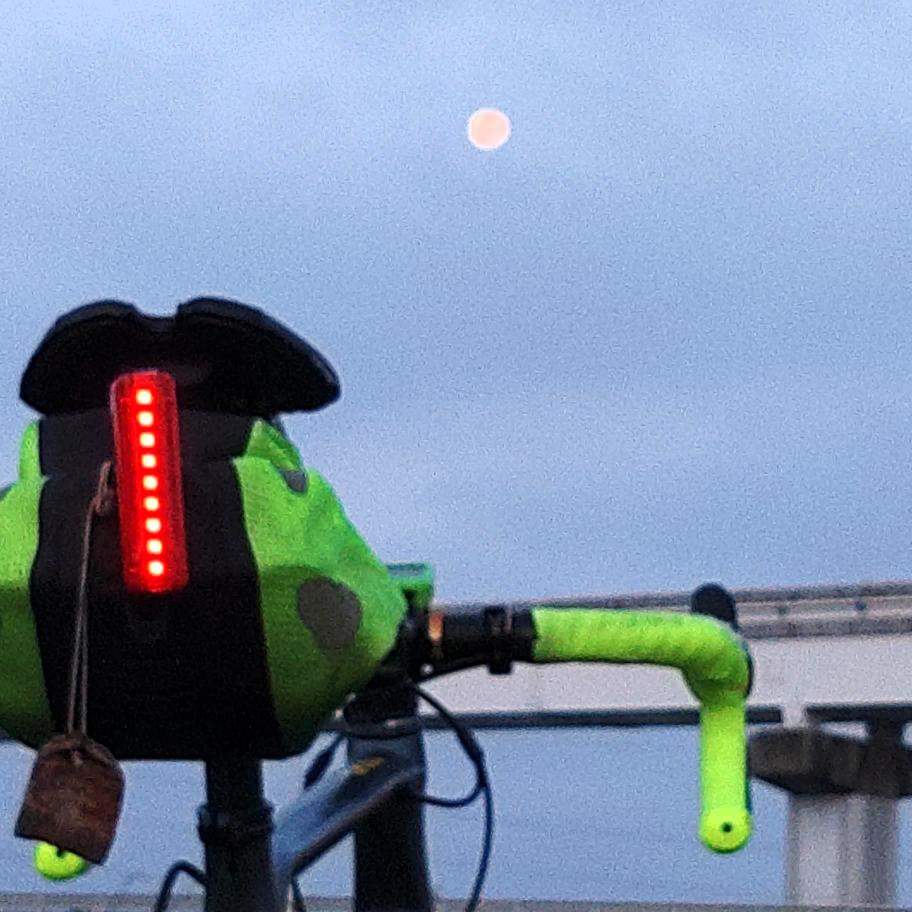
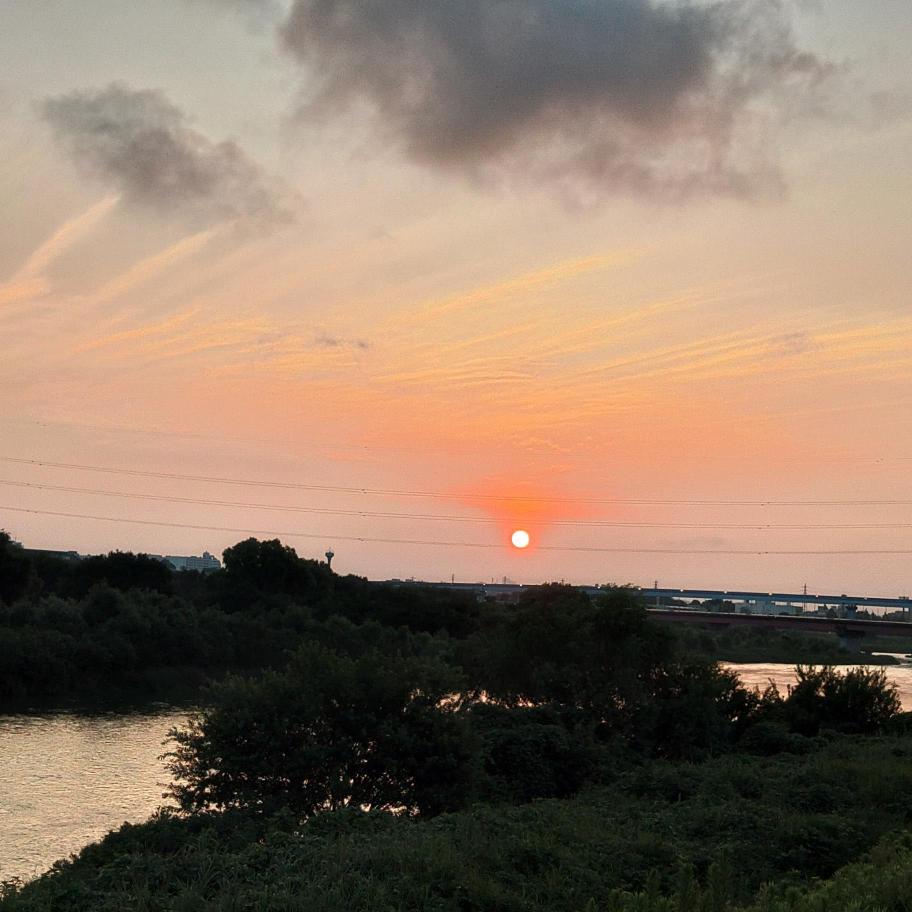
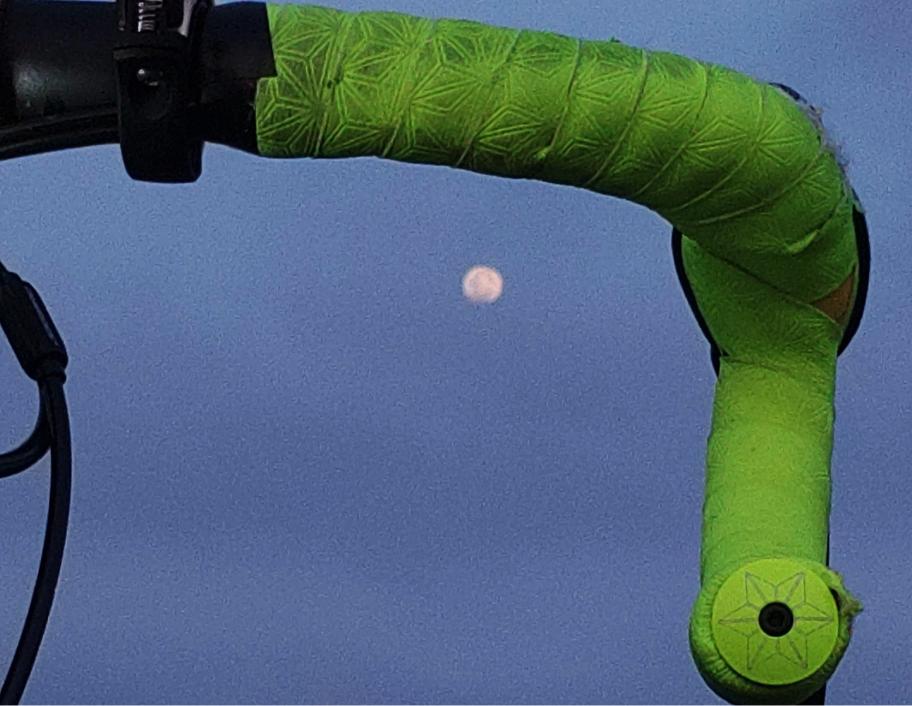
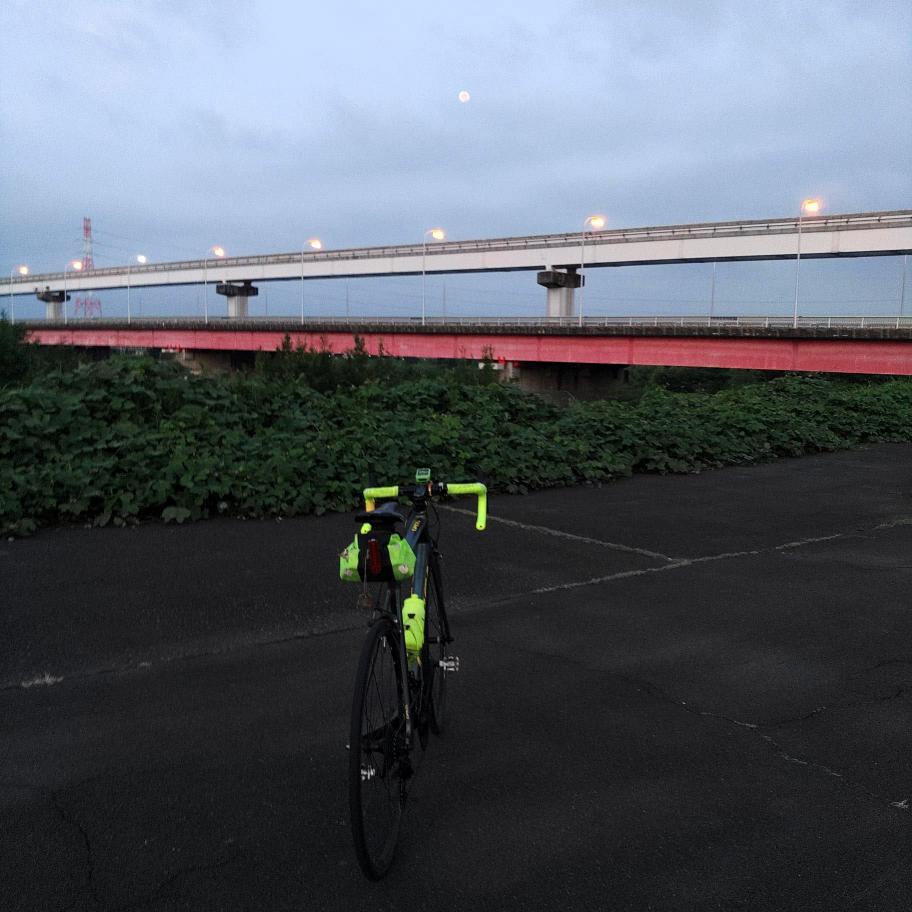
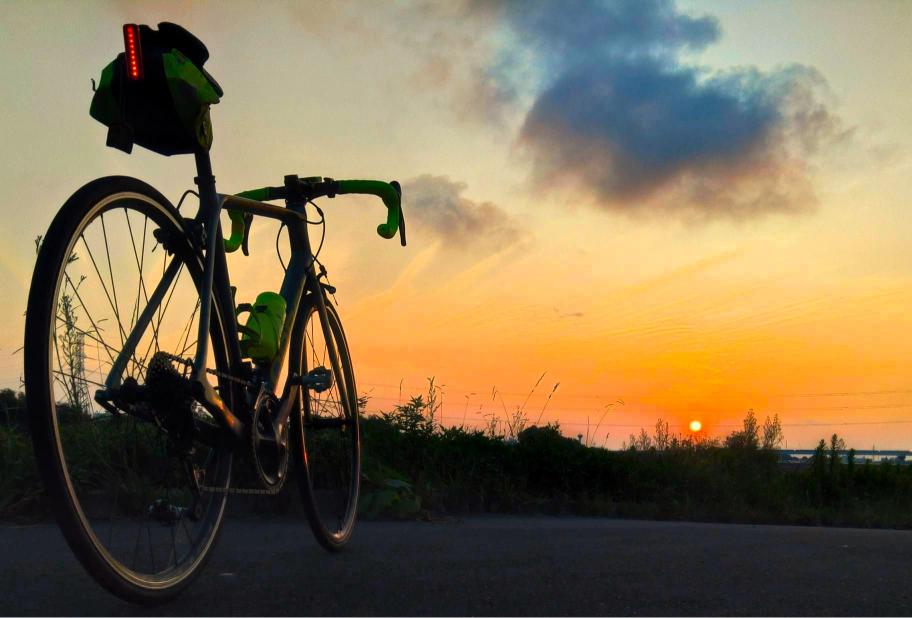
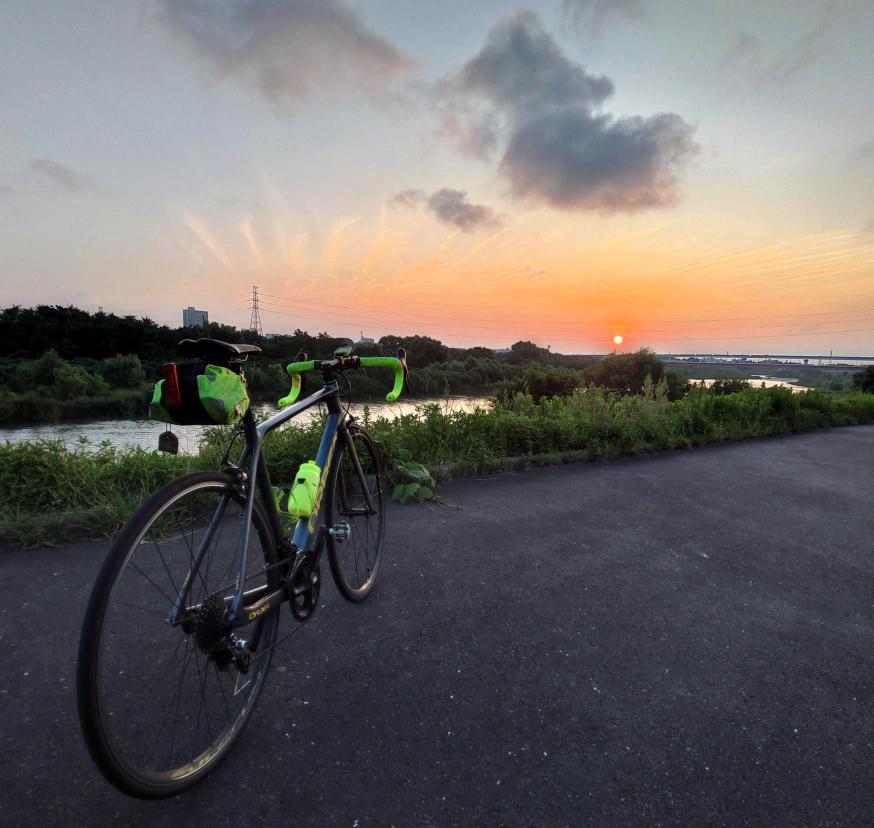
My poignancy was heightened by the glorious conditions, with a full moon glowing resplendently as I set off and a glorious sunrise greeting me as I headed back home down river. The ride was really delightful, even if I wasn’t able to build up the speeds I would have liked.
It was also nice that a new section of track has opened beneath Hino Bridge. I wonder if the contractors knew they had destroyed the habitat of a Japanese pheasant that lived in the area?

Today will be a day of study, preparation and a short trip to get a haircut. Tomorrow is set to be a long day on the bike as I go off to collect a variety of items we’ve recently found on secondhand sales sites on Facebook.

All that was wrong with this morning’s ride was the bloody tetsuo, who swarmed to the railway bridge to take their train photos on a morning that presented us with what I refer to as our Apocalypse Now sunrise, where the sun appears like a huge orb shuttered by wispy clouds. The trainspotters took all the good photo spots. Mind you, I didn’t have a camera good enough to capture the image anyhow.
Cop A Gander At These Rippers Too...

  • Oz Has a Purr-fectly Good Map of Australia On Her Snout

    Oz is a 5-year-old cat with a unique characteristic that makes her purr-fectly pertinent for news about Australia. This peculiar pussy’s special snout is adorned with an amazingly accurate map of Australia! Incredibly, Oz is from Australia. The Oriental Longhair breed first made news when she was shown at the Royal Easter Show in Sydney a few years back. Lucky for Oz that her unique markings clearly resembled Australia. When it comes to Down Under-related cartography, be particularly careful when it comes to the Map of Tassie, which has an entirely different meaning to what it suggests, but considering Oz, at least maintains the pussy connection.

  • In Order To Twinkle You More Beautifully…..

    March 1, 2011 What a nightmare! My roommates’ snoring was like roaring thunder and wailing harpies. They kept me awake nearly all night. I feel tired, angry and irritated. And I’m also miserable and filled with self-pity. I have to pick myself up and keep fighting. I’m kicking myself for having lost a couple of job ads. I wasn’t expecting a great deal, anyway. It’s cold and bleak again today as, once again, the weather perfectly sums up my state of mind. I have to try and contact H-san to act as the third party so I can collect my personal belongings from the home. The numbers I have don’t…

  • この言葉本当にオージー英語で大活躍Bar None?

    「バー」じゃない?オーストラリア英語の Bar Bar と聞くと、多くの人はお酒を飲むバーを思い浮かべます。 ところが、オーストラリア英語では bar にまったく違う意味がいくつもあります。 例えば、 “I won’t have a bar of it.” これは 「そんな話、お断り。」 「絶対に受け入れない。」 という意味になります。 また、昔は自転車のハンドルやフレームに人を乗せることを bar と言うこともありました。 子どもの遊びでは、「先に bar! と言った人が権利を持つ」という意味で使われる地域もあります。 つまり bar は、一つの意味だけでは理解できない、多義語なのです。 文脈を読むことが何より大切になります。 Strine 単語 Bar 意味 文脈によって意味が変わる表現。 代表的には、 例文 I wouldn’t have a bar of it. 「そんな話には絶対に乗らないよ。」 日本とのつながり 日本語にも「かける」のように意味がたくさんある言葉があります。 英語も、一つの単語が複数の意味を持つことは珍しくありません。 辞書で最初に出てくる意味だけを覚えると、本当の英語は見えてきません。Barはchuckやcrackなどに並べてオージー英語で大活躍動詞の一つ。「禁止する・通さない」、「自転車の二人乗り」、「権利を出張する」「唾を付ける」などとして使うことがある。文脈を読む力こそ、オーストラリア英語を楽しむ近道です。

  • | |

    「やばいリンガル」 Sport

     オーストラリアはスポーツ大国に間違いない。sportも典型的なオージー英語として使われる言葉だが、他の英語圏での意味と全く違う。どのように違うか見てみよう。 Australia is undoubtedly a sporting power, but sport in Strine, or Australian English, has a completely different meaning compared to when the word is used in other forms of English. Read on to find out how.

  • How Can One Little Word Like “Do” Mean So Many Different Things?

    Aussieの「Do」がこんなに意味を持つのはなぜ? 「Do」は「する」だけじゃない! 英語を勉強すると、最初に覚える動詞のひとつが do です。 でも、Aussieの会話を聞いていると、 “We’re having a do on Saturday.” と言ったかと思えば、 “He did all his money at the races.” さらに、 “You’ll do, mate!” ……えっ? 同じ do なの? 実はStrineでは、do は驚くほどたくさんの意味を持つ便利な言葉なのです。 Expression do 発音 /duː/ Meaning ① パーティー・集まり We’re having a do this weekend. 「今週末、パーティーをやるんだ。」 誕生日会や送別会など、人が集まるイベントを a do と呼びます。 ② お金を使い果たす He did all his money in one night. 「彼は一晩でお金を全部使ってしまった。」 特に競馬やギャンブルの話でよく耳にします。 ③ ケガをする・痛める I’ve done my back. 「腰を痛めちゃった。」 スポーツや力仕事のあとによく使われる表現です。 ④ 「いいね!」「気に入った!」 She’ll do! 「いいね!」 He’ll do me! 「彼、気に入った!」 「十分いい」「申し分ない」という気持ちを表します。 ⑤ やっつける・殴る They threatened to do him. 「彼をやっつけると脅した。」 映画や犯罪ドラマなどで耳にする少し荒っぽい言い方です。 Example You’ll do, mate! 「いいじゃないか、その調子!」 また、 We went to a birthday do on Saturday. 「土曜日は誕生日パーティーに行ったよ。」 日本人ならどう言う? 日本語でも「やる」は、 など、いろいろな意味で使われます。 do も、それによく似ています。 文脈を見ないと、本当の意味は分からないのです。 Aussie…