Why Have Thousands Of Young Aussies JET-ted Off To Live And Work In Japan?

なぜ何千人ものオージーが日本で暮らき、働く道を選んだのでしょうか?
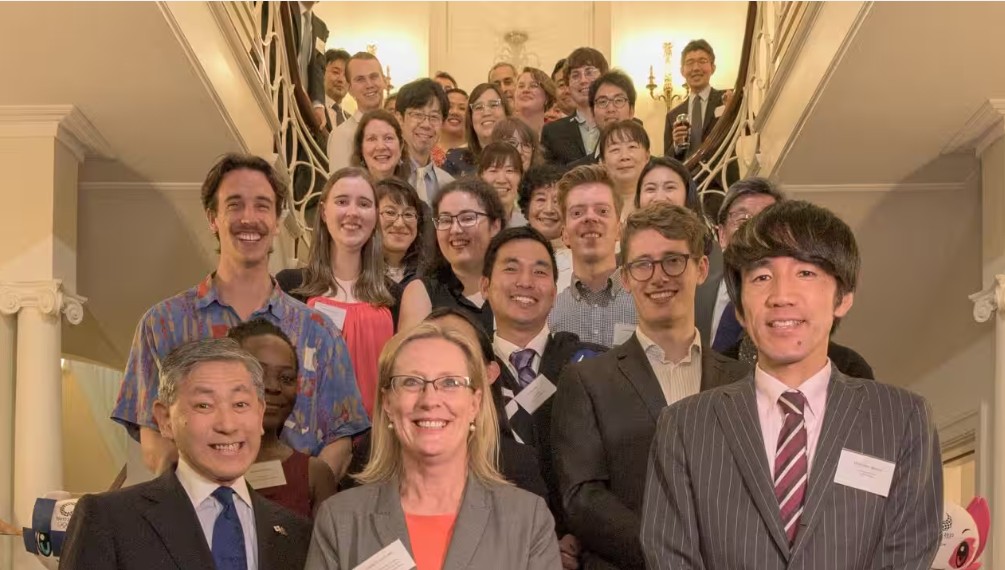
Since 1987, the JET Programme has brought thousands of young Australians to Japan as assistant language teachers and international coordinators. Many arrived expecting a one-year adventure, but found lifelong friendships and careers instead.

1987年に始まったJETプログラムは、何千人ものオーストラリアの若者を外国語指導助手(ALT)や国際交流員として日本へ迎えてきました。1年間の経験のつもりが、一生の友情や仕事につながった人も少なくありません。


An idea with a big vision

大きな夢から始まった交流事業

The Japan Exchange and Teaching (JET) Programme was launched in 1987 by the Japanese Government to promote international understanding at the local level. Australia became one of the first participating countries and remains one of the programme’s largest partners.

JETプログラムは1987年、日本政府が地域レベルで国際交流を深めることを目的に始めました。オーストラリアは開始当初から参加しており、現在も主要な参加国の一つとなっています。


Far more than teaching English

英語を教えるだけではない

Australian participants teach English in schools, but they also introduce students to Australian culture, sport and everyday life. In return, they learn Japanese language, customs and traditions while becoming part of their local communities.

参加したオーストラリア人は学校で英語を教えるだけではありません。オーストラリアの文化やスポーツ、日常生活も紹介します。一方で、日本語や地域の習慣、伝統を学び、地域社会の一員として暮らしていきます。


Friendships that last decades

何十年も続く友情

Many former JET participants have gone on to become teachers, diplomats, business leaders, translators and academics. Others simply treasure the lifelong friendships they formed with Japanese colleagues, students and host families.

JET参加者の中には、教師や外交官、企業人、翻訳者、研究者として活躍する人もいます。一方で、日本の同僚や教え子、ホームステイ先の家族との友情を何十年も大切に育み続けている人も数多くいます。


Australia and Japan still benefit

今も続く日豪のつながり

Nearly four decades after it began, the JET Programme continues to strengthen Australia–Japan relations one community at a time. Every classroom lesson, school festival and local conversation helps build understanding between the two countries.

開始から約40年がたった今も、JETプログラムは地域レベルで日豪の絆を育み続けています。教室での授業や学校行事、地域での何気ない会話の積み重ねが、両国の相互理解につながっているのです。


One journey, two homes

一つの旅が、二つの故郷をつくる

Many Australians arrive in Japan expecting to teach. Instead, they discover a second home. Likewise, countless Japanese students remember the Australian teachers who opened a window to another culture. Few programmes have done more to build lasting friendship between Australia and Japan than JET.

日本で教えるために来たはずのオーストラリア人が、やがて「第二の故郷」を見つける――それがJETプログラムです。そして日本の子どもたちもまた、オーストラリア人の先生との出会いを通して世界を広げてきました。日豪友好を育んできた交流事業として、JETほど大きな役割を果たしたものは多くありません。

More About JET

Cop A Gander At These Rippers Too...

  • | |

    豪キャブラリー: Cozzie

    Cozzieは典型的なオージー英語であり、典型的なオーストラリアのものでもある。多くの人にとってオーストラリア人の印象はライフセーバーである。そして、そのライフセーバーの制服と言うべきものがcozzieだ。そうだ!Cozzieは水着のことだ。死語のswimming costume「泳ぐ服装」のオージー英語らしい省略言葉だ。  島大陸のオーストラリアは世界有数の水泳大国でもあり、有名なSpeedo水着はオーストラリア生まれだ。長年Speedo社は自社製水着をGreat Aussie Cozzieという語呂合わせしたコピーを使っていた。  水泳大国らしくオージー英語では「水着」という意味の語彙が豊富であり、cozzie以外にswimwear, bathers, trunks, togsなどもある。

  • |

    いち早くCool Japanを先駆けて80・90年代の豪テレビCM

    Japan was trending in Australia long before it became flavor of the month in the way it has in recent years courtesy of Cool Japan. 近年の「クール・ジャパン」現象はオーストラリアでは、かなり昔から現れていた。 During the late 1980s through to the mid-1990s, a time when trade friction between a seemingly unstoppable Japan and the struggling United States resulted in such incidents as American autoworkers using sledgehammers to demolish a Japanese car, Australia was slowly moving out of its self-imposed isolation to embrace the Asia-Pacific region and building the firm relationship it now has with Japan. Australia was a pioneer in the Japan Exchange and Teaching (JET) and Working Holiday programs now welcoming thousands of people from all over…

  • | |

    砂漠のド真ん中の不思議なさいころ、Big Dice

     オーストラリア全国の百数十ヶ所にある「Big Things」の中、ほとんどのオブジェなどがなんとなく所在地と関連付ける理由があるが、南オーストラリア州の砂漠町ユンタとマナヒルの間にある巨大さいころBig Diceは、その気配でさえ全く無い。  さいころなら、カジノやゲームなどが近くにあっても不思議ではないが、実際になにもない。想像がつかないほどものが無い。ただ、砂漠の中、人口約100人ぐらいしかない二つの町の間に置かれているだけだ。看板もないし、周りに何も無く、コンクリート製さいころ6個が三角形で積み重ねているだけだ。B級アトラクション中のB級だ。   さいころがバリア・ハイウェイという道添えにある。バリア・ハイウェイが同州とニューサウスウェールズ州の砂漠地帯を繋がる道路であり、人口密度が極めて低いところだ。その中で観光スポットを作ろうと思った人がいるのはなかなか理解できないが、同道路を通る人のほとんどが止まって見に行くらしい。 大きな地図で見る

  • | |

    豪州アイコンが引退へ

    もしかして世界で最も有名なオーストラリア人エンターテーナーが現在のツアーが終了するにもって引退することを最近発表した。  日本ではそれほど馴染みがないが少なくとも英語圏ではデイム・エドナ・エヴァレッジが舞台をやめることになった。  メルボルン市モーニー・ポンズ在住(埼玉県春日部市の感覚かな?)自称主婦兼メガースターデイム・エドナは、広く愛され続けてイギリス皇室をはじめ世界中に1956年のデビュー以来の50年以上に渡っててファンを集まった。  現在、オーストラリアで自身の舞台ツアーが行っているが、終わったら(まだ終わりの日付が未定)二度と舞台に上がらないという。  ド派手で自慢話が特徴だけど、ユーモア溢れているデイム・エドナは本当に存在感が偉大であり、演奏しないと多くの人が恋しくなるだろう。  ちなみに、デイム・エドナ人気のもう一つの理由はコメディアンバリー・ハンフリーズ氏(男性)が演出している。同氏が既に78歳であるので、エドナ引退に関わった可能性もある。 デイム・エドナについてさらに詳しくはこちらへ。 Story about Dame Edna Everage’s retirement (English)

  • | | | |

    Kangaroo Cooking…Roo Meat: It’s Tasty if Ya Cook It!

    Japanese have been legally eating kangaroo for longer than most Australians. Kangaroo meat was imported to Japan and being served in Tokyo restaurants from 1988, five years before meat from the national symbol was legalized for consumption by Australians in all states other than South Australia, where kangaroo could be eaten legally from 1980. (Indigenous Australians had continued eating kangaroo, a traditional food, regardless of the ban.) Despite the head start, kangaroo meat never really kicked on in Japan, despite its reputation for being a healthy, high-protein, low-fat alternative to beef or pork. RooMeat was promoted in Japan as being a preferred choice of athletes and models, but the “stars”…

Leave a Reply

This site uses Akismet to reduce spam. Learn how your comment data is processed.