Bogan Culture: A Cultural Report

Executive summary

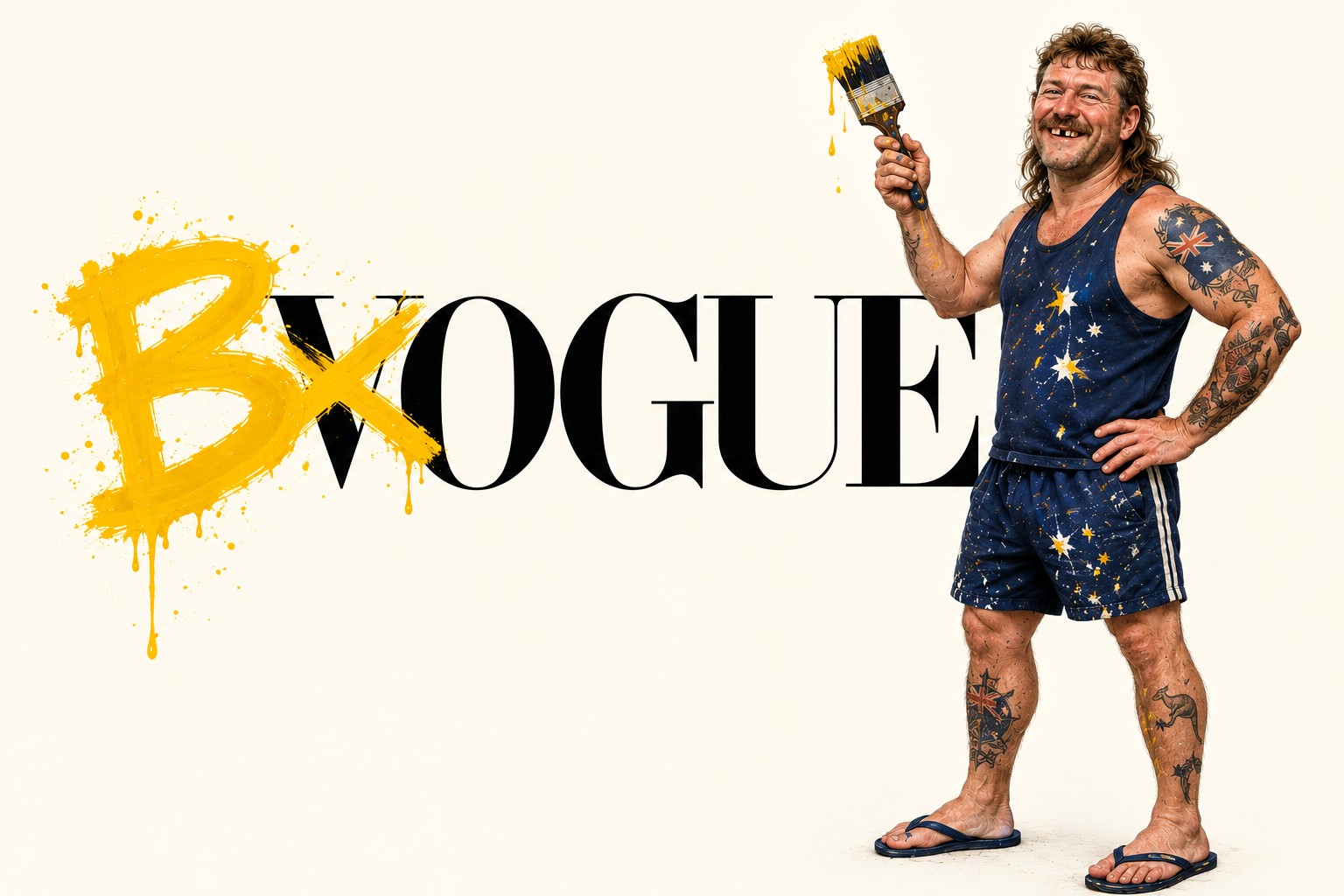
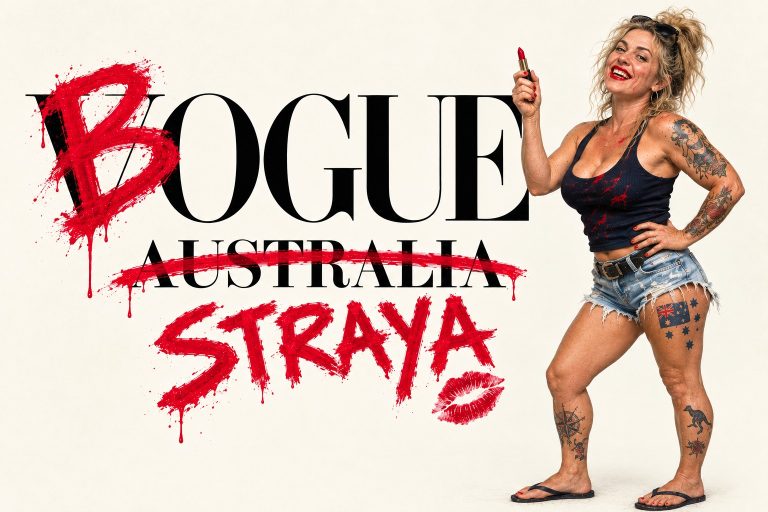
The first thing to understand is that “bogan” is not really the name of a single, coherent social group. It is a remarkably flexible Australian cultural label.

At various times it has meant:

  • a supposedly uncultured working-class Australian;
  • an outer-suburban Australian;
  • a person with conspicuously unfashionable tastes;
  • a person with a particular accent or vocabulary;
  • a petrolhead, hoon or ute enthusiast;
  • somebody who drinks too much;
  • somebody who is aggressively Australian;
  • somebody who rejects pretension;
  • or, increasingly, simply somebody who cheerfully identifies as a bogan.

That last transformation is probably the most interesting.

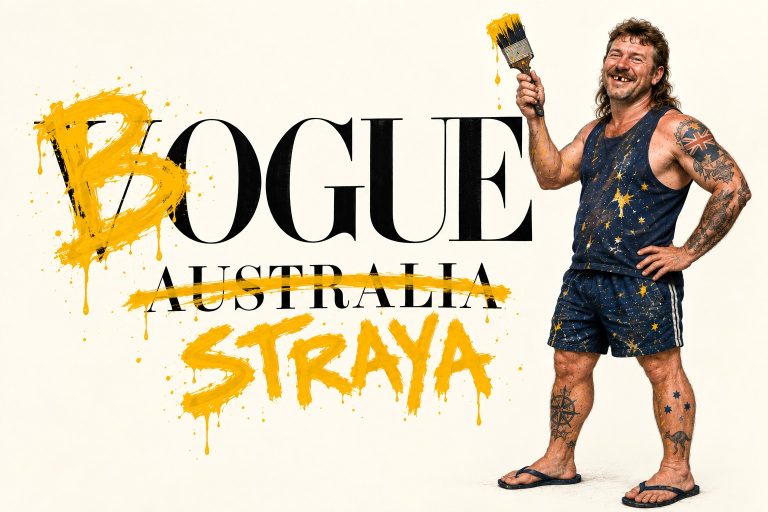
“Bogan” began largely as an insult but has been partly reclaimed as a badge of authenticity, national identity and resistance to cultural snobbery. Linguist Roslyn Rowen describes it as a distinctive Australian cultural keyword whose negative meaning can be transformed into positive self-identification and Australian nationalism.

And there is a delicious paradox at the heart of it: The bogan has become fashionable precisely because the bogan is supposed not to care about fashion.

Cop A Gander At These Rippers Too...

  • Boganism And The Aussie Class System

    This may actually be the deepest subject behind the whole phenomenon. Australia traditionally likes to imagine itself as an egalitarian society where the wealthy and working class can sit together in the pub and have a beer. Consequently, Australians have historically been uncomfortable talking explicitly about class. “Bogan” provides a sneaky alternative. Instead of saying: “That person is working class.” people can say: “They’re a bit bogan.” Instead of saying: “I dislike their cultural tastes.” they can say: “That’s bloody bogan.” Sociologists Steve Threadgold and Jessica Gerrard have argued that figures such as the bogan and the hipster function as proxies for class in Australian public culture. The bogan represents…

  • |

    Music As A Bogan Cultural Element

    Bogan culture has an extremely strong musical component. The canonical soundtrack includes: And here we encounter another great paradox. Some music associated with bogan culture is highly sophisticated musically and enormously influential internationally. AC/DC, for example, isn’t culturally insignificant because bogans love them. Quite the opposite. The music becomes part of a national mythology. Triple J even held a National Bogan Day in 2002, celebrating the stereotype with music including Cold Chisel, Midnight Oil, Rose Tattoo and AC/DC. So “bogan music” isn’t necessarily bad music. It is music that has become culturally associated with unpretentious Australian masculinity and working-class authenticity.

  • The Japanese Connection To Bogans

    There isn’t, as far as I can find, a major established academic field called “Japanese bogan studies.” But there are several fascinating connections. Japan has its own rough equivalent Japanese observers might reach for concepts such as: They aren’t exact equivalents. That’s important. A Japanese yankii is shaped by a very different historical culture, particularly postwar youth rebellion and delinquent subcultures. A bogan is much more strongly tied to: class + taste + Australian identity + suburban culture. But there is enough overlap to make comparison fascinating. A recent discussion among Japanese and Australia-interested Reddit users produced exactly this question: What is the Japanese equivalent of an Australian bogan? Suggestions…

  • Television Created The Bogan

    Australian television has been extraordinarily important in turning the bogan from a social insult into a cultural character. Some important examples include: The Comedy Company The character Kylie Mole helped popularise a particular version of the word in the late 1980s. Kath & Kim Probably one of Australia’s greatest cultural studies of suburban aspiration. Kath and Kim are interesting because they aren’t simply “poor.” They are obsessed with appearance, consumption, status, fashion, celebrity and lifestyle. In other words, they demonstrate bogan aspiration. Bogan Pride Rebel Wilson‘s 2008 SBS series explicitly turned bogan identity into comedy and helped push the idea of bogan pride into mainstream culture. Upper Middle Bogan This…

  • ボーガン以前のボーガン

    ボーガンという現象は、突然ポンッと現れたわけじゃない。オーストラリアには昔から、 larrikin(いたずら好きの破天荒キャラ)、 ocker(ザ・オージーな粗野キャラ)、 そして各地に散らばる“ちょっとガサツなオーストラリア男性像”が存在していた。つまり、ボーガンはその長い系譜の最新バージョンみたいなもの。「ボーガン」という言葉が全国区になる前は、地域ごとに別の呼び名があった。 地域 以前の現象 Sydneyシドニー Westie Queenslandクイーンズランド Bevan Canberraキャンベラ Booner Hobartホバート Chigga Melbourneメルボルン Bogan やがて“ボーガン”がこれらのローカルな呼び名を飲み込み、全国共通の言葉として定着した。ここがポイントで、 ボーガンは単なる階級ラベルじゃない。もっと言えば、 「オーストラリア的な“ある種のセンス”を語るための言葉」になった。ファッション、趣味、ライフスタイル、価値観—— そういう“文化的な味付け”を説明するための便利な言葉として進化したわけだ。

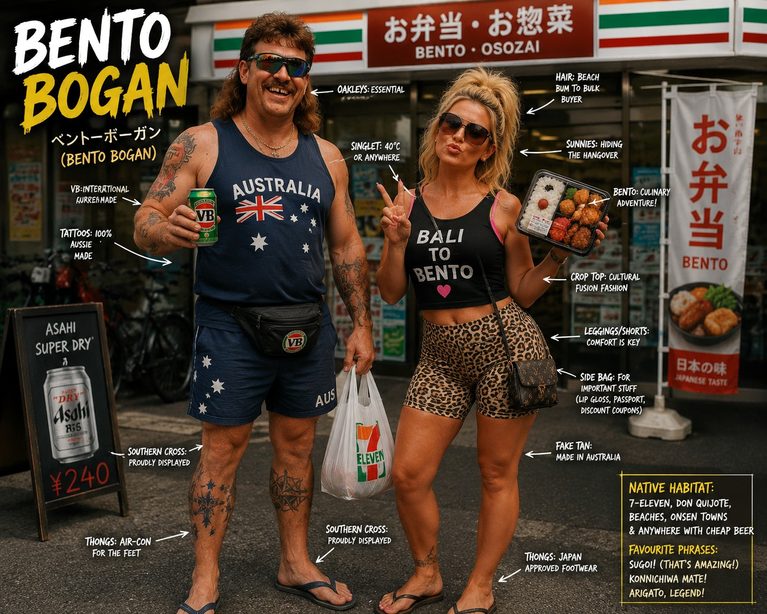
  • The “Bento Bogan”:日本に出現した新種のオージー

    日本のインバウンドブームが続く中で、 オーストラリア人観光客の“新しいステレオタイプ”が誕生している。オーストラリアの一部では、これを冗談めかして “日本のボーガン化(boganisation of Japan)” と呼び始めている。 背景は本物だ。 これらが重なり、 オージーの日本旅行が過去最高レベルに増加。2025年の報告では、 2024年1〜9月のオーストラリア人訪日客は 637,300人。 これは2019年の記録的期間と比べて 42%増。 そんな中で、オージーの間で冗談として語られ始めた新キャラがある。 The Bento Bogan(ベントー・ボーガン)とは? これは、 “バリでのオージー文化パッケージ”をそのまま日本に持ち込んだ人 を指す軽いジョーク。その文化パッケージとは: これらを全部抱えたまま、 コンビニの唐揚げ棒と駅弁を手に日本を闊歩するオージー像。もちろん、これはあくまで ユーモアとしてのステレオタイプ。でも、 日本の礼儀正しさとオージーの“気楽さ”がぶつかると、 こういう文化的ミックスが自然に生まれるのが面白い。 なぜ“Bento Bogan”が生まれたのか? 理由はシンプル。 これらが重なり、 “日本で自由に楽しむオージー”という新しい文化像が形成された。それが冗談として Bento Bogan と呼ばれているわけだ。 文化的には何が面白い? Bento Bogan は、 オーストラリアのボーガン文化が海外でどう変形するか を観察できる絶好のケース。 これらが日本という全く異なる文化環境で 新しいキャラクターとして再構成される。文化の輸出と変形の好例。