テレビが“ボーガン”をキャラクター化した

オーストラリアのテレビは、 ボーガンという侮蔑語を“文化キャラクター”へと変換するうえで決定的な役割を果たした。

いくつかの重要な番組を見てみよう。

The Comedy Company

1980年代後半、 キャラクター Kylie Mole が登場し、 ボーガンという言葉の特定の使われ方を全国に広めた。ティーン文化、郊外文化、ちょいダサさ—— その全部をコミカルにパッケージした存在だった。

Kath & Kim

これはオーストラリア史上もっとも鋭い “郊外の願望(suburban aspiration)”研究と言っていい。

Kath と Kim は単に「貧しい」わけではない。彼女たちは、見た目、消費、ステータス、ファッション、セレブやライフスタイルに異常なほど執着している。つまり、ボーガン的“願望”を体現している。「背伸びしたい郊外のオージー」を、 笑いと愛情を込めて描いた作品。

Bogan Pride

Rebel Wilson が 2008年に SBS で制作したシリーズ。ここではボーガン文化が 完全にコメディとして前面に押し出され、 “ボーガン・プライド(誇り)”という概念がメインストリームへ進出した。侮蔑語だったはずの言葉が、 「誇り」として再解釈される瞬間をテレビが後押しした。

Upper Middle Bogan

これは知的にもっとも面白い作品かもしれない。設定はこうだ。

“ごく普通の中流家庭が、自分たちの生物学的家族がボーガンだったと知ったらどうなる?”

このジョークが、 階級・趣味・お金・教育・アイデンティティ といったテーマを深く掘り下げる装置になる。笑いながら、 オーストラリア社会の階級構造を観察できる秀逸なシリーズ。

テレビは、 ボーガンを侮蔑語から文化キャラクターへ、 そして国民的アイコンへと変換した最大のメディア。
Cop A Gander At These Rippers Too...

  • ボーガンフェミニズム

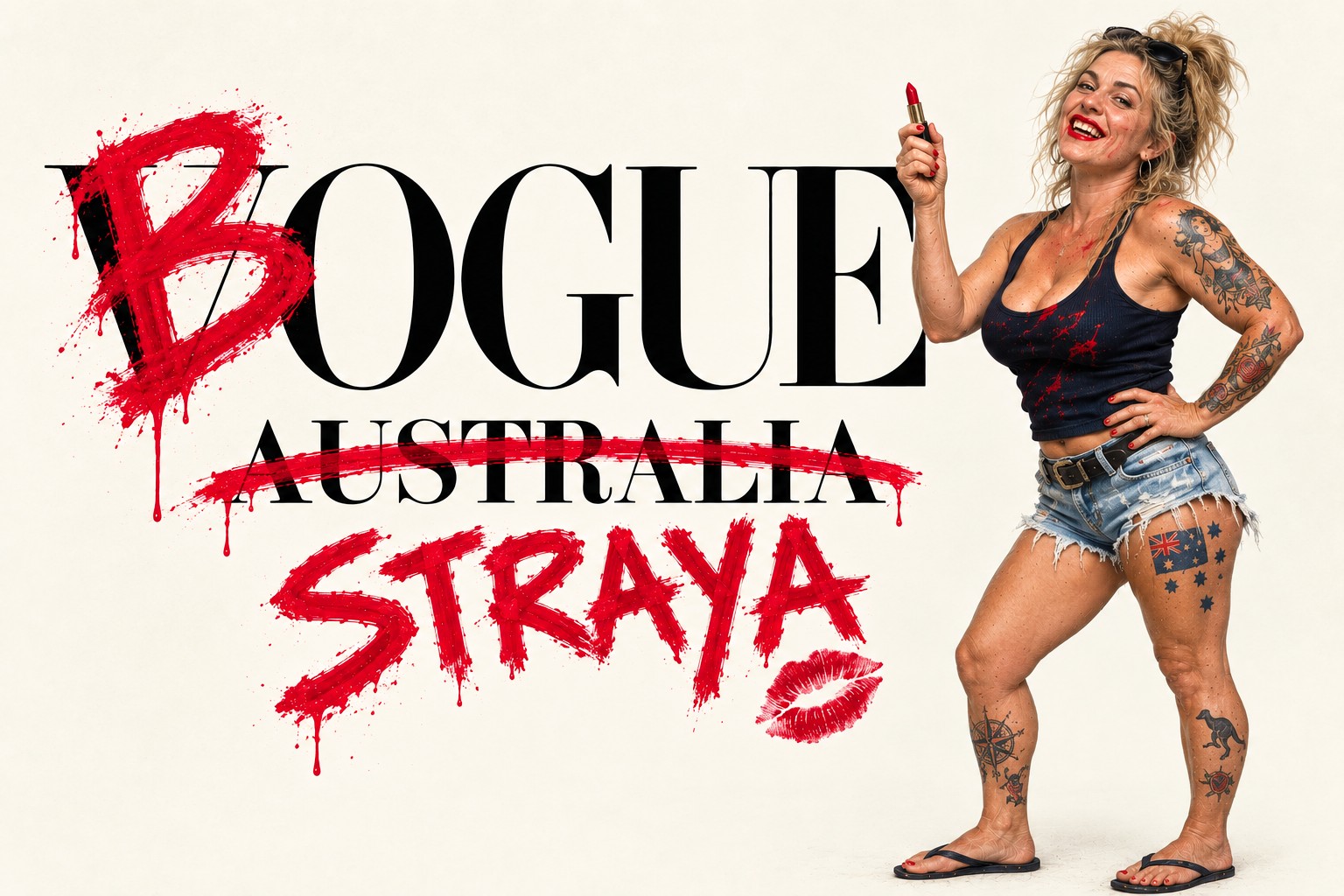
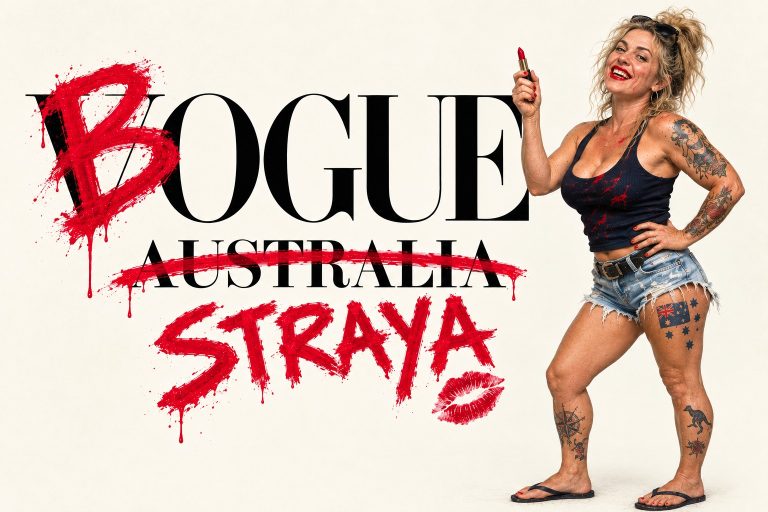
    伝統的なボーガン像が大きく見落としているのが、 男性ばかりにフォーカスしてしまう偏り。実際には、 しっかりとした“女性ボーガン”のアーキタイプ(典型像)が存在する。 思い浮かべてほしいのはこんなスタイル。 つまり、 ボーガン女性は“強さ・派手さ・実用性・ユーモア”のミックス。 “Sheila”の文化的復活とボーガン・フェミニズム 最近興味深いのが、 “sheila(女性)”という言葉の再評価。かつては軽い俗語だったこの言葉が、 現代では一部の論者によって “ボーガン・フェミニズム” の象徴として語られている。 これは何かというと—— こうしたものを女性が堂々と再主張する動き。つまり、 ボーガン女性は“粗野なステレオタイプ”ではなく、 オーストラリア文化の中で独自の強さを持つ存在として再評価されている。 ボーガン女性は文化の“もうひとつの心臓部” 男性ボーガンが車・音楽・マレットで文化を動かすなら、 女性ボーガンはファッション・テレビ文化・日常のユーモアで文化を動かす。どちらも、 オーストラリアの“普通の人”のリアルな姿を映す鏡。 The sheila is returning to Australian culture, riding on a new wave of ‘bogan feminism’

  • |

    Big Bundy、豪州社会に良い悪い役割を果たしたラム酒を称える

     クーインズランド州にある地方都市バンダバーグは、多くの理由で広く知られているが、恐らくその中の一番目立つ理由が同市で作られているラム酒だ。  その象徴の一つとしてはBig Bundy、同市にある「Big Things」であり、バンダバーグ製のラム酒瓶の巨大版だ。ちなみに、Bundyは同市名の(オージー英語らしい)省略であり、同市で作られている最も有名なラム酒でるバンダーバーグ・ラムの省略でもある。  ラム酒は、1788年ヨーロッパ人由来から今に渡ってオーストラリアの歴史に大きく役割を果たしている。殖民地時代初期ではラム酒がオーストラリアの通過となったこともあった。(当時の暴動の原因ともなったけど、、、)  ラム酒はサトウキビの複製品糖蜜から作られている。バンダーバックは、熱帯雨林地にあり、サトウキビが盛んでそれに伴ってラム酒製造もできた。その意味ではクィーンズランド州北部経済に大きく貢献して、肯定的な役割を果たした。  一方、上記の暴動のように多くの社会問題の背景にあり、今では最も有名ラム酒製造者であるバンダーバーグ・ラム社でも乱暴・破廉恥などを起こすyobboという主に若い男性が最も好きな飲み物だそうだ。 大きな地図で見る

  • Television Created The Bogan

    Australian television has been extraordinarily important in turning the bogan from a social insult into a cultural character. Some important examples include: The Comedy Company The character Kylie Mole helped popularise a particular version of the word in the late 1980s. Kath & Kim Probably one of Australia’s greatest cultural studies of suburban aspiration. Kath and Kim are interesting because they aren’t simply “poor.” They are obsessed with appearance, consumption, status, fashion, celebrity and lifestyle. In other words, they demonstrate bogan aspiration. Bogan Pride Rebel Wilson‘s 2008 SBS series explicitly turned bogan identity into comedy and helped push the idea of bogan pride into mainstream culture. Upper Middle Bogan This…

  • |

    豪キャブラリー:Bogan Missile

     Bogan missileはオーストラリアから海外に向けて数多くのボーガンを運ぶ旅客機のことを指す。もともとボーガンが多く集まるバリ島線を飛ぶ飛行機について使われた言葉だったが、残念ながら近年「羽田」「成田」や「関西空港」行きのためにも使われている。  主に格安航空会社であるJetstarに対して使われていますが、サービス評価がだんだん下がっているQantas航空にも十分当てはまります。 Strine Dictionary | 考えRoo

  • Cars: Probably The Greatest Bogan Art Form

    If you wanted to identify one area in which bogan culture becomes genuinely subcultural, I’d choose cars. Particularly: Australia developed a particularly distinctive form of working-class car culture around the Holden–Ford rivalry. The ute is especially significant. It is simultaneously: work vehicle + family vehicle + status symbol + masculine identity + recreational toy. And then there is the Australian phenomenon of the hoon. The hoon and the bogan aren’t identical, but they overlap heavily.

  • Where Did “Bogan” Come From?

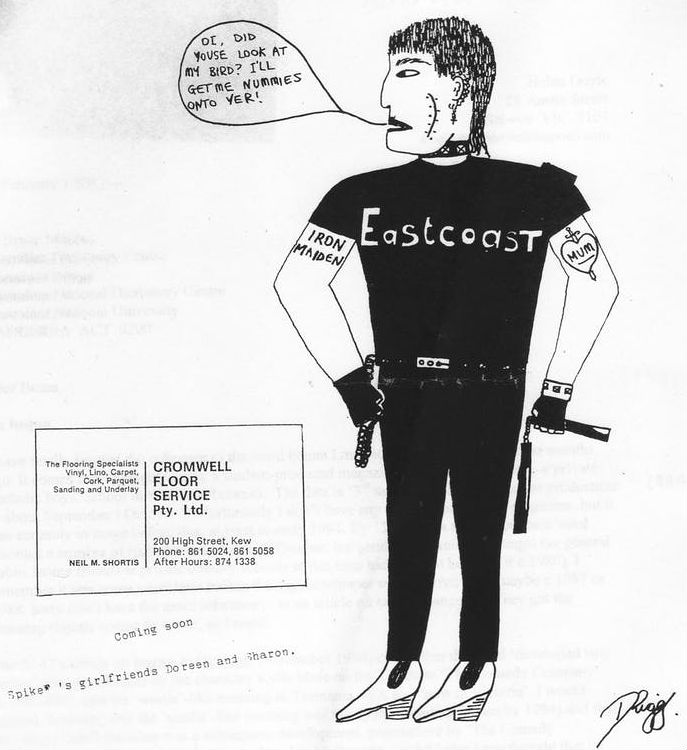
    This is where things get wonderfully murky. The popular theories include: The evidence currently points most strongly toward Melbourne in the early 1980s, although the ultimate etymology remains uncertain. Historian and linguist Bruce Moore found evidence from 1984, in a student magazine at Melbourne’s Xavier College, describing a fictional “bogan doll”. The character already possessed many of the stereotypes we would recognise today: tattoos, long hair, heavy-metal clothing, sleeveless denim, etc. The word then appears in a 1985 issue of Tracks magazine. By the late 1980s it was spreading nationally. By the early 1990s, it was essentially established Australian slang. The really funny part The word may have been popularised…