How Did A Japanese Typewriter Become A Piece Of Australia–Japan History?
なぜ一台の日本語タイプライターが、日豪関係の歴史になったのでしょうか?
The machine nobody else could use
誰にも使えなかったタイプライター
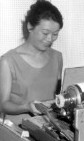
In 1963, Akiko Kirkham began working at the University of Queensland. There was something unusual about her job: she was the only person there who could operate its Japanese typewriter.
1963年、Akiko Kirkhamさんはクイーンズランド大学で働き始めました。彼女の仕事には、ちょっと変わった特徴がありました。和文タイプライターをタイプライターを操作できるのが、彼女だけだったのです。
A war bride in Brisbane
ブリスベンに渡った日本人女性
Akiko had worked as a typist in Japan after the war. She later married an Australian serviceman and came to Australia as a Japanese war bride. More than 650 Japanese women eventually migrated to Australia as wives or fiancées of Australian servicemen between the end of the war and 1965.
Akikoさんは戦後の日本でタイピストとして働いていました。その後、オーストラリア軍人と結婚し、「日本人戦争花嫁」としてオーストラリアへ渡りました。戦後から1965年までに、650人を超える日本人女性が豪州軍人の妻や婚約者として移住しました。
A complicated beginning
簡単ではなかった出発点
Their arrival was far from straightforward. Australian servicemen had initially been prohibited from marrying Japanese women. Japanese wives and fiancées were also prevented from entering Australia until the government approved their entry in 1952.
しかし、その道のりは決して簡単ではありませんでした。当初、オーストラリア軍人は日本人女性との結婚を禁じられていました。日本人の妻や婚約者も、1952年に政府が入国を認めるまでオーストラリアへ渡れませんでした。
Then came the typewriter
そしてタイプライターが登場します
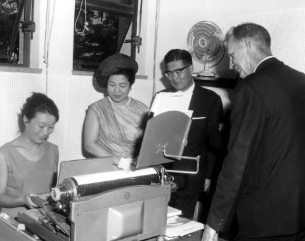
At UQ, Akiko worked with Professor Joyce Ackroyd, who developed the university’s new Department of Japanese Studies. Her Japanese typewriter became part of that developing connection between Australian and Japanese language education.
クイーンズランド大学では、日本語研究の新しい学科を発展させたJoyce Ackroyd教授と仕事をしました。Akikoさんの日本語タイプライターも、オーストラリアと日本語教育を結ぶ新しい関係の一部になっていきました。
500 characters, not an alphabet
アルファベットではなく500文字
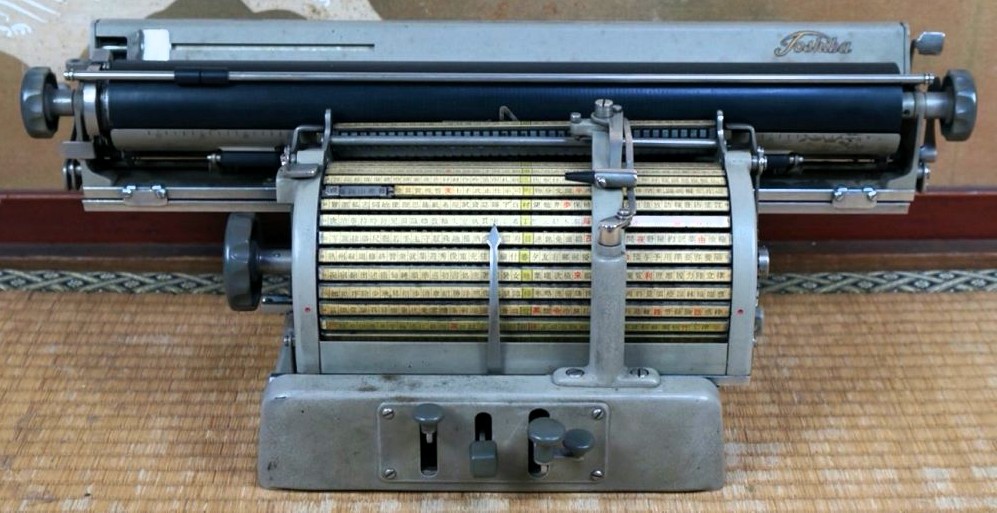
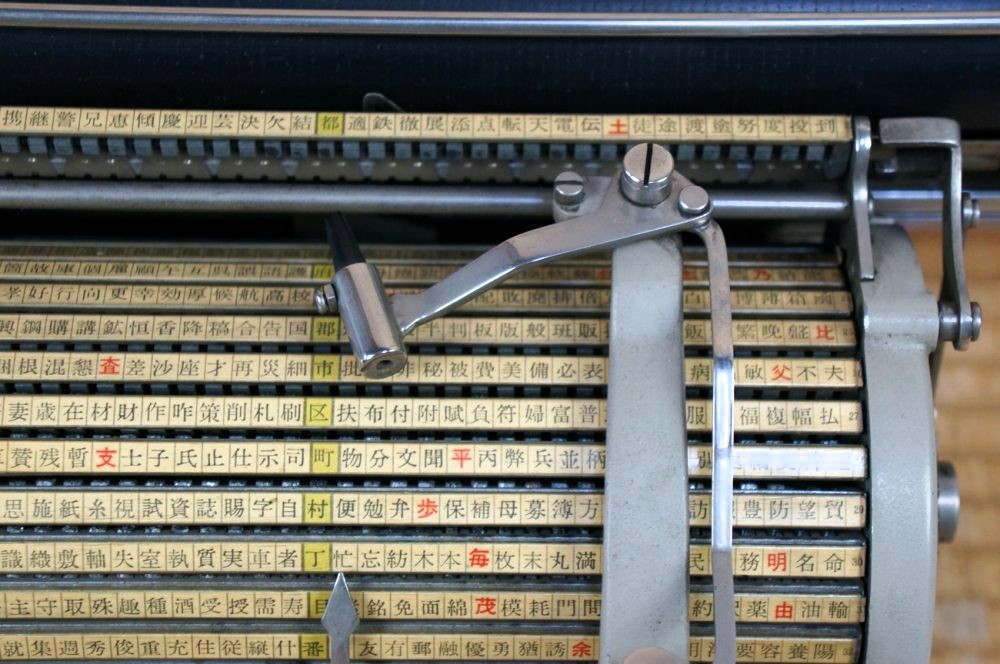
This was no ordinary typewriter. UQ says the machine had 500 Japanese characters. After decades without use, it would eventually become a remarkable physical reminder of how Japanese language study was taking root in Australia.
普通のタイプライターではありませんでした。クイーンズランド大学によれば、この機械には500個の日本語文字がありました。長い年月を経て使われなくなった後、それは豪州に日本語学習が根付いていった時代を物語る貴重な実物資料になりました。
Back to its owner
持ち主のもとへ戻ったタイプライター
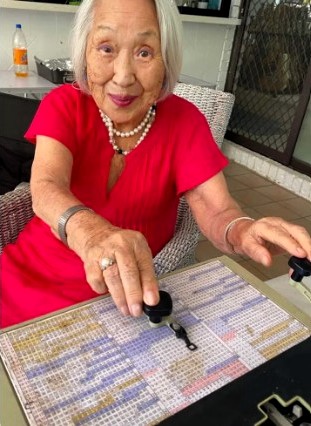
In 2006, Akiko donated the typewriter to UQ. More than a decade later, her granddaughter Elysha Rei arranged a remarkable birthday surprise. For Akiko’s 94th birthday, the old machine was brought back to her. She immediately recognised it.
Akikoさんは2006年、このタイプライターを大学に寄贈しました。そして10年以上後、孫娘のElysha Reiさんが94歳の誕生日に、驚くべきプレゼントを用意しました。昔のタイプライターを本人のもとへ戻したのです。Akikoさんはすぐにそれを認識しました。
A memory that survived
記憶を呼び戻した機械
Elysha said her grandmother had dementia and struggled with short-term memory. Yet seeing the typewriter triggered a clear connection with her years at the university. It was a small machine carrying a surprisingly large piece of family history.
Elyshaさんによれば、祖母は認知症のため短期記憶に苦労していました。それでもタイプライターを目にすると、大学で働いていた頃の記憶がよみがえりました。小さな機械が、一家の大きな歴史を呼び戻したのです。
From war bride to “Aussie at heart”
戦争花嫁から「Aussie at heart」へ
Elysha said Akiko worked hard to speak English at home and adapt to Australian life. Akiko liked to describe herself as “Aussie at heart.” Her story therefore stretches from postwar Japan to a Japanese-language classroom in Brisbane, and eventually back to her own family.
Elyshaさんによると、Akikoさんは家庭でも英語を話し、オーストラリアの生活に馴染もうと努力しました。そして自分を「Aussie at heart」と表現していました。戦後日本からブリスベンの日本語教育へ。その物語は、最後には家族のもとへ戻ってきたのです。
A bridge made of language
言葉でできた橋
Akiko’s story is a reminder that Australia–Japan friendship was built by people long before it became an easy phrase in official speeches. Her typewriter helped Australians study Japanese, while her own life carried Japan into an Australian family.
Akikoさんの物語は、日豪の友情が公式のスピーチで語られるようになるずっと前から、人々によって築かれてきたことを思い出させます。彼女のタイプライターは豪州人の日本語学習を支え、彼女自身の人生は日本をオーストラリアの家族へ運びました。
The friendship continues
友好の物語は続く
The most Australian detail may be the simplest one. A Japanese typewriter was kept, remembered and eventually reunited with the woman who had used it. History sometimes survives not in grand monuments, but in the objects people cannot quite bring themselves to throw away.
この物語で最もオーストラリアらしいのは、案外シンプルなところかもしれません。日本語タイプライターは保存され、記憶され、最後には使っていた女性のもとへ戻りました。歴史は、大きな記念碑だけでなく、捨てられなかった小さな物にも残るのです。
Related Materials
- Timeless memories of a Japanese typewriter
- Japanese war brides
- The stories of Australia’s Japanese war brides honoured by descendants
- Video of Japanese War Brides: A Queensland Story featuring Nikkei Australia’s Dr Keiko Tamura and Elysha Rei
- Nikkei Australia