
How Australian Plants Found A Home At A Century-Old Japanese Nursery
日本の老舗園芸店が育てるオージープランツの魅力
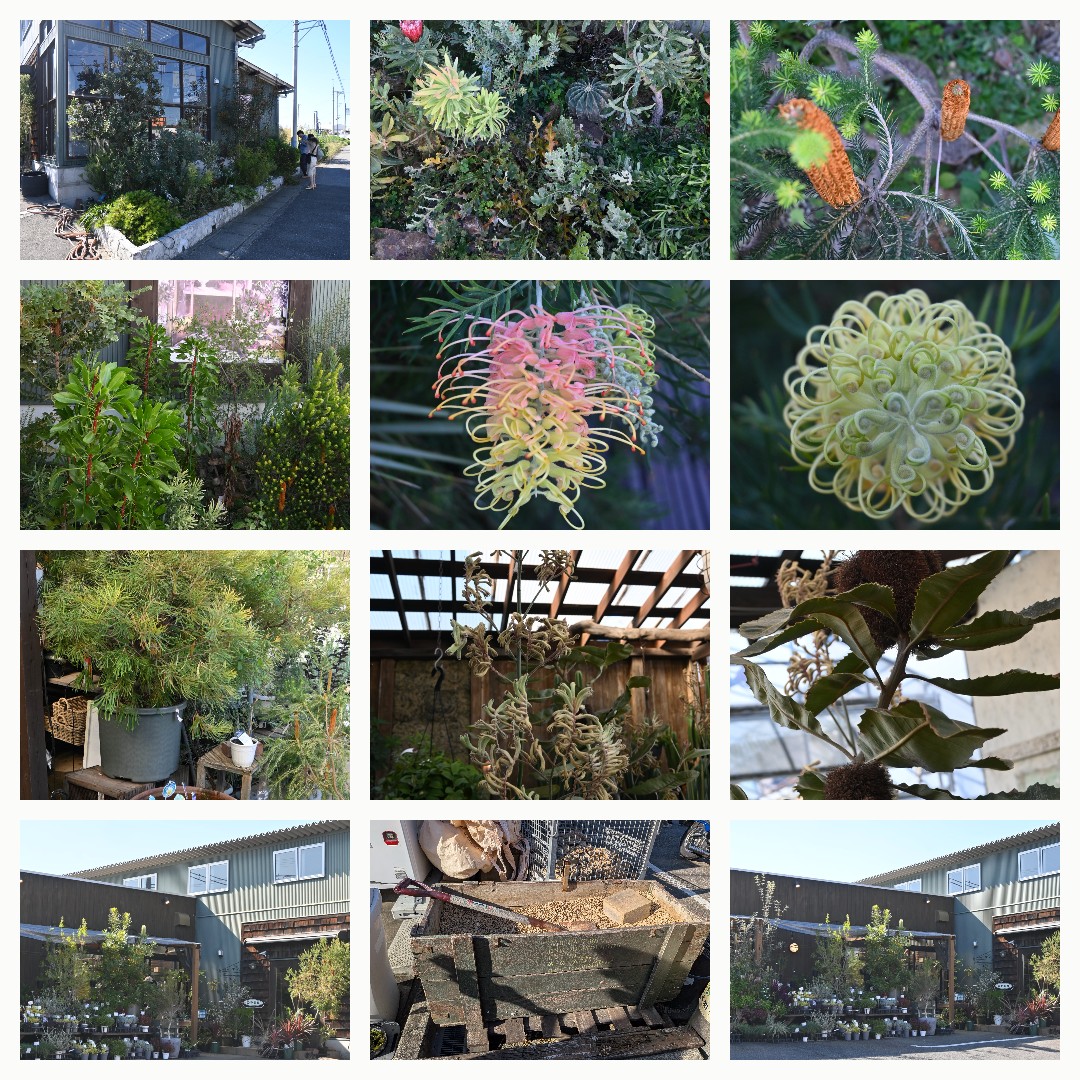
Japan’s love affair with Australian plants is growing, and one of the nurseries helping it flourish is 沼ノ上農園 (Numanoue Nouen) in Minami-Urawa, Saitama.
We visited the nursery’s pop-up shop earlier today at Urawa PARCO, where we met Jun-san, the flower shop owner’s son, and Ryota-san and discovered more about their enthusiasm for Australia’s distinctive botanical treasures.
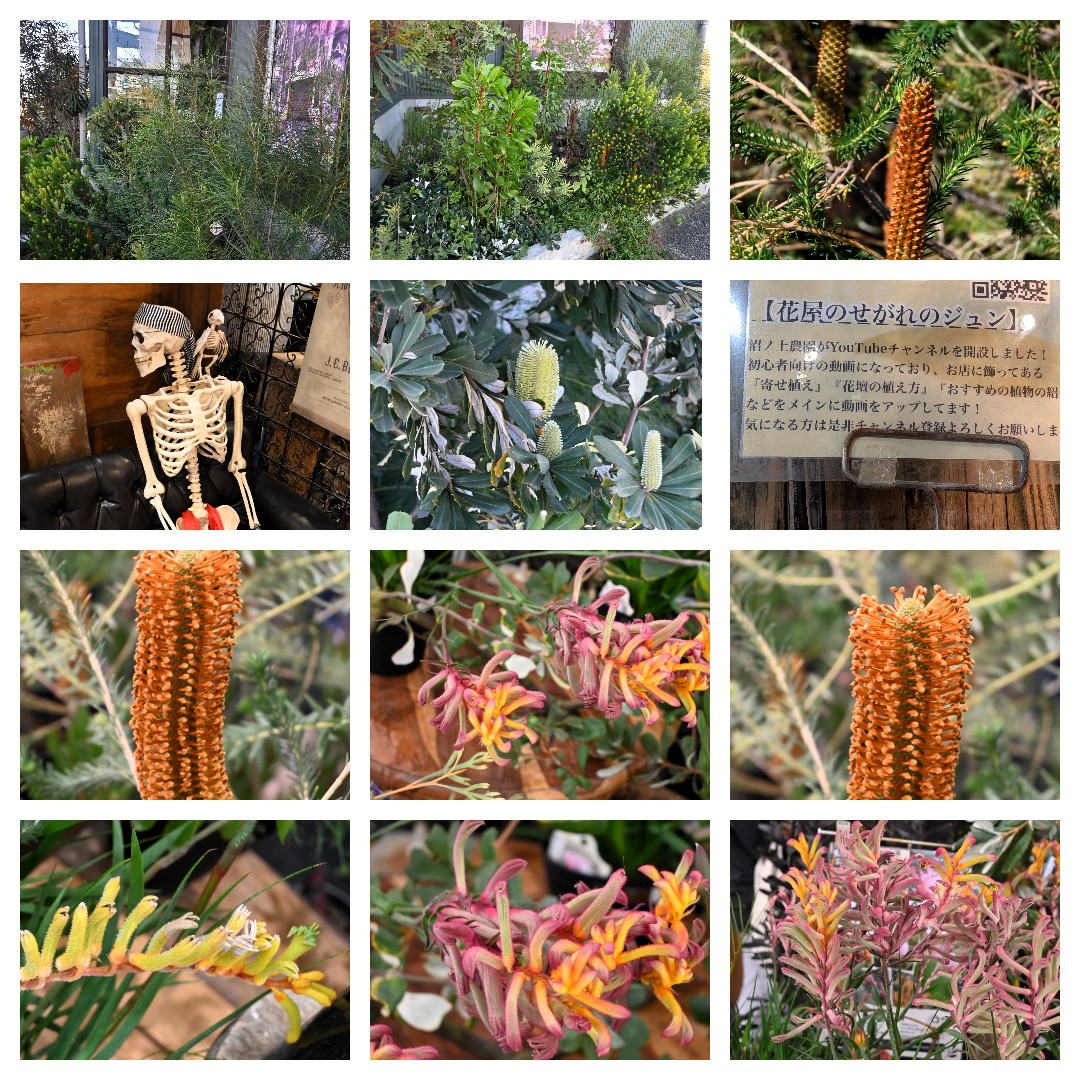
Established in 1912, 沼ノ上農園 has spent more than a century serving local gardeners. Today, alongside seasonal flowers and houseplants, it has developed a particular interest in オージープランツ (Oji Plants), the Japanese gardening term for Australian native plants.
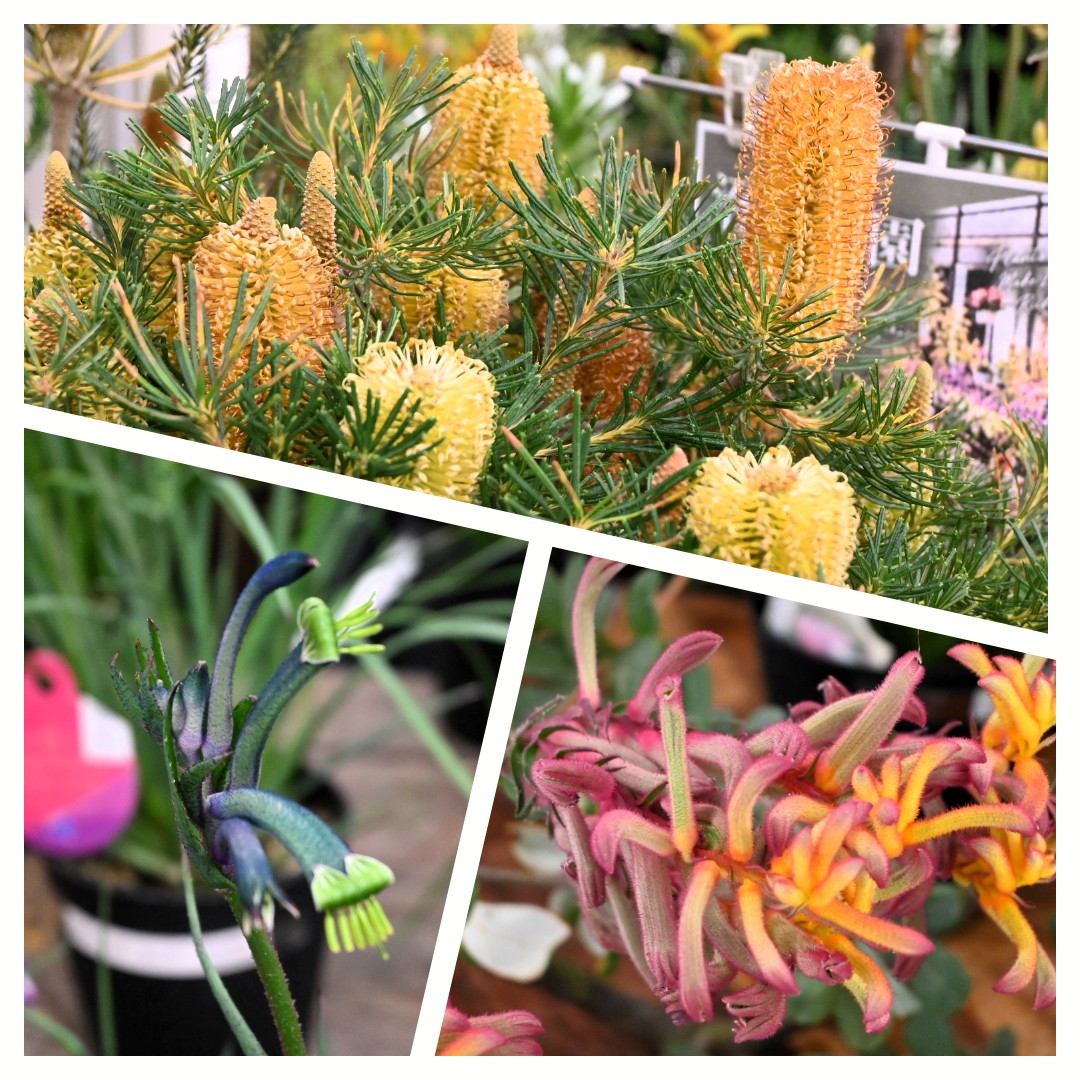
Banksias, grevilleas and kangaroo paws offer something different from the familiar flowers of Japanese gardens. Their unusual shapes, striking flowers, distinctive foliage and sometimes architectural forms bring a distinctly Australian character to gardens and outdoor spaces.
These plants are more than botanical curiosities. They also provide an opportunity to discover Australia’s extraordinary plant diversity without leaving Japan.
A different kind of Australian connection
Australia’s native plants evolved in environments that differ considerably from many traditional Japanese garden settings. Understanding their needs is essential to growing them successfully.
Some Australian natives, including many banksias and grevilleas, are sensitive to excessive phosphorus. Good drainage, suitable soil and careful fertilising can therefore be particularly important. The right approach depends on the species, so reliable, plant-specific advice matters.
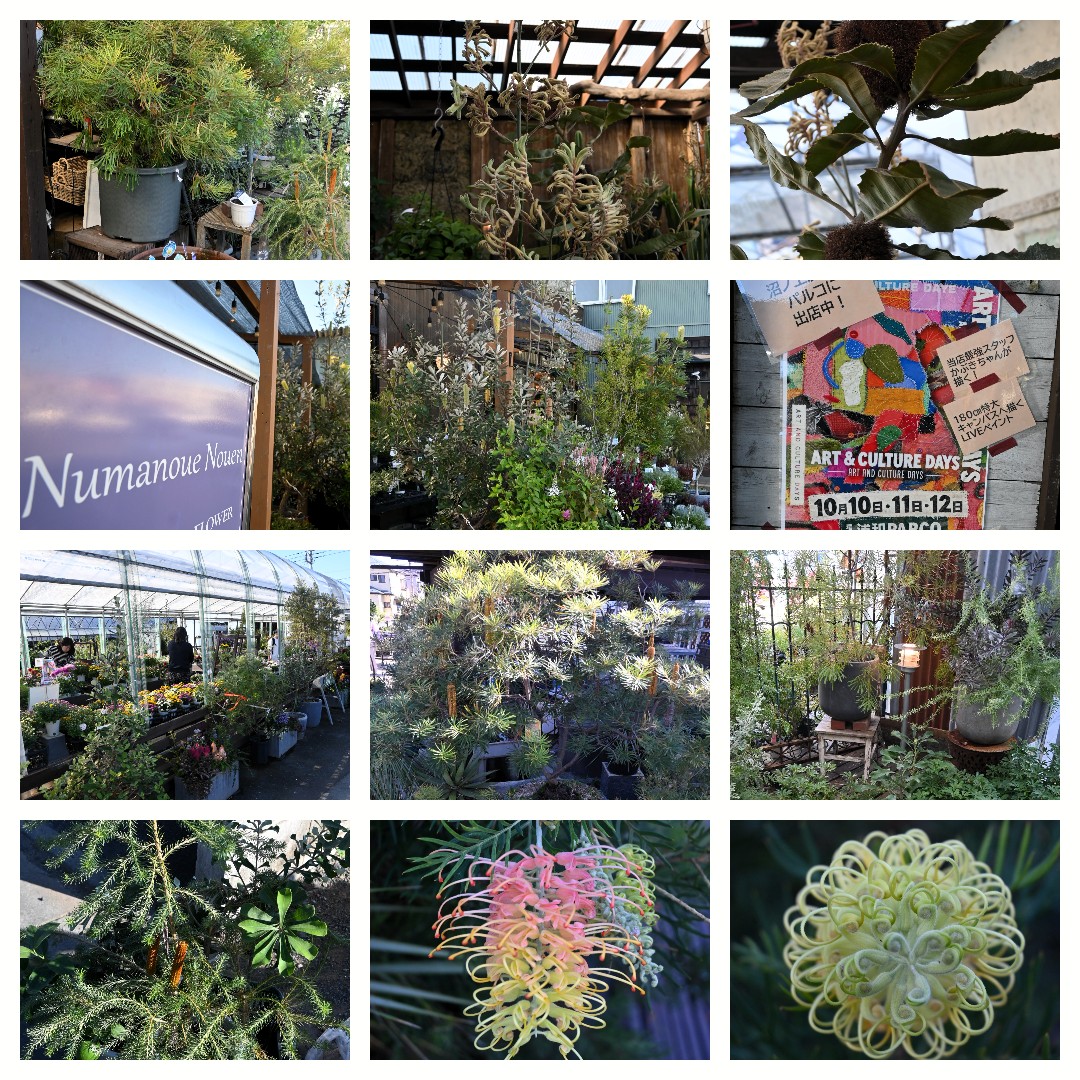
沼ノ上農園 helps bridge that knowledge gap. Its online shop offers selected Australian plants, while its educational videos explain cultivation, repotting and other practical gardening techniques.
This is a particularly interesting form of Australia–Japan exchange. Rather than simply importing plants, Japanese growers and gardeners are building practical knowledge about how to grow them in local conditions.
From the nursery to YouTube
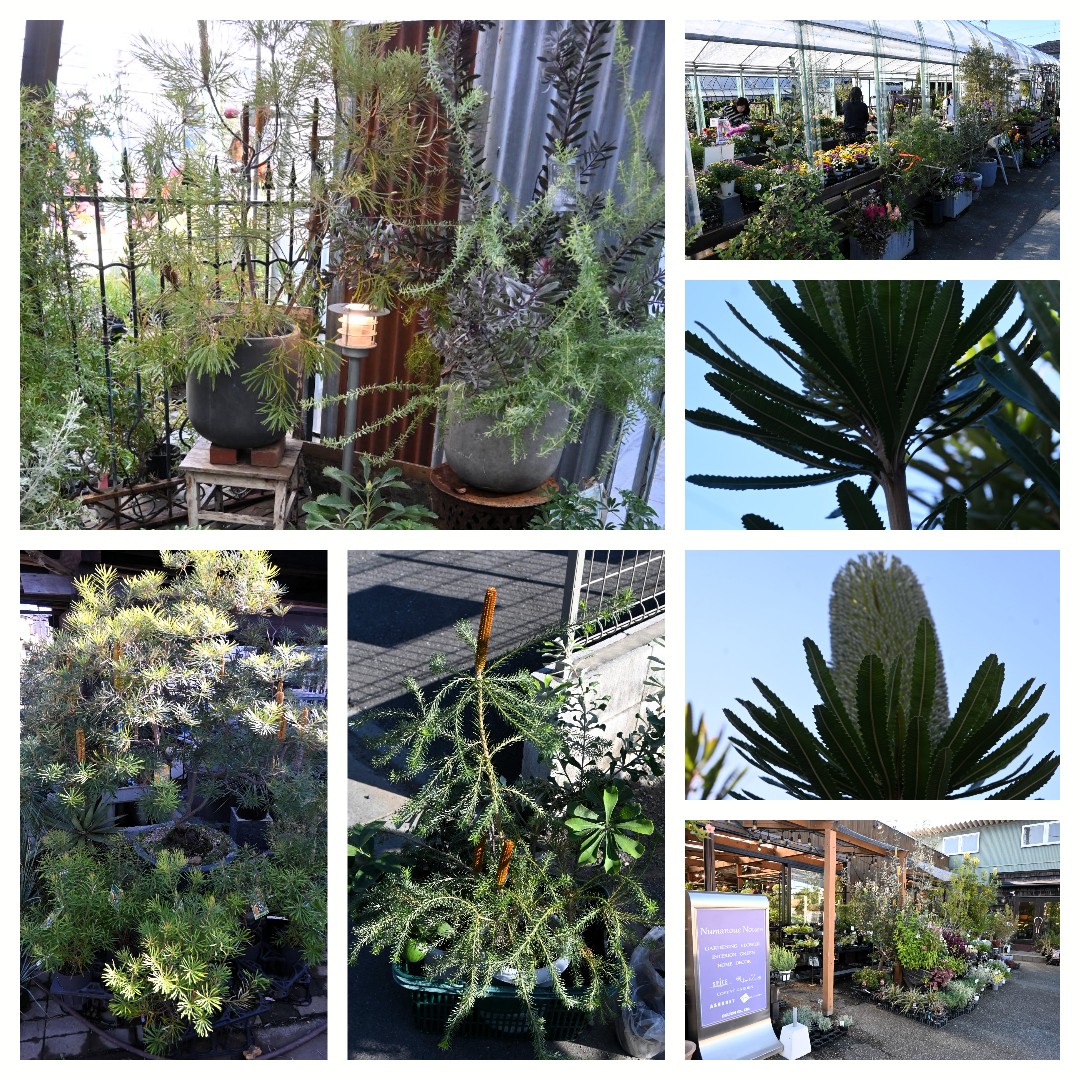
沼ノ上農園’s website describes a business that combines traditional gardening with a willingness to explore unusual plants. Its online shop focuses particularly on Australian natives and other distinctive selections that can be harder to find at ordinary garden centres.
Its YouTube connection is equally worth exploring. The channel 花屋のせがれのジュン (Hanaya no Segare no Jun) features Jun explaining planting techniques, Australian plant varieties and their care.
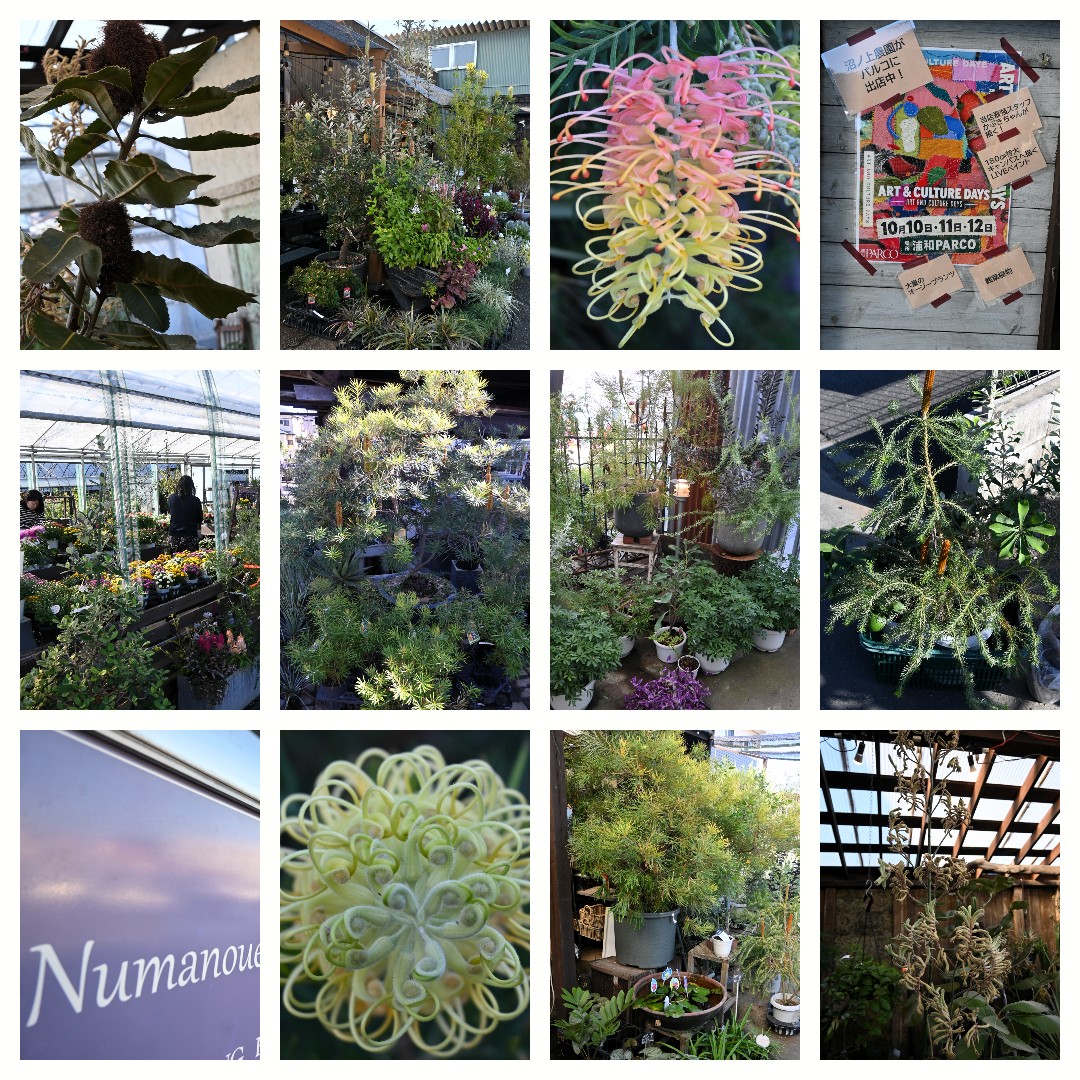
Videos have covered collections of Australian plants available at the nursery, as well as practical advice from growers. For Japanese gardeners curious about banksias, grevilleas and other Australian natives, this offers an accessible introduction before making a purchase.
The combination of a long-established nursery, specialist plant selection and online instruction helps bring Australia’s botanical diversity to a much wider Japanese audience.
Australian plants meet contemporary art
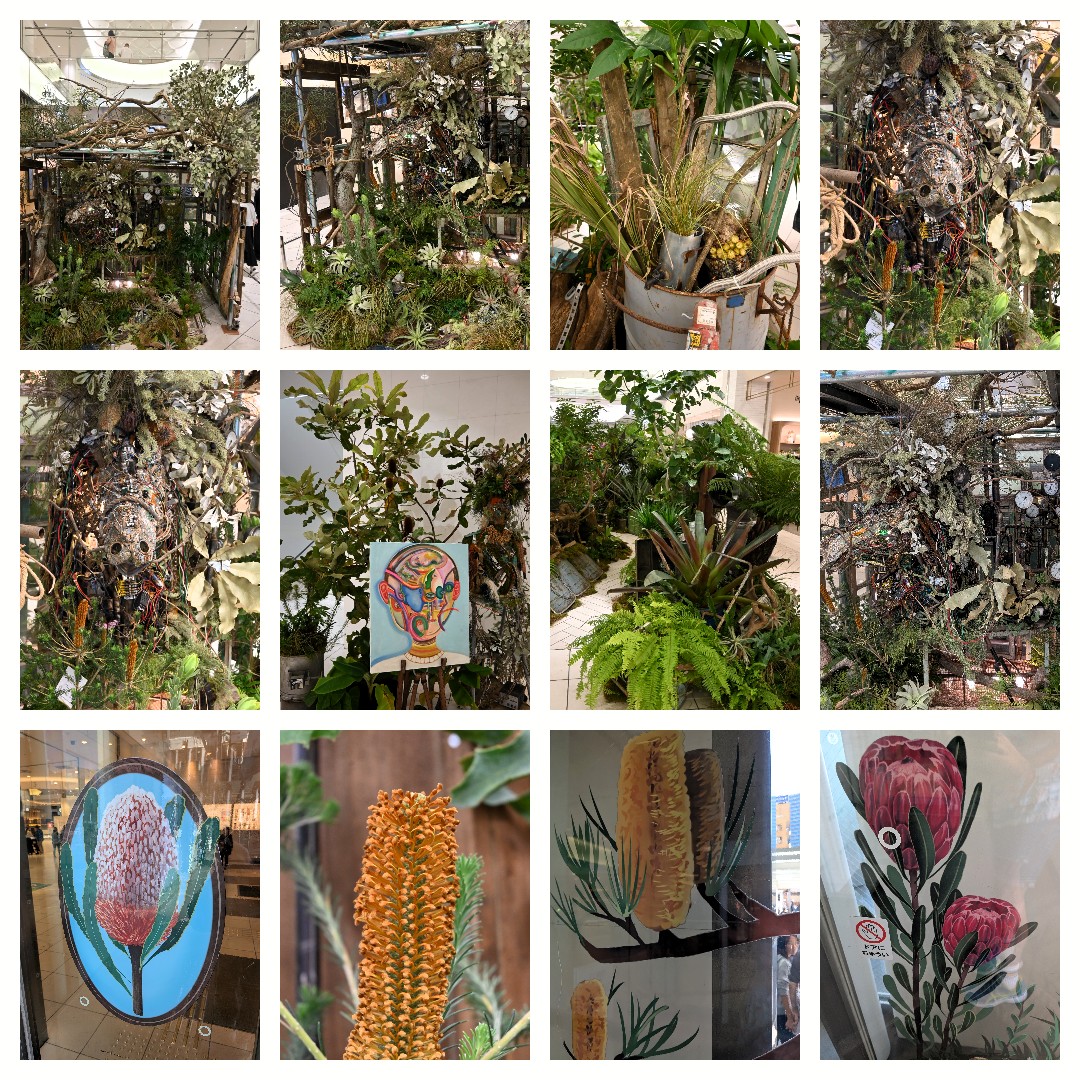
Our visit also coincided with Urawa PARCO’s ART & CULTURE DAYS, which began on October 10, 2026.
The programme brought Australian plants into an unexpected setting through Botanical Ruins, an installation combining vegetation with discarded construction materials and fragments of former structures.
The associated work Suture Steed (紡騎) by trash artist Shinya Kusano used Australian plants and branches as part of a sculptural horse assembled from reclaimed materials. The imagery suggested a future landscape in which vegetation begins to reclaim abandoned human structures.
The nursery’s pop-up shop ran from October 10 to 12, while the wider ART & CULTURE DAYS programme continues through October 25. The Suture Steed work was scheduled for October 10–13, and the Botanical Ruins installation continues in designated areas of the shopping centre.
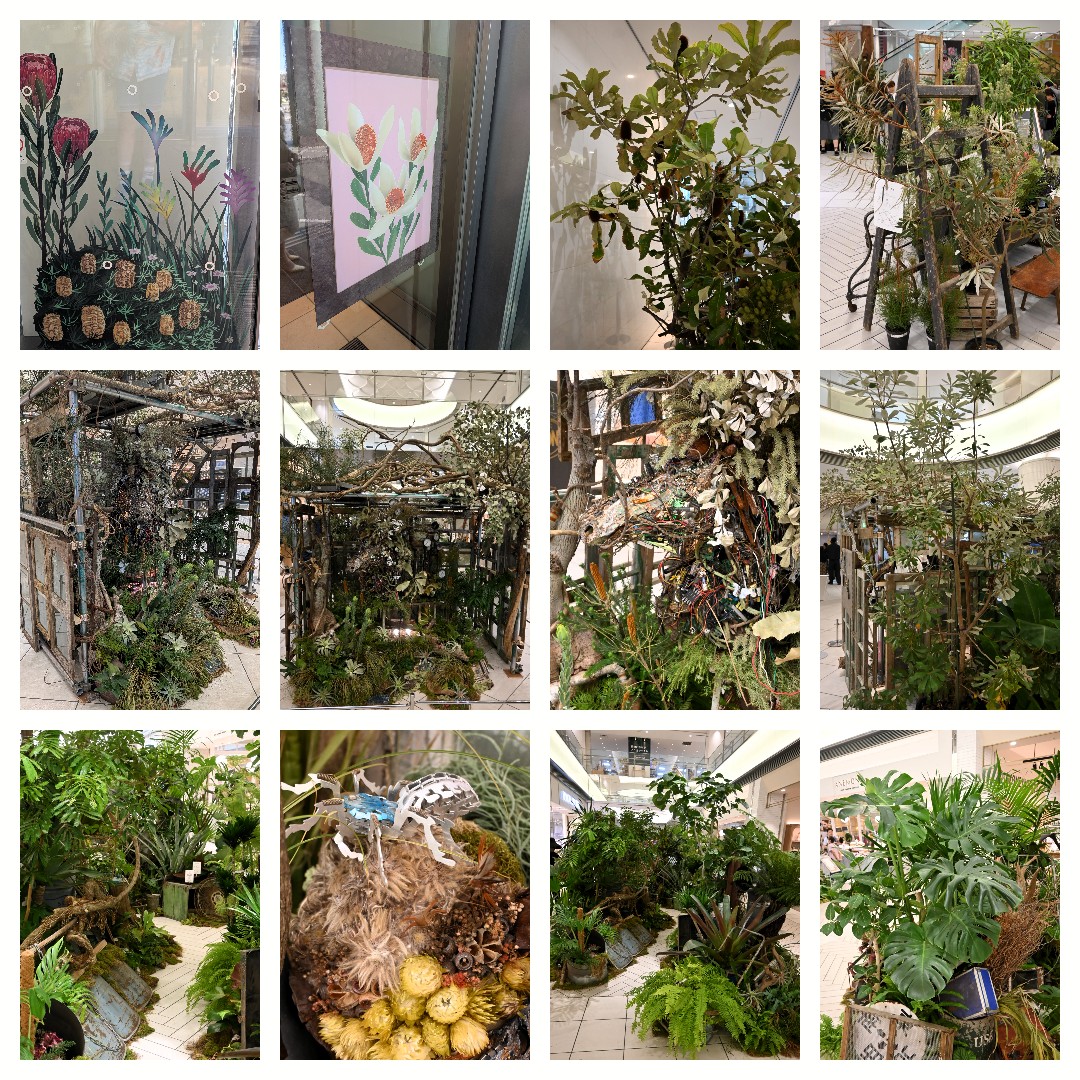
These installations offered a different way to appreciate Australian plants. Their unusual shapes and textures were not merely decorative additions; they became part of a conversation about nature, reuse and the future of human environments.
Growing the Australia–Japan relationship, one plant at a time
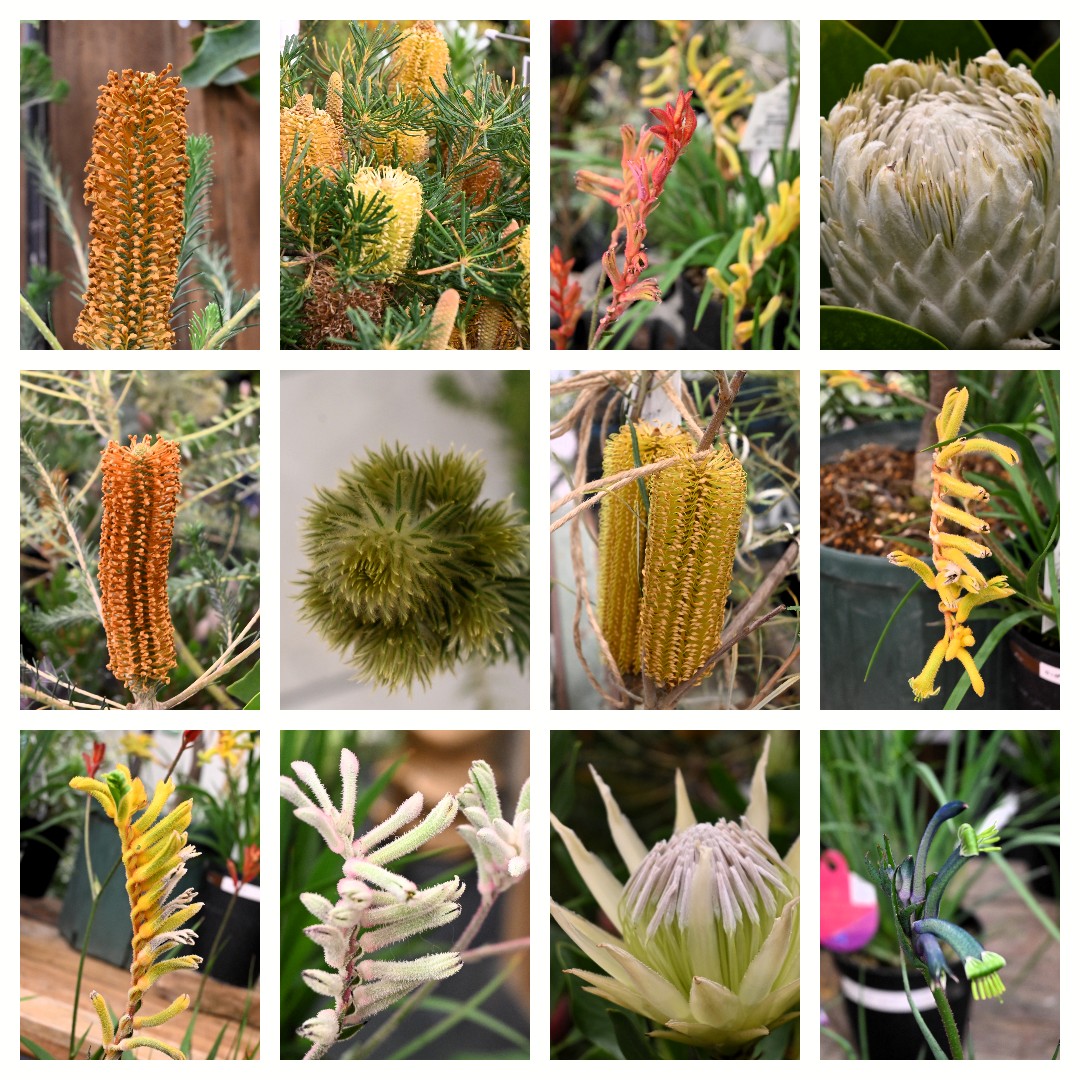
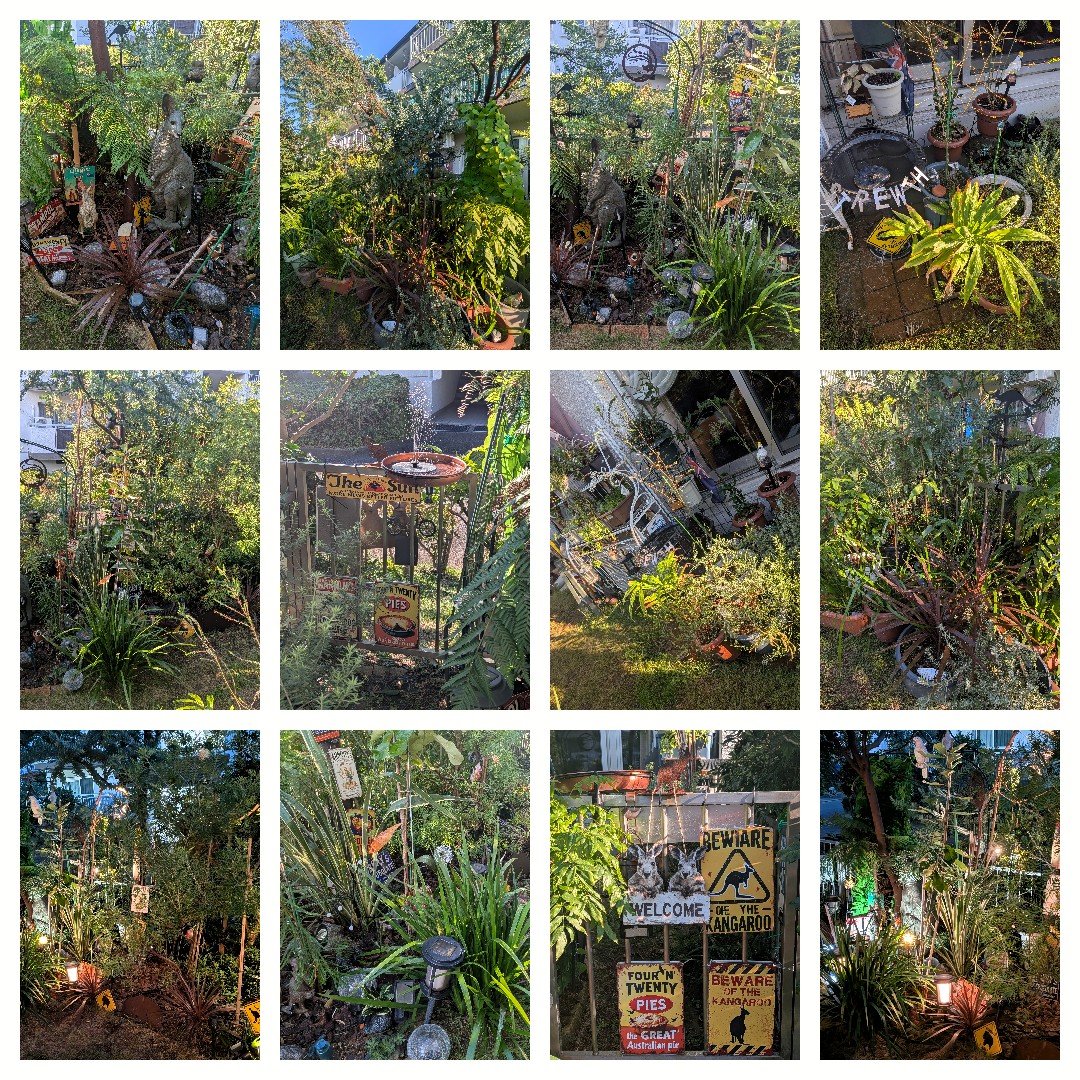
Australia and Japan have a long-established relationship spanning trade, education, tourism, food and culture. Gardening provides another, quieter meeting point between the two countries.
Australian native plants are increasingly familiar to Japanese gardening enthusiasts, but growing them successfully requires more than admiration for their appearance. It takes practical knowledge, experimentation and an understanding of the conditions in which different species thrive.
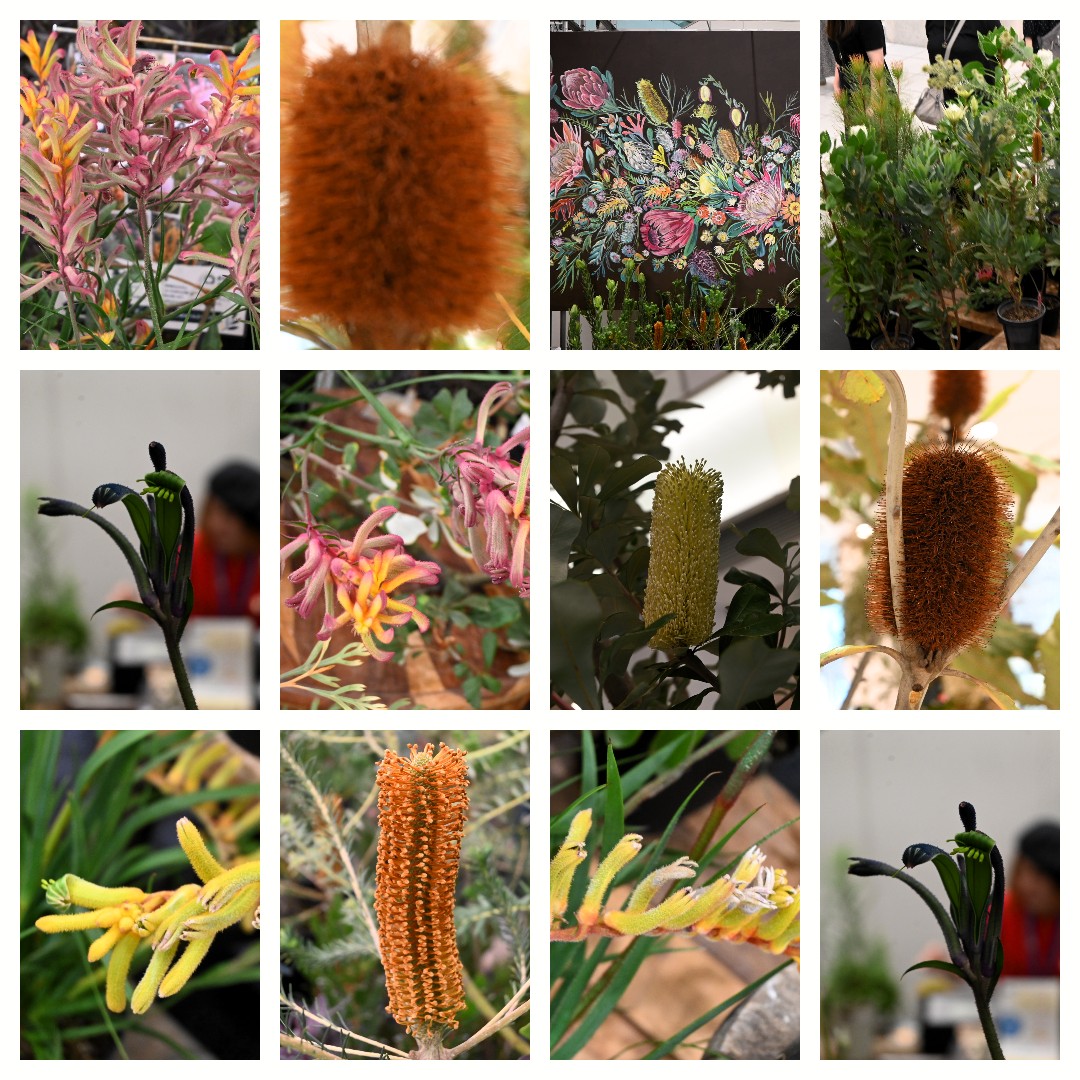
That is where specialist nurseries such as 沼ノ上農園 can make a real contribution. They connect Australian botanical heritage with Japanese horticultural skills, making unfamiliar plants accessible to local gardeners.
Meeting Jun and Ryota-san at the PARCO pop-up was a reminder that international connections do not always need to be grand or formal. Sometimes they grow through a conversation about a plant, a video explaining how to care for it, or a striking arrangement that makes somebody stop and look.
For Australian plants in Japan, that’s a pretty good place to put down roots.
A little piece of home: Proteaflora
One of the most special discoveries at the pop-up shop was seeing plants from Proteaflora, an Australian specialist in proteas and other members of the Proteaceae family, including banksias and waratahs. The company was established in 1974 and has grown into a major supplier of distinctive Australian plants.
Proteaflora operates from 204 Old Emerald Road, near Monbulk in Victoria’s Dandenong Ranges. That location made the discovery particularly meaningful for us: Emerald is just a short distance from Belgrave, where I grew up.
Seeing plants from that part of Victoria on sale in Saitama was a lovely reminder of how horticulture connects Australia and Japan in unexpected ways. Plants that belong to the familiar landscapes of home can find new admirers thousands of kilometres away, thanks to specialist growers and Japanese nurseries such as 沼ノ上農園.
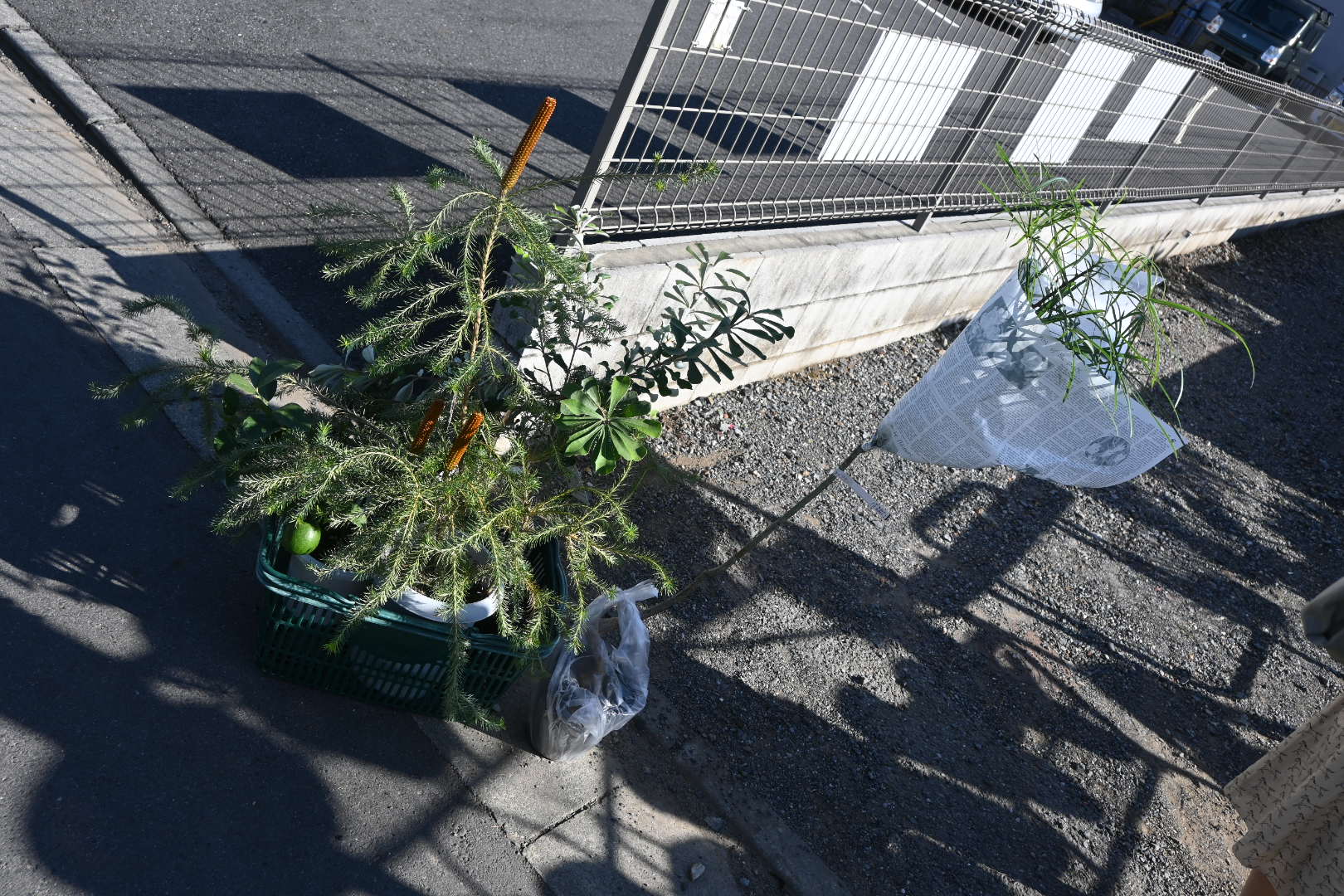
For me, this was more than an interesting Australian plant display. It was a little piece of home turning up in an unexpected corner of Japan.
Learn more about Proteaflora, its Australian native plant range, and its growing advice.
Jun-san’s Latest Video
More About 沼ノ上農園