Garage: The Aussie Word That Once Meant A Petrol Station
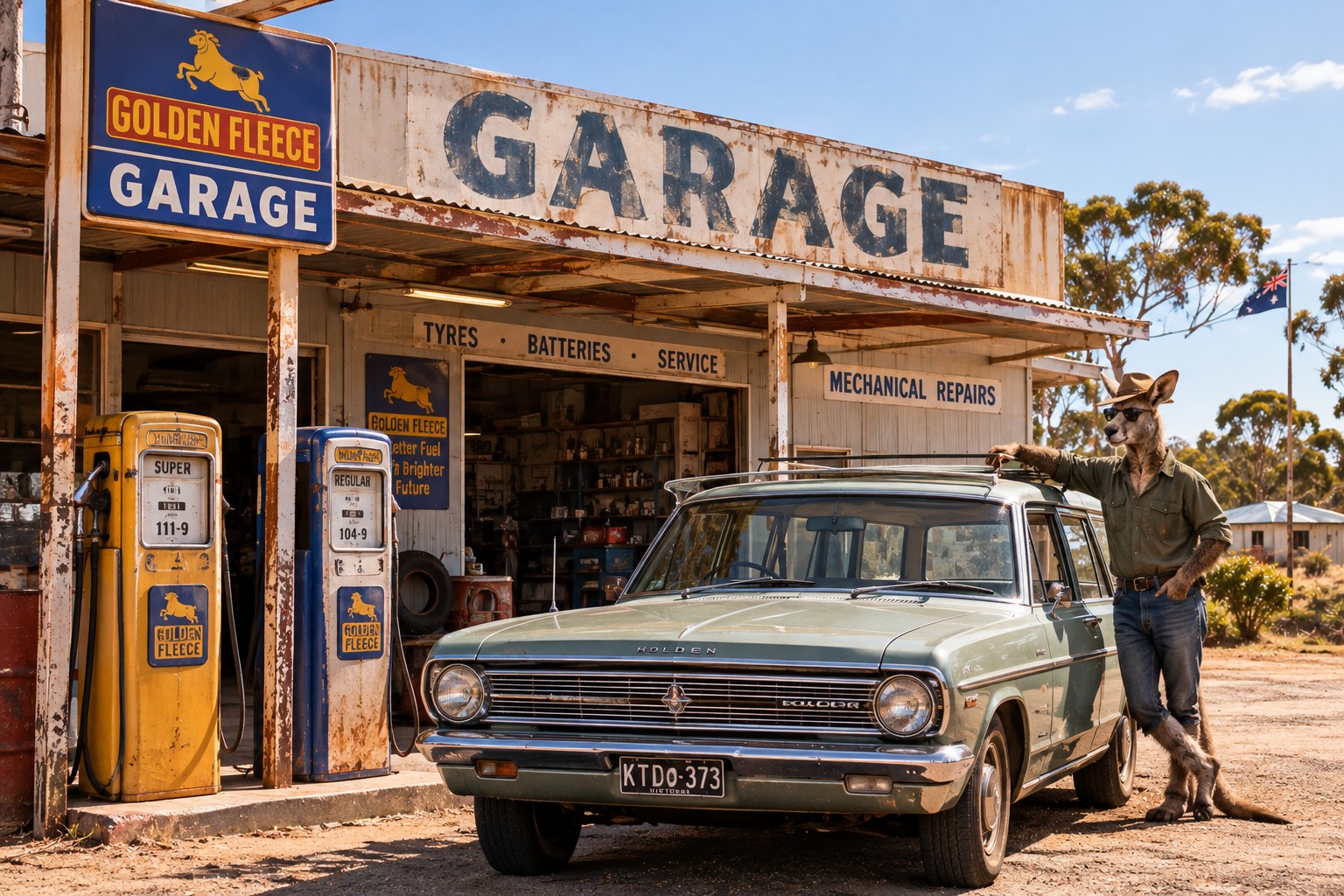
In Australia, a garage hasn’t always been somewhere to park the car. Older generations also used the word for a place where motorists bought petrol, had their cars serviced and sometimes got repairs. The pronunciation was distinctive, too, with the emphasis on the first syllable: GAR-rij.

オーストラリアでは、garage は昔から車を停める場所だけを意味していたわけではありません。年配の世代を中心に、ガソリンを入れたり、整備や修理を頼んだりする場所も garage と呼んでいました。発音にも特徴があり、最初の音節を強く発音する GAR-rij という言い方がありました。

In older Aussie usage, a garage could mean a petrol station or motor vehicle service business. The word is still familiar, but petrol station is the standard term today, while servo is a common Aussie colloquialism. Garage remains widely used for a building where cars are parked or repaired.

昔のオージー英語では、garage はガソリンスタンドや自動車整備工場を意味することがありました。現在も通じる言葉ですが、ガソリンスタンドの一般的な呼び方は petrol station で、口語では servo もよく使われます。garage は今では主に、車を駐車したり修理したりする建物を指します。

Examples

I need to stop at the garage and get some petrol.

ガソリンを入れるために、ガソリンスタンドに寄らなきゃ。

The old garage down the road used to fix cars and sell petrol.

通りの先にある昔ながらの店は、以前はガソリンを売りながら車の修理もしていました。

Japanese Explanation

日本語のガレージは、一般的に車庫や駐車スペースを指します。英語の garage もその意味で使われますが、昔のオーストラリアでは給油や整備をする店を指す場合もありました。現代のオーストラリアでガソリンスタンドを指すなら、petrol station や servo のほうが自然です。

In Japanese, ガレージ generally means a garage or parking space. English garage has that meaning, too, but in older Australian usage it could also refer to a business selling petrol and servicing cars. Today, petrol station or servo is more natural when talking about a place to refuel in Australia.

Australia–Japan Connection

Both Australia and Japan use loanwords related to cars, but their everyday meanings don’t always match. Japanese ガレージ usually brings a garage or parking space to mind, whereas older Aussie usage could point motorists towards somewhere to buy petrol. Context and generation matter when interpreting the word.

オーストラリアと日本では、自動車に関する外来語が使われていますが、日常的な意味が必ずしも一致するわけではありません。日本語のガレージは車庫を連想させますが、昔のオージー英語ではガソリンを買いに行く店を意味することもありました。意味を判断するときは、文脈や世代にも注目しましょう。
考えRoo の考え

Words change as cars and driving change. If an older Aussie tells you to pull into the garage, check the context before looking for somewhere to park. 車や暮らしが変われば、言葉の意味も変わるもの。年配のオージーに garage に寄ろうと言われたら、車庫なのか給油所なのか、まずは文脈を確認しましょう。


Cop A Gander At These Rippers Too...

  • Shilling Was Chilling But Thrilling Until Decimal

    財布の中から古い銀色の硬貨が出てきました。「これは何?」現代のAussieなら、少し考えるかもしれません。それは “shilling”。オーストラリアが十進法通貨へ移行する前に使っていた、昔の通貨単位です。 Meaning 1シリングは12ペンス。20シリングで1ポンドでした。オーストラリアでは1910年から1966年まで、この英国式の通貨制度が使われていました。1966年2月14日に十進法通貨へ移行しています。 Example “That used to cost a shilling.” 「昔はそれが1シリングだった。」 日本語での解説 日本でいえば、現在は使われていない昔の通貨単位に近いものです。”Shilling” 自体はAussieだけの言葉ではありません。しかし、Australian historyを理解するうえでは重要な単語です。 Australia-Japan Connection 日本も戦後に通貨や物価の感覚が大きく変化しました。オーストラリアでは1966年のdecimal currencyへの移行が、生活の中のお金の数え方を大きく変えました。 昔の通貨を知ると、古いAussieの新聞や小説が少し読みやすくなります。1 shilling。12 pennies。20 shillings to the pound。今では使わない数字でも、歴史を読む鍵になるのです。

  • |

    Tokyo’s Historical Fuchu Is Rooting For Australia

    Aussies might give a snarky chuckle at the title of the post, but even though Kangaeroo.com is at least somewhat concerned with the Australian vernacular, in this case we’re talking about barracking. Fuchu‘s history dates over 1,500 years when it was the seat of government in the Musashi Province and later served as a postal town on the arterial Koshu Kaido road in the feudal era before becoming the suburban hub that it is now. But it is also Tokyo’s Aussie town, and it is awash with green and gold and Australian flags and cheer right now. Fuchu’s latest adopted Aussies are the Australian baseball team in Japan to compete…

  • Skiting

    ストライン(オージー英語)ではskiteが「自慢する」という意味。ちょっと古くて、使う人は昔ほど多くないだろう。Skitingは「skite」の動詞。ようするに、自慢している。 昔、ストラインでは「skite」が日本語の「天狗」の意味。英・米語ではbraggartという。その場合の動詞はbrag. Does Australia Celebrate ‘G’dayween’ Instead of Halloween? – 考えRoo

  • |

    This Is Democracy Manifest! Get Your Hand Off My Succulent Sausage!

    Very glad to have grown up in a society that still seems to ostensibibly respect democracy and the rule of law, I was delighted to visit the Australian Embassy in Tokyo and partake of democracy manifest in the form of a snag. The bleak, wet day (eerily reminscent of my native Melbourne) was the backdrop to consular officials serving democracy sausages as Aussies flocked to the embassy to vote ahead of the May 3 federal election. I’m very grateful to the Embassy staff for putting on the sausage sizzle, and got to spend a lot of time chatting with some friendly Aussie voters. It was also a delight to see…

Leave a Reply

This site uses Akismet to reduce spam. Learn how your comment data is processed.