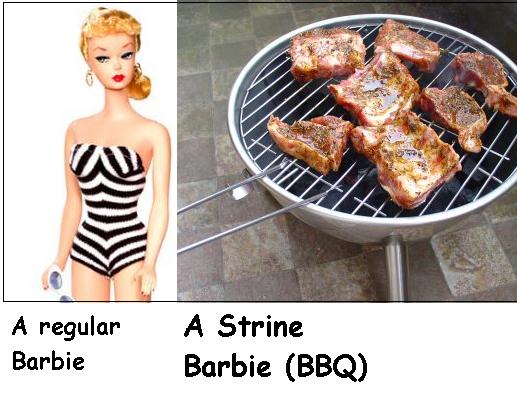
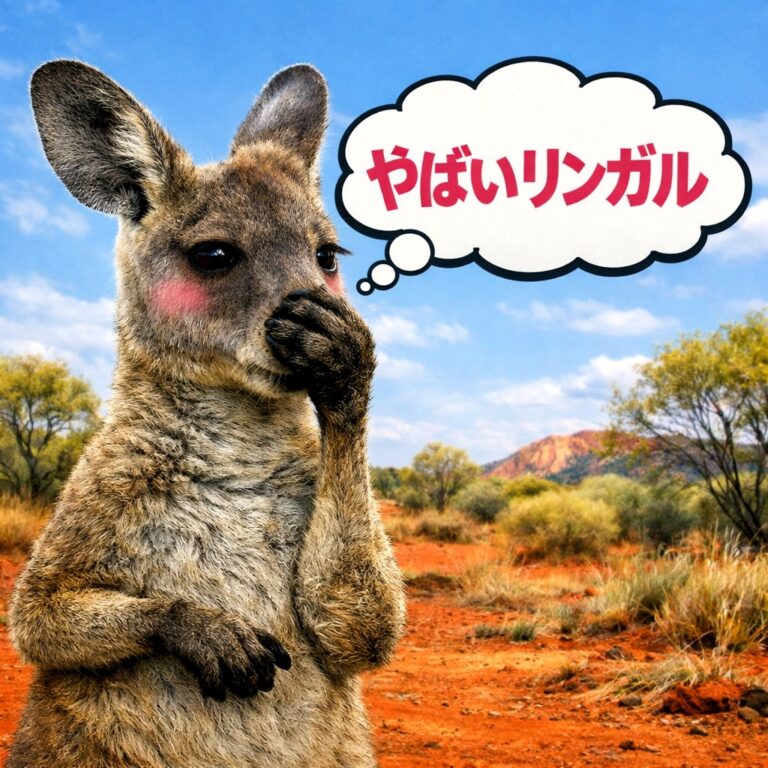
「やばいリンガル」 Barbie (バービー)


 オージー英語って、多くの言葉がオーストラリア独特な使い方があって、ほかの国で話す英語と言葉が同じでも意味がまったく違うことがたまにある。ここでは、その例を数多く紹介します。今日は、Barbieの誤解について見てみます。

Strine has some particular uses for words that aren’t always used the way they are in other English-speaking languages…and misusing these can sometimes cause trouble – or strife as it is in Strine – either while Down Under or elsewhere. Today, we’ll look at potential misunderstandings about Barbie.

Barbie

バービー
日本語の意味
Japanese
バービー人形
Barbie (Baabii) doll
米・英語
Meaning in U.S./British English
Barbie doll
豪語
But the meaning in Strine is....
Barbeque (BBQ)
バーベキュー

Cop A Gander At These Rippers Too...

  • Indigenous Aussies and Strine 先住民と豪語

    Indigenous Australians have contributed richly to language on a global scale. This is especially through the names of creatures such as the kangaroo, koala, wombat, wallaby and dingo, all of which were originally Indigenous Australian words, but now used everywhere English is spoken, as well as being incorporated into other languages, including Japanese.  オーストラリア原住民の言語は、世界的にも貢献している。カンガルー、コアラ、ウォンバットやディンゴなどの動物の名前は全て先住民語に由来し、現在は英語だけでなく日本語を含め世界各国で使われており、まさに「国際語」だ。

  • |

    やばいリンガル:Westie

    A westie, at least the version in Strine, is a bogan from the western suburbs of Sydney. A bogan, of course, is a person whose speech, mannerisms, appearance, clothing, behaviour, or attitudes are considered unrefined or unsophisticated. Bogans are often symbolized by a flannie and a mullet. 「Westy」とは、少なくともストライン(オーストラリア英語)における定義では、シドニー西部の郊外出身の「bogan」を指す。言うまでもなく、「bogan」とは、話し方、仕草、外見、服装、振る舞い、あるいは態度が、洗練されていない、あるいは野暮ったいと見なされる人のことだ。ボーガンは、しばしばフランネルシャツとマレットヘアで象徴される。 There are numerous types of bogans, including the snow bogans who swarm to Japan on bogan missiles. And New Zealand English, which is like an emerging version of Strine, also has westies, these being from the western suburbs of Auckland. The Japanese equivalent to the bogan or westie is the yankii. 「Bogan missile」に乗って来日に蔓延している「snow bogans」を含めて、ボーガンには様々なタイプが存在する。また、ストラインの派生版とも言えるニュージーランド英語にも「westy」という言葉があり、こちらはオークランドの西郊外出身者を指す。ボーガンやウェスティに相当する日本の言葉は「ヤンキー」である。

  • |

    豪キャブラリー: Sooky

    オーストラリア人の多くがぐずることが大好きで、よく文句をいう。こういう方々は「sooky」と呼ばれる。  厳密に言えばsookyは「よく泣く」という意味であり、sook「泣く」(動詞)の副詞であるが、別に泣かなくても文句や愚痴をたくさん言えばsookyと言われる可能性が高い。子どもに対してよく使う言葉なので大人に対して言われるとちょっと見下している感じもある。  ちなみに、sookを名詞として使う場合は実際にsookをする人を示せるというとても便利な役割を果たせる言葉でもある。

  • Laudable by Libs (Outside of Office) and Skillful Journalism

    For much of my life, I was something of a political animal, tempered by social requirements, but eventually tamed and then driven into apathy by circumstance. However, given a chance this week to watch a series of brilliant documentaries about Australian politics with a Tokyo connection, I felt stirrings of an old flame. Mark Willacy, a journalist for the Australian Broadcasting Corporation who was based in Tokyo as its North Asia correspondent from 2008 to 2013, interviewed more than 60 current and former Australian politicians for the three-part documentary series, Nemesis, that aired over the past couple of weeks and told the story of Australia’s three Liberal Party of Australia…

  • |

    豪キャブラリー:Crikey

    Crikeyはこの十数年でアメリカを中心に典型的なオージー英語の一つとなったが、実際にその一昔前までに死語になりつつあった。復活の理由は故スティーブ・アーウィン氏にあった。  多くの日本人にとって「スティーブ・アーウィン」が反捕鯨団体シー・シェッパードが使う船の名前かもしれないので、あまりいい印象を持てないかもしれません。  しかし、アーウィン氏は環境保全に熱心な方政治的に動くより「地球人」の一人みたいだった。陽気で明るく多くの人々に対してワニをはじめ多くのオーストラリア動物のことを世界中に紹介した。  アーウィン氏は、1990年後半からアメリカのテレビで「Crocodile Hunter」としてオーストラリアの大自然を紹介する番組や映画で大ヒットをし、得た資金を使って家族が古くから運営したAustralia Zooの運営などに使った。同氏が撮影中動物を見たどたんに「crikey」と叫ぶ、近く彼のうたい文句となった。アーウィン氏の人気が高まるとともにその言葉が彼自身そしてオージー英語のシンボルの一つとなった。  残念ながら5年前撮影中エイに刺されて他界へ。しかし、彼のおかげで「crikey」が不滅となり、現在オーストラリアで最も成功しているオンライン・ニュースサイト名にもなっている。

  • Japanese long-term resident numbers double Down Under

    Japanese long-term residents in Australia doubled over the course of the Noughties, according to the recently released 2011 Australian Census. The number of Japanese speakers residing permanently in Australia grew from 1,002 to 2,032 from 2000 and 2010, representing a 102.8% change. The 2011 Census showed there were 21,507,730 people in Australia, of who 43,692 are Japanese speakers. The total population of Japanese speakers in Australia was made up of 59.1% females and 40.9% males. And only 204 speakers were involved in a same-sex couple. Popular suburbs for long-term Japanese residents of Down Under to live in were Chatswood (NSW), Melbourne (VIC), Southport (QLD), Adelaide (SA), South Perth (WA), Sandy…