Ringo’s Ring-in, Awesome Aussie Anime Highlight the Fab Four’s Oz Oddities
 Just as the Beatles created an iconic scene with their 1966 arrival in Tokyo wearing traditional Japanese happi coats, so too did the Fab Four make waves when they toured Australia two years earlier at the height of Beatlemania and establishing a quirky relationship with Down Under at the same time.
羽田空港にてハッピー姿で飛行機から降りたビートルズが日本で1996年講演の代表的な場面となった同様、その2年前オーストラリアに訪ねた時も「豪州らしい」イメージがあると同時に同バンドがオーストラリアとの一味違う関係を築いた。
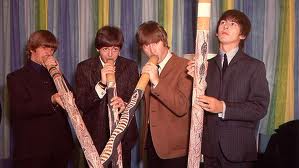
Australia’s archetypical Beatles image features the Fab Four standing around while holding didjeridoos, an indigenous Australian instrument that Ringo Starr on the far left of the picture appears to be tackling with greater fervour than bandmates Paul McCartney, John Lennon and George Harrison.
その典型的な「オージーっぽい」場面は、1964年6月に撮られた4人が豪州先住民の楽器であるディジェリドゥを吹いている写真だ。立派な写真だが、問題が一つあった。
It’s a great pic, but the only problem is that Ringo’s involvement in the Beatles’ June 1964 antipodean jaunt had been curtailed by illness and his place at the drums was taken by a ring-in called Jimmie Nicol, whose 11-day stint with the band appears to have created lifelong upheaval. Ringo fell ill on June 3, 1964, just days before the Beatles were due to play concerts in Australia as part of the band’s first world tour. Nicol was quickly roped in to take over and played eight gigs in Ringo’s place until the mop-topped regular could return. His figurative 15-minute stay finished, Nicol returned to obscurity, but not before taking part in the only five-member Beatles news conference ever given, which took place in Melbourne on June 14, 1964, upon Ringo Starr’s recovery and arrival in Oz.
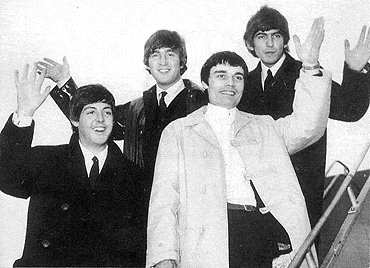
Nicol’s presence was a quirk of fate that started a somewhat left-field relationship with Australia, which surprisingly made the land Down Under an anime superpower then surpassing Japan despite Osamu Tezuka having made inroads into the world’s important markets with his cartoons. And this could be attributed to the Beatles.
ニコール氏のツアー参加がビートルズとオーストラリアのちょっとした変わった関係の始まりだったかもしれない。その思わず成果の一つが、当時手塚治虫などが各国で日本のアニメが人気を越えてオーストラリアを世界的なアニメ大国にしたことだった。その今想像がつかない現象は、ビートルズのおかげだった。
Almost unknown in Japan despite running here possibly from as early as 1968, The Beatles cartoon series ran from 1965 to 1969 and was an enormous ratings hit in every country in which it showed. And nearly all of the 39 episodes in the series were produced in Sydney’s Artransa Studios, momentarily making Australian animation production a global leader.
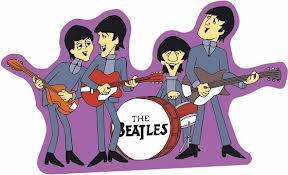 上映したが今ほとんど知られていないカートゥーンが「ザ・ビートルズ」が1960年代後半世界中に大ヒットした。そして、全39編カートゥーンのほとんどがなんと、シドニーにあるアートランサ・スタジオで制作された。上映した1965年から1969年の間。視聴率が圧倒的に高かったカートゥーンのおかげでオーストラリアが制作のメンではアニメのグローバル・リーダーと言っても過言ではない。
Despite the enormous success of the Beatles’ 1964 tour of Australia, the band never played there again despite coming close in the 1966 ill-fated Far East tour fondly remembered in Japan for the happi coats, but also the scene of right-wing fanaticism that was ultimately instrumental in the Beatles deciding later that year to give up touring for good.
1964年豪ツアーの大成功にも関わらずに度と同国でバンドとして講演することはなかった。来日した1966年の極東ツアーにもオーストラリアを取り入れる話もあったが結局あのハッピー姿の場面とフィリピンしか行かなかった。また、日本で右翼の猛反対などがあったからツアー自体を辞める決意に大きく影響を与えた。
The Only 5-Member Beatles News Conference (Melbourne, 1964)
The Beatles on YouTube
The Beatles in Australia