(Aussie) Black Swans Give (Japanese) Koi Fish a Decent Feed

SwansfeedBlack swans are endemic to Australia and symbolic to the country, particularly Western Australia, where the avian beauty is almost synonymous for anything Sandgroper.
 黒鳥は、オーストラリア国有鳥であり、州の象徴である西オーストラリア州では特に称えられている。
Koi fish, meanwhile, play a similar role for Japan, immediately evoking an image of the Land of the Rising Sun.
 鯉は、言うまでもなく、超日本的であり、日本のシンボル一つと言っても過言ではないはずだ。
This clip could be called a cute view of Australia-Japan friendship.
 なので、本動画が日豪友情の表れとも言える。

Cop A Gander At These Rippers Too...

  • | | | |

    Kangaroo Cooking…Roo Meat: It’s Tasty if Ya Cook It!

    Japanese have been legally eating kangaroo for longer than most Australians. Kangaroo meat was imported to Japan and being served in Tokyo restaurants from 1988, five years before meat from the national symbol was legalized for consumption by Australians in all states other than South Australia, where kangaroo could be eaten legally from 1980. (Indigenous Australians had continued eating kangaroo, a traditional food, regardless of the ban.) Despite the head start, kangaroo meat never really kicked on in Japan, despite its reputation for being a healthy, high-protein, low-fat alternative to beef or pork. RooMeat was promoted in Japan as being a preferred choice of athletes and models, but the “stars”…

  • |

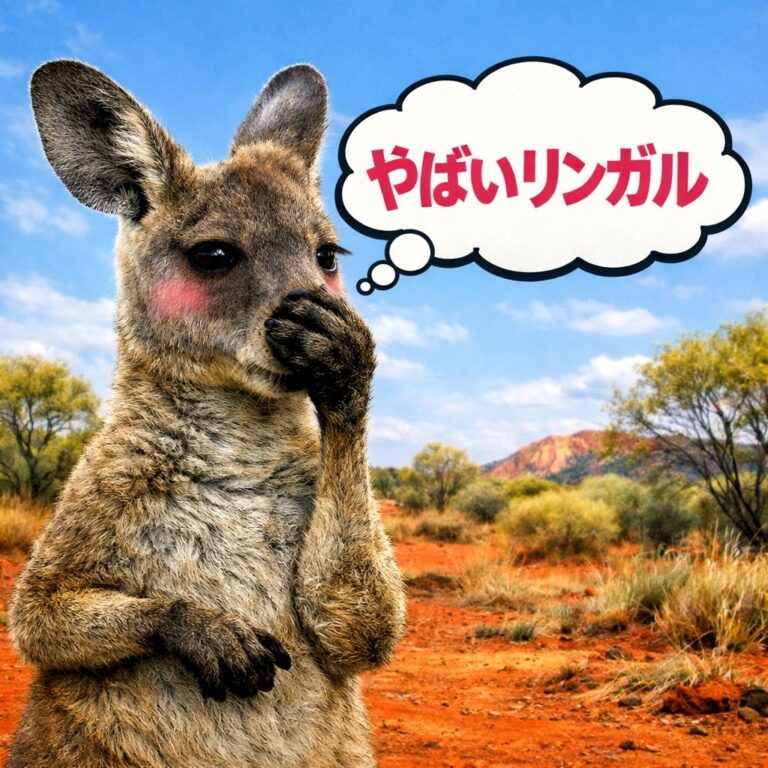
    「やばいリンガル」Knock(軽く叩く)

     米・英語はknockするというのは、軽くドアなどを叩くという意味だけど、オージー英語になるとknockは別の意味もある。続けて読んでその意味を知ろう。  A knock is a slight bump or tap for most of the English-speaking world, but gains additional meaning in Strine, or Australian English. Read on to find out what that is.

  • どうやってオーストラリアの一部を東京で再現する?

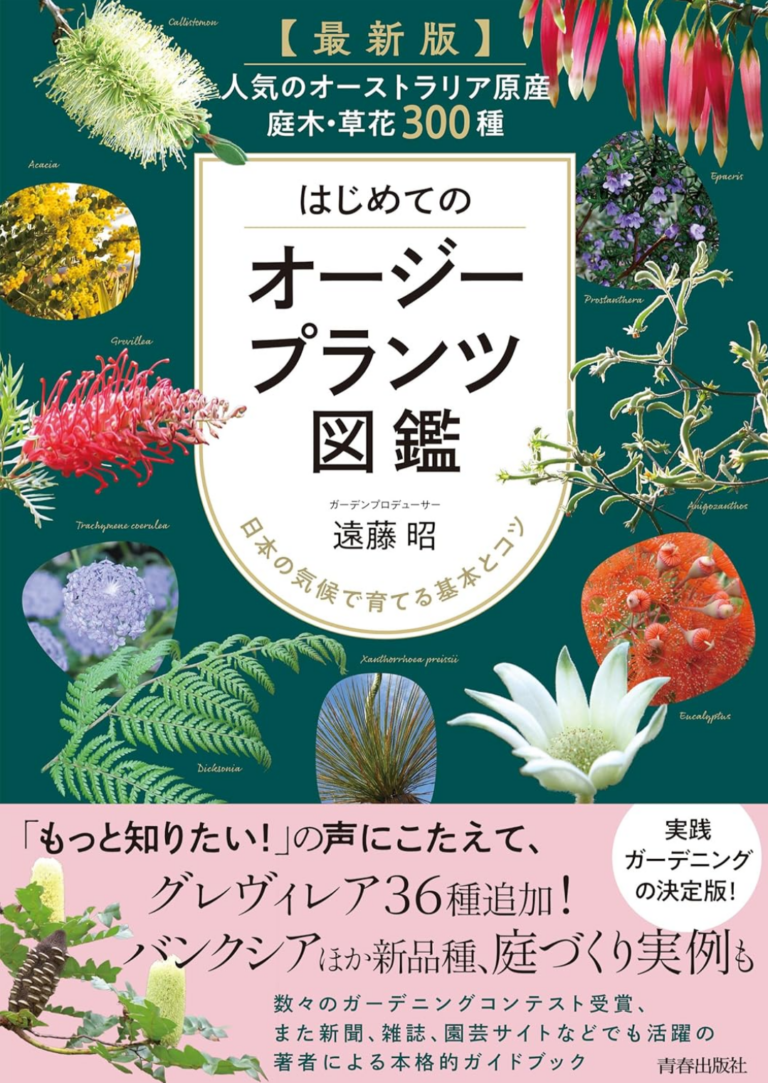
    How Would You Recreate A Slice Of Oz In Tokyo? まずは遠藤 昭(アレックス・エンドウ)さんに相談してみるといいでしょう。第二の人生をかけて、東京都内やその近郊でオーストラリア原産植物の庭づくりに取り組んでいる第一人者です。 Asking Alex Endo would be a good place to start as he has turned his second life into creating small plots of Australian native plants found in the Tokyo capital area. 遠藤さんは日曜日、日本でバンクシアやグレビレアをはじめとするオーストラリア原産植物を育てる方法について講演を行いました。 Endo spoke on Sunday about how to grow a slice of Australia such as banksia, grevillea and other Australian plants in Japan. 今週発売された『最新版 はじめてのオージープランツ図鑑』の著者であり、日豪交流の架け橋でもある遠藤さん。この日は初心者向けと、すでにオージープランツ栽培を楽しんでいる人向けの2回にわたり、魅力あふれる講演を披露しました。 The author of はじめてのオージープランツ図鑑』 (“The Beginner’s Guide to Aussie Plants”) released this week, and a great bridge builder between Japan and Australia, gave a pair of captivating lectures; a morning session for beginners and the later session aimed at those who’ve already…

  • | |

    先住民がカカドゥ国立公園をさらに安全化

    大、大、大好きの編集者である都築響一のフェースブック・ページから得た情報だが、オーストラリア北部ノーザン・テリトリーにあり、世界遺産であるカカドゥ国立公園内クーンガラ地区がが世界遺産指定エリアに入り永遠に守れるようになる。  日本発信旅行ブログOnTimeによるとカカドゥは、ウランが大量にあり、オーストラリア経済に有力ある鉱業がどうしても掘り出したがっているが、先住民のジェフリー・リー氏がずーとクーンガラを守って行こうとした。  詳しくはOnTimeへ(日本語)

  • Indigenous Aussies and Strine 先住民と豪語

    Indigenous Australians have contributed richly to language on a global scale. This is especially through the names of creatures such as the kangaroo, koala, wombat, wallaby and dingo, all of which were originally Indigenous Australian words, but now used everywhere English is spoken, as well as being incorporated into other languages, including Japanese.  オーストラリア原住民の言語は、世界的にも貢献している。カンガルー、コアラ、ウォンバットやディンゴなどの動物の名前は全て先住民語に由来し、現在は英語だけでなく日本語を含め世界各国で使われており、まさに「国際語」だ。