japan

  • | |

    What Happened When Japan Took On The Melbourne Cup?

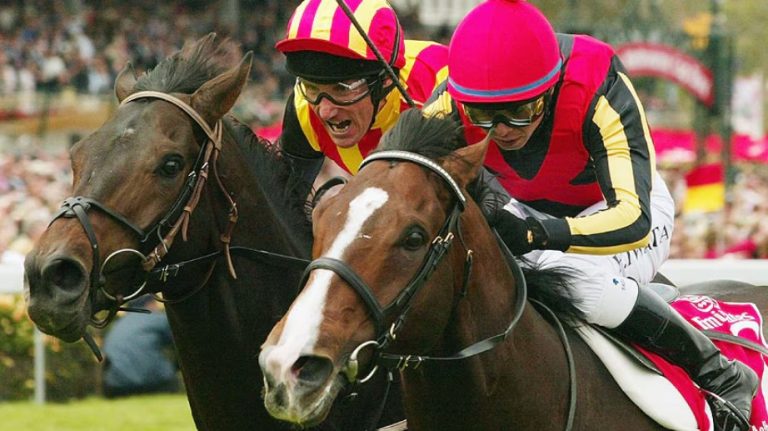
    日本馬がメルボルンカップに挑んだら、何が起きた? The Melbourne Cup has always attracted horses from overseas, but Japan’s relationship with Flemington is an unusually dramatic one. Japan’s first Japanese-trained runner appeared only in 2005. A year later, two Japanese horses finished first and second. Then a disease outbreak and Australia’s quarantine rules effectively shut the door for several years. When Japanese runners eventually returned, there were heartbreaks, near misses and one extraordinary second place. And now, 20 years after Japan’s greatest Melbourne Cup triumph, another Japanese stayer is coming to Melbourne. メルボルンカップには昔から海外馬が参戦してきましたが、日本との関係はかなりドラマチックです。日本調教馬が初めて出走したのは2005年。その翌年には日本馬が1着と2着を独占しました。ところが、その直後に馬インフルエンザが発生し、オーストラリアの厳しい検疫措置によって日本馬の参戦は事実上ストップ。その後も再挑戦、悲劇、そして惜しい2着が続きました。 そして2026年。日本のメルボルンカップ初制覇から20年、また1頭の日本馬がフレミントンへ向かおうとしています。 The first Japanese challenger 最初の日本馬 Japan’s first Japanese-trained Melbourne Cup runner was Eye Popper (アイポッパー) in 2005. He arrived in Australia having already…
  • | |

    How Did Japan Change the Way Artist Margaret Preston Saw Australia?

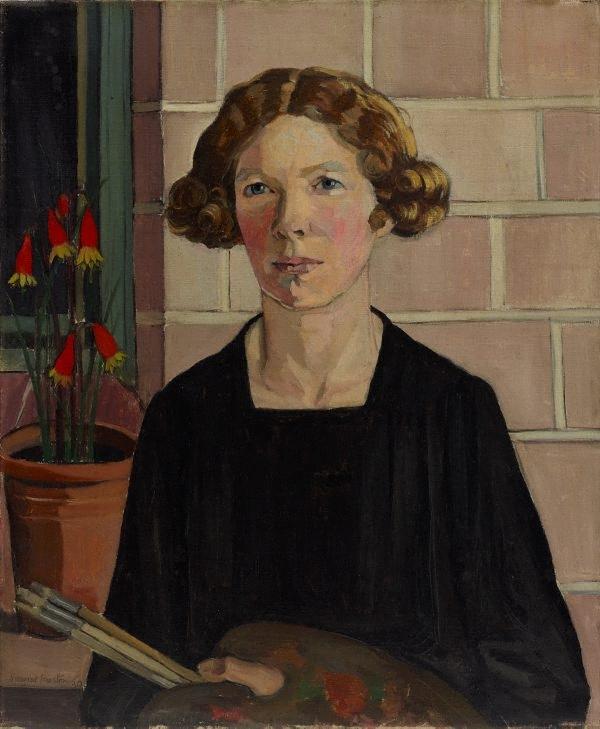
    日本との出会いは、画家マーガレット・プレストンのオーストラリア観をどう変えたのか? A journey that began with Japanese prints 日本の版画から始まった旅 Margaret Preston (1875–1963) helped change the look of modern Australian art. Her striking prints of native flowers, harbour views and birds drew on an unexpected source: Japan’s centuries-old tradition of ukiyo-e woodblock printing. But this was not simply a case of an Australian artist admiring Japanese pictures from a distance. Preston travelled to Japan herself, returning to study the craft that had fascinated her for years. マーガレット・プレストン(1875~1963年)は、オーストラリア近代美術の表現を大きく変えた芸術家だ。野生の花や港の風景、鳥などを大胆に描いた版画には、意外な源流がある。日本で何世紀にもわたって発展した浮世絵の木版画だ。しかし、彼女の日本との関係は、遠い国の美術に憧れて作品をまねたというだけではない。長年関心を寄せていた版画の技法を学ぶため、実際に日本を訪れている。 Preston first developed her interest in Japanese prints while travelling and studying in Europe. In Paris, she visited the Musée Guimet, now the National Museum of Asian Arts, and studied ukiyo-e. She was drawn…

  • |

    日本中がコアラフィーバーになったのはなぜ?

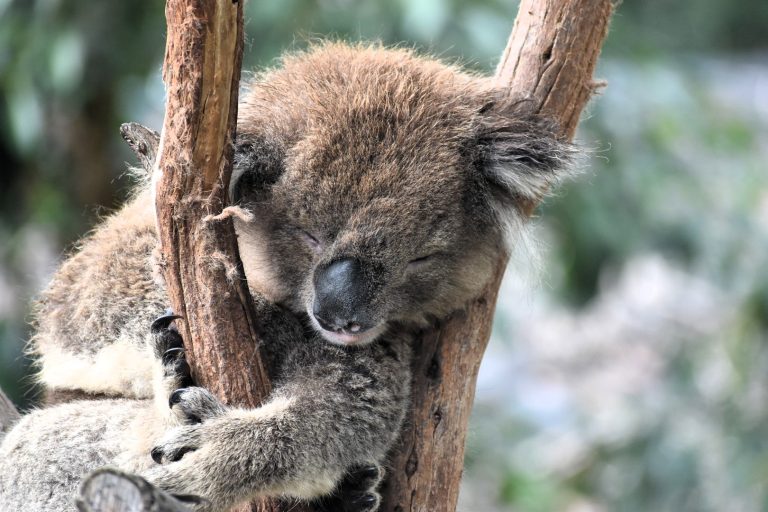
    Why Did Japan Go Koala Crazy? When six Australian koalas arrived in Japan on 25 October 1984, they were treated like visiting royalty. More than 100 journalists crowded Narita Airport, their flight had a special koala compartment, and police escorts accompanied them to their new homes. 1984年10月25日、オーストラリアから6頭のコアラが日本にやって来ました。成田空港には100人以上の報道陣が詰めかけ、専用スペースを設けた特別便で到着。動物園までの移動にはパトカーが先導するという、まさにVIP待遇でした。 But the real madness began when the public finally got to see them. At Nagoya’s Higashiyama Zoo, 11,200 people came on opening day. On the first weekend, 38,000 visitors descended on the zoo. People queued for hours just to catch a glimpse of an animal many had previously known only from pictures. 本当の熱狂は、一般公開が始まってからでした。名古屋の東山動植物園では初日に1万1,200人が来園。最初の週末には、なんと3万8,000人が押し寄せました。それまで写真でしか知らなかった動物をひと目見ようと、何時間も行列に並ぶ人々が続出したのです。 And Japan didn’t stop at looking. A nationwide competition chose…

  • When Did Japan Get Its Own Math Kangaroo?

    いつから日本に「マスカンガルー」がやってきた? Japan has plenty of unusual competitions for children, but few can be as wonderfully odd as a mathematics contest called the Kangaroo. 日本には子ども向けの変わったコンテストがたくさんありますが、「カンガルー」という名前の算数・数学大会ほど面白いものは、そう多くないでしょう。2026年、日本でも「マスカンガルー日本大会」が始まりました。そこで、考えRooらしい疑問が浮かびます。そもそも、なぜ算数・数学の大会が「カンガルー」なのでしょうか?答えをたどっていくと、オーストラリアからフランスを経て、そして日本へとつながっていきます。 In 2026, Japan got its own Math Kangaroo competition. And that raises a very Kangaeroo question. Why is a mathematics competition called a kangaroo in the first place? The answer takes us from Australia to France and, eventually, to Japan. It Started In Australia オーストラリアで始まった The story begins with an Australian mathematics competition. In 1978, Australian mathematician and educator Peter O’Halloran and his colleagues launched the Australian Mathematics Competition. The idea was rather different from the sort of mathematics test many people might associate with the…

  • | |

    What Happened When Australia And Japan Met At The Olympics?

    オリンピックで出会ったオーストラリアと日本は、その後どうなった? Sports Day is coming up, so it’s a good time to think that when Australia and Japan began celebrating 50 years of the Treaty of Friendship and Cooperation in 2026, there was an obvious place to look for the story of their relationship: the Olympic Games. The two countries have met at Olympics in Melbourne, Tokyo, Sapporo, Nagano and Sydney, and will meet again when Brisbane hosts the Games in 2032. But the interesting stories are not really about medal tables. They are about swimmers who became rivals, athletes who became Japanese favourites, schoolchildren who adopted an Australian team, students who stayed connected across the pandemic, and even a…

  • How Did Australia And Japan Go From Allies To Enemies And Now Back To Defence Partners?

    なぜ日豪は同じ陣営から敵国になり、そして再び防衛パートナーになったのでしょうか? An extraordinary reversal Today, Aussie and Japanese forces train together, visit each other’s bases and increasingly operate alongside each other. In 2025, Aussie soldiers participated in Exercise Orient Shield in Japan for the first time. The two countries’ defence relationship is now remarkably close. 現在、オーストラリア軍と自衛隊は共同訓練を行い、お互いの基地を訪問し、さらに緊密に活動しています。2025年には、豪州陸軍が初めて日本で行われたオリエント・シールドに参加しました。現在の日豪防衛関係は、驚くほど緊密です。 But this is not a relationship that followed a straight line. Australia and Japan were once associated through Britain’s alliance with Japan, became bitter enemies during the Second World War, and are now close strategic partners. しかし、ここに至る道のりは一直線ではありませんでした。かつて日英同盟を通じて同じ陣営にあり、第二次世界大戦では激しい敵対関係となり、現在では緊密な戦略的パートナーになっています。 When Japan was on Australia’s side In 1902, Britain and Japan signed the Anglo-Japanese Alliance. Australia was not an independent party to the agreement, but the new…

  • Nuts In: Arriving In Bubble Era Japan Was A Showa Stopper

    Ironically, my arrival in Japan coincided with the release of an aptly named snack, nuts-in, from Glico. I’ve had some kooky times in Japan since that fateful day when I got to New Tokyo International Airport in Narita precisely 38 years ago. I was only planning to stay for a short while and had a short-term visa. Plans changed. Not for the first time. Hoarding has been a lifelong habit. I recently found lots of old tickets and trinkets I had squirreled away in my early days in Japan. Lots of them I can’t use now because they’re no longer socially acceptable. My first-day memories are of the brown, barren…

  • Event Approvals, Grants On Offer For 50th Anniversary Of Japan-Australia Friendship Treaty

    Japan and Australia are offering grants and approval for certain events to mark the 50th Anniversary of the Signing of the Basic Treaty of Friendship and Co-operation between Japan and Australia in 2026. The governments of both countries and the Australia-Japan Foundation are taking all sorts of steps for broad exchange between Japan and Australia, with the active participation of local governments, businesses, private organizations, and others. The countries will recognize events as 50th anniversary events if they meet all of the following criteria: Approved events may identify themselves as Anniversary Events for the 50th Anniversary of the Signing of the Basic Treaty of Friendship and Co-operation between Japan and…

  • There’s Something Coincidental About Serendipity

    Serendipity has shaped my life much more than I would ever have expected. Two of the most fateful moments of my existence arose by coincidence, both of which involved bumping into someone I’d never expected to see again. These accidents led to me spending most of my life in Japan, and for now doing so clean and sober. Anyway, I’m digressing from what I really want to talk about, which is coincidence. Over the weekend, I was at a meeting when a neighbor walked in with his wife trailing behind him. The wife looked familiar as it turned out she should….More than three decades ago, she had kindly been one…

  • |

    Akiya Akita (空き家、飽きた), Or How I Got Sick Of The Idea Of A Japanese Home Too Cheap To Be True

    Having lived in Japan for decades, it’s suddenly strange to see the country become what seems to be the global flavor the month, particularly when it comes to the phenomenal interest in akiya, one of the millions of empty homes throughout the country. All of the photos in this post are of akiya on sale for less than 1 million yen, which is about A$10,000 at the time of writing, picked up off a site at random. Akiya has become a well-known word globally as people have become attracted by the prospect of owning real estate for a fraction of the price of property in their homeland. I understand the…