憎むのが大好きだった「反豪」豪州人の最後の別れ

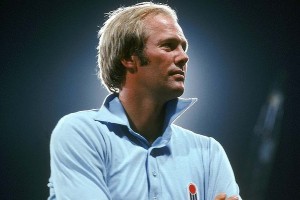
Tony Greig
Tony Greig
故トニー・グレッグ氏を知っている日本人が恐らく片手で数えるぐらいだろう。が、同氏が多くのオーストラリア人に愛されたと言っても過言ではない。 その理由を説明するのが非常に複雑だ。
You could probably count on a hand the number of Japanese who’ve even heard of Tony Greig, but it’s no exaggeration to say he was widely-endeared in Australia. Explaining why is pretty complicated.
29日付で肺がん治療中で心筋梗塞によってシドニーの病院で亡くなり、南アフリカ出身でイングランドのキャプテンとしてグレッグ氏は並以上の有力クリッケット選手であって、まだ現役1970年代で同スポーツの変革を起こした人の一人となり、以降オーストラリアを中心にテレビ解説者として活躍しながら豪国籍も収得した。

Greig died in a Sydney hospital on Dec. 29 of a heart attack that may have been brought on as a result of undergoing treatment for lung cancer. The apartheid-era South African-born former England captain was a better-than-average cricketer who was among those who brought about a revolution in the game in the 1970s before becoming a TV commentator in Australia and subsequently becoming an Australian citizen.
選手現役時代がちょうどオーストラリアの黄金期に伴った。オーストラリアが次からどんな相手でも素早く完全に潰した時代だったグレッグ氏が違った。チームメイトが相次いでアウトになったら、グルツグ氏だけが豪の有力選手に立ち向かって健闘した。多くの人を苛立たせながら、多数人数の尊敬も得た。
Greg’s playing days coincided with an Australian glory era. At a time when Australian teams were ripping through their opponents, Greig pluckily stood up to them even as his teammates often collapsed in a heap around him. Greig annoyed the hell out of many Australians, but his persist fight against overwhelming odds also brought him bucketloads of Aussie respect.
 また、グレッグ氏嫌なところがあった。特に1960年代後半以降英国連邦では南アフリカのアパルトヘイト制度について厳しくなった。同制度下で「名誉白人」として扱われた日本人にとってそれほど悪影響がなかったかもしれないが、大半が有色人種である同連邦とオーストラリア、南アフリカやローデシア(現ジンバブエ)(後の二か国が連邦から脱会だが、、、)など人種によって政策を実施した白人中心とした国で破裂しそうだった。その中南アフリカ出身白人グレッグ氏が(全員アフリカ系)カリブ海諸国で構成されているウエスト・インディーズに対して「ひれ伏させるぞ」と36年後の今でも怒りが収まらない発言をして、大勢にも憎まれていた。
Greig could also be hated. In 1976, the white South African (whose veldt-influenced accent remained with him for life) threatened to make the (all African heritage) West Indian team “grovel.” The effects of that statement may be hard to understand for many Japanese, who were affored “honorary white” status under South Africa’s hated apartheid system, which threatened to rip apart the British Commonwealth, which was composed of predominantly non-white nations but also included many countries where racially-based legislation had been the norm, including Australia, South Africa and what was then known as Rhodesia (today’s Zimbabwe). Even now, 36 years after the event, many still abhor Greig’s remark.

 だが、それに対して偉さも見せたともいえる。同氏がその発言に対して誤り、ウエスト・インディーズに完敗された時に自分自身がそのチーム前でひれ伏してお詫びした。また、ご自身が転換病だったし、まだ公表することが珍しい時期でそれを発表し、多くの患者の手伝いを行なった。
To his credit, Greig could also admit to being wrong. When the West Indies team responded to his statement with anger, he apologized, and when the England team he was leading, the captain got down on his knees and grovelled before his opponents, begging for their forgiveness. He also announced publicly in 1977 that he was suffering from epilepsy, a disease then still carrying considerable social stigma, and helped others cope with the condition throughout the remainder of his life.
そして、解説者として有名な仕草が多数あり、その一つがオーストラリア在住であり、豪国籍を持ってもどうも同国対抗するを応援しているようにほのめかす。相手国が出身の南アフリカか自分が代表キャプテンだったイングランドならなおその気持ちが強い。
Greig became a legendary cricket commentator renowned for many idiosyncracies (especially checking the hardness of the pitch by inserting a key into it), including his somewhat anti-Australian stance, even after he naturalized, and this seemed to become more prominent when the Aussies played either his native South Africa or England, the team he had represented.
が、オーストラリア唯一全国的に行っているメジャー・スポーツとしてのクリケット中継解説者として30年以上に及んだらグレッグ氏がなんだかんだ言っても、そしてオーストラリアを小馬鹿にしても、大勢のオーストラリア人にとって愛される存在となった。

Yet, even as he niggled Australia, he came to be widely loved across the land in more than 30 years as a commentator on the country’s only major sport to claim undisputed national dominance.
享年66歳だった。同氏の人間性に疑問を持ちながら、永眠となったことが考えRoo自身に衝撃的だったことを否定できない(恐らく、死の必然性を改めて教えていただいたから、、、)。
Greig died age 66. While doubts linger about his character, it’s impossible for Kangaeroo to deny his passing hasn’t caused some shock (probably because it reaffirms Kangaeroo’s own mortality…)
グレッグ氏のご冥福をお祈り致します。
May Tony Grieg rest in peace.

Cop A Gander At These Rippers Too...

  • |

    オーストラリアでも伝説的な存在Fighting Harada!

     多くの人にとって驚く話かもしれないが、日本ボクシング界の伝説的な歴代世界チャンピオンFighting Haradaは、オーストラリアにもスーパースター扱いされている。 Former world boxing champion Masahiko “Fighting” Harada is a legend in his home country, but few Japanese are aware he occupies a similarly exalted status in Australia.  一連の動画シリーズによってこの数週間その理由を迫る。 We’ll use a series of videos over coming weeks to find out why.  話の始まりのは1968年2月。 The legend starts in February 1968.  ファイティング原田がまだ世界バンタム級チャンピオンだった。 Fighting Harada was then world bantamweight champion.00  世界タイトル戦相手がリオネル・ローズ氏だった。 He was defending his title against Lionel Rose.  一人のオーストラリア人。 An Aussie.

  • Fairy floss/綿あめ

    fairy floss Australian English Fairy floss is the Australian term for cotton candy, with the name given because of the treat’s light, fluffy appearance. It is also sometimes used to describe a weak effort. 日本語 1) 綿あめ。 2) 弱い、努力不足。 直訳すると「妖精の綿毛」という意味。由来は、同あめが妖精のようにふわふわしている。 Plain English Cotton candy, candy floss Strine Dictionary

  • | | |

    Why Did Suntory Choose Jacko For Its Ads?

    なぜサントリーはマーク・“ジャコ”・ジャクソンを起用したのか? In the 1980s, one of Australia’s most colourful sporting personalities unexpectedly found himself on Japanese television. AFL star Mark “Jacko” Jackson wasn’t a movie actor or musician, yet Suntory believed he had something special to offer Japanese audiences. Why? 1980年代、オーストラリアを代表する個性派スポーツ選手の一人、マーク・“ジャコ”・ジャクソンが日本のテレビCMに登場しました。俳優でも歌手でもない彼を、なぜサントリーは起用したのでしょうか。 Bigger Than Footy フットボールを超えた存在 In Australia, Mark “Jacko” Jackson was already famous. A talented Australian Rules footballer, he became equally well known for his humour, confidence and unmistakable personality. His catchphrase, “I’m an Individual”, made him one of Australia’s most recognisable media personalities. フットボールを超えた存在 オーストラリアでは、マーク・“ジャコ”・ジャクソンは人気の高い人物でした。 優れたオーストラリアン・フットボール選手であると同時に、ユーモアあふれる個性的なキャラクターでも知られていました。 「I’m an Individual(俺は俺だ)」という決めぜりふは、多くのオージーに親しまれました。 Japan Was Discovering Australia 日本がオーストラリアに注目していた時代 During the 1980s, Japan’s interest in Australia was growing rapidly. More Japanese families were travelling…

  • | |

    The Multi-Function Polis: 日本の新型都市をオーストリアで建設計画

     それほど遠くない昔前、日本が「日本の新型都市」をオーストラリアで建設する計画があったのは知っていた?  その都市はサンフランシスコのジャパン・タウンかロサンゼレスのリットル・トーキョーのような日本人や日本が大きく影響与える町の一部なところではなく、日豪政府が合同で運営する新しい都市を一から作ろうという大きな計画だった。また、その都市は当時の最先端技術を全面的に活用しようという予定だった。これはマルチ・ファンクション・ポリス(MFP)という都市だった。   オーストラリア政府が1980年代の半ば頃日本政府にMFP計画を発案した。当時、白豪主義などでずーと避けようとしたアジアに対して近づこうと豹変したオーストラリア政府の考えだった。日本がプラザ合意直後円高が続き40年間に及ぶ経済成長が絶好調に進みさらに一層景気が発揮するところだった(その「発揮」がバブルだということは後になった分かったが当時は「ジャパニーズ・ミラクル」として見られたのは忘れちゃいけない。)  日本が半導体などの世界的なリーダーであったので最先端技術及びその都市のブレーンなどを供給し、オーストラリアが場所を提供すると両国が合同で資金を出し、合同で運営する都市という計画だった。両国が計画に関する協議などが進み、候補地になるためオーストラリア各地で激しい競争を行い、最終的に南オーストラリアの首都であるアデレード市の郊外で作ろうとした。  しかし、オーストラリア国内での反発が激しかった。当時まだ潜在する反日感情が沸き、表でも与党党首だったアンドルー・ピーコック氏や復員兵が構成するRSL会長のアルフ・ガーランド氏を先頭に「あの都市がアジア人の居留地しかならん」など、反MFP計画勢が計画の反対を示し、なかなか進めなかった。  結局、時間が経つと共にオーストラリア政府の動きが鈍くなる。1980年代後半オーストラリアが深刻な不況に落ち、バブル絶好だった日本がその半日感情を考慮し強い後押しを控えた。最後に、反対の声が強すぎ、バブルが破壊し、計画が元通りで進めなくなって今では忘れられている日豪関係のエピソードのひとつである。  ちなみに、連邦政府がMFP計画を断念したけど、1998年に南オーストラリア州政府が独自で同計画を部分的に使いMFPの候補地でMawson Lakesという新型地域を建設した。でも、もう日豪合同都市という夢が絶望となって、日本でもオーストラリアの連邦(国)政府のいずれも関係なかったけどね、、、 この話しをさらに読みたいなら考えRooが下記のサイトをお勧めします。 マルチ・ファンクション・ポリス(MFP)(English) グローバリゼーション下の国際協力政策 ――MFPの事例――(日本語)

  • Mickey mouse/ミッキーマウス

    Mickey mouse Australian English Lax, frivolous, sloppy, not very good, poor quality. 日本語 中途半端、ルーズ、質が悪い、軽い、手が抜ける、適当。当然、あの同名のディズニー大スターがオーストラリアにも人気者だけど、なぜこのようなネガティブな意味になった理由が不明だ。 Plain English 1) Slack, lazy, lax, incompetent or inconsequential. 2) The megastar and symbol of the Walt Disney stable of companies. An American cultural icon. Strine Dictionary

  • | |

    Monkeying Around With Shared Kobe Steel(e)s

    Of the many commonalities shared by Australia and Japan, perhaps one of the quirkier ones is that both countries are home to a Kobe Steele known for monkeying around. Australia’s Kobe Steele founded the Orangutan Foundation International Australia (OFI Australia), and was awarded the Medal of the Order of Australia in 2021 for her services to conservation and the environment. Japan’s Kobe Steel Ltd., meanwhile, monkeyed around in a far less noble way, falsifying inspection and quality data on steel, aluminium and copper products for years, affecting hundreds of customers and resulting in billions of yen in fines after causing one of Japan’s most significant industrial quality scandals in recent…