Japan’s Mobs Of Macropod Motifs Missing Marsupials In Masterpieces

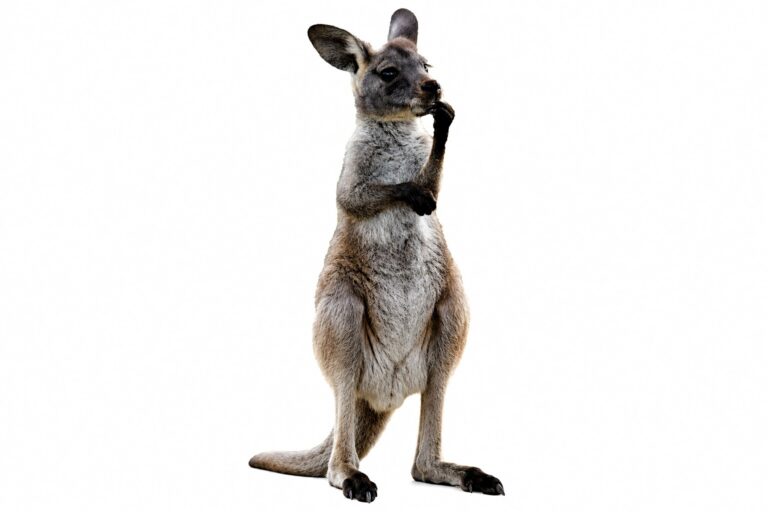
Something strikes me about kangaroos in Japan, where companies like Seino and Nikko Kanko have made the marsupials highly visible. Kangaroos are possibly even higher profile than their native Australia, where Qantas uses the national symbol in its logo, but the macropod is a somewhat uncommon sight elsewhere in the corporate sector.
I wouldn’t go so far as to say kangaroos are a ubiquitous presence in the Japanese retail or corporate sector, but it would be no exaggeration to claim they are a daily presence. Far more so, actually, than they are in Australia.
1.avif)
That got me to thinking about the presence of kangaroos in the Japanese art world, which led to pondering whether there are ukiyo-e style images of kangaroos, and then further thought about when Japan first learned about kangaroos.
2.avif)
A description and picture of one of Ueno Zoo’s kangaroos from Ueno Dobutsuen Annai published in 1902
I associate ukiyo-e with the Tokugawa era (1603-1868) when Japan basically shut itself off from the rest of the world. Delving through records showed me when all sorts of animals first arrived in the country, but there is no documentation of kangaroos arriving before Japan opened its doors to the world again in 1853.
Japanese may not even have known about kangaroos at the time through rangaku Dutch studies, especially considering works such as Historiae Naturalis de Quadrupedibus Libri, cum Aeneis Figuris contained references to unicorns but not marsupials, but the Dutch knew of kangaroos from as early as the 15th century.
Nature magazine quotes a letter from Peter Martyr describing a visit to a southern coast where sailors “found a monstrous beast, with the head of a fox, the, hands of a man, the tail of a monkey, and that wonderful provision of nature, a bag in which to carry its young.”

This was clearly a description of a kangaroo, but the animal wouldn’t be given that name in English until the voyage to Australia in 1770 by Captain James Cook.

The first documented recording of a kangaroo in Japan that I could find came from the Jurai Gafu, which was published in the early Meiji era (1868-1912), the exact year is unknown, by a publisher called Ōhashidō in Tokyo. It contains a woodblock print by the artist Utagawa Yoshimura (1846-1887?). Jurai Gafu‘s publication is highly likely to have been between 1876, when Utagawa changed the kanji he used in his name to the one found in the book, and 1887, the presumed year of his death.

Kangaroos were certainly publicly known within Japan by the 1880s. Ueno Zoo opened in 1882 and by the latter half of the decade was exhibiting exotic animals and public interest in foreign fauna was rising.

There is no record of exactly when kangaroos were first exhibited in Japan, but they are documented as being in Ueno Zoo in Chiyomatsu Ishikawa‘s Ueno Dobutsuen Annai, published in 1902.

Thereafter, zoos across Japan added kangaroos to their collections throughout the 20th century and their existence became known universally. Their surprisingly prominent position in Japanese advertising, however, is an entirely different story.
The appearance of any company, organization, or individual on Kangaeroo.com does not constitute an endorsement, approval, or criticism of that entity or its actions. Content is included solely because it relates to themes involving Japan–Australia relations, with a particular focus on kangaroos, and should not be interpreted as expressing any evaluative judgment.
免責事項:「考えRoo.com」に登場する企業・団体・個人について、掲載は推奨・支持・批判を意味するものではありません。内容は、日本とオーストラリアの関係、とりわけカンガルーに関するテーマに関連するため掲載しているものであり、当該主体に対する評価や判断を示す意図は一切ありません。