Japan’s ‘Japow’ Transforms Australia Into A Winter Sports Force

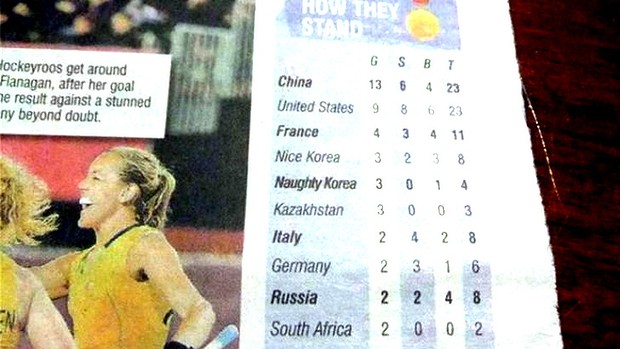
For most of the 2026 Winter Olympic Games in Milano and Cortina, Australia occupied a prominent position on the medal tally. In fact, that land famous for its searing heat, blistering sunshine and water games outranked countries like Canada, where snow sports are a part of daily life from birth, and recent Winter Olympic Games powerhouses like China and Korea. And Japan, itself one of the top Winter Olympics performers, has much to do with Australia’s success.

Australia has taken part in every Olympic Winter Games since 1936. But it didn’t win a medal until 1994, and a woman didn’t pick up one until 1998. That year, the Winter Games were held in Nagano in, yes, Japan, the land of Japow!, the name given to the country’s light and fluffy powder snow.

Around that time, only about 100,000 Australians a year travelled to Japan, and it was barely a blip on the radar. But it had given Australia a taste of Winter Olympics success with that bronze in the alpine skiing women’s slalom.

Australia’s first ever Winter Olympics gold medal was the miracle on ice brought about by Steven Bradbury four years later in Salt Lake City, when every other competitor in his race fell and he suddenly went from being a distant last-place to winning.
There was a Japanese element to that race, too, with Apollo Anton Ono, the favorite to win, being of Japanese heritage.

After Nagano, Australia formed the Olympic Winter Institute of Australia, which helped improve performance, but so did Japan, as the number of Aussies visiting here began to climb, particularly for snow tourism. Snow resorts like Hakuba in Nagano Prefecture and Niseko in Hokkaido began to target Australian visitors.

And amid a mining boom, cashed up snow bogans were more than happy to head here and avail themselves of Japow. One Aussie referred to skiing in Japan as being “like Perisher with chopsticks,” citing Australia’s premier ski resorts, Perisher.

By the mid-2010s, Australian tourism to Japan had skyrocketed, and in parallel, its winter sports prowess was growing. By 2016, Australian tourism to Japan had grown by 950% compared with 1999 to almost 450,000 and reached a pre-pandemic peak of 620,000 in 2019. From the launch pad in Nagano, Aussies also medalled at every subsequent Winter Olympics.

Post-pandemic, Japan has aggressively marketed its ski fields to Aussies. More than 1 million Australians visited Japan in 2025, the first time visitor numbers topped seven figures and more than 10 times the number customary in the previous century.

As growing numbers of Aussies hit the slopes in Japan, Australia’s Winter Olympic success continued, hitting a peak in Vancouver in 2010 with a medal haul that included two golds, one of which was won by Dale Begg-Smith. Australia has won medals in skiing, moguls, snowboarding and speed skating.

The Japan National Tourist Organization held the Snow Travel Expo in Australia to lure Aussie skiers. Australians are estimated to make up about 30% of all snow tourists to Japan, an enormous figure far outweighing its proportion of overall tourism.

There’s little doubt Australians like Japow! For the isolated land Down Under, Japan is comparatively close and located in roughly the same time zone, so there’s no jet lag like a trip to Europe or Canada, and the flights don’t take as long and come with a dose of Japanese efficiency.
And Australian snow tourists’ love for Japan is widely welcomed and reciprocated. According to industry reports, foreign snow tourists contribute a huge proportion of consumption at resorts — in some cases up to 90 % of total spending. Snow tourists, including Australians, often stay longer and spend more across accommodation, food, transport, and retail, generating downstream economic impact beyond the resorts.

Aussies are, therefore, seen as a high-value inbound tourism segment for Japan’s rural, winter-season economies. Not everyone is pleased, though, and places like Reddit, often contain stories of boorish behavior by snow bogans from Down Under. I’ve overplayed the image, too, with the AI-generated images of snow bogans accompanying this post. But they’re meant to be taken in good fun, and to highlight how the relationship between Japan and Australia is working both ways.

The still unfinished at time of posting Milano Cortina is the most successful Winter Olympic Games in Australia’s history, and it has hovered near the top 10 performing countries for most of the event. This would have been unthinkable not too long ago. Australia’s rise coincides with its early Winter Games medal won in Japan and the rapidly increasing number of Aussie snow tourists heading to this country.
Australia at the Winter Olympics
Der! Australia’s Winter Olympians are overwhelmingly private school educated