How Did Wagyu Become An Aussie Success Story?

和牛はどのようにオーストラリアで成功を収めたのか?
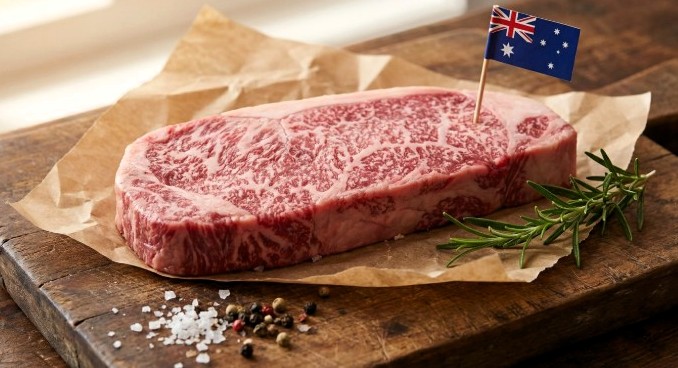
Australia is now one of the world’s largest producers of wagyu beef, but few people know that its success began with a remarkable partnership between Japanese genetics and Aussie cattle producers. This is the story of how trust, science and shared ambition created one of the world’s great agricultural success stories.

現在、オーストラリアは世界有数の和牛生産国です。しかし、その成功が日本の和牛遺伝資源とオージーの畜産家たちとの協力から始まったことは、あまり知られていません。信頼と技術、そして共通の志が生み出した日豪農業協力の物語です。


A Japanese Treasure Finds a New Home

日本の宝が南半球へ

For centuries, wagyu cattle were raised almost exclusively in Japan. Their unique genetics produced the exceptional marbling that made Japanese beef famous throughout the world.

和牛は何世紀もの間、日本だけで大切に改良・飼育されてきました。その優れた遺伝資源は、美しい霜降り肉を生み出し、日本を代表する食文化の一つとなりました。

Until the late twentieth century, very few wagyu cattle or their genetics left Japan.

20世紀後半まで、生きた和牛やその遺伝資源が海外へ渡ることは、ほとんどありませんでした。

Everything changed when Aussie cattle producers recognised the extraordinary potential of Japanese breeding.


しかし、日本の和牛育種に大きな可能性を見いだしたオージーの畜産家たちによって、その歴史は大きく動き始めます。


Looking Beyond Traditional Beef

新しい牛肉づくりへの挑戦

Australia already had one of the world’s largest beef industries.

Its farmers were not trying to replace existing breeds. Instead, they wanted to produce premium beef that could compete in international luxury markets.

オーストラリアは、すでに世界有数の牛肉生産国でした。

畜産家たちの目的は既存品種を置き換えることではなく、高品質な牛肉という新しい市場を切り開くことでした。

Japanese wagyu offered something different. Exceptional marbling. Rich flavour. A reputation built over generations.

和牛は、それまでとは異なる価値を持っていました。きめ細かな霜降り。豊かな風味。そして、長い年月をかけて築かれた信頼です。


Building a Partnership

協力関係が始まる

Developing wagyu in Australia was never a matter of simply importing cattle.

Breeders, veterinarians, researchers and producers worked together to understand bloodlines, feeding programs and breeding techniques.

オーストラリアで和牛を育てることは、牛を輸入するだけでは実現できませんでした。

生産者、獣医師、研究者が協力し、血統や飼育方法、繁殖技術を一つひとつ学びながら改良を重ねました。

Japanese expertise and Aussie farming experience complemented each other.

The result was a partnership that benefited both countries.

日本の知識と、オージーの畜産技術。

両国の強みが組み合わさることで、互いに利益をもたらす協力関係が築かれていきました。


A Global Reputation

世界が認めるブランドへ

Today, Aussie wagyu is exported to restaurants and retailers around the world.

Many international consumers first experience wagyu through beef produced on Aussie farms.

現在、オーストラリア産和牛は世界各国へ輸出されています。

世界中の多くの人々が、最初に味わう和牛はオーストラリア産かもしれません。

Its success has strengthened Australia’s premium food industry while introducing more people to the qualities that made Japanese wagyu famous.

この成功は、オーストラリアの高級食材産業を発展させると同時に、日本の和牛文化の魅力を世界へ広めることにもつながりました。


More Than Beef

牛肉だけではない物語

The story of Aussie wagyu is not simply about agriculture. It is a story of trust. Of shared knowledge. Of two countries willing to learn from one another.

オーストラリア和牛の物語は、畜産だけの話ではありません。信頼。知識の共有。そして、お互いから学ぼうとする日豪両国の姿勢そのものです。

That spirit perfectly reflects the friendship celebrated during the 50th anniversary of the Australia–Japan Basic Treaty of Friendship and Cooperation.

その歩みは、日豪友情・友好基本基本条約締結50周年が祝う両国の友情そのものを映し出しています。


Did You Know?

Australia now has one of the world’s largest wagyu herds outside Japan, supplying premium beef to more than 40 countries.

豆知識

オーストラリアは、日本国外では世界最大級の和牛飼育国となり、40か国以上へ高品質な和牛を輸出しています。


Next Time…

Aussie wagyu began with Japanese genetics—but why were Aussie farmers prepared to invest so heavily in bloodlines developed thousands of kilometres away?

In Why Did Aussie Farmers Invest in Japanese Genetics?, we’ll explore the breeders, pioneers and remarkable decisions that transformed an ambitious idea into a thriving industry.


次回予告

オーストラリア和牛の成功は、日本の優れた遺伝資源から始まりました。

では、なぜオージーの畜産家たちは遠く離れた日本の血統に大きな投資を決断したのでしょうか。

次回では、その先駆者たちの挑戦をご紹介します。


Sources

Cop A Gander At These Rippers Too...

  • | | |

    Why Did Suntory Choose Jacko For Its Ads?

    なぜサントリーはマーク・“ジャコ”・ジャクソンを起用したのか? In the 1980s, one of Australia’s most colourful sporting personalities unexpectedly found himself on Japanese television. AFL star Mark “Jacko” Jackson wasn’t a movie actor or musician, yet Suntory believed he had something special to offer Japanese audiences. Why? 1980年代、オーストラリアを代表する個性派スポーツ選手の一人、マーク・“ジャコ”・ジャクソンが日本のテレビCMに登場しました。俳優でも歌手でもない彼を、なぜサントリーは起用したのでしょうか。 Bigger Than Footy フットボールを超えた存在 In Australia, Mark “Jacko” Jackson was already famous. A talented Australian Rules footballer, he became equally well known for his humour, confidence and unmistakable personality. His catchphrase, “I’m an Individual”, made him one of Australia’s most recognisable media personalities. フットボールを超えた存在 オーストラリアでは、マーク・“ジャコ”・ジャクソンは人気の高い人物でした。 優れたオーストラリアン・フットボール選手であると同時に、ユーモアあふれる個性的なキャラクターでも知られていました。 「I’m an Individual(俺は俺だ)」という決めぜりふは、多くのオージーに親しまれました。 Japan Was Discovering Australia 日本がオーストラリアに注目していた時代 During the 1980s, Japan’s interest in Australia was growing rapidly. More Japanese families were travelling…

  • 豪の不思議な巨大人物「Marree Man」が消滅恐れ

    オーストラリアのアウトバックにある身長約4キロメートルで世界最大な地上絵である原因不明なMarree Manが消滅する可能性が高く、助かるために公的資金が求められている。  Marree Manの存在が謎の中の謎だ。  1998年ある日、南オーストラリア州マリーという町にあるパブが「巨大地上絵が君たちの町の近くにあるよ」などと不思議なファックスを届いた。ジョークがいたずらかと思って無視したが偶然にその時期近くに飛行機が飛び、やっぱり本当の話だった。  地上絵がブーメランを持って狩りをしているオーストラリア先住民であるアボリジニーの姿をし、書かれている線が約18キロメートルもあり、発見した当時約20~30センチの深さがあって所によって幅が約20メートルもあった。  どのようにMarree Manがその辺に出来たかが未だに不明。ファックスの送り主が分からないし、発見当時米国星条旗が入った瓶とブランチ・ダビディアンというカルトに関する手紙があってファックス内容がメートル法より「マイルなど」旧式な言い方をしたからアメリカ人が関係すると思われているが燻製ニシンの虚偽とされている。現地の人々が2002年に亡くなったオーストラリア人アーティストが作ったではないかという人が多い。いずれにすよ、本当の話が分からない。 さらに問題化しているのが同地域が先住民が所有権を持ち、近くの一般立ち入り禁止ウーメラ試験場もあるので簡単に地域を変化などをすることができないけど、上空観察などによって発見からの15年間にちょっとした観光業が成り立っていた。  だが、整備の難しさの上に時間経過によってMarree Manが構成する線が段々薄くなっている。マリー関係者が州政府に維持費などの助成金を申請して陳情しているが、今の所行動をとっていない。  ある日いきなり現れてきたMarree Manが急速に砂漠の土の中に戻る恐れが非常に高くなっているので、ますますオーストラリアの不思議な事件一つが深い謎に囲まれそうだ。 Race on to Save Marree Man (英語) www.youtube.com/watch?v=dKEJgQeAdiQ Marree Man by David Batty, National Film Board of Canada

  • | | |

    豪キャブラリー: Footy

    オージー英語らしくフットボールは全国ではfootyとして省略されている。しかし、そのフットボールがどんなfootyかが問題だ。  オーストラリアの国家競技が豪式フットボール(Australian Rules Football)であり、一応全国でリーグ戦を行いながらも特に東南部のビクトリア、南オーストラリア州、タスマニア島、中央北部のノーザンテリトリー州、西の西オーストラリア州でダントツに人気。

  • | |

    日豪味深い映画「ウルヴァリン: SAMURAI」の和風ポスター盗難問題

     ヒュー・ジャックマンが主人公、日本が舞台など日豪味深い映画「ウルヴァリン: SAMURAI」の墨絵風PRポスターが米国では盗まれっぱなしだ、とメルボルンエイジ紙が23日報道した。 The Wolverine, a movie with strong Australia-Japan connections with Hugh Jackman as its star and much of the action taking place in Japan, is being plagued by people stealing its Japanese-influence sumi-e posters, according to the Melbourne Age on April 23.  約20年前日本でもSMAPの木村拓哉の公な場にあったポスターが盗まれた現象と同じように同映画主人公であるヒュー・ジャックマンがイケメンの上に和風人気が恐らく原因であるポスター盗難が人気ぶりの証しとして配給会社20世紀フォックスにとって矛盾でありながら嬉しい悩みだ。 In a phenomenon similar to that seen in Japan about 20 years ago when women were stealing posters featuring SMAP performer Takuya Kimura‘s posters from public areas, distributor 20th Century Fox faces the mixed pleasure of seeing proof of the upcoming movie’s popularity in the theft of the materials used to promote it, probably because of the popularity of its heartthrob star, Hugh Jackman, in addition…

  • Pavilion Pulled Down, Packed Up And Repurposed

    The Australia Pavilion from the recently completed Expo 2025 Osaka, Kansai, Japan is simply going to be dismantled, and its parts repurposed for other projects: a stark contrast to the fate of previous pavilions from earlier world’s fairs held in Japan. Last time Osaka held the fair in 1970, the Australia Pavilion had been one of the stars of the show, dazzling visitors with its architecture inspired by Hokusai‘s Great Wave Off Kanagawa in homage to the hosts. It made such a lasting impact that instead of ripping it down and forgetting about it, Aussie aficionados in Japan had the pavilion relocated to Yokkaichi in Mie Prefecture. Though at first…

  • | |

    Did Japan Inspire Australia to Choose National Living Treasures?

    日本の「人間国宝」はオーストラリアの「リビング・トレジャーズ」に影響を与えたのか? Australia’s National Living Treasures celebrate remarkable Australians. Japan’s Living National Treasures protect traditional masters. The two honours are different—but they may be connected by an idea that travelled across the Pacific. オーストラリアの「ナショナル・リビング・トレジャーズ」は優れた人物をたたえる制度です。一方、日本の「人間国宝」は伝統技術の継承者を守る制度です。両者は異なりますが、その背景には海を越えて受け継がれた一つの考え方がありました。 Japan Had the Idea First 最初に制度を作ったのは日本 After the Second World War, Japan faced an urgent question. How could traditional arts survive in a rapidly modernising society? The answer was to recognise exceptional craftspeople and performers as Living National Treasures, helping preserve skills that might otherwise disappear. 最初に制度を作ったのは日本 戦後の日本は、急速な近代化の中で伝統文化をどう守るかという課題に直面しました。 そこで生まれたのが「人間国宝」の制度です。 卓越した技術を持つ職人や芸能家を顕彰し、その技を未来へ伝える仕組みとなりました。 Australia Took a Different Path オーストラリアは独自の形へ When Australia’s National Trust introduced its National Living Treasures in 1997, the goal was different. Instead of recognising only traditional artists,…