When Aussie Rock Went To Japan: INXS, Crowded House And The Music Videos That Captured A “Different” World
In the 1980s, Japan offered international musicians something increasingly valuable: a visual world that audiences elsewhere could recognise as modern, mysterious and unmistakably different.
For Aussie bands trying to establish themselves internationally, Japan was more than a place to tour or sell records. Its streets, temples, neon-lit cities and distinctive popular culture offered material for music videos that could make a familiar song look like something entirely new.
Few examples illustrate this better than INXS, whose early-1980s videos used Japanese locations in strikingly different ways. A few years later, Crowded House would also bring a camera to Tokyo, producing a video whose location is still identifiable today.
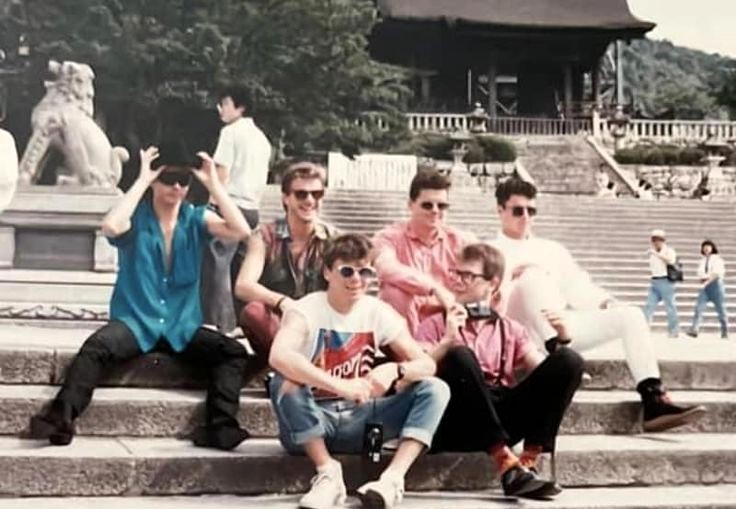
These productions reveal a fascinating chapter in the relationship between Aussie popular music and Japan. They also raise a question worth exploring: when musicians filmed in Japan, were they trying to reach Japanese audiences, or using Japan to make themselves more interesting to the rest of the world?
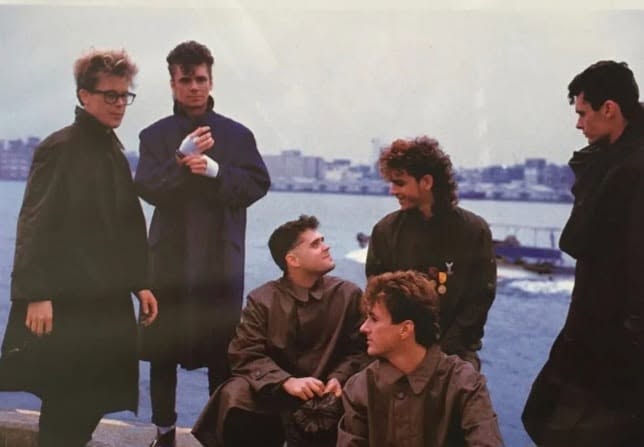
The surviving evidence doesn’t provide one answer. But the videos themselves give us plenty to investigate.
INXS discovers a cinematic Japan
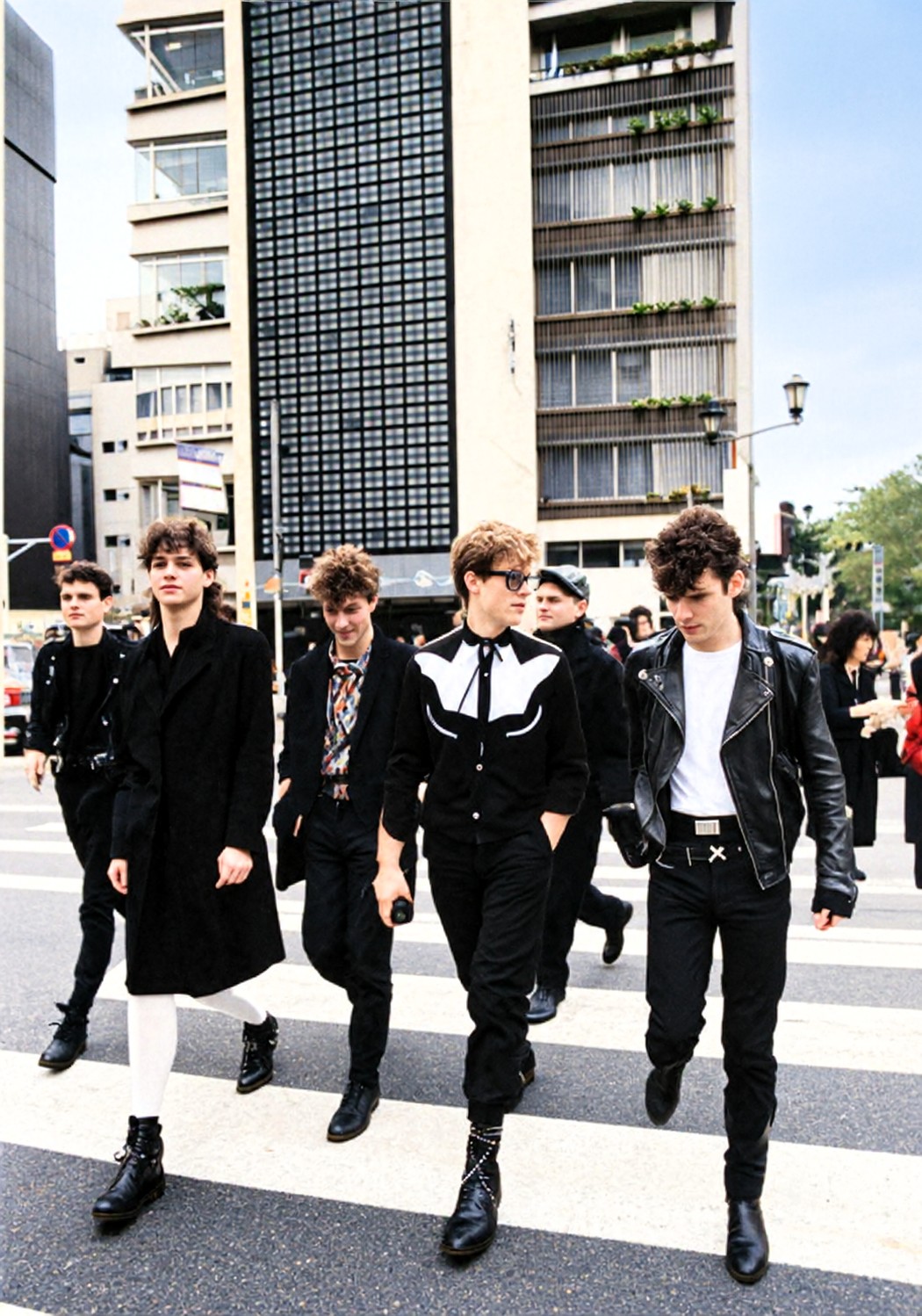
By the early 1980s, INXS were moving beyond their Australian beginnings. The Sydney band was developing a sound that combined rock, funk and dance music, with Michael Hutchence becoming an increasingly commanding frontman.
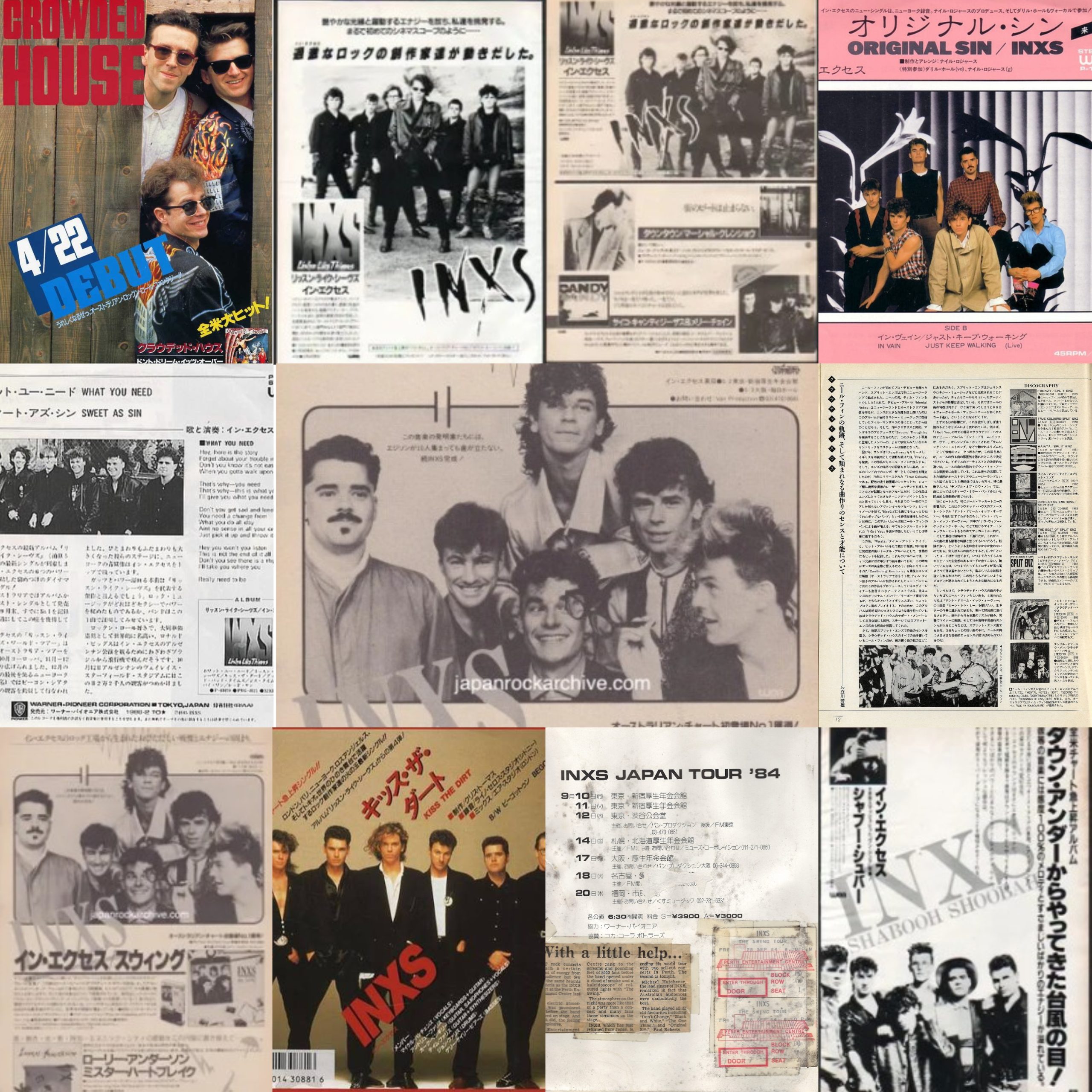
Their 1983 single Original Sin marked an important step in that development. Produced by Nile Rodgers, the track brought a sophisticated funk sensibility to the band’s sound.
It also received a distinctly Japanese visual treatment.
Original Sin: motorcycles, trucks and a Japanese waterfront
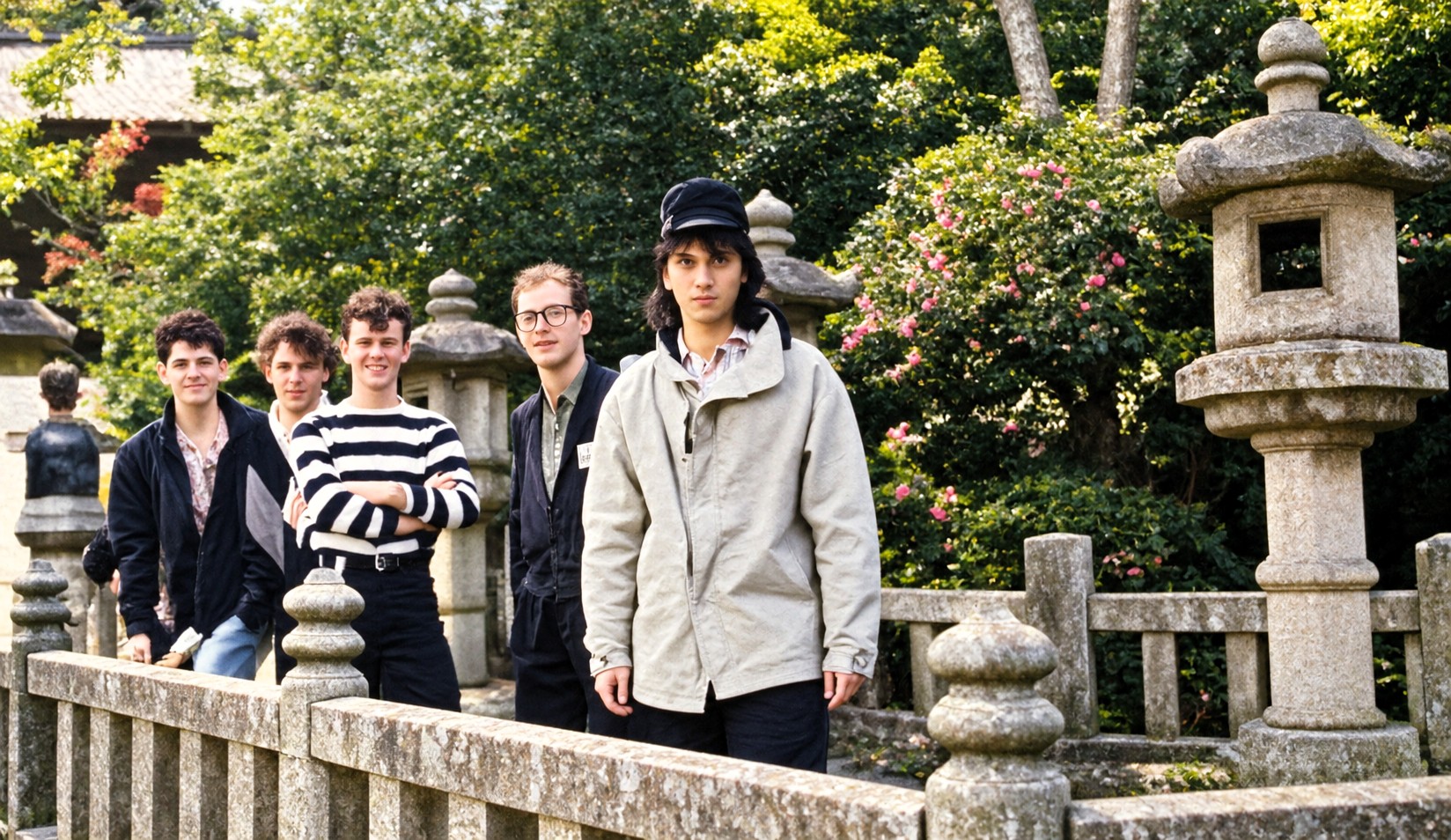
The Original Sin music video was filmed at Harumi Wharf in Tokyo, which was vastly different in 1983 to what it is now after several different stages of redevelopment.
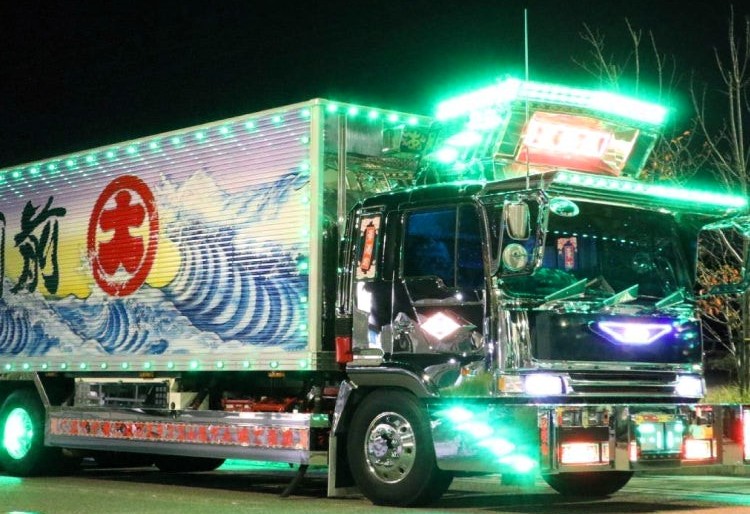
The video places the band amid motorcycles, dekotora trucks and the temporary structures of a fairground. Rather than simply recording INXS performing against a picturesque backdrop, it makes the surrounding activity part of the spectacle.
The Japanese setting is not incidental. The waterfront, vehicles and busy visual environment give the production a character that would have been difficult to reproduce with an ordinary studio performance.
Harumi was particularly useful as a filming location because a waterfront environment offered room for vehicles, staging and large-scale action. The location is a documented fact; the precise production reasons for choosing it remain less certain.
The result is a video that treats Japan as a place of movement and spectacle. The band appears within an environment that feels unfamiliar to many overseas viewers, yet the music itself is confidently international.
That contrast is important. INXS weren’t making Japanese music or abandoning their identity as an Aussie band. They were using a Japanese setting to give their own music a distinctive visual personality.
There is, however, a limitation to what we can conclude. The fact that a video was filmed in Japan does not establish that it was commissioned for Japanese television or designed specifically for the Japanese record market. Without production documentation, those claims would go too far.
What we can say is that Japan formed an integral part of the finished work, rather than serving merely as a background detail. INXS also filmed an alternate version of the clip.
I Send a Message: rock music inside a Buddhist temple
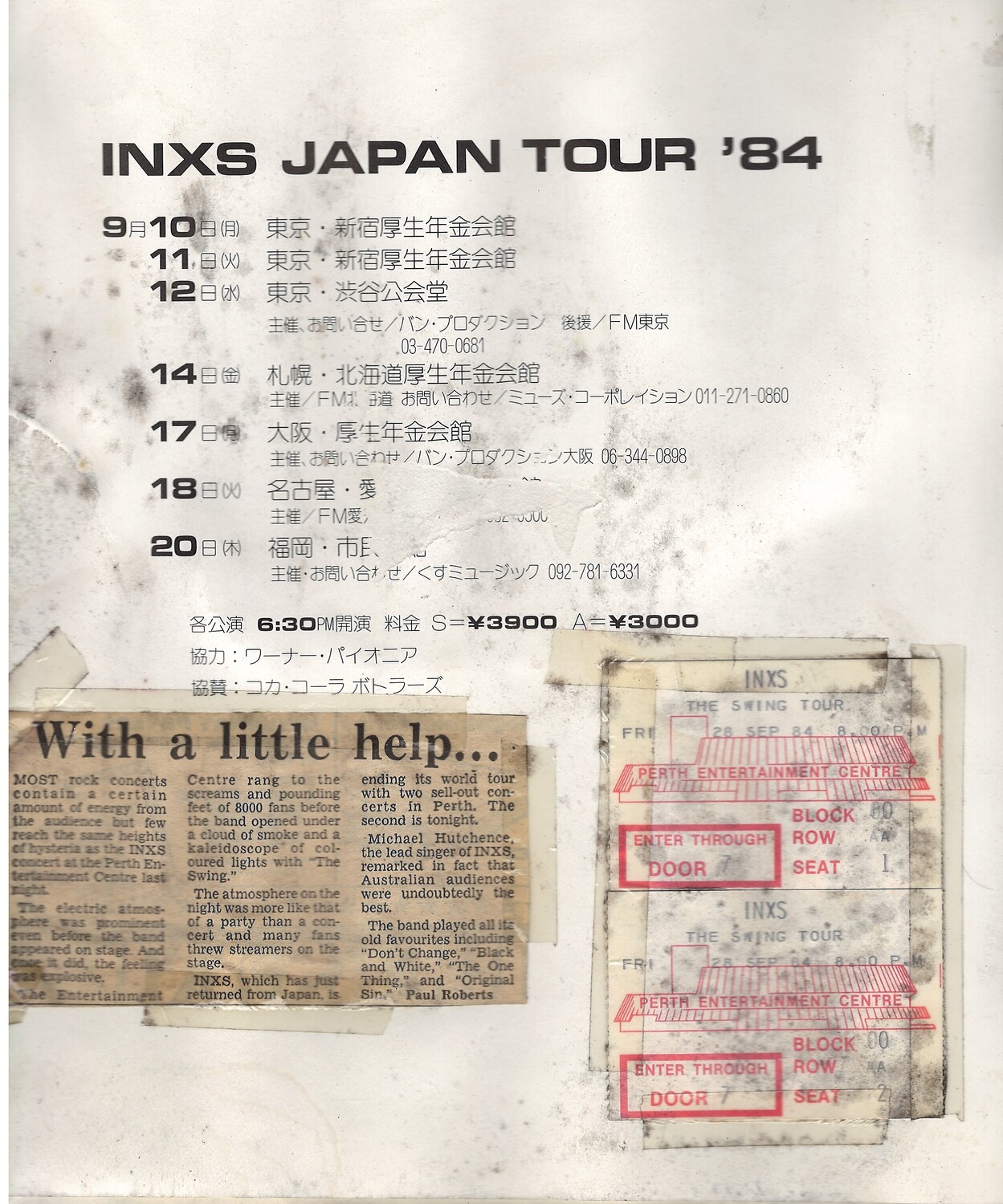
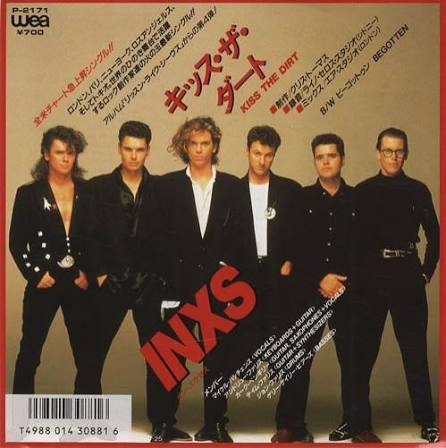
INXS returned to Japanese locations for I Send a Message, released as a single in 1984 from the album The Swing.
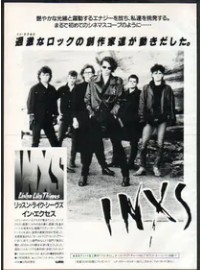
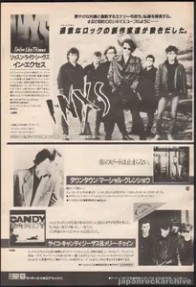
The video was directed by Yasuhiko Yamamoto and filmed at Gokoku-ji, a Buddhist temple in Tokyo.
This time, the contrast is even more striking.
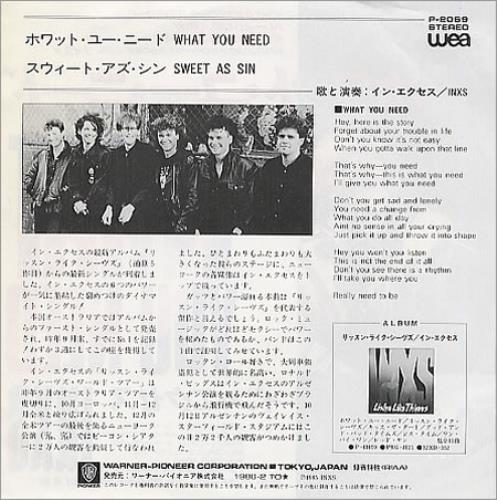
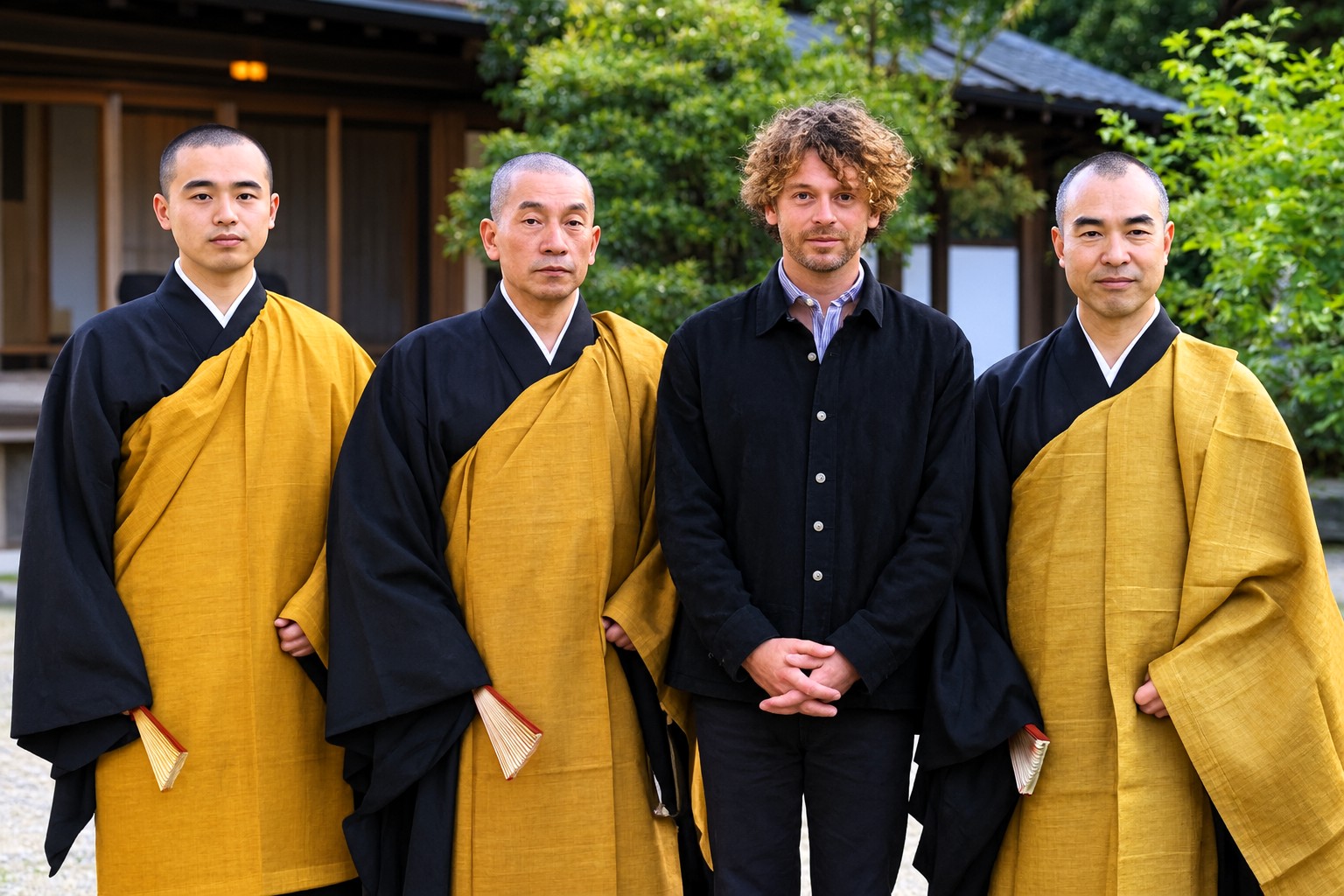
The video places a contemporary rock band inside a religious setting. Monks appear, the musicians perform within the temple, and a woman in traditional Japanese clothing contributes to the deliberately surreal atmosphere. Permission to film at Gokoku-ji was granted only upon condition that the monks could appear in the music video!
The effect is not a conventional travelogue. Japan becomes part of the video’s visual language, with the temple providing a setting that immediately distinguishes the production from a standard rock promo.
For a Western rock audience, the imagery creates a collision between two worlds: the energy of modern popular music and the solemnity associated with a Buddhist temple.
There is an obvious risk in this approach. Japanese religious and cultural symbols can become decorative shorthand for something supposedly exotic, rather than being presented in their own context.
The video invites that interpretation, although it would be unfair to assume we know precisely what the filmmakers intended without further evidence.
It also raises an intriguing question about authorship. Yamamoto’s involvement means these videos were not simply Aussie musicians arriving with cameras and recording whatever happened. A Japanese director was involved in shaping the finished imagery.
That makes the production history worth investigating in its own right. Who developed the concepts? Who selected the locations? How much freedom did the director have? Were Japanese production staff involved beyond the director?
Those are questions that surviving credits alone cannot settle.
Nevertheless, the two INXS videos provide an unusually strong starting point for examining how Aussie popular music and Japanese visual culture intersected during the 1980s.
They also demonstrate why the subject deserves more than a list of songs. The choice of location, the imagery and the people making the videos are all part of the story.
Crowded House finds a quieter side of Tokyo
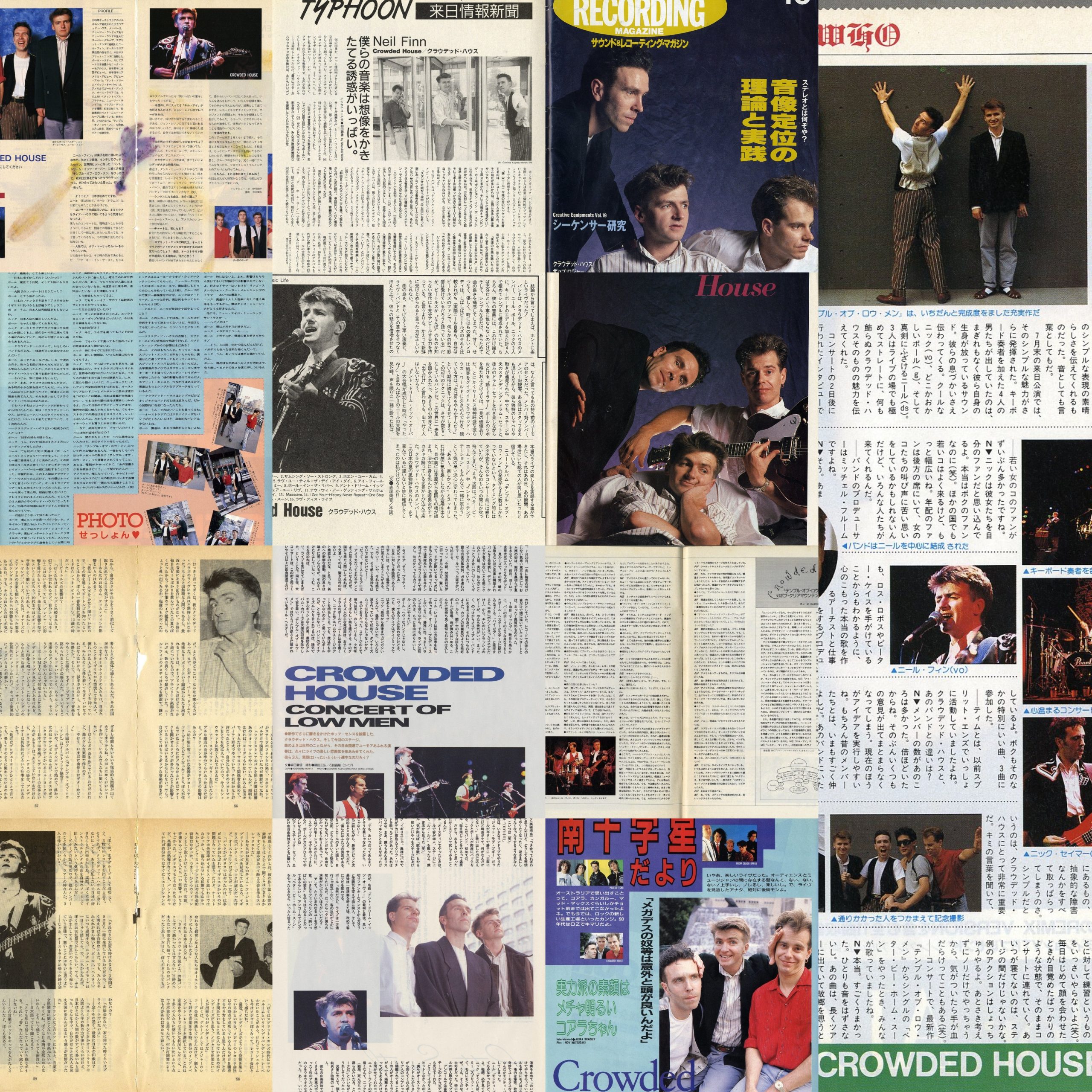
INXS used Japan for dramatic visual contrasts. Crowded House offers a different perspective.
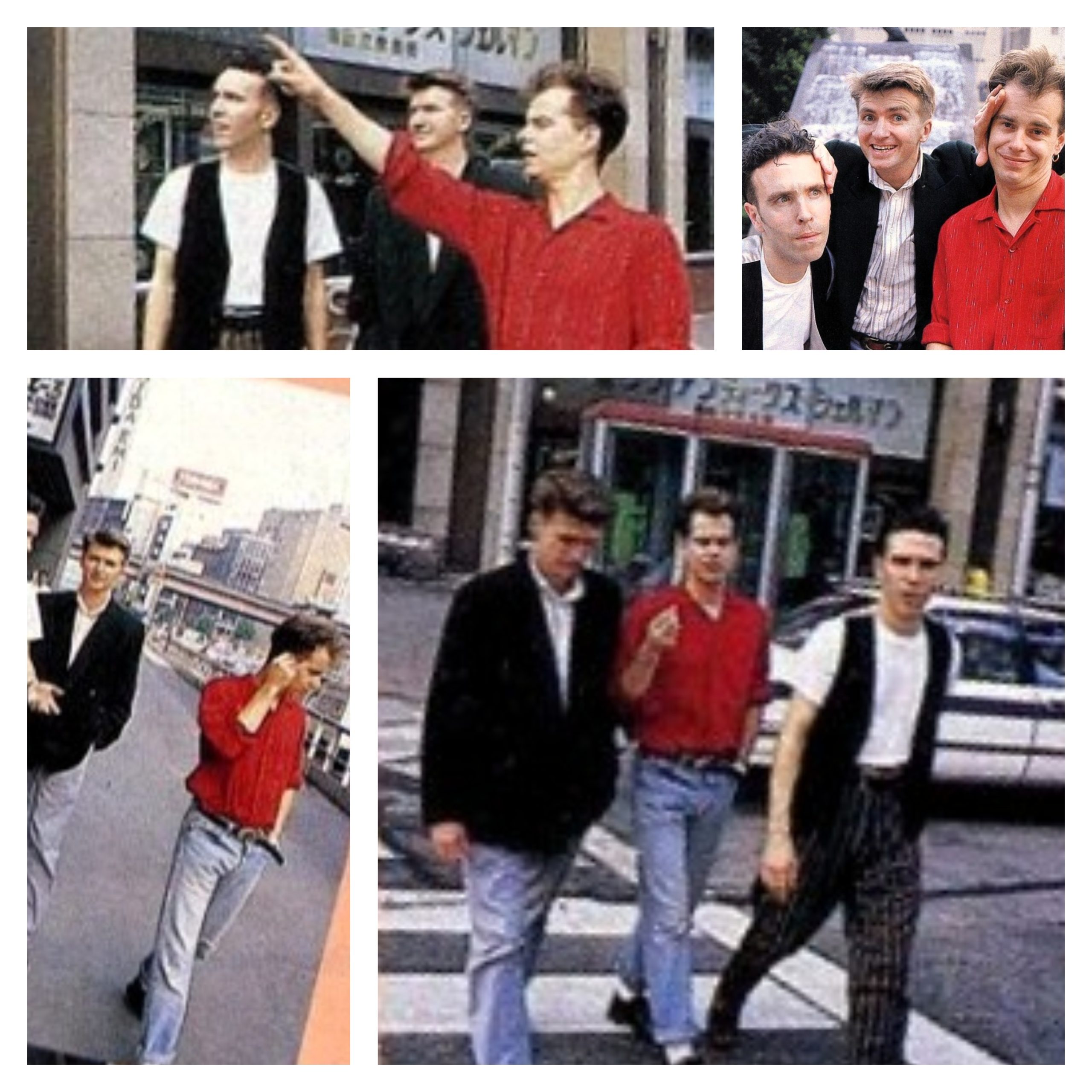
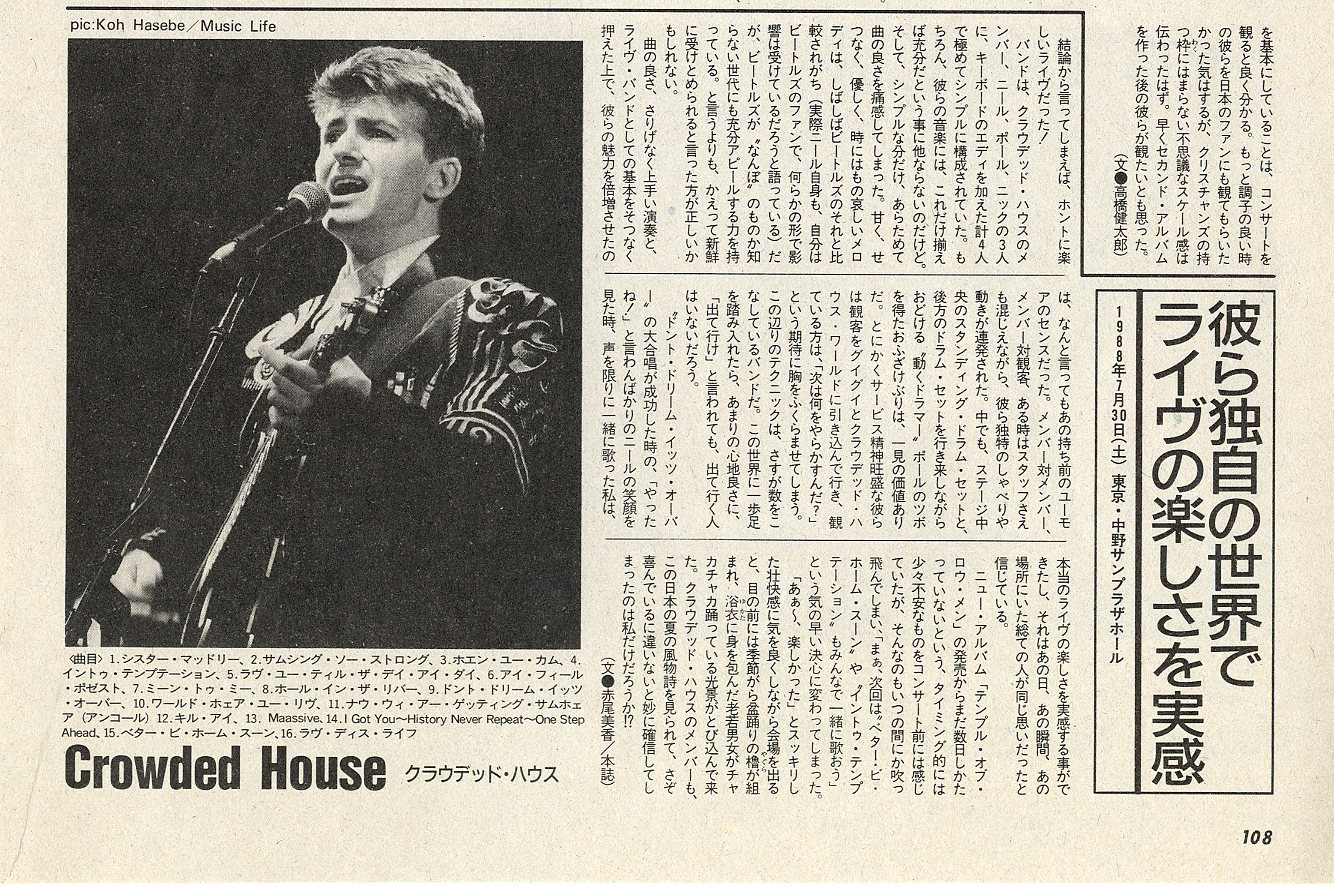
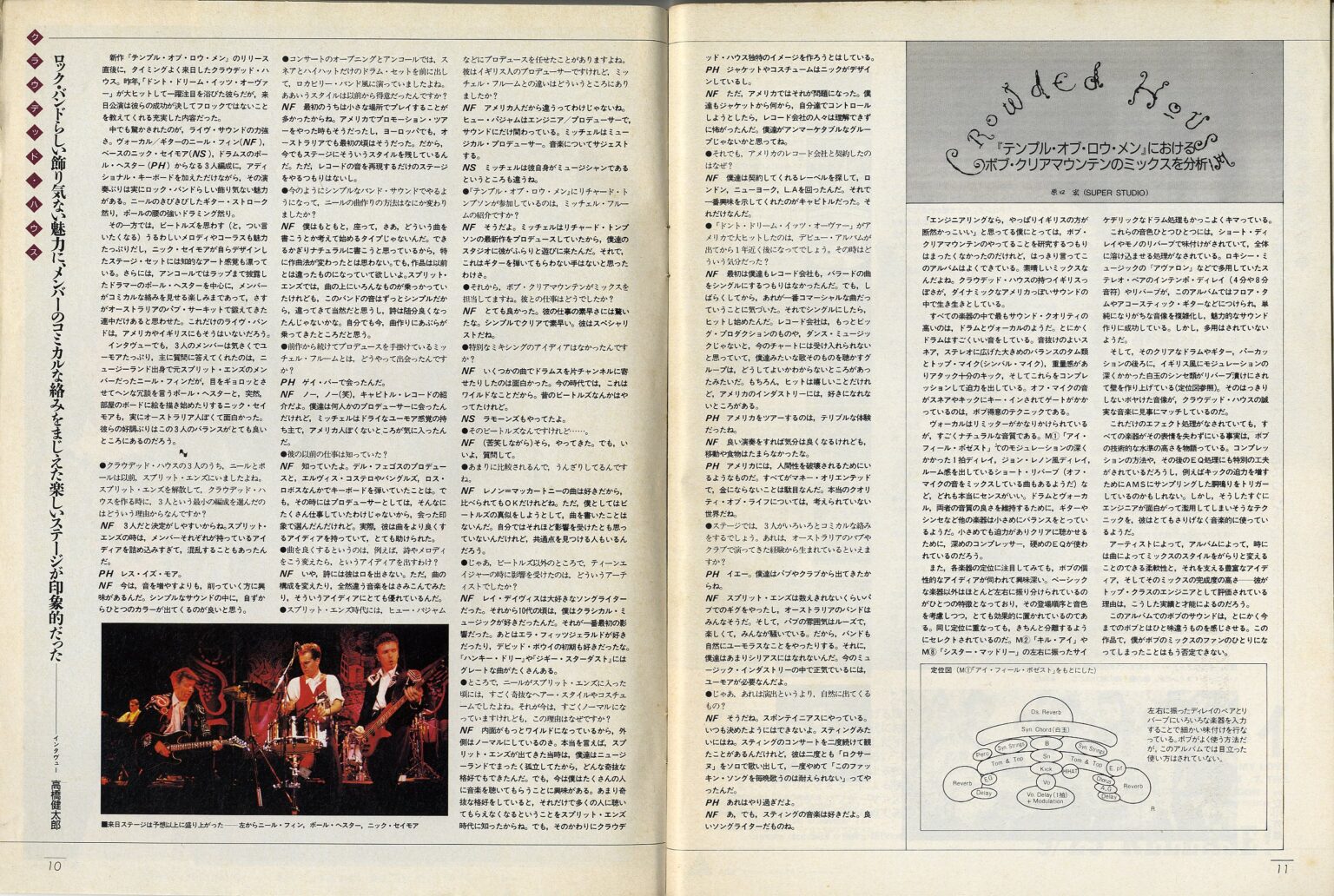
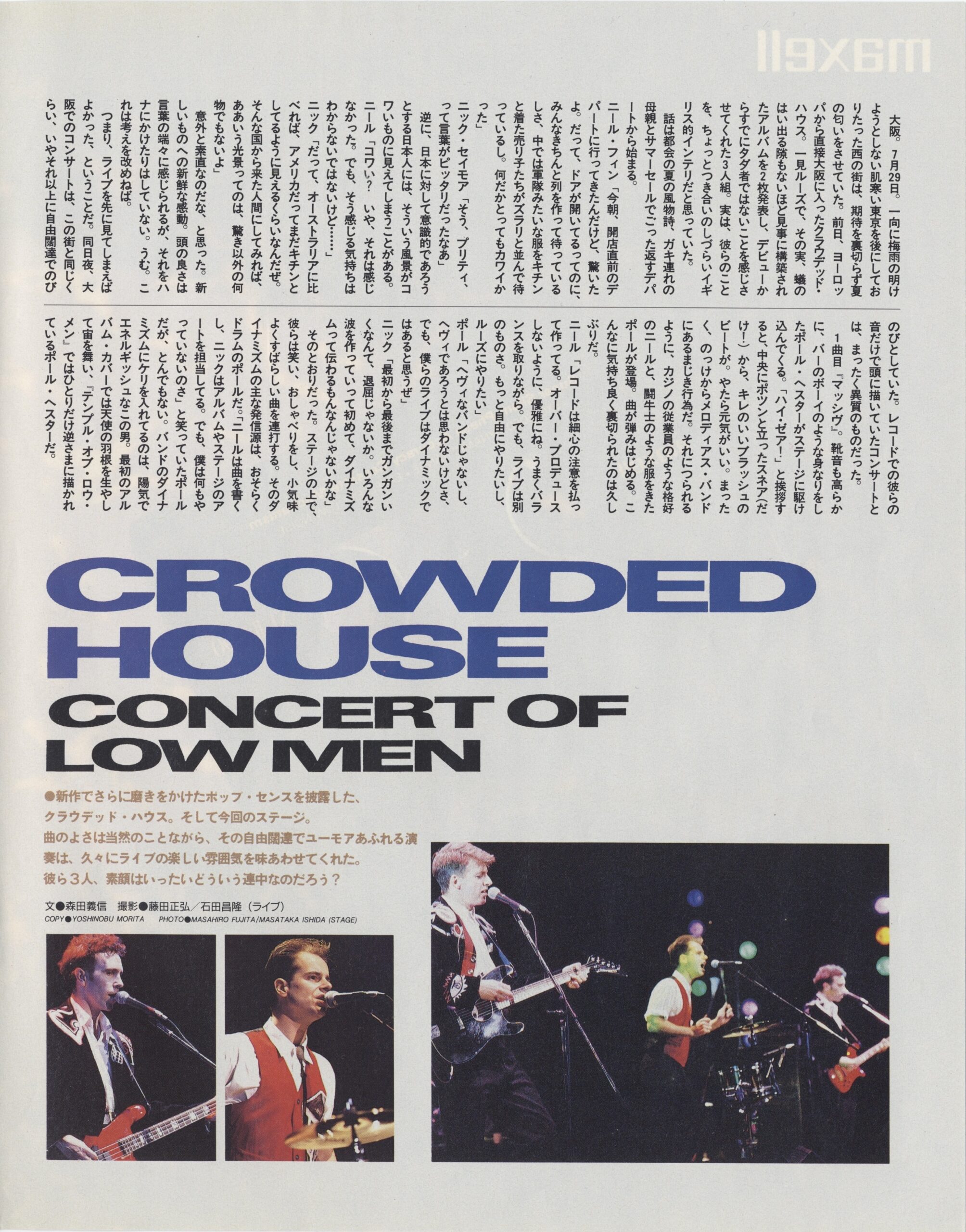
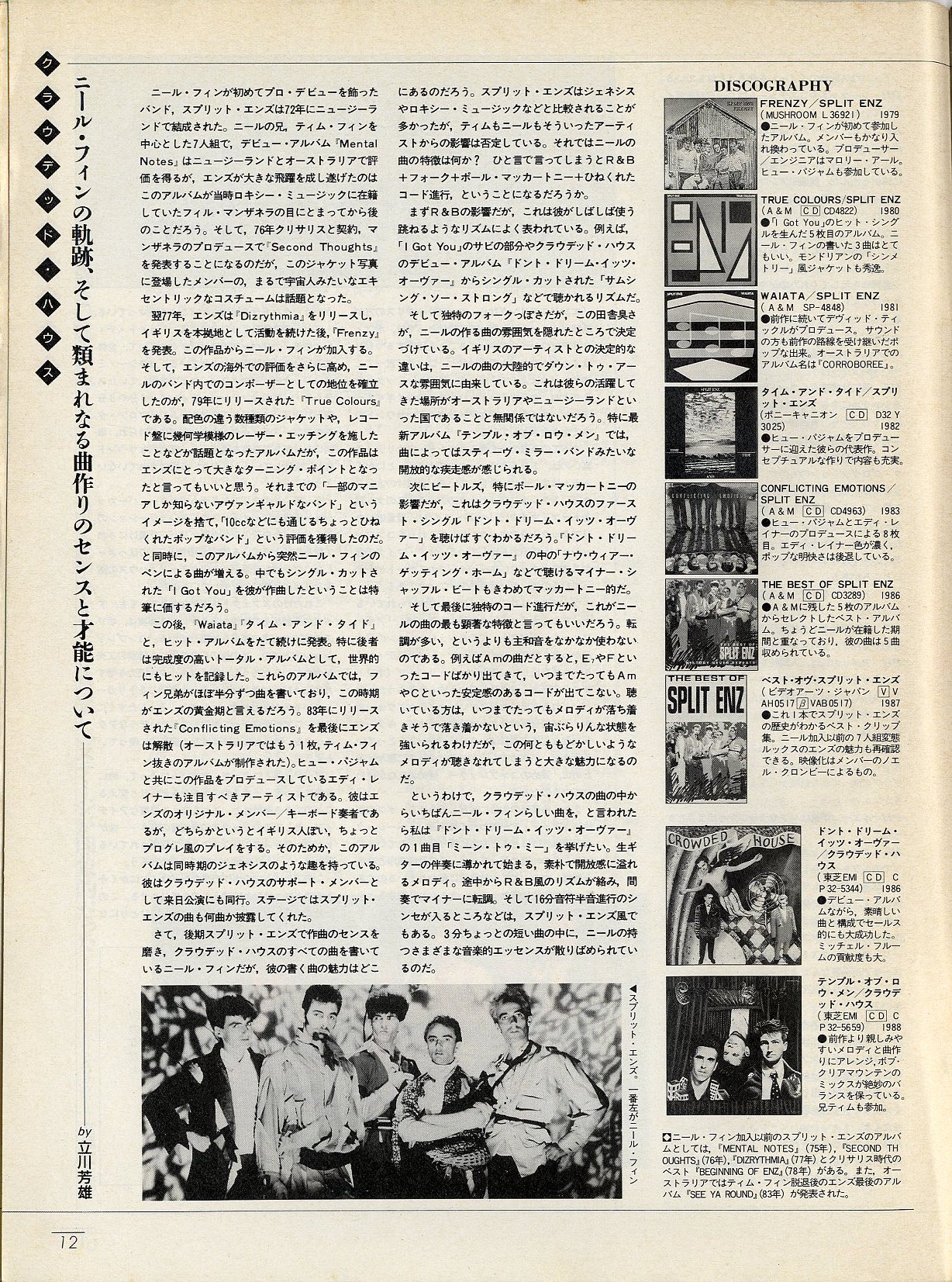
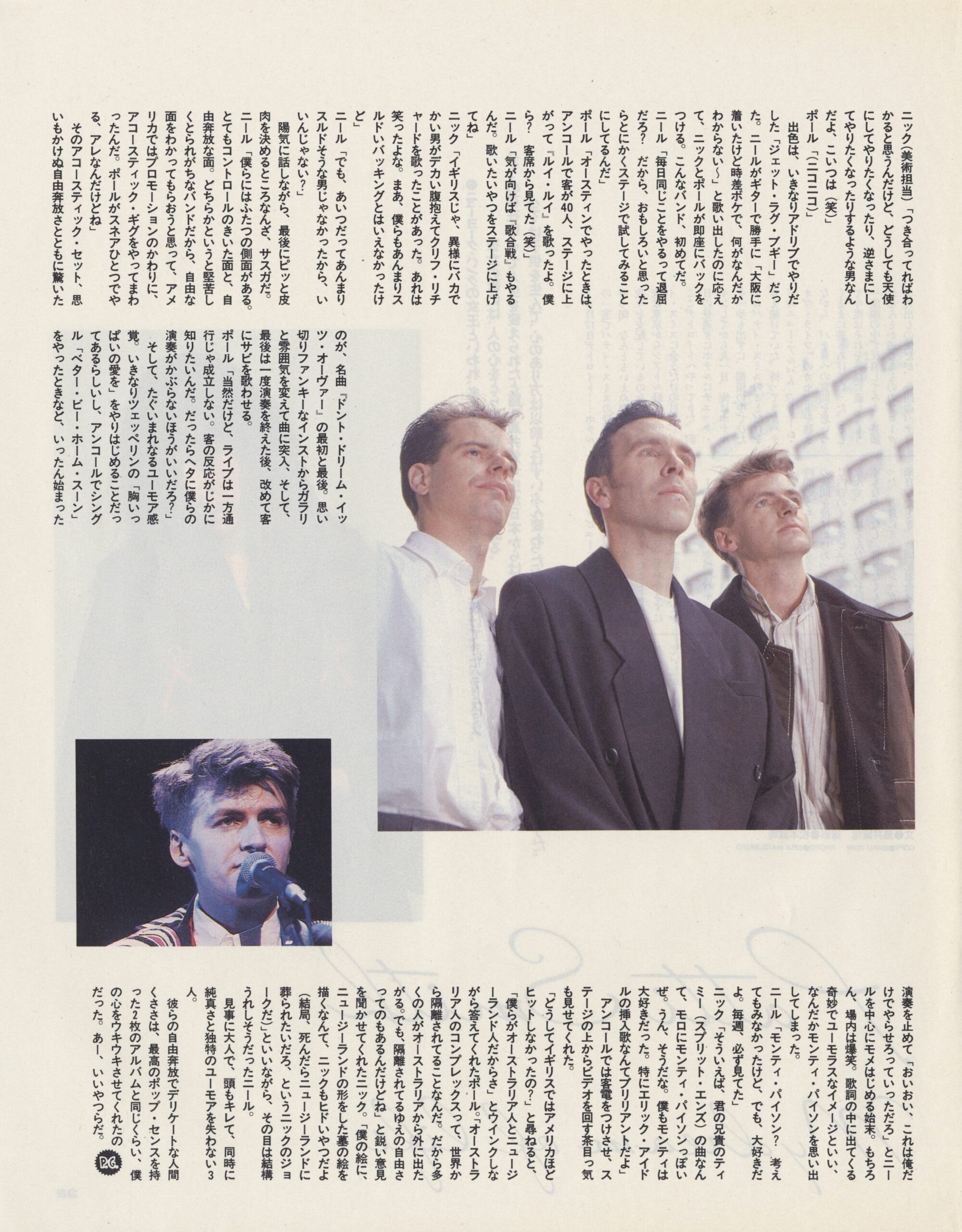
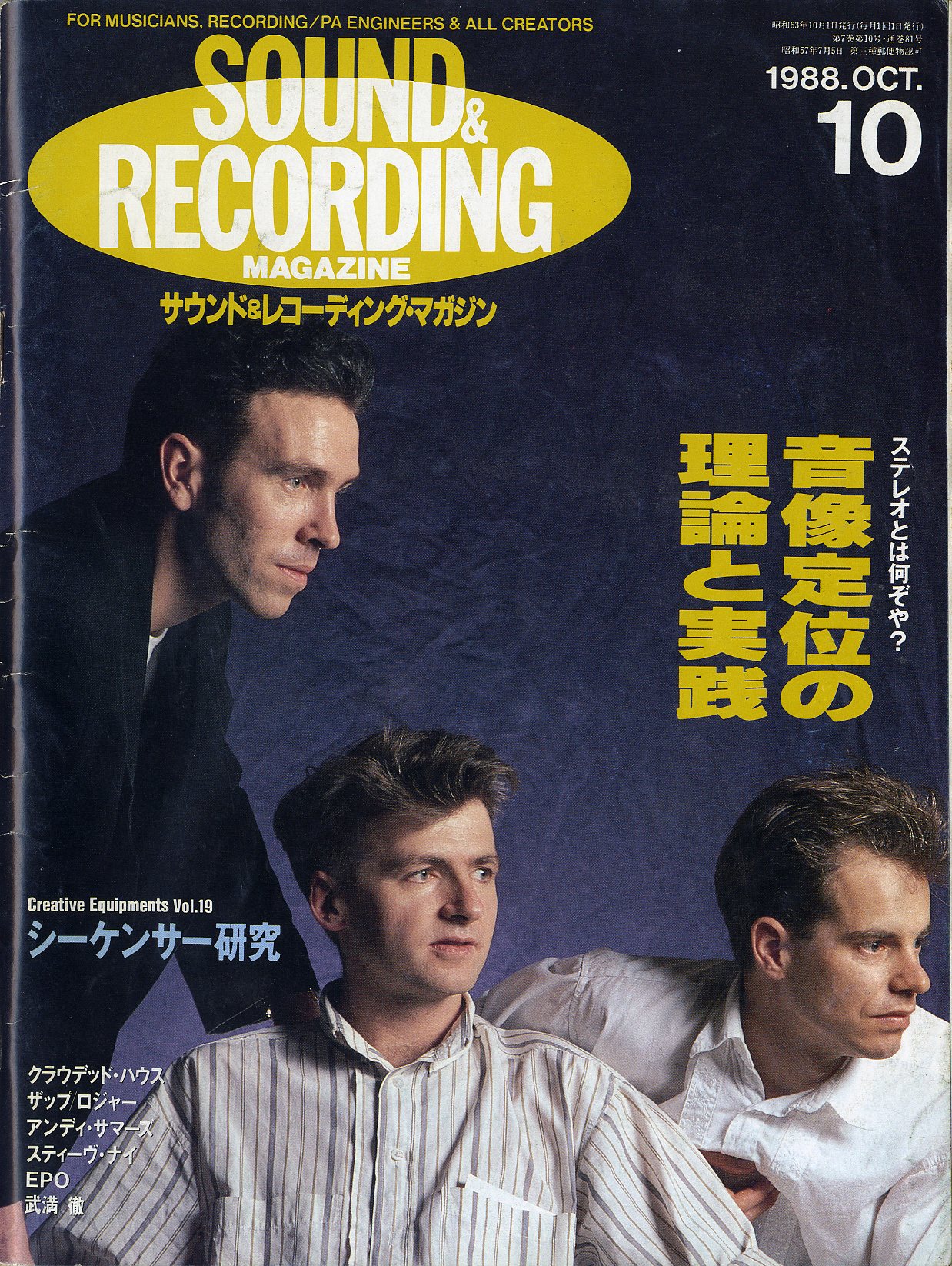
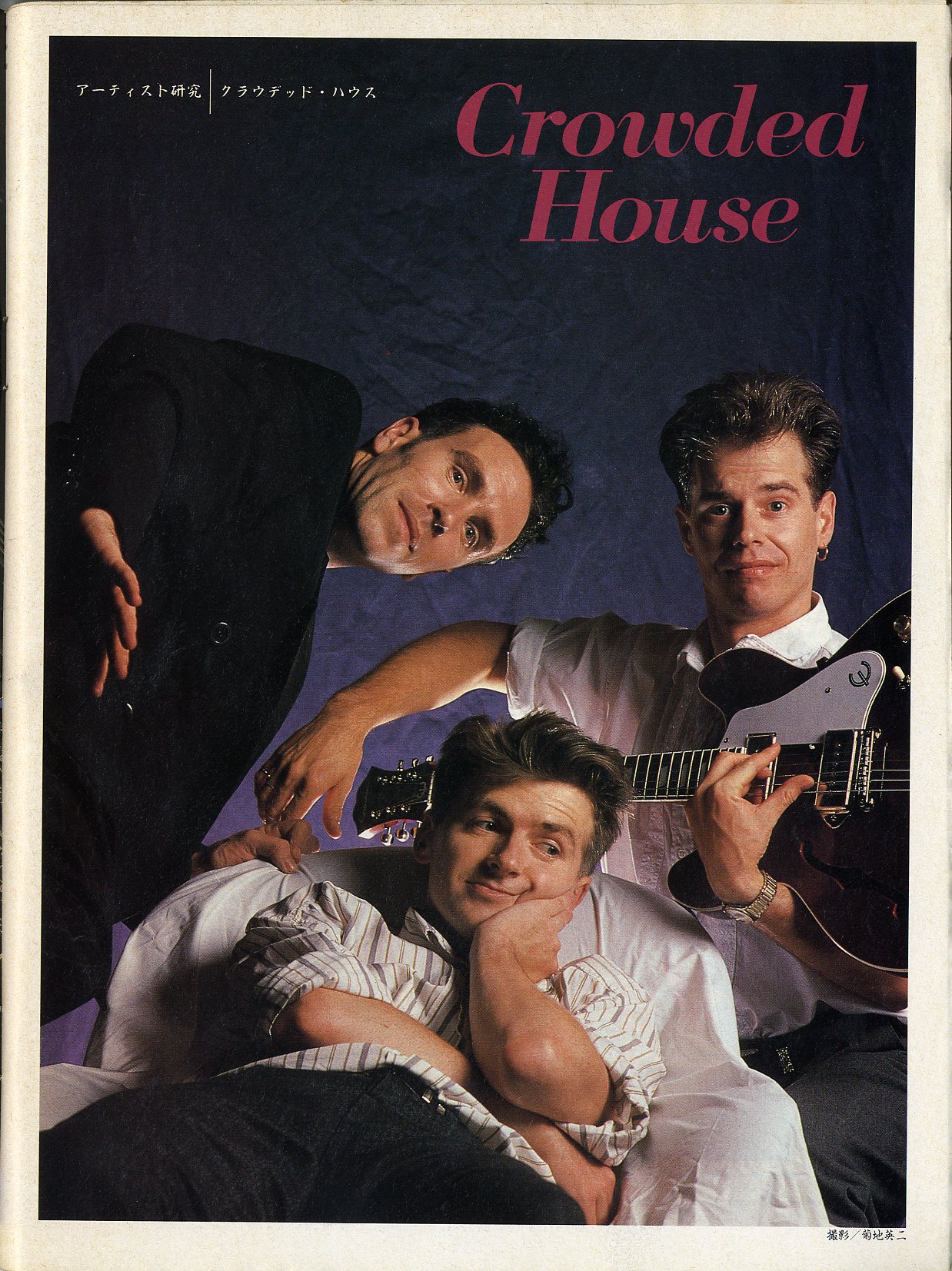
In 1988, the band filmed a video for When You Come in Tokyo. The location was Sannō Inari Shrine in Akasaka, and the filming was later documented through an unusually personal piece of archival footage.
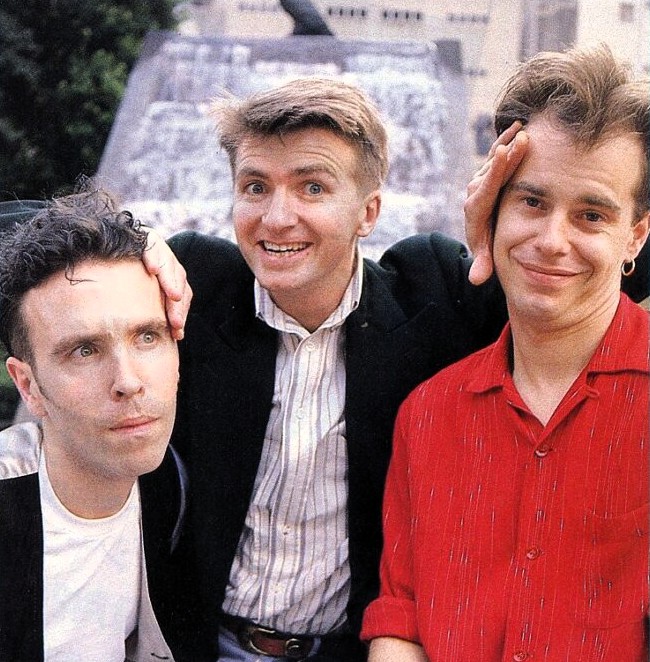
The Japanese music site amass reported in August 2016 that Neil Finn had shared behind-the-scenes footage from the shoot. Finn’s family had recorded the material on a home video camera. The report also features the finished music video.
The footage offers something that conventional promotional material rarely provides: a glimpse of the production as an actual event. Instead of seeing only the finished edit, we can see a little of the process behind it. The location is no longer just a visual composition assembled by an editor. It becomes a real place where the band and its crew spent time making a video.
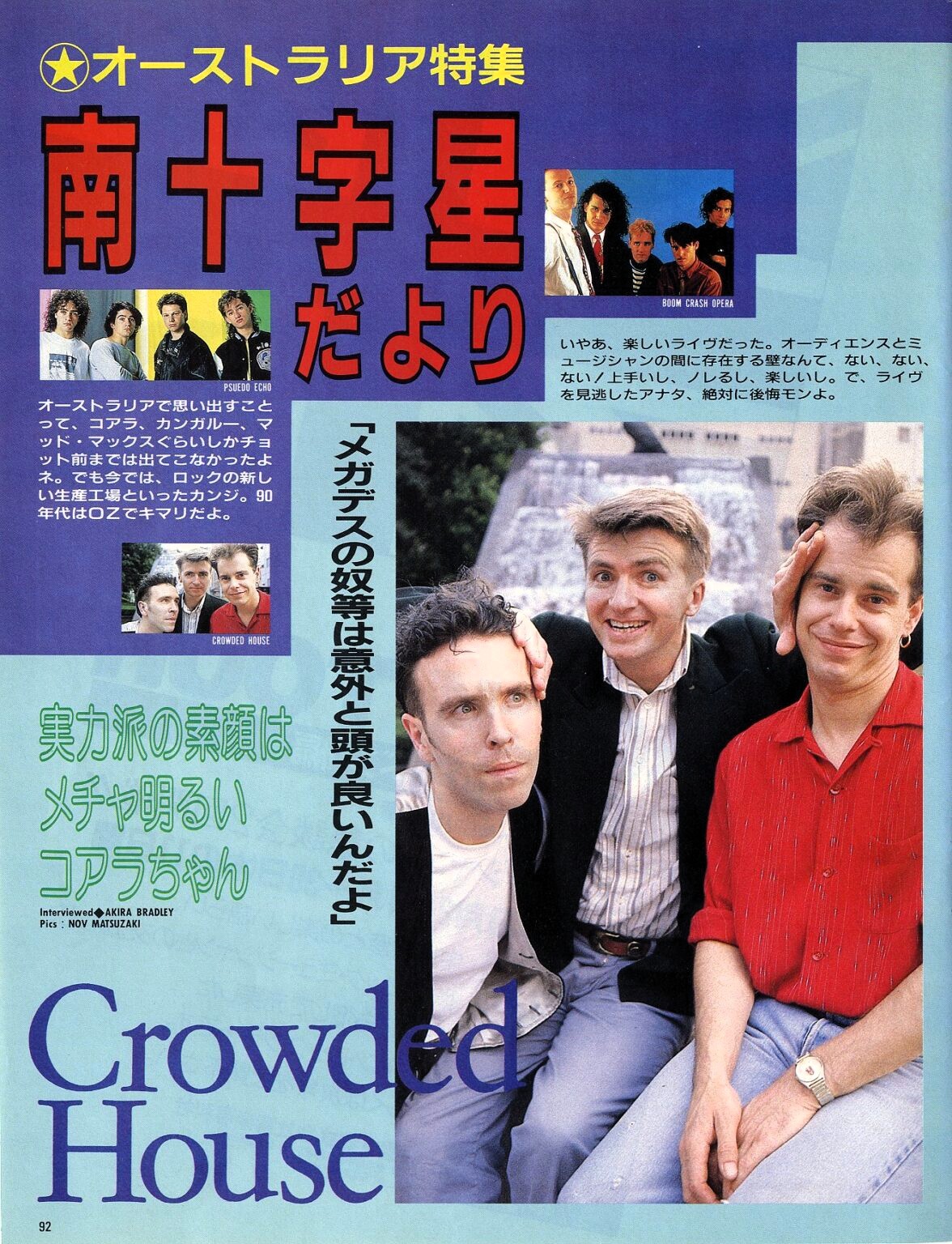
The shrine is particularly interesting because it remains a recognisable Tokyo location. Akasaka is not an isolated historical village or a remote tourist attraction. It is part of the capital’s urban fabric. The production therefore brings together two different experiences of Tokyo: the city as a contemporary metropolis and the quieter spaces that exist within it.
That combination is one of the most compelling aspects of music videos filmed in Japan. The country is not simply a collection of famous landmarks. Its distinctive visual character often comes from the proximity of contrasting environments.
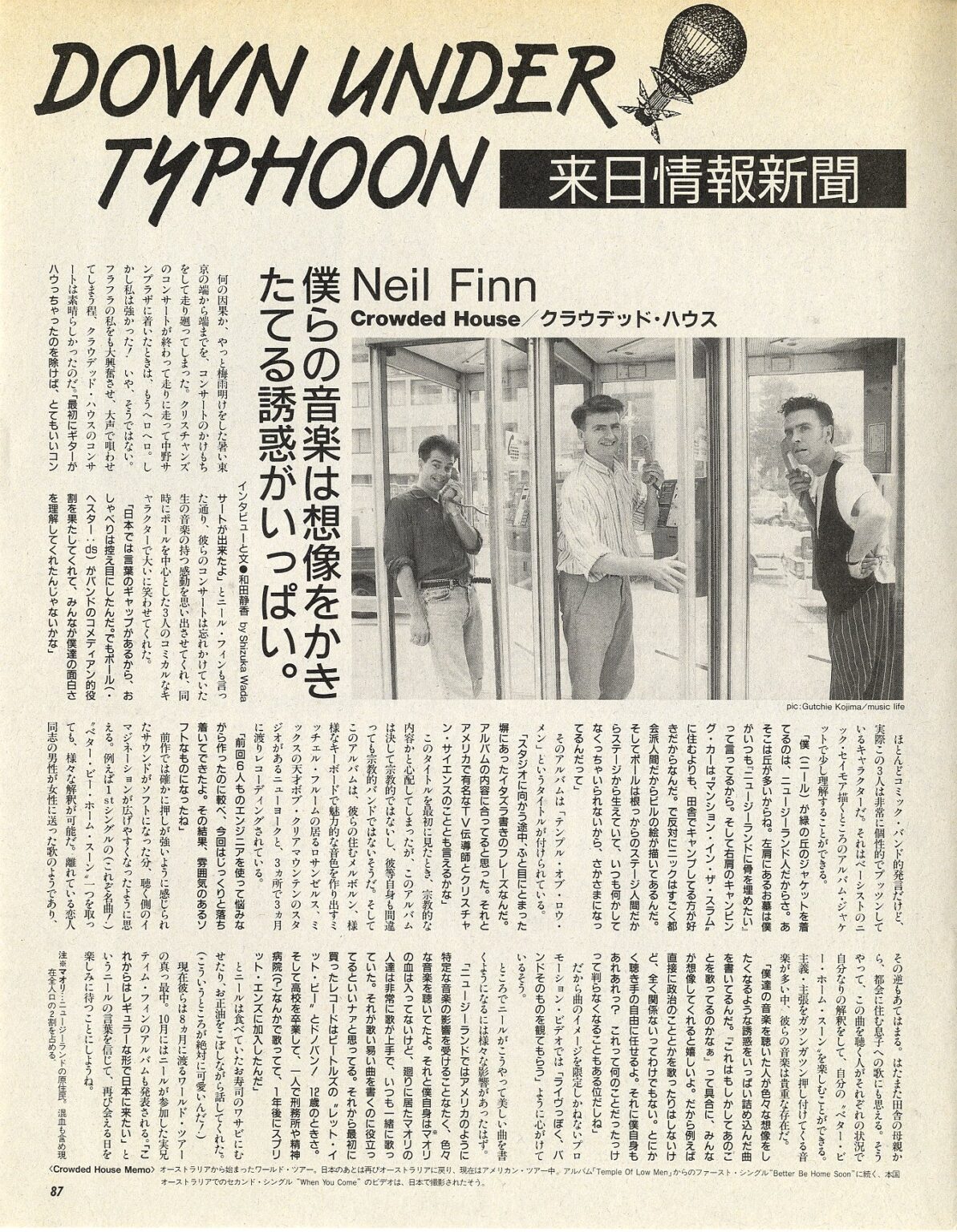
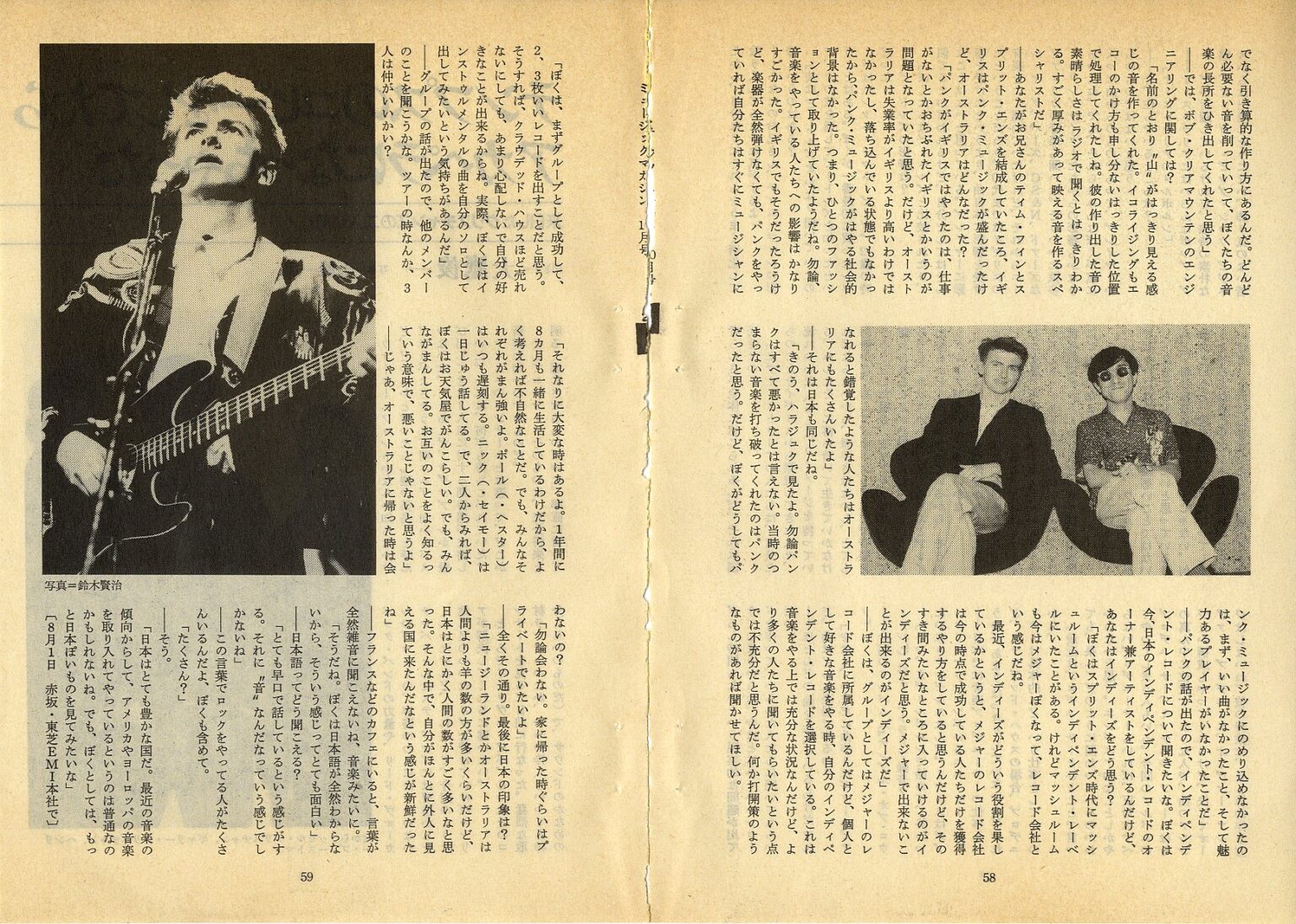
Crowded House also provides an opportunity to distinguish between a band’s public image and the practical reality of filming. The finished video is a carefully edited product. The home-movie footage is evidence of the people, activity and circumstances behind that product.
For a researcher, that distinction matters. Behind-the-scenes material can help establish how a production was made, while also preserving details that the finished video leaves out.
In this case, the family footage gives the story an unusually human dimension. It connects a late-1980s promotional production with a surviving personal record, allowing us to look at the video as both a piece of pop culture and a moment in the band’s history.
It is also a reminder that some of the most valuable material for this project may not be held in formal archives. It may survive in artists’ personal collections, old interviews, fan recordings and footage that was never intended for public release.
That possibility becomes particularly important when researching productions made before digital video transformed the way music videos were distributed and preserved.
As an aside, I’ve got a bit of an affinity for Crowded House as I share a hometown with its late drummer, Paul Hester, who was a pretty decent Aussie Rules football player.
What do these videos tell us about the Aussie–Japan connection?
The INXS and Crowded House examples are useful precisely because they are not identical.
INXS used Japanese settings to create dramatic contrasts and visually arresting scenes. Crowded House’s When You Come gives us a different production environment and a surviving glimpse behind the scenes. Together, they suggest three lines of investigation.
Japan as a creative resource
Japan offered filmmakers a distinctive range of visual environments. A temple, a waterfront, a busy street or a shrine could immediately establish a setting that differed from the familiar surroundings of an Aussie rock video.
That does not mean Japan was selected solely because it looked exotic. Practical considerations, artistic decisions, production relationships and other factors may also have influenced location choices. The task is to separate what the finished videos show from what the available evidence tells us about why they were made.
Japanese creative professionals deserve attention
Yasuhiko Yamamoto’s directing credits for the two INXS videos are an important lead. They suggest a direct Japanese creative contribution to productions associated with an internationally successful Aussie band.
A fuller account should identify directors, cinematographers, producers, location coordinators and other credited personnel wherever reliable records survive.
This would help move the story beyond the familiar narrative of overseas musicians arriving in Japan to capture striking images. It would also recognise the people in Japan who helped create those images.
Filming in Japan does not necessarily mean targeting Japan
This is perhaps the most important distinction.
A music video filmed in Japan may have been intended for international distribution, Japanese promotion, or both. The location alone cannot tell us which.
To establish that a particular production was specifically aimed at Japanese audiences, we would need supporting evidence: record-company publicity, contemporary Japanese music-magazine coverage, promotional material, distribution records or statements from the artists and production team.
Without that evidence, it is better to describe these works as Aussie music videos filmed in Japan than to label them Japanese-market productions.
That may sound like a small distinction, but it is essential to building a reliable historical account.
The story didn’t end in the 1980s
Japan continues to inspire music-video productions, although the tools and production methods have changed.
One recent example is Rare Blues, by Perth musician Oshua. Released in 2024, the video was filmed across Osaka, Tokyo and Kyoto and co-directed by Oshua and Ben Lumsden.
In an interview published by ABC’s rage, Oshua explained that the instrumental inspired the idea for the video. He wanted the mixed-media approach to match the music’s pace and the busy character of Japanese cities. Lumsden described the process as relatively organic: the team filmed scenes as they encountered them during their time in Japan.
This is a useful modern comparison because the production team has explained its thinking. We are not left to infer the entire creative process from the finished video.
The account also reveals how international collaboration has become part of the production itself. The project involved Australian and American creative contributors, while the filming took place across several Japanese cities.
The contrast with INXS is revealing.
In the 1980s examples, the Japanese setting becomes part of a stylised promotional world. In Oshua’s account, Japan’s urban pace and the experience of filming there are explicitly described as influences on the creative approach.
That does not mean one method is better than the other. It shows how the relationship between place and music can vary from one production to another.
It also provides a useful reminder that this history should not be confined to the 1980s. Older productions may be the most visually striking, but contemporary artists continue to use Japan as a source of ideas and imagery.