My Goodness, Guinness…It’s a Kangaroo!

For much of the 20th century, Irish brewery Guinness used kangaroos for its advertising.

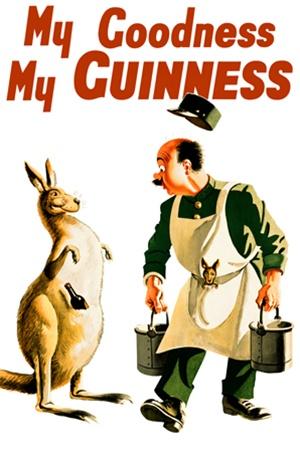
There was apparently no particular reason that advertiser John Gilroy selected kangaroos for a famous series of ads featuring exotic animals that the brewer used from the 1920s through to the 1960s and still common today.

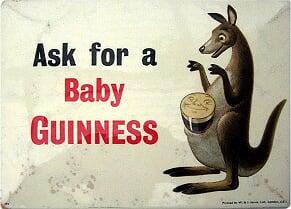
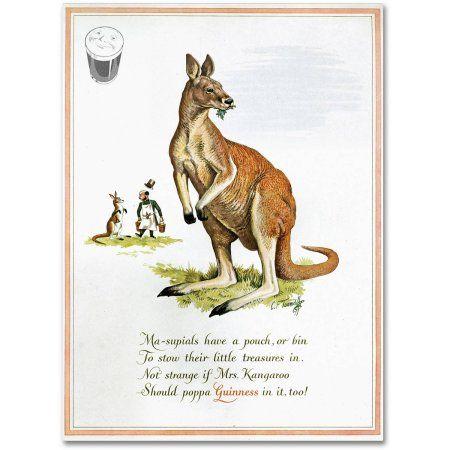
The kangaroos in the ads were notorious for sneaking away a pint of stout in their pouches.

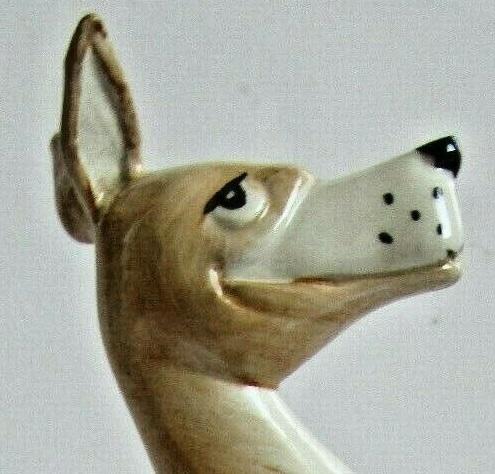
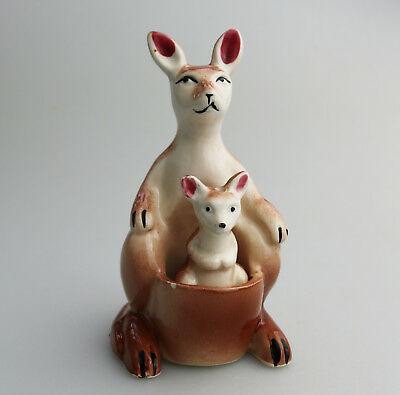
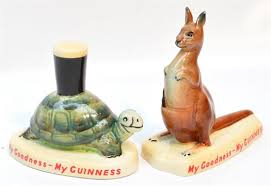
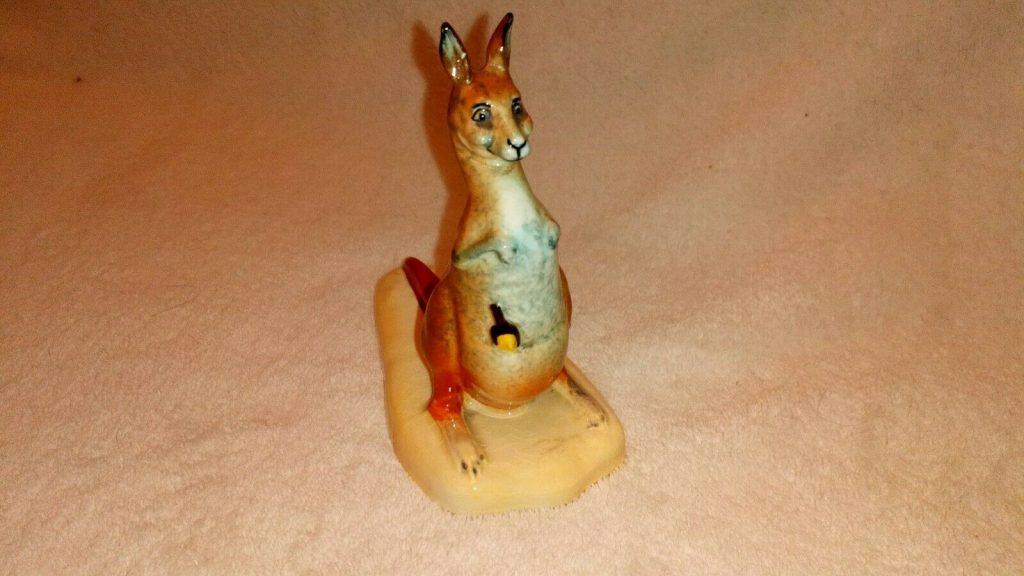
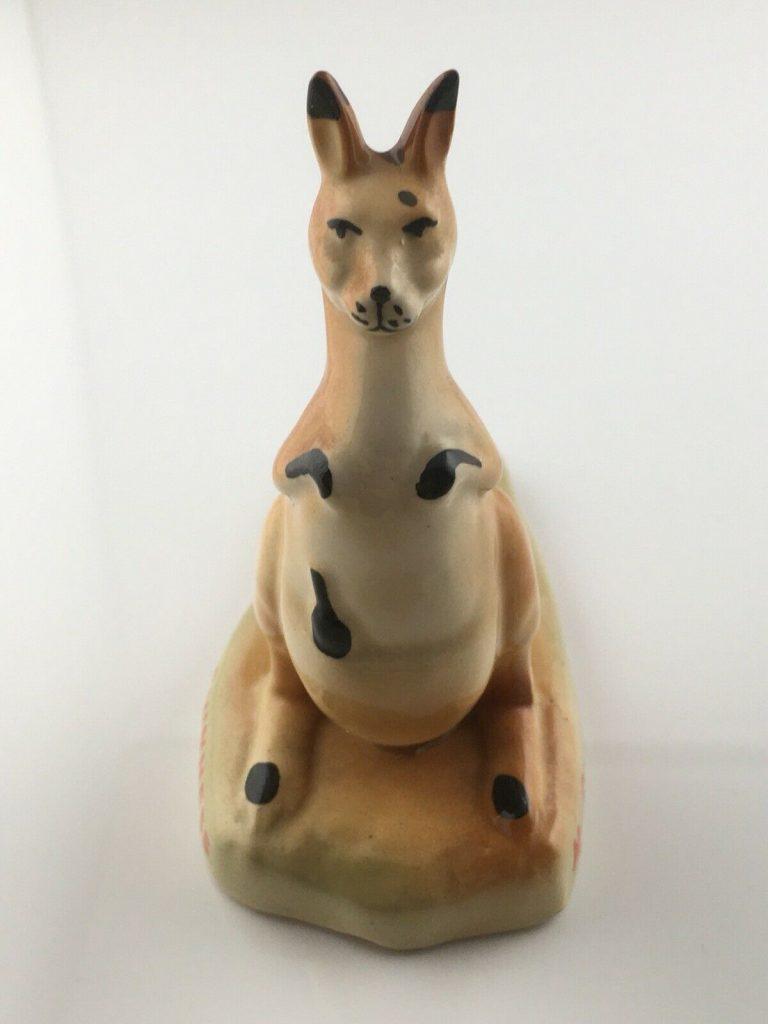
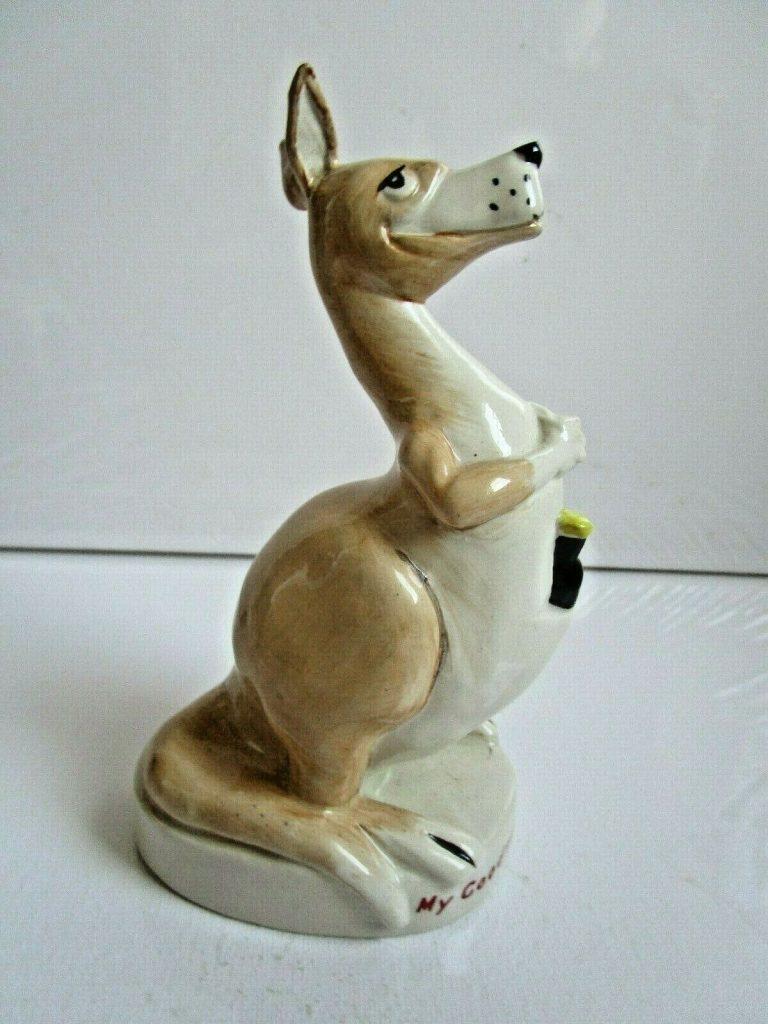
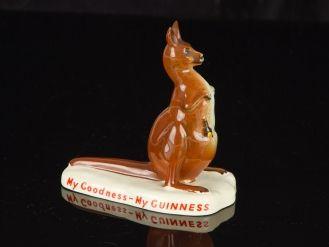
In addition to posters, the kangaroos featured in early TV ads, adorned coasters and were used for Carlton Ware figurines and even a salt-and-pepper shaker.

The advertisements ran under such copy as “Guinness is Good For You,” “My Goodness, My Guinness” and “Ask for a Baby Guinness.”

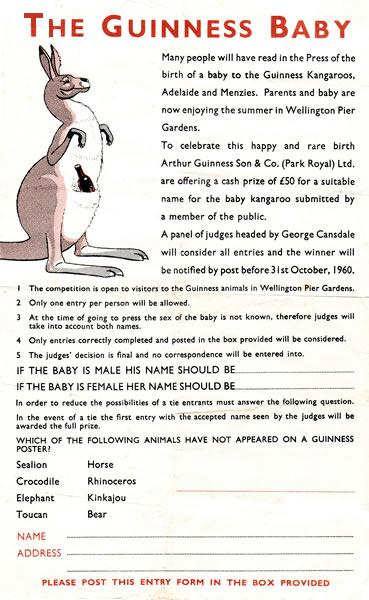
Guinness even ran a competition to name a joey born at Adelaide Zoo.
Archive Fact Sheet: Gilroy and Animals
How the Guinness Toucan Became the Brewery’s Most Iconic Mascot
Cop A Gander At These Rippers Too...

  • |

    Mall Marsupial Puts Kangaroo In The Bag

    Kangaroo-do K.K. has bagged itself a position as a position as a mall retailer mainly in regional areas, but also in some shopping centers. It shouldn’t really come as a surprise because Kangaroo-do’s business is bags, which it sells from low price offerings to quality accessories from brands such as Porter and Dakota. Kangaroo-do hasn’t offered a public statement about why it chose to use a marsupial for its company name and logo, but it’s pretty obvious considering the link between its business items and pouches. Kangaroo-do is a retail chain that also sells wallets, travel luggage and small leather goods. It operates mall and specialty-shop outlets across Japan and…

  • | |

    Nissan’s Fine Fragrance From Perfumed Kangaroos

    Automaker Nissan Motor Co. has long used kangaroos in its advertising, particularly in the early 2010s and notably when enlisting the aid of technopop girl group Perfume, which was then at the peak of its popularity. Nissan stylized Perfume’s three members–Kashiyuka, A-chan and Nocchi–as pink kangaroos to promote its Serena, Note and Cube models. Perfume used the opportunity for a cross-promotion of their then-newly released single, Voice, which would go on to reach No. 2 on the Oricon national charts. The campaign aimed to get the attention of a young, pop-loving audience who enjoyed animated characters and prompt them into visiting a Nissan dealership. The ad ran from July 14,…

  • | | | |

    Kangaroo Cooking…Roo Meat: It’s Tasty if Ya Cook It!

    Japanese have been legally eating kangaroo for longer than most Australians. Kangaroo meat was imported to Japan and being served in Tokyo restaurants from 1988, five years before meat from the national symbol was legalized for consumption by Australians in all states other than South Australia, where kangaroo could be eaten legally from 1980. (Indigenous Australians had continued eating kangaroo, a traditional food, regardless of the ban.) Despite the head start, kangaroo meat never really kicked on in Japan, despite its reputation for being a healthy, high-protein, low-fat alternative to beef or pork. RooMeat was promoted in Japan as being a preferred choice of athletes and models, but the “stars”…

  • Jill Who Put The ‘Roo’ Into Frugal Promotes Award-Winning Environmentalism

    Mrs. Roo was a core character in the award-winning The Eco Zoo online pop-up picture book in the late Noughties and early 2010s. Mrs. Roo is the kangaroo character in The Eco Zoo story world. She is depicted as a thrifty, practical kangaroo who carries a shopping bag, which is a visual symbol encouraging reusable bags and careful consumption. The Eco Zoo began as a children’s picture-book project around 2006 and was developed into an interactive Flash web project around 2007–2008 by creative boutique Enjin together with McCann Erickson Japan. The web/popup-book version became widely noticed and won creative-site attention, including recognition through the Favorite Website Awards. The Eco Zoo…

  • |

    Little Girl’s Story Opens Door to Aussie Animal Boom in Japan

    Back in the early ’80s Australia did not command a great deal of attention in Japan (to be honest, it still doesn’t command that great a presence to this day…) Things changed, however, with the launch of Lucy-May of the Southern Rainbow. Lucy-May of the Southern Rainbow was an anime by Nippon Animation that aired weekly from January 10 to December 26, 1982. The cartoon told the story of Lucy-May Popple and her family, who had emigrated from Yorkshire to live in Adelaide, Australia. The story was based on a book called Southern Rainbow by Australian author Phyllis Piddington. The anime would be translated into numerous languages and aired in…

  • | |

    Panasonic Super Kangaroos Pouched A History With Plenty Of Bounce

    For decades, Japan had a professional basketball team called the Super Kangaroos, and true to the team’s name, it made great leaps at times. The Matsushita Electric Super Kangaroos, which would later be renamed the Panasonic Super Kangaroos, were founded in 1951 and competed in Japan’s top company and professional leagues, the old company-based national competitions, JBL Super League from 2000 to 2007 and then the successor Japan Basketball League where it would eventually relocate and change its name to the Wakayama Panasonic Trians. The Super Kangaroos would win 13 league championships throughout its existence in various top flight competitions. Sadly, the team never made it to the bj league,…