
Leave Me Alone
I am still being followed. When will this end? Ni-Chaneru is still writing about me. Someone posted about having seen me this month. They threw me to the wolves. Why, oh why did I trust them? I have nowhere to go….
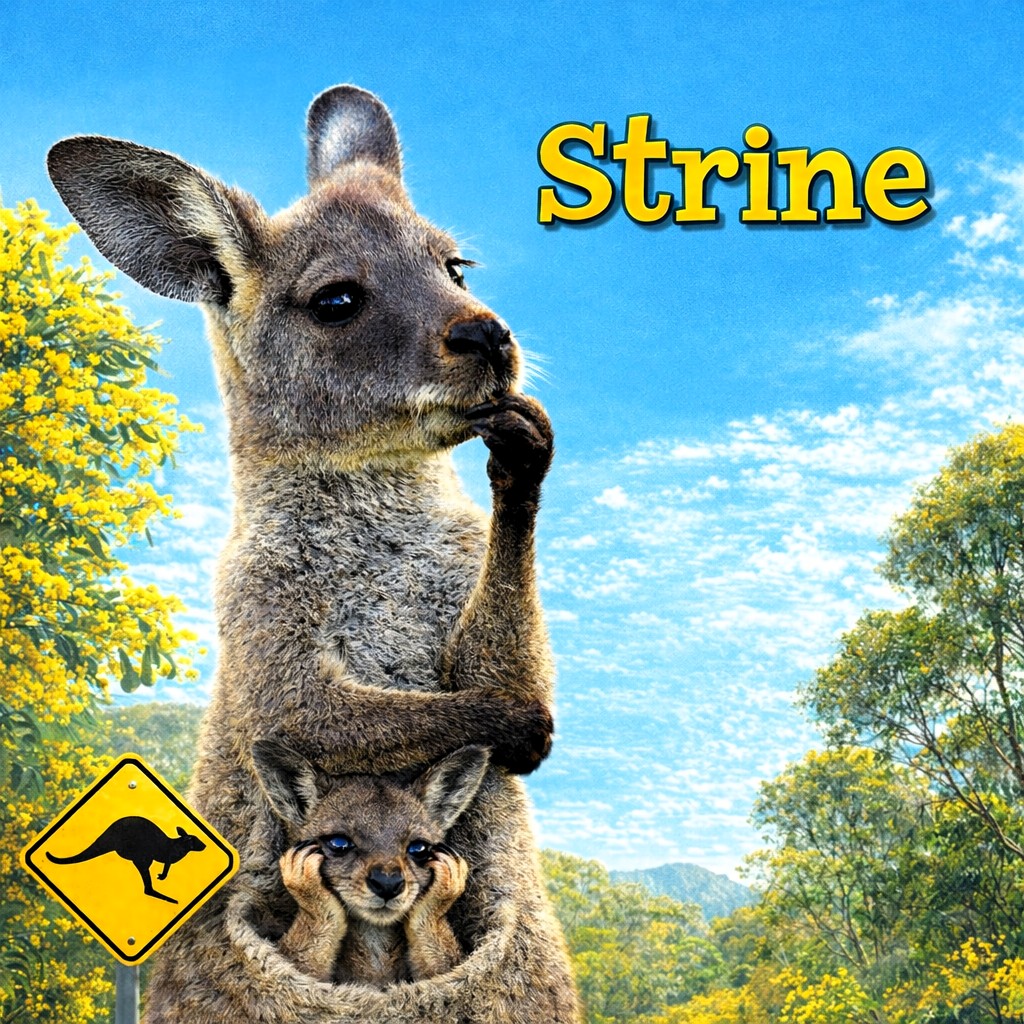 Strine is how Aussies pronounce Australian, and gives its name to the country’s unique brand of English.
「ストライン」とは、オーストラリア人が「 Australian 」を発音したときの響きで、そこから同国独特の英語を指す名前として使われるようになりました

I am still being followed. When will this end? Ni-Chaneru is still writing about me. Someone posted about having seen me this month. They threw me to the wolves. Why, oh why did I trust them? I have nowhere to go….

There is nowhere to go for me. Why do they keep posting the apology? I promised never to mention them, and they promised not to come after me. They don’t use my name, but it is clear who they are talking about and everybody knows.
Work has trickled off. I am applying for jobs, but nobody is interested in me with my reputation. School is keeping me busy. I need this. I am cooking for the girls. They hate my cooking, but are being brave and eating it without complaint through kindness for me.
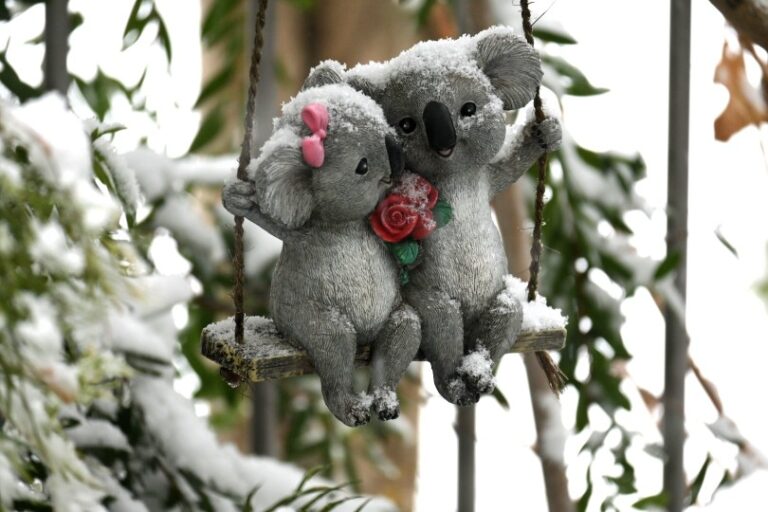
lurk Australian English A shady, occasionally illegal, benefit gained through a workplace. A scheme. 日本語 いかがわしい職業。 Plain English A shifty, underhanded scheme. Strine Dictionary
lucky country, the Australian English Australia. The term was coined by historian Donald Horne in irony. He argued that Australia was lucky as it became a rich land only because of its natural resources instead of the cleverness or effort shown by other nations. Instead of being shocked by the term, Australians adopted “the Lucky Country” to use as a favorable synonym to describe their land. 日本語 オーストラリアのこと、ラッキーな国。もともと歴史学者ドナルド・ホーン氏が1964年に「ラッキーな国」を皮肉たっぷりに使った表現だ。同氏は、オーストラリアがほかの先進国と違って、知恵や努力で発展したではなく、資源豊富さだけで豊かとなって、とても「ラッキーな国だ」と言った。しかし、多くのオーストラリア人がホーンの本来の意味を無視、今一般に自国名をいい風に表現できる同義語として使うようになった。 Plain English Australia. Strine Dictionary
larrikin Australian English Somebody mischievous, who does not take life entirely seriously. Used more as a term of endearment as opposed to being critical. 日本語 いたずらっ子。呑気な人。気楽な人、生意気な人。Larrikinは、批判するより温かみを込めている言葉。 Plain English Prankster, trickster, cheeky. Strine Dictionary

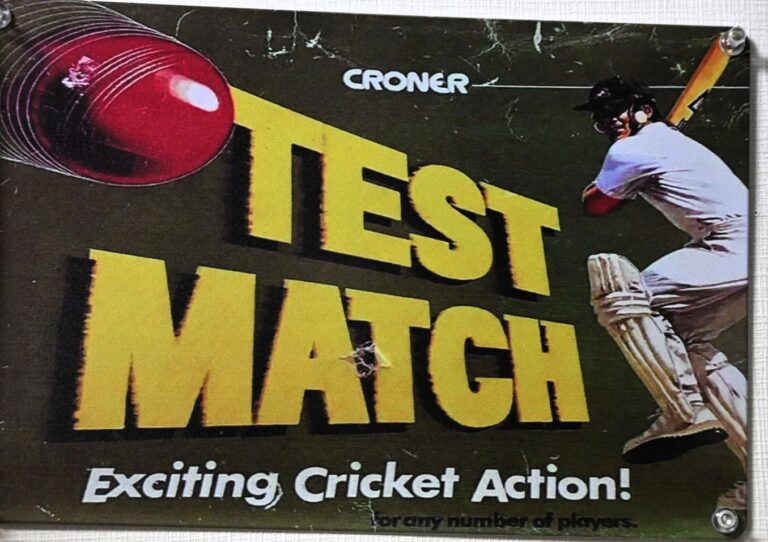
knock Australian English To criticize, complain, or hold in contempt or ridicule. 日本語 バカにする。文句を言う。批判する。 Plain English 1) Ridicule. 2) Disdain. 3) To tap or deal a blow. Strine Dictionary
kindie Australian English Kindie is an abbreviation for kindergarten. 日本語 幼稚園。 Plain English Kindergarten. Strine Dictionary
We use cookies to improve your experience on our site. By using our site, you consent to cookies.
Websites store cookies to enhance functionality and personalise your experience. You can manage your preferences, but blocking some cookies may impact site performance and services.
Essential cookies enable basic functions and are necessary for the proper function of the website.
These cookies are needed for adding comments on this website.
Statistics cookies collect information anonymously. This information helps us understand how visitors use our website.
Google Analytics is a powerful tool that tracks and analyzes website traffic for informed marketing decisions.
Service URL: policies.google.com (opens in a new window)