オーストラリア英語

  • Garage: The Aussie Word That Once Meant A Petrol Station

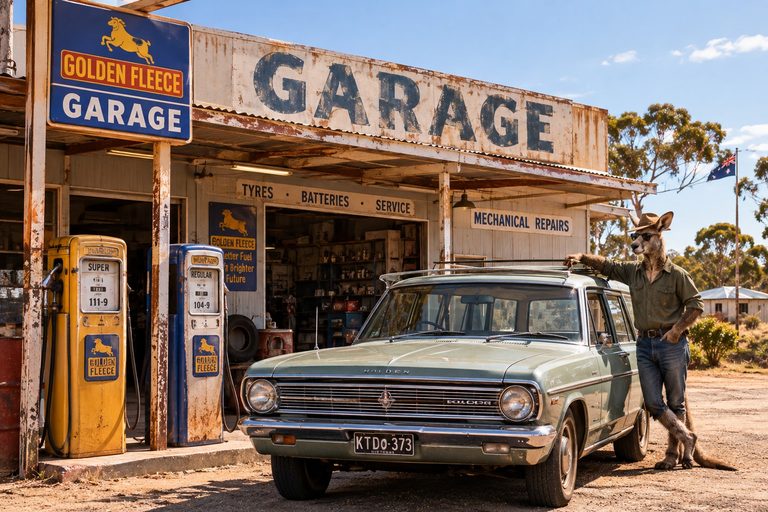
    In Australia, a garage hasn’t always been somewhere to park the car. Older generations also used the word for a place where motorists bought petrol, had their cars serviced and sometimes got repairs. The pronunciation was distinctive, too, with the emphasis on the first syllable: GAR-rij. オーストラリアでは、garage は昔から車を停める場所だけを意味していたわけではありません。年配の世代を中心に、ガソリンを入れたり、整備や修理を頼んだりする場所も garage と呼んでいました。発音にも特徴があり、最初の音節を強く発音する GAR-rij という言い方がありました。 In older Aussie usage, a garage could mean a petrol station or motor vehicle service business. The word is still familiar, but petrol station is the standard term today, while servo is a common Aussie colloquialism. Garage remains widely used for a building where cars are parked or repaired. 昔のオージー英語では、garage はガソリンスタンドや自動車整備工場を意味することがありました。現在も通じる言葉ですが、ガソリンスタンドの一般的な呼び方は petrol station で、口語では servo もよく使われます。garage は今では主に、車を駐車したり修理したりする建物を指します。 Examples…


  • Nosebag: When It’s Time To Get Stuck Into Tucker

    When an Aussie says it’s time to put on the nosebag, nobody’s suggesting a new fashion accessory. They’re talking about eating. The expression comes from the bag traditionally placed over a horse’s nose so it could feed, and it found its way into informal English as a colourful way to describe a meal. オージーが put on the nosebag と言ったら、新しいファッション小物を身につける話ではありません。食事を始めようという意味です。この表現は、馬が餌を食べられるよう鼻にかぶせる袋に由来し、そこから食事を表すくだけた言い回しとして使われるようになりました。 Meaning A nosebag is a bag used to feed a horse, especially one fitted over its muzzle. Informally, nosebag can also mean a meal, while put on the nosebag means to start eating. It’s an old-fashioned, humorous expression rather than the usual way to describe an everyday meal. nosebag は、特に馬の口元にかぶせて餌を与える袋を指します。くだけた表現では食事そのものを意味することもあり、put on…

  • Not Much Chop: When Something Just Doesn’t Cut It

    An Aussie gives a meal a try, takes a bite and looks less than impressed. Not much chop, they might say, meaning it’s no good, disappointing or simply not up to scratch. The expression can describe food, a performance, a plan or just about anything that fails to impress. オージーが料理をひと口食べて、いまひとつという顔をする。そんなときに出てくるのが not much chop という表現です。「たいしたことない」「いまいち」「期待外れ」といった意味で、食べ物だけでなく、演技や計画など、何かが期待に届かなかったときに使えます。 Meaning Not much chop means not very good, unsatisfactory or unimpressive. It’s an informal expression associated with Aussie English, although it may sound old-fashioned to some speakers. Depending on the context, it can describe anything from a disappointing meal to a poor idea. not much chop は、あまり良くない、満足できない、たいしたことがないという意味です。オージー英語らしいくだけた表現ですが、人によっては少し古風に聞こえることもあります。期待外れの食事から、出来の悪いアイデアまで、さまざまなものに使えます。 Examples The new café looked great, but the coffee…

  • Buggered: When You’re Exhausted Or Haven’t Got A Clue

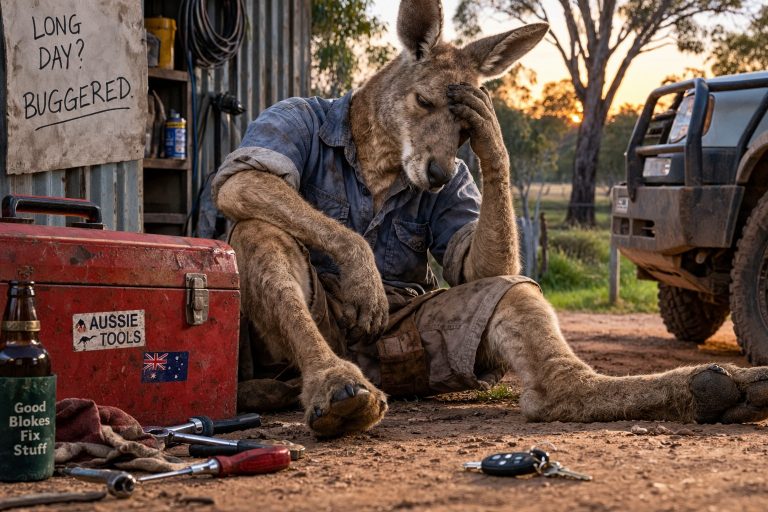
    オーストラリア英語の “buggered” は、疲れ果てたときにも、まったく見当がつかないときにも使われます。意味は文脈次第です。くだけた表現なので、使う相手や場面には気をつけましょう。 In Aussie English, “buggered” can mean exhausted or completely clueless. The intended meaning depends on context. It is informal, so consider your audience and setting. 一日中働いたあとなら、もうくたくたという意味かもしれません。鍵の場所を聞かれて “I’m buggered if I know!” と答えれば、「知るもんか、さっぱりわからない」という意味です。同じ言葉でも、状況によってずいぶん違います。 After a full day’s work, it might mean you are completely worn out. Asked where the keys are, you might reply, “I’m buggered if I know!” That means you haven’t the faintest idea. Meaning 🦘🦘🦘🦘 “Buggered” は主に「疲れ果てた」「さっぱりわからない」という意味で使われます。物が壊れたり、機能しなくなったりしたときにも使うことがあります。俗語で、場合によっては下品に響きます。 “Buggered” commonly means exhausted or clueless. It can also describe something broken or no longer working. It is slang and may sound vulgar in some contexts. Examples 「今日は本当にくたくただよ。」 “Boy, I’m really buggered!” 「車の鍵はどこ?」「さっぱりわからないよ!」 “Where’s the car key?” “I’m…

  • Fair Crack of the Whip: Everyone Deserves a Decent Go

    誰にでも平等なチャンスを与えてほしい。そんなとき、オーストラリア英語では “a fair crack of the whip” という表現が使われます。不公平な扱いを受けていると感じたときにもぴったりです。 Everyone deserves a fair chance. In Aussie English, “a fair crack of the whip” expresses exactly that idea. It also suits situations where someone feels they are being treated unfairly. 仕事の面接でも、スポーツの選考でも、新しいことへの挑戦でも使えます。特別扱いを求めるのではなく、自分にも実力を示す機会がほしいという気持ちです。オージーらしい公平さへの思いが感じられる表現です。 It can apply to job interviews, sports selection or trying something new. The speaker is not demanding special treatment, just an opportunity to prove themselves. The expression reflects a familiar Aussie emphasis on fairness. Meaning “Fair crack of the whip” は「公平な機会」「平等なチャンス」という意味です。“Give someone a fair crack of the whip” なら、「誰かに公平な機会を与える」となります。 “A fair crack of the whip” means a fair chance or opportunity. “Give someone a fair crack of the whip” means allowing…

  • Dinkum Oil: The Inside Story You Can Trust

    「dinkum oil」は、信頼できる筋から得た確かな情報を意味するオーストラリア英語の表現です。うわさ話ではなく、事情をよく知る人から聞いた本当の話、というニュアンスがあります。 “Dinkum oil” is an Aussie expression for reliable information from a trustworthy source. It suggests the real story, not gossip or guesswork. 「本当のところはどうなの?」と聞かれたとき、誰かが “That’s the dinkum oil” と答えれば、話の信頼性を強調しています。少しくだけた表現なので、友人との会話や日常的な話題によく似合います。 If someone asks what is really happening, “That’s the dinkum oil” vouches for the information. It is informal and suits everyday conversation. Meaning 「dinkum oil」は「確かな情報」「本当の話」「信頼できる報告」という意味です。単なるうわさではなく、事実に基づいた情報だと伝えたいときに使います。 “Dinkum oil” means reliable information, the real story, or an accurate report. It distinguishes facts from rumours and speculation. Examples 「上司から確かな情報を聞いたよ。」 “I got the dinkum oil from the boss.” 「その話、本当なの?」「間違いないよ。本当の話だ。」 “Is that story true?” “Yep, that’s the dinkum oil.” Japanese Explanation 「dinkum」は「本物の」「正直な」「確かな」という意味で、「oil」はここでは「情報」や「知らせ」を表します。この表現は第一次世界大戦中のオーストラリア軍で使われ、兵士たちが求めた正確な情報を意味しました。 “Dinkum” means genuine, honest, or true, while “oil” means information or news here….

  • Beaut, And How It Became A Strine Superword

    何か素晴らしいことが起きたとき、 “Beaut!” と一言。 これだけで、「最高!」「いいね!」「すばらしい!」という気持ちが伝わります。”Beaut” は、Aussie英語らしい短縮形です。 Meaning 素晴らしい、最高、すごい、申し分ない、という意味です。人や物をほめるときにも使えます。 Example “You got us tickets? Beaut!” 「チケット取ってくれたの? 最高!」 日本語での解説 “Beaut” は beautiful を短くした言葉です。Australian slangでは “That’s beaut, mate!” や “You beaut!” のように使われます。Australian slang資料でも “great” や “fantastic” を表す言葉として紹介されています。 Australia-Japan Connection 日本語でも、「最高!」「すごい!」「いいね!」のように、短い言葉だけで強い喜びを伝えられます。”Beaut” も同じように、長い説明を必要としません。 Aussieは長い言葉を短くするのが得意です。Beautiful が beaut。それだけで会話が軽くなります。短い言葉なのに、気持ちはしっかり伝わる。これもAussie英語の魅力です。

  • Bung On About One Of Strines’s Most Versatile Terms

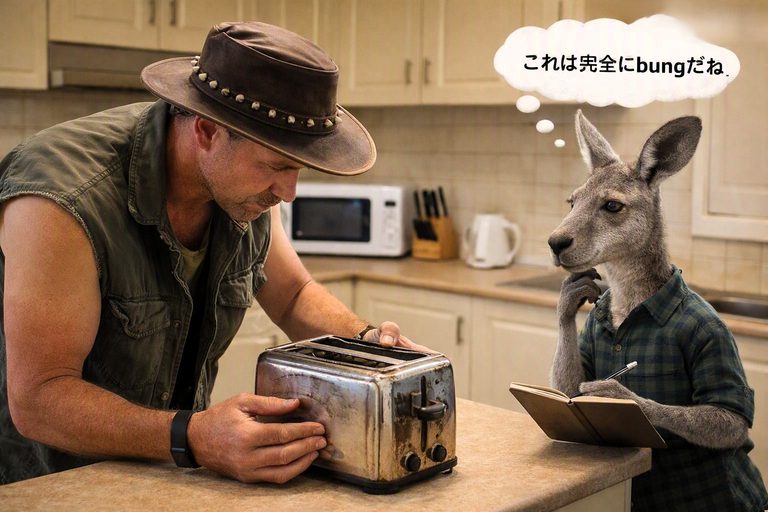
    朝、トースターのスイッチを入れます。何も起きません。もう一度やってみます。やっぱりダメ。Aussieなら、 “The bloody toaster’s gone bung.” と言うかもしれません。 “Bung” は、壊れている、故障しているという意味の、とてもAussieらしい言葉です。 Meaning 壊れた、故障した、使えなくなった、という意味です。また、人が「具合が悪いふりをする」という意味でも使われます。 Example “The old fridge has gone bung.” 「古い冷蔵庫が壊れちゃった。」 “Don’t bung it on. You’re not sick.” 「具合が悪いふりするなよ。病気じゃないだろ。」 日本語での解説 物にも人にも使えるのが面白いところです。”gone bung” なら「故障した」。”bung it on” のような使い方なら、「ふりをする」「芝居をする」という意味になります。”Bung” の「壊れた」という意味は、ブリスベン地域のYagara語に由来するとAustralian National Dictionary Centreが説明しています。 Australia-Japan Connection 日本語にも「壊れた」と「死んだ」の間にあるくだけた表現があります。Aussieの “bung” も、標準英語よりずっと生活感のある言葉です。 “Bung” は短い。簡単。しかも使い道が広い。こういう言葉を見ると、Aussie英語がなぜ面白いのかがよく分かります。 Related Links

  • 何でオージー版Spongerの吸収が悪い?

    Why Is A Strine Sponger Not A Good Pickup? どんな職場にも、どんなシェアハウスにも、必ずいる。誰かの分まで飲み食いして、 自分の分は絶対に払わない人。オーストラリア人はその人を”sponger”(スポンジャー) と呼ぶ。 Every workplace, every share house, every family gathering has one: the person who never quite pays their share, never quite pulls their weight, and always seems to be there right when the food comes out. Aussies have a word for them: sponger. Meaning A sponger is someone who lives off other people’s generosity–money, food, a couch to crash on –without ever giving anything back. The image is a kitchen sponge: soaking everything up, contributing nothing. spongerとは、お金でも食べ物でも寝床でも、他人の親切に頼って生きているのに、 何一つお返しをしない人のこと。台所のスポンジのように、すべてを吸い込むだけで 何も生み出さない、というイメージから来ている。 Example “Don’t invite Dave to the barbie. He’s a total sponger, never brings a snag or a coldie.” 「デイブをバーベキューに誘わないで。あいつは完全なスポンジャーで、 ソーセージ一本もビール一本も持ってこないんだから」…

  • Why Do Aussies Love Their “Trackies”?

    なぜAussieは「Trackies」が大好きなの? 朝早くコンビニへ行くと、パジャマ姿の人を見かけることがあります。オーストラリアでは、その代わりによく見かけるのが…「trackies」です。 スーパーへ。ガソリンスタンドへ。犬の散歩へ。時にはカフェへ。 「今日はちょっとそこまでだから。」 そんな気軽な気持ちで、多くのAussieが愛用しているのが、この快適なズボンなのです。おしゃれを競うためではありません。何よりも「楽だから」。それが、Aussieらしいところです。 Word Trackies Pronunciation /ˈtrækiːz/ Meaning トラックスーツやスウェット上下、または特にトラックスーツのズボン(ジャージ)を指すAussie英語です。 日本語なら、「ジャージ」「スウェットパンツ」「部屋着」が近いでしょう。 日常会話では特にズボンだけを指すことが多く、 “I’m just wearing my trackies.”と言えば、「今日はジャージだから。」という意味になります。 Example I’m staying home today, so I’m living in my trackies. 「今日は家でのんびりするから、一日中ジャージだよ。」 また、 It’s too cold for shorts. I’ll put my trackies on. なら、「短パンじゃ寒いから、ジャージを履こう。」という意味になります。 日本語で言うと? 日本では「ジャージ」は学校の体育や部活動のイメージが強いかもしれません。一方、Aussieではもっと生活に溶け込んでいます。近所へ買い物に行くときも、休日に家でくつろぐときも、飛行機で長時間移動するときも、気軽に履く人がたくさんいます。決して「だらしない」という印象ではなく、「今日はリラックスする日なんだな。」くらいの感覚です。 Australia–Japan Connection 日本でも、コロナ禍以降は部屋着やスウェットで過ごす時間が増えました。Aussieでは、それよりずっと前から「快適さ」がファッションの一部でした。もちろん、結婚式やレストランではきちんとした服を着ます。でも、近所への買い物くらいなら、trackiesで十分。そんな肩の力の抜けた暮らし方も、Aussie文化の魅力です。 Aussieには、「人は服ではなく、人柄で判断する。」という雰囲気があります。だから、ブランド物のスーツを着ていても偉いわけではありません。反対に、trackies姿でも素敵な人はたくさんいます。快適さを大切にしながら、自然体で暮らす。そんなAussieらしい価値観が、「trackies」という何気ない言葉にも表れているような気がします。