オーストラリア英語

  • やばいリンガル:Too Good For You, Ya Mongrel

    お前にはもったいないよ、この野郎! “Too good for you, ya mongrel” is a humorous Strine expression used when someone else receives something desirable that you jokingly think you deserve more. 日本語の意味 友人が何か良いものを手に入れたときに、「それは本当は自分の方がふさわしいのに!」という気持ちを冗談っぽく表現するオーストラリア英語(ストライン)です。 Explanation Australians often show affection through teasing. “Too good for you, you mongrel!” is usually said with a smile rather than genuine annoyance. The expression became famous through Australian comedian and actor Paul Hogan, who frequently used it in his television appearances. 日本語での解説 オーストラリア人は親しい相手をからかうことで親しみを表現することがあります。 この表現は「ずるい!」「なんでお前なんだよ!」という気持ちをユーモラスに伝える言い回しです。 ここで使われる “mongrel” は本来「雑種犬」という意味ですが、この場合は本気の悪口ではなく、友人同士の軽い冗談です。 この表現は「クロコダイル・ダンディー」でお馴染みとなったポール・ホーガンさんが1970年代から始まったテレビのバライエティ番組にてよく使われて浸透した話でした。 Example “Steve won the raffle again.” “Too good for you, you mongrel!” 日本語訳 「スティーブがまた福引で当てたよ。」 「お前にはもったいないよ、この野郎!」 Strine Culcha Australian humour often relies on playful insults. Expressions that sound rude to foreigners are frequently signs…

  • 豪キャブラリー:What’s A Humpy In Strine?

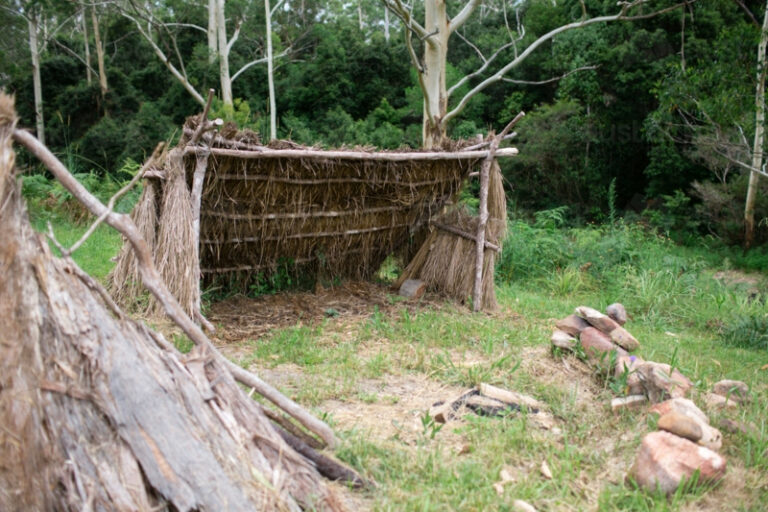
    A humpy is a simple shelter, hut, or temporary dwelling, traditionally associated with rural and remote Australia. 日本語の意味 humpy とは、簡素な小屋や仮設住居を意味するオーストラリア英語です。 Explanation The word “humpy” comes from Aboriginal Australian languages and was adopted into Australian English during the colonial period. It originally referred to traditional shelters made from bark, branches, and other natural materials. Today it can refer to any small, rough dwelling or bush hut. 日本語での解説 “humpy” はオーストラリア先住民の言語に由来する言葉です。 もともとは木の枝や樹皮などで作られた簡素な住居を指していましたが、現在では山小屋や粗末な小屋なども意味します。 Example “The stockman spent the wet season living in a humpy beside the river.” 日本語訳 「その牧童は雨季の間、川沿いの小屋で暮らしていた。」 Cultural Note The word reflects Australia’s frontier history and the importance of practical shelter in remote regions. 文化メモ この言葉には、開拓時代のオーストラリアやアウトバックでの生活の歴史が色濃く反映されています。 Related Term

  • 豪キャブラリー:What ‘Dunny’ Means In Strine

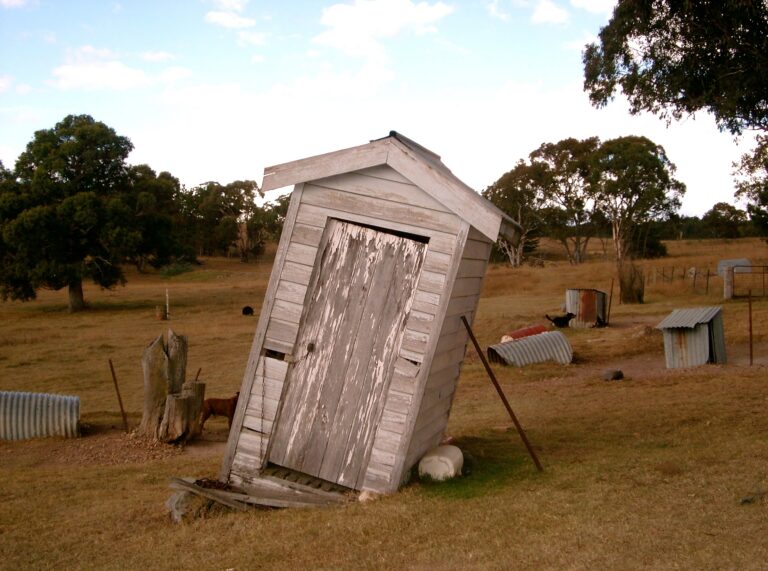
    Dunny is an Australian slang word for a toilet. 日本語の意味 Dunny は「トイレ」を意味する代表的なオーストラリア英語です。 Explanation Before indoor plumbing became common, many Australian homes had outdoor toilets located at the back of the property. These were known as dunnies. Although most Australians now have modern bathrooms, the word remains widely used. 日本語での解説 昔のオーストラリアでは、トイレが家の外に設置されていることがよくありました。 そのようなトイレを “dunny” と呼んでいたことから、現在でも「トイレ」という意味で使われています。 Example “Mate, where’s the dunny?” “Out the back near the shed.” 日本語訳 「トイレどこ?」 「裏庭の物置の近くだよ。」 Strine Culcha Dunny is one of the first Australian slang words many visitors learn. 文化メモ “dunny” はオーストラリア英語を代表する単語の一つで、多くの旅行者が最初に覚えるスラングです。 Related Terms

  • 豪キャブラリー:Paddo

    Definition Paddo is an Australian nickname for the Sydney suburb of Paddington. 日本語の意味 Paddo はシドニーの有名な地区 Paddington の愛称です。 Explanation Australians love shortening words. Paddington becomes Paddo in everyday speech, just as afternoon becomes arvo and service station becomes servo. 日本語での解説 オーストラリア人は言葉を短くするのが大好きです。Paddington が Paddo になるのも、その代表的な例です。 Example “We spent the afternoon shopping in Paddo.” 日本語訳 「午後はパディントンで買い物をして過ごした。」 Strine Culcha The shortening of words is one of the defining features of Australian English. 文化メモ 単語を短縮して使う文化は、オーストラリア英語の大きな特徴の一つです。 Related Terms

  • やばいリンガル:Funnel Web Spider

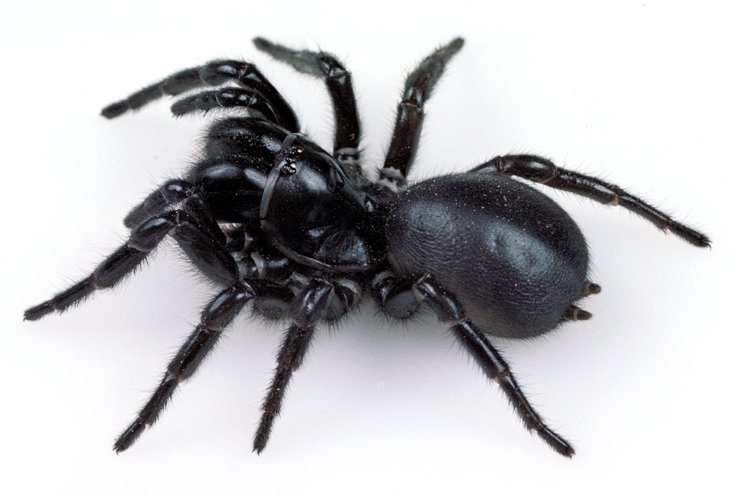
    オーストラリアは猛毒生物の宝庫として知られているが、弁護士、政治家、鉱山王、フィッシュ&チップス屋の連中という強力なライバルを押しのけて、最凶の座をかろうじて勝ち取っているのが「ジョウゴグモ(funnel web spider)」だ。 そして驚くべきことに、このちっこいクモが主に生息しているのは、シドニー:昔から “Sin City(罪の街)” と呼ばれてきた街の周辺である。 Australia is known for its deadly fauna and despite fierce competition from lawyers, politicians, mining magnates, fish and chip shop operators, just scraping in as the most venomous of all of Australia’s creepy crawlies is the funnel web spider. Perhaps not surprisingly, this tiny spider is found mostly in and around Sydney, Australia’s self-professed Sin City. 体長はせいぜい5センチほどだが、毒は潜在的に致命的。ただし1981年に抗毒素が開発されて以来、ファンネルウェブスパイダーの咬傷で亡くなった人は一人もいない。 Though it only grows to a maximum of 5 cm, its venom is potentially fatal, though no funnel web spider bite has killed anyone since 1981, when an anti-venom was developed.

  • やばいリンガル:Conk

    少なくとも動詞として使う場合、ストライン(オージー英語)では「conk」が人を殴る・ぶつける・小突くといった意味になる。名詞として使うと「鼻」という意味だ。 Conk, at least in its verb form in Strine, means to strike, hit, or punch, usually someone. Used as a noun, conk means nose. Example: Cripes, tell him off, but don’t bloody conk him. It could cause serious damage. 例: 「おいおい、文句は言っていいけど、絶対に殴ったりするなよ。マジで危ないからな。」

  • |

    Grand Final (Granny)

     オーストラリアは、とにかくスポーツ好きの国。そのシーズンの王者を決める究極の一戦は、たいてい『グランドファイナル』だ。ストライン(オージー英語)でこれ以上ド真ん中の呼び名はない。要するに、その年の最強クラブやチームを決める試合のこと。 Australia is a sport-loving country, possibly more than most. And the ultimate game that decides a champion in Australian sports is almost invariably the grand final. Real Strine could give no other fair dinkum name to a grand final, which is the match that determines the best club or team for its particular season, though we do sometimes refer to the match as the “granny,” too. なかでも一番有名なのが、毎年9月の最終土曜日にメルボルン・クリケット・グラウンドで行われる、オーストラリアン・フットボール・リーグのグランドファイナル。勝ったチームは実質「世界王者」なんだけど、オージーは控えめだから、そんな呼び方はしない。 The most notable grand final of Australian sports is played at the Melbourne Cricket Ground, usually on the last Saturday in September, to determine the premiership team of the Australian Football League. The winners of that match are the world champions, but…

  • 豪キャブラリー:Rockmelons

    Rockmelons can be a bit of a trap for young players, because it’s a Strine saying for a fruit found pretty much all over the world. Note the distinctive orange texture of the rockmelon flesh. This distinguishes it from the cantaloupe Europeans eat, musk melon preferred by the Japanese and Americans and spansek found in southern Africa. All these fruits are bloody nice wherever you eat them, but the only fair dinkum rockmelons are in Australia, so that’s what makes it a 豪キャブラリー term.  ストライン(オージー英語)で rockmelon と言うと、世界中どこにでもあるフルーツのことだから、初心者にはちょっとした落とし穴になる。果肉がオレンジ色なのが特徴で、ヨーロッパで食べられているカンタロープ、日本やアメリカなどで好まれるマスクメロン、南部アフリカのスパンセックとはそこが違う。どれもめちゃくちゃうまいんだけど、「本物のrockmelonはオーストラリア産だけ。だからこそ、これは(豪キャブラリー)なんだ。」 Strine Dictionary | 考えRoo

  • 豪キャブラリー:Ladder

    A ladder in Strine is a flaw in pantyhose or stockings. The hole gets its name for its resemblance to the more conventional ladder, which of course is the item consisting of two posts joined by bars that act as steps to enable climbing. 「ストライン(オージー英語)で ladder は、パンティストッキングやタイツにできる「伝線」のことを指す。穴や裂け目の形が、いわゆる「はしご」ようするに、二本の柱に段が渡してある、登るための道具に似ていることから、こう呼ばれるようになった。 Strine Dictionary | 考えRoo