
オージー発の珍発明が大稼ぎ
おなら消臭パンツ、ペットが人間のトイレを使えるようにする道具(上記動画参照)や原材料がミミズの排泄物だという肥料などの一風変わったオーストラリア発の発明品が年間約12億豪ドルの経済効果があるとシドニー・モーニング・ヘラルドが27日に報道された。
記事(英語)はこちらへ。
おなら消臭パンツ、ペットが人間のトイレを使えるようにする道具(上記動画参照)や原材料がミミズの排泄物だという肥料などの一風変わったオーストラリア発の発明品が年間約12億豪ドルの経済効果があるとシドニー・モーニング・ヘラルドが27日に報道された。
記事(英語)はこちらへ。
Durry Once ubiquitous, the durry is now on the way to extinction…we hope.

ankle biter Australian English A small child, especially a pre-school toddler, i.e. somebody only tall enough to be able to bite ankles. 日本語 ちびっ子、幼い子供。直訳すると「足首を噛む人」。由来は、小さくて、噛もうとすれば足首までぐらいしか背を伸べないという意味。 Plain English 1) Toddler 2) Pre-schooler 3) Kiddy Strine Dictionary

「ファースト・オーストラリアンズ」(英語)は、2008年作のドキュメンタリー。先住民の視野からオーストラリアの歴史を記録する。必見だ! 今日は2作目6部中2部目。
Buckley’s chance (or hope) is Strine for almost no chance. It means very unlikely or hopeless. Usually, Buckley’s alone is enough to convey the message. 日本語の意味 Buckley’s chance は「ほぼ可能性ゼロ」という意味です。 Explanation It comes from Australian history and folklore. It emphasizes extreme improbability. 日本語での解説 非常に低い確率を表す表現です。歴史由来の言い回しです。 Example “You’ve got Buckley’s chance of winning.”「勝てる可能性はほぼないよ。」 Strine Culcha Strine uses historical names for expressive exaggeration. The origin of Buckley’s as a saying is obscure. Some say it derived from the amazing story of William Buckley, a convict who went missing and was declared dead in the early 18th century only to emerge decades later having lived with indigenous peoples. Or it could have been Buckley &…
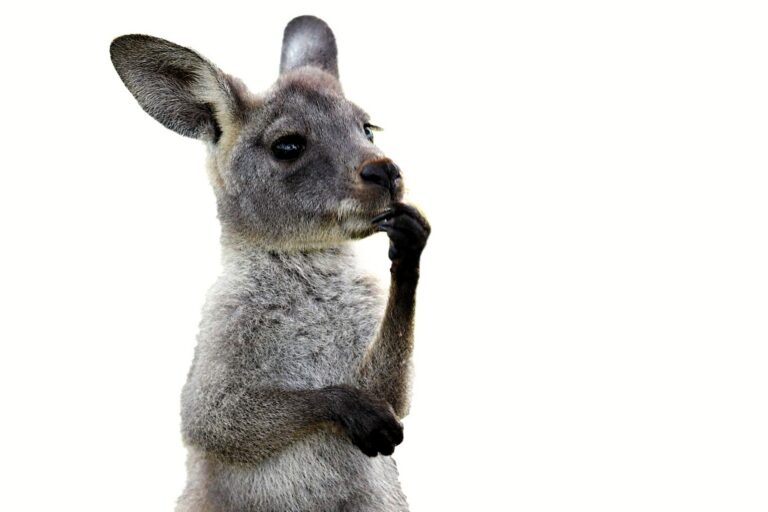
カンガルー・ワードで英語を楽しく学ぼう! A kangaroo word is a word that contains all the letters of one of its synonyms (joey words) inside it. The letters may be in the same order or in a different order.For example: MAsculinE (male), BLOssOM (bloom), cHickEN (chicken), hoNOurabLE (honorable). 「カンガルー・ワード」とは、その同義語(ジョーイ・ワード)のすべての文字を中に含む単語のことです。文字の順番は同じでも、違っていてもかまいません。たとえば、MAsculinE(男性)、BLOssOM(花が咲く)、cHickEN(鶏肉)、hoNOurabLE(名誉ある)などがあります。 Why kangaroo? Kangaroos carry their young, called joeys, in a pouch. The term kangaroo word comes from this idea. なぜ「カンガルー」なのでしょう?カンガルーは赤ちゃん(ジョーイ)をおなかの袋で育てます。「カンガルー・ワード」は、このイメージから生まれた言葉です。 big → biGgest (big), beginNing (begin)kind → kinDness (kind), kinDergarten (kindergarten) Strine Dictionary | 考えRoo
lucky country, the Australian English Australia. The term was coined by historian Donald Horne in irony. He argued that Australia was lucky as it became a rich land only because of its natural resources instead of the cleverness or effort shown by other nations. Instead of being shocked by the term, Australians adopted “the Lucky Country” to use as a favorable synonym to describe their land. 日本語 オーストラリアのこと、ラッキーな国。もともと歴史学者ドナルド・ホーン氏が1964年に「ラッキーな国」を皮肉たっぷりに使った表現だ。同氏は、オーストラリアがほかの先進国と違って、知恵や努力で発展したではなく、資源豊富さだけで豊かとなって、とても「ラッキーな国だ」と言った。しかし、多くのオーストラリア人がホーンの本来の意味を無視、今一般に自国名をいい風に表現できる同義語として使うようになった。 Plain English Australia. Strine Dictionary
We use cookies to improve your experience on our site. By using our site, you consent to cookies.
Websites store cookies to enhance functionality and personalise your experience. You can manage your preferences, but blocking some cookies may impact site performance and services.
Essential cookies enable basic functions and are necessary for the proper function of the website.
These cookies are needed for adding comments on this website.
Statistics cookies collect information anonymously. This information helps us understand how visitors use our website.
Google Analytics is a powerful tool that tracks and analyzes website traffic for informed marketing decisions.
Service URL: policies.google.com (opens in a new window)