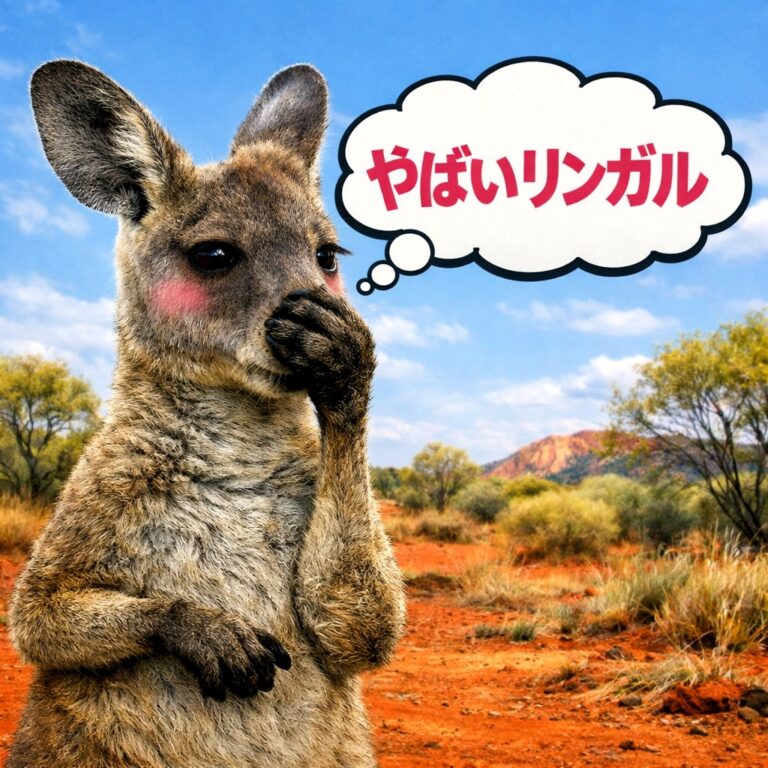
「やばいリンガル」Manchester (マンチェスター)

 マンチェスターはイギリスの最も大きな都市のひとつである。伝統と歴史のある町である上に、スポーツの世界ではサッカーを中心に世界的なブランドにもなっている。オージー英語でも、マンチェスターはブランドになってはいるが、その意味がマンチェスター・ユナイテッド選手ルーニ―などと、かなりかけ離れている。
Manchester is one of Britain’s largest cities. The city is rich with history and, centering on soccer, has become of global brand in the sports world. Manchester is also a brand in Australia, but in the land of the roos, it’s a brand that’s a long way from the likes of Rooney & Co at Manchester United.

Manchester
日本語の意味
Meaning in Japanese
(イギリスの都市である)マンチェスター
Manchesutaa
米・英語の意味
Meaning in U.S./British English
Manchester
だけどオージー英語では、、、
But the meaning in Strine is....
寝具のこと
Bedding items such as sheets, quilts, pillows, etc.

Cop A Gander At These Rippers Too...

  • Up the Puttyって、どんなピンチ?

    Up The Putty? Ever Been In A Pickle? Up the putty is a classic Strine expression meaning to be in serious trouble. 日本語の意味 Up the putty は「大変なことになる」「ピンチだ」という意味です。 Explanation If you’re up the putty, things have gone badly wrong. 日本語での解説 状況が悪化して、かなり困っていることを表します。 Example “If Mum finds out, we’re up the putty.” 日本語訳 「お母さんにバレたら大変だ。」 Strine Culcha Like many old Strine sayings, nobody is completely sure where this one came from. オージー文化メモ 昔から使われていますが、語源ははっきり分かっていません。 Related Terms

  • ブルラマカンカって、いったいどこまで遠いの?

    How Far Out Is Bullamakanka, Really? Bullamakanka is a Strine name for an imaginary place deep in the Australian outback. 日本語の意味 Bullamakanka はオーストラリアの「とてつもなく遠い場所」を表す架空の地名です。 Explanation It’s the Aussie equivalent of saying “the middle of nowhere.” 日本語での解説 日本語なら「ど田舎」や「辺ぴな場所」に近い表現です。 Example “He lives out in Bullamakanka somewhere.” 日本語訳 「彼はど田舎のどこかに住んでいるよ。」 Strine Culcha Australians love inventing funny names for places that don’t exist. オージー文化メモ 存在しない地名で「遠すぎる場所」を表すのは、オージーらしいユーモアです。 Related Terms

  • 何で働きすぎ日本人がHard Yakkaを馴染むだろう?

    Why Does Hard Yakka Feel So Familiar For Hard-Working Japanese? Hard yakka is classic Strine for hard, physically demanding work. 日本語の意味 Hard yakka は「重労働」「きつい仕事」という意味です。 Explanation The word yakka comes from an Aboriginal Australian language and has been part of Aussie English for generations. 日本語での解説 Yakka はオーストラリア先住民の言葉に由来し、長く使われています。 Example “Nobody said this was going to be hard yakka, mate!” 日本語訳 「こんな重労働だなんて聞いてないよ!」 Strine Culcha Aussies admire people willing to do hard yakka without complaining. オージー文化メモ 文句を言わずに頑張って働く人は、オーストラリアで尊敬されます。 Related Terms

  • |

    Australia Wants You! C’mon Aussies, Work For The Embassy In Tokyo

    The Australian Embassy in Tokyo is looking for a Strategic Communications Assistant to help promote its strategic communications and public diplomacy activities. It’s an awesome chance for someone to contribute to building better relations between Australia and Japan. I would have loved to have worked for the Australian Embassy in Tokyo. I interviewed for positions many times, but was never fortunate enough to be taken on for a job. Now I’m too old, but not so advanced as to realize what a great chance this would be for someone keen to build bridges. Good luck to whoever gets the job! I’ve met lots of Embassy folks and they’re a very…

  • 「Put A Sock In It」と言われたら何で黙った方がいいの?

    Why Would It Be Better To Shut Up If Someone Tells You To Put A Sock In It? Put a sock in it is a classic Strine expression meaning “Be quiet!” or “Shut up!” 日本語の意味 Put a sock in it は「黙れ!」「静かにして!」という意味です。 Explanation Australians usually say it jokingly between mates, not as a serious insult. 日本語での解説 友達同士で冗談っぽく使われることが多い表現です。 Example “Put a sock in it, mate! I can’t hear the telly.” 日本語訳 「ちょっと黙ってよ。テレビが聞こえないよ。」 Strine Culcha Strine often sounds blunt, but it’s usually meant with humour. オージー文化メモ ストライン(オージー英語)はぶっきらぼうでも、親しみを込めて使われることがよくあります。 Related Terms

  • |

    A Breakout Performance Focusing on Australia’s Cowra

    Kaura no Hancho Kaigi (Honchos’ Meeting in Cowra) superbly dramatizes events surrounding a definitive incident in Australia-Japan relations. The play being performed by the Rinkogun theater group daily until March 24 (with two shows on March 19 and 21) centers on the Cowra Breakout, an attempted escape by about 550 Japanese prisoners of war being held in an Australian POW camp in August 1944. Interwoven with the action surrounding the decision to rebel and attempt to escape or die trying by a group of men whose own homeland had effectively killed them by bureaucracy and cultural manipulation is a tale of a group of women making a film about the…