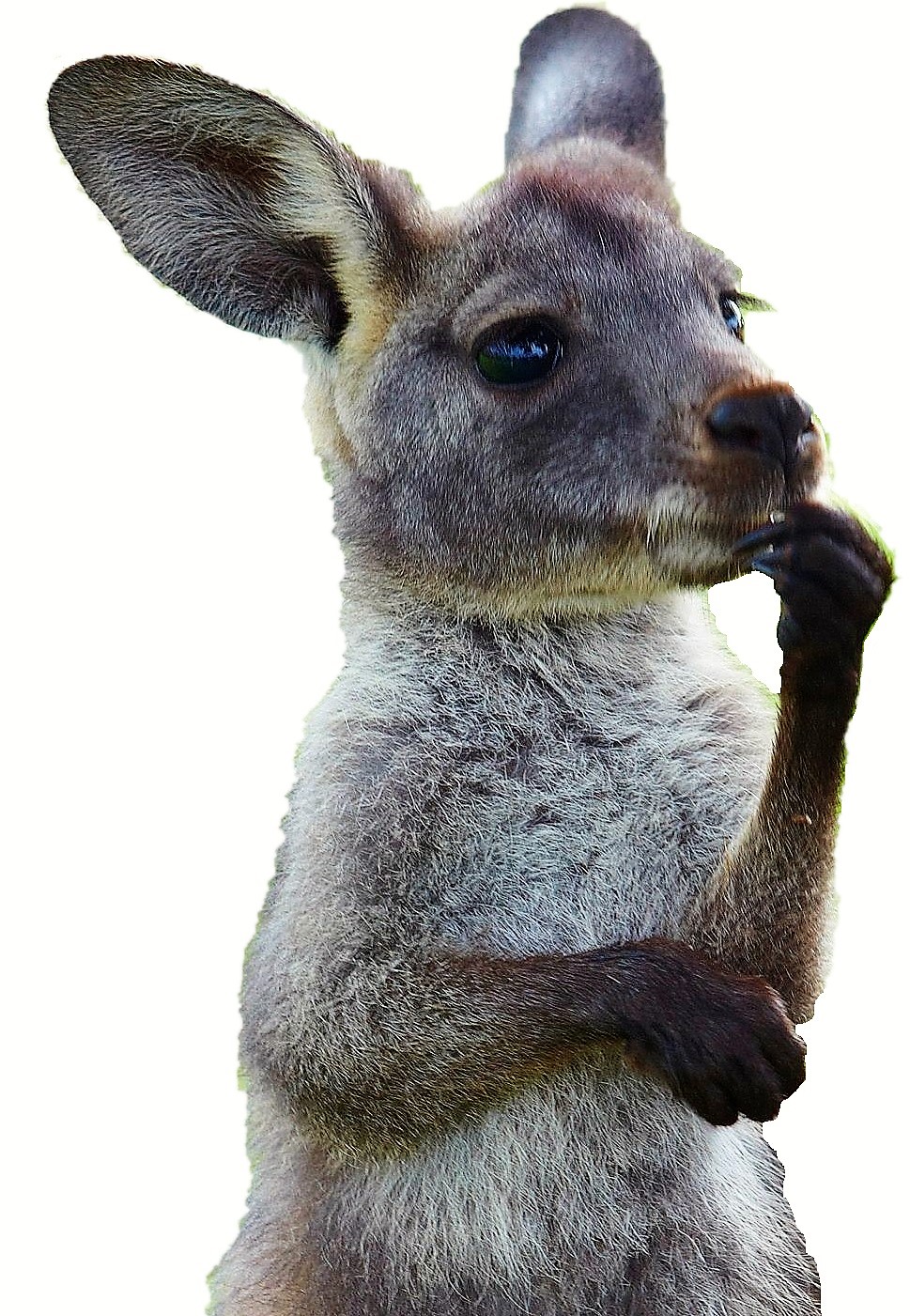
「やばいリンガル」Rubbish(ゴミ)

 米・英語ではrubbishまたはtrashはゴミのことを意味する名詞だけど、オージー英語では動詞として使うと、別の意味にもなる。続けて読めばどのようになるのかが分かる。

In British or U.S. English, rubbish or trash means something you dispose of, but the word adopts a different meaning when used as a verb in Strine.

Rubbish
日本語の意味
Meaning in Japanese
ゴミ、廃棄物
Gomi, haikibutsu
米・英語の意味
Meaning in U.S./British English
Rubbish, trash, garbage (nouns)(名詞)
だけどオージー英語では、、、
But the meaning in Strine is....
(動詞として使って)強く批判する。けなす
(Used as a verb) Harshly criticize, condemn, admonish, belittle

Cop A Gander At These Rippers Too...

  • Bikkie/クッキー

    bikkie Australian English 1) This is the typical Australian term to describe a biscuit or cookie. 2) It is also used to refer to the amount of money a person earns in the form of salary or wages. 日本語 1)    クッキー 2)    給料。サラリー。ギャラ。お金。 Plain English 1)    Cookie 2)    Money Strine Dictionary

  • | |

    ハーバーブリッジ80周年

    シドニー、いや、オーストラリア全体の象徴ひとつであるは、今週開通80周年を迎えた。  ハーバー・ブリッジの建設は約10年かかって、開会式ではニューサウスウェルズ州知事ジャック・ラングの先に右翼団体のメンバーがリボンを来て馬で逃げたという事件から歴史がちょっと暗いスタートで始まったが、以降ハーバー・ブリッジがオーストラリアの誇りとなり、今でもシドニーの人々にとって大きな存在感を持つ。  建設当時から1967年までシドニーも最も高い建物であった上に今でも同市の最長建物である。  交通・環状道路などだけじゃなく、観光スポットとして有名であり、2000年のシドニー五輪の顔をはじめ、ハーバーブリッジ・クライム(よじ登る)及花火の打ち上げなどでも世界中に幅広く評価されている。 Sydney Harbor Bridge (English) 豪キャブラリー:Coathanger Happy Birthday Harbour Bridge

  • Australia Wants You! Apply Now

    在日オーストラリア大使館が募集中 The Australian Embassy in Tokyo is advertising to fill two positions at the moment. The embassy is looking for a public diplomacy officer (strategic communications) and a research officer (political). Links to the application sites are below.  在日オーストラリア大使館では2つのポジションの募集しております。募集職種は、パブリック・ディプロマシー官(戦略的コミュニケーション)およびリサーチ担当官(政治)です。大使館の応募サイトへのリンクは下記をご参照ください。 Both of these would be outstanding positions and highly recommended to advance Australia’s standing in Japan.  いずれのポジションも大変魅力的であり、日本におけるオーストラリアのプレゼンス向上に貢献できる、強くお勧めできる職務です。 Applications

  • |

    Reminiscing: The First Time Australia Mattered in Kangaeroo’s Japan

    Kangaeroo has lived in Japan since the late ’80s, just as the Showa Era (reign of Emperor Hirohito from 1926-1989) drew to a close. Japan back then had possibly an even stronger fascination with English than it does even today, especially as it was far less accessible in a slower, less connected world. But English and overseas meant America and Japan had an obsession for the United States. Occasionally, news would filter through from other powers, such as then recently reunited Germany, France, Italy, Britain and the crumbling Soviet Union and Russia. It was rare, pretty close to unheard of, really, for Australia to attract much attention in a Japan…