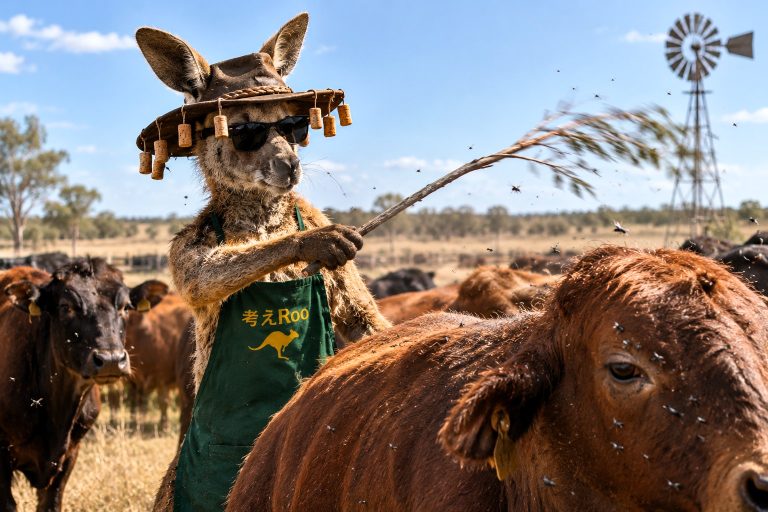
豪キャブラリー: Fossick

Fossickは古くから使われている独特なオージー英語であり、珍しく今でもよく使われている言葉だ。意味は、あっちこっちにものを探すことだ。由来はオーストラリアの19世紀での発展に大きく貢献したゴールド・ラッシュである。当時、金を探す人たちはfossickerと呼ばれ、その後金以外どんなものでも探すのがfossickするということになったようだが未だに鉱業に全く縁がない考えRooでも最初に思い浮かぶのが「金を探る」のが不思議でしょうがない。

豪英・米語日本語
FossickLook around, search, rifle探す

Cop A Gander At These Rippers Too...

  • |

    Campbelltown Forest of Wild Birds A Slice of Oz in Sleepy Saitama

    Koshigaya, located some 30 kilometers from downtown Tokyo, and Campbelltown, which is situated about 50 kilometers from Sydney’s central business district, were almost made for each other, even if only serving as satellite cities for their respective countries’ largest cities. Koshigaya and Campbelltown are sister cities and it’s hard to see a better example of the custom than the relationship between the Japanese bed town and its Aussie sibling. Koshigaya is also home to a picturesque corner of Australia, complete with wallabies, emus and some lovely wild birds, including rainbow lorikeets, superb parrots, Major Mitchell’s cockatoos, tawny frogmouths and kookaburras. The Campbelltown Forest of Wild Birds in Koshigaya could arguably…

  • Aussieが「Wanker!」と言ったら要注意!

    Why Is Calling Someone A “Wanker” So Offensive? Roo-dness Scale: ⭐⭐⭐⭐☆ (4/5) ⚠️ この言葉はかなり失礼です。親しい友達同士の冗談として使われることもありますが、知らない相手には絶対に使わないようにしましょう。 バーで聞こえてきた一言 メルボルンのパブでクリケット中継を見ていたときのこと。審判の判定に納得できなかった男性が、テレビに向かって叫びました。“You bloody wanker!” 周りのお客さんは笑っていましたが、決して褒め言葉ではありません。 wanker は、Aussie英語でも特に有名な悪口のひとつです。 もともとは非常に下品な意味を持つ言葉ですが、現在では「バカなヤツ」「しょうもないヤツ」「間抜け」という意味で使われることが多くなりました。 ただし、語源が語源だけに、軽い気持ちで使う言葉ではありません。 🦘 Word wanker 発音 /ˈwæŋkə/ Meaning バカ、アホ、ろくでもないヤツ。 怒りや軽蔑を込めて使われることが多く、日本語なら といった表現が近いでしょう。 Example Don’t be such a wanker. 「そんなバカなことするなよ。」 また、 That bloke’s a complete wanker. 「アイツ、本当にどうしようもないヤツだ。」 日本人ならどう言う? 日本語なら「バカ」や「アホ」が近いですが、wanker のほうが語感はずっと強めです。 テレビドラマや映画ではよく耳にしますが、日常会話で使うと相手との関係が悪くなることもあります。 Aussie × Japan 日本では、初対面で相手を露骨に罵る場面はあまり多くありません。 一方、Aussie同士ではスポーツ観戦や仲間内で、このような強い言葉が冗談半分で飛び交うことがあります。 だからといって、旅行中に真似するのはおすすめできません。 意味を知ることと、使うことは別なのです。 🦘 考えRooの考え 映画や海外ドラマを観ていると、wanker は意外なほど頻繁に登場します。だからこそ、この言葉は**「使うため」ではなく、「聞いて分かるため」**に覚えておくのがおすすめです。Strineには、知っているだけで会話や映画がもっと楽しめる言葉がたくさんあります。wanker も、そのひとつです。 関連記事

  • No Flies On Why Sharp Aussies Never Sit Still

    Why would Aussies compliment someone’s intelligence by talking about insects that aren’t there? なぜオーストラリア人は、そこに「いない」虫の話で相手の賢さを褒めるのだろうか? In the paddocks of 1840s colonial Australia, stockmen noticed something about their cattle: the laziest, slowest animals attracted swarms of flies, while the sharp, active ones moved around too much for any fly to settle on them. From that simple bit of bush observation came one of Australia’s oldest surviving slang phrases, and it was exporting itself to the U.S. and Britain within a few decades. 1840年代、植民地時代のオーストラリアの牧場で、牧夫たちは牛について面白いことに気づいた。動きの鈍い牛にはハエがたかるが、活発に動き回る牛にはハエがとまる暇がない、というのだ。この素朴な観察から生まれたのが、オーストラリアに現存する最古のスラングのひとつであり、数十年のうちにアメリカやイギリスにも輸出されていった。 Meaning “No flies on [someone]” means that person is sharp, alert, and not easily fooled — the exact opposite of a “drongo.” It’s almost always used as a compliment….