豪キャブラリー:Saveloy
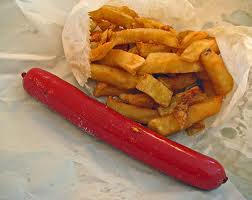
オージー英語でありながら、食類なので厳密に言えば豪キャブラリーに入れないかもしれないが重要なオージー英語表現の一部なので特別に対象とした。それに、かなりおいしいなので一度食べてみたらいかがでしょうか?
 | 豪 | 英・米語 | 日本語 |
| Saveloy | Weiner sausage | ウィーナー |
オージー英語でありながら、食類なので厳密に言えば豪キャブラリーに入れないかもしれないが重要なオージー英語表現の一部なので特別に対象とした。それに、かなりおいしいなので一度食べてみたらいかがでしょうか?
| 豪 | 英・米語 | 日本語 |
| Saveloy | Weiner sausage | ウィーナー |
grizzle Australian English To moan and complain unceasingly. This word is used mainly to describe the behavior of grumbling children, but can also be used about adults who complain without due reason. 日本語 めそめそする。ぐずる。泣き言をいう。この言葉は、主に小さい子がぐずぐずしている時に使われているけど、特に大きな理由がなく泣き言をいう大人に対して使っても違和感を感じさせないだろう。 Plain English To whine. Strine Dictionary
オーストラリアはスポーツ大国に間違いない。sportも典型的なオージー英語として使われる言葉だが、他の英語圏での意味と全く違う。どのように違うか見てみよう。 Australia is undoubtedly a sporting power, but sport in Strine, or Australian English, has a completely different meaning compared to when the word is used in other forms of English. Read on to find out how.
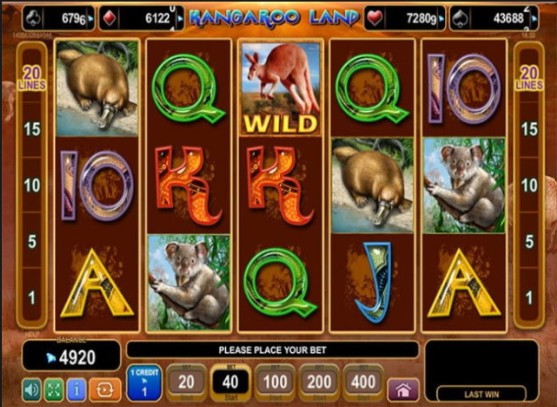
A jacky in Strine means to hit a jackpot. Being Australia, hitting a jacky would most likely be on a pokie. Nearly every pub in the country has pokies, which is a somewhat dubious situation. Punters are drawn by the chance of hitting a jacky, but the reality is that most users of the slot machines ended up losing their dough. ストラインで jacky というのは“ジャックポットを当てること”を意味します。オーストラリアらしく、そのジャッキーはたいてい“ポーキー(スロットマシン)”で当てるものです。国内のほぼすべてのパブにポーキーが置いてあるという、ちょっと怪しい状況でもあります。客たちはジャッキーを当てたい一心で集まりますが、実際のところ、スロットを回す人のほとんどは金をすって終わるのです。 Example: Mate, some lucky bugger hit a jacky on the pokies while I was still losing me last 10 bucks. 例文:俺が最後の10ドルをすってる間に、誰かのラッキー野郎がポーキーでジャックポット当てやがったんだよ。
A jaffle is a toasted sanger made by toasting a couple of slices of bread filled with ingredients, buttered on the outside and then toasted in a jaffle maker. A staple for Aussies everywhere. 二枚のパンの間に具材を挟み、それを専用の器具(ジャッフルメーカー)で焼き、外側がカリッとした状態で提供されるサンドイッチの一種である。オージーの定番メニュのひとつ。
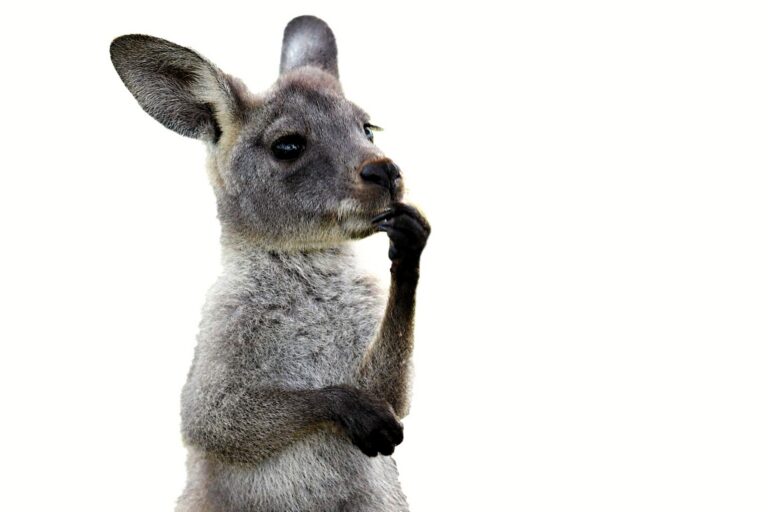
オーストラリアの動物と言えば有袋類だ!動物の中では哺乳類が王様だけど、人間を除いて哺乳類が動物の世界を統治する。しかし、オーストラリアだけが違う。肉食犬系のディンゴを除けばオーストラリア動物の多くが有袋類だ。 有袋類は、生物学的に哺乳類に比べて弱い。哺乳類の胎児が子宮で発達した上で生まれてきて脳や体が大きくなり生き残る可能性が高い。しかし、有袋類の場合は違う。胎児が早いうちに生まれてきて発達がほとんど進めずに母の袋に入り発達の工程が進む。 だが、この生物学的の弱みは、実際にオーストラリアでは強力な武器となり、世界中の大陸の中では哺乳類じゃなくて有袋類が君臨するようになった訳だ。 ビデオ(英語)を見て、どのようにこの弱みが強みとなって有袋類がオーストラリアの主流動物となったのが分かるようになる。

ジュリア・ギラード豪首相が6日付とある豪テレビ局用に「世界に人類が撲滅する」と発表したことはフェーファックス紙ネット版が報道した。 幸いにジョークだった。 終末論の一つとしてマヤ文明が2012年12月21日から23日の間に人類が撲滅するということを連想して世界中に広く課題となっていた。 この話に伴ったオーストラリアの若者向け全国ラジオ局トリプルJが人類撲滅直前人間を祝うことにした。その一環として、総理大臣が協力することになって、同局が制作するテレビ番組のために一シーンを撮影することになった。 ギラード氏は、「オーストラリア人仲間、人類撲滅が近づいている。Y2Kでもなくて、(オーストラリアが今年導入して猛反対された)炭素税でもなかった。人類撲滅は、人間食いゾンビであろうが、地獄的な野獣であろうがK-POPの完全統治であろうが、最後まで私はあなたたちのために必死に戦います」と宣言した。 最後に「ま、人類撲滅であれば少なくとも(政治家を厳しく追及するで有名な番組である)Q&Aでなくてすめるよね」。 ギラード氏の放送に対して豪国民が賛否両論 「有権者をバカにするな」や「納税者の血税の無駄だ!」という声も上がる一方「国民のレベルから行動するのがいいな」と「ジュールズ(同氏のあだ名)最高!ちなみに、俺はゾンビだと思うぜ」という反応もある。 トリプルJの「人類撲滅」プログラムは7日9時(豪東海岸時間)放送される。ネット上でも聞ける。 ‘I won’t have to do Q&A again’: PM spoofs end of the world
We use cookies to improve your experience on our site. By using our site, you consent to cookies.
Websites store cookies to enhance functionality and personalise your experience. You can manage your preferences, but blocking some cookies may impact site performance and services.
Essential cookies enable basic functions and are necessary for the proper function of the website.
These cookies are needed for adding comments on this website.
Statistics cookies collect information anonymously. This information helps us understand how visitors use our website.
Google Analytics is a powerful tool that tracks and analyzes website traffic for informed marketing decisions.
Service URL: policies.google.com (opens in a new window)