Japanese long-term resident numbers double Down Under

Japanese long-term residents in Australia doubled over the course of the Noughties, according to the recently released 2011 Australian Census.
The number of Japanese speakers residing permanently in Australia grew from 1,002 to 2,032 from 2000 and 2010, representing a 102.8% change.
The 2011 Census showed there were 21,507,730 people in Australia, of who 43,692 are Japanese speakers.
The total population of Japanese speakers in Australia was made up of 59.1% females and 40.9% males.
And only 204 speakers were involved in a same-sex couple.
Popular suburbs for long-term Japanese residents of Down Under to live in were Chatswood (NSW), Melbourne (VIC), Southport (QLD), Adelaide (SA), South Perth (WA), Sandy Bay (TAS) and Yulara (NT).
For more details of the long-term Japanese presence in Australia, highly recommended is the SBS Census Explorer.
More general information on the 2011 Census can be found here.
Cop A Gander At These Rippers Too...

  • Abe First Japanese PM To Visit Japanese-Bombed Darwin

    In 1942, Japanese forces launched the only attacks on the Australian mainland, and Japanese Prime Minister Shinzo Abe became the first premier to visit Darwin, the most heavily damaged city bombed by the Japanese. Apart from Darwin, Japanese forces also attacked Sydney, Broome, Katherine, Wyndham, Exmouth, Port Headland and Townsville in the early stages of World War II. Abe’s grandfather, former Prime Minister Nobusuke Kishi, was arrested for war crimes, but released without conviction. Kishi was instrumental in re-establishing a strong postwar trade relationship between Australia and Japan. Shinzo Abe arrives in Darwin for first visit by Japanese leader

  • |

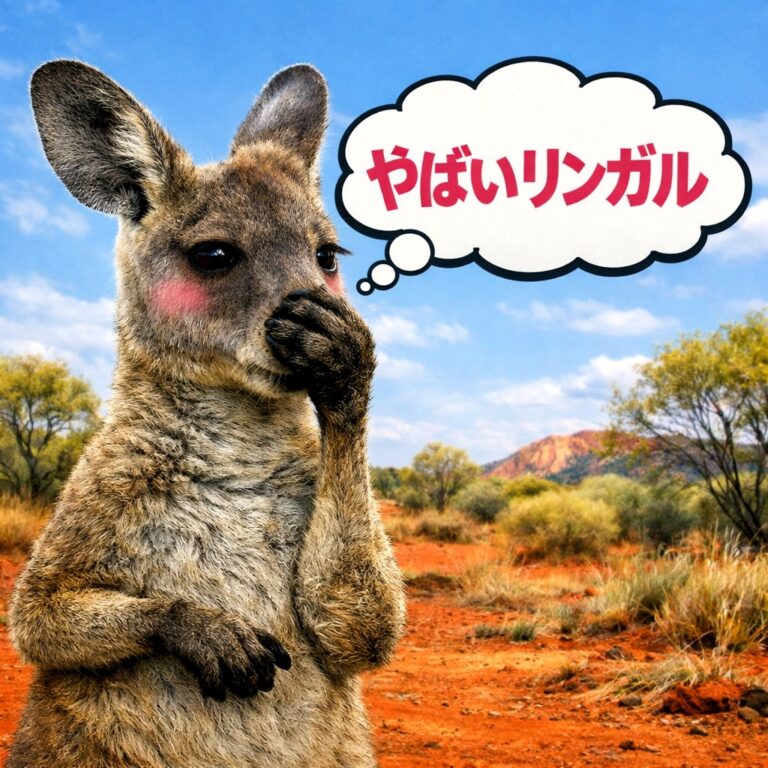
    「やばいリンガル」Flat out

     米・英語では、flat out というのはただ物を平らにするという意味にしか過ぎない。でも、オージー英語ではちょっと違う。同じ英語でも、同じ言葉でもまったく意味が異なる場合がある。今日は、オージー英語がflat outに関してどんな罠が待っているのかを見て見よう。 Strine has developed its own peculiar usage for words that differ from the English spoken in other countries. What does it mean to be flat out when you’re speaking Strine? Let’s see.

  • | | | |

    Kangaroo Cooking…Roo Meat: It’s Tasty if Ya Cook It!

    Japanese have been legally eating kangaroo for longer than most Australians. Kangaroo meat was imported to Japan and being served in Tokyo restaurants from 1988, five years before meat from the national symbol was legalized for consumption by Australians in all states other than South Australia, where kangaroo could be eaten legally from 1980. (Indigenous Australians had continued eating kangaroo, a traditional food, regardless of the ban.) Despite the head start, kangaroo meat never really kicked on in Japan, despite its reputation for being a healthy, high-protein, low-fat alternative to beef or pork. RooMeat was promoted in Japan as being a preferred choice of athletes and models, but the “stars”…

  • Nuddy/裸体

    Australian English To be naked, or nude. The same state is also sometimes described as being “starkers.” 日本語 裸体。ヌード。裸。Starkersというオージー英語(豪語)もときどき使う。 Plain English Naked, nude, in a state of undress. Strine Dictionary

  • |

    Why Are Australian Gum Trees All Over Japan?

    なぜ日本にはオーストラリアのユーカリがこんなに多いのか? Look around many Japanese parks, university campuses or botanical gardens and you’ll probably spot a gum tree. Most people walk past without a second thought. Yet these unmistakably Australian trees have quietly become part of Japan’s landscape. 日本の公園や大学、植物園を歩いていると、ユーカリの木を見かけることがあります。しかし、多くの人はそれがオーストラリア原産だとは気付きません。今では、ユーカリは日本の風景に静かに溶け込んでいます。 An Aussie Arrives in Japan オージーの木が日本へ Eucalypts are native almost exclusively to Australia. The first specimens arrived in Japan during the late 19th century, when the country was eagerly introducing plants from around the world for scientific study and forestry trials. Botanical gardens played an important role in testing which species could adapt to Japan’s climate. オージーの木が日本へ ユーカリは、ほぼオーストラリアだけに自生する樹木です。 19世紀後半、日本が世界中から植物を導入していた時代に、ユーカリも研究や試験植林のため持ち込まれました。 植物園は、日本の気候に合う種類を調べる重要な役割を果たしました。 More Than One Tree ユーカリは一種類ではない Many people think “gum tree” means…