Abe First Japanese PM To Visit Japanese-Bombed Darwin
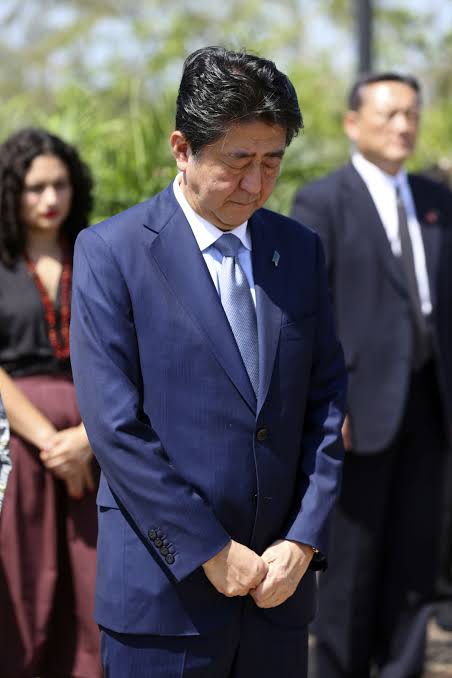
In 1942, Japanese forces launched the only attacks on the Australian mainland, and Japanese Prime Minister Shinzo Abe became the first premier to visit Darwin, the most heavily damaged city bombed by the Japanese.
Apart from Darwin, Japanese forces also attacked Sydney, Broome, Katherine, Wyndham, Exmouth, Port Headland and Townsville in the early stages of World War II.
Abe’s grandfather, former Prime Minister Nobusuke Kishi, was arrested for war crimes, but released without conviction. Kishi was instrumental in re-establishing a strong postwar trade relationship between Australia and Japan.

Shinzo Abe arrives in Darwin for first visit by Japanese leader
Cop A Gander At These Rippers Too...

  • | |

    先住民がカカドゥ国立公園をさらに安全化

    大、大、大好きの編集者である都築響一のフェースブック・ページから得た情報だが、オーストラリア北部ノーザン・テリトリーにあり、世界遺産であるカカドゥ国立公園内クーンガラ地区がが世界遺産指定エリアに入り永遠に守れるようになる。  日本発信旅行ブログOnTimeによるとカカドゥは、ウランが大量にあり、オーストラリア経済に有力ある鉱業がどうしても掘り出したがっているが、先住民のジェフリー・リー氏がずーとクーンガラを守って行こうとした。  詳しくはOnTimeへ(日本語)

  • |

    Bugger me, Bob! 豪州元首相の豪俗語が外交的な事件になりかけた頃

    オーストラリア元総理大臣であったボッブ・ホーク氏は、最近日本から勲章を受けたが、1980年代初来日したオージー英語によっての時激ヤバ「事件」になりかけたこと、と豪州オンライン・ニュースサイトnews.com.auが今週報道した。 今週勲一等旭日大綬章を受章した同氏は、1983年から1991年の間豪首相であり、その間4回も日本を訪問した。  労働組合出身のホーク氏が1回目来日した時当時有名だったオーストラリアの過激的な組合活動について聞かれた。ホーク氏の返事は「騙されんぞ」だった。しかし、当然日本語ではなくオージー英語でその答えを出した。それは「They won’t play funny buggers」という表現だった。  問題はbuggersという言葉だ。オージー英語及びイギリス英語ではbuggerが「やつ」とか「野郎」などの意味がある。しかし、もう一つの意味は英語圏諸国が中心となるコモンロー下の犯罪buggeryを起こす者の意味もある。Buggery罪は、「肛門性交行為」のことだ。  news.com.auによると、ホーク氏の「They won’t play funny buggers」が日本語に通訳された時にオージー英語訳の「騙されんぞ」や「変な振る舞いをする」ではなく本来米語の意味で「面白い男性同性愛者」と訳されたといい、在日オーストラリア大使館がまいていたという。  この話は本当かどうか分からないが考えRoo.comのようなサイトを見ればこのようなオージー英語かストラインのミスがないだろう。

  • |

    How Did Former Enemies Become Partners in Remembrance?

    敵国だった日豪は、どのように共に追悼する関係になったのか? In Why Does Australia Have So Many Japanese War Memorials?, we explored why Australia has so many Japanese war memorials. In Where Can You Find Australia’s Japanese War Memorials?, we visited some of the places where those memorials can be found. Now, in the final instalment, we look at the remarkable journey that transformed places of wartime tragedy into lasting symbols of friendship between Australia and Japan. 「なぜオーストラリアには日本人戦没者慰霊碑がこんなに多いのか?」では 「なぜオーストラリアには日本人戦没者慰霊碑がこんなに多いのか?」では、なぜオーストラリアに多くの日本人戦没者慰霊碑があるのかを紹介しました。 「オーストラリアのどこに日本人戦没者慰霊碑があるのか?」では、オーストラリア各地に残る慰霊碑や墓地を訪ね、その歴史を見てきました。 最終回では、戦争の悲劇の舞台が、どのようにして日豪友好の象徴へと変わっていったのかをご紹介します。 From Conflict to Compassion 対立から思いやりへ When the Second World War ended in 1945, Australia faced a difficult question. How should a nation treat the graves of former enemies? For many Australians, the answer was simple. The dead deserved…

  • | |

    Why Do Over 100 Aussie Communities Have Japanese Sister Cities?

    なぜ100を超えるオーストラリアの自治体が日本の姉妹都市を持っているのでしょうか? From school exchanges to sporting visits and lifelong friendships, sister-city relationships have quietly connected Australians and Japanese for decades. Today, more than 100 Australian communities have an official partnership with a Japanese city. 学校交流やスポーツ交流、市民同士の友情まで――姉妹都市交流は長年にわたり日豪の人々を結び続けてきました。現在、100を超えるオーストラリアの自治体が日本の都市と正式な姉妹都市関係を結んでいます。 Friendship begins between communities 友情は町と町から始まる National treaties are signed by governments, but sister-city relationships are built by ordinary people. Students, teachers, musicians, athletes and volunteers have travelled between Australia and Japan for decades, creating friendships that often last a lifetime. 国同士の条約は政府が結びますが、姉妹都市交流を支えているのは市民です。学生や教師、音楽家、スポーツ選手、ボランティアなど、多くの人々が長年にわたり日豪を行き来し、生涯続く友情を育んできました。 More than 100 partnerships Australia and Japan currently have 107 sister-city and sister-state relationships. Together they also support more than 550 sister-school partnerships, making this one of the world’s most extensive local-government exchange networks….

  • | | |

    How Did A Japanese Kid Who Spoke No English Fundamentally Change Aussie Culinary Culture?

    一人の若い日本人シェフは、どうやってオーストラリアの食文化を変えたのでしょうか? When Tetsuya Wakuda arrived in Australia, he spoke little English and had no reputation. Today he is recognised as one of Australia’s greatest chefs, proving that friendship between nations can sometimes begin in a kitchen. ほとんど英語を話せないままオーストラリアへ渡った一人の日本人青年。後に和久田哲也さんは、オーストラリアを代表するシェフの一人となり、料理を通じて日豪の交流を深める存在となりました。 A new life in Australia オーストラリアで始まった新しい人生 Wakuda was born in Hamamatsu, Shizuoka Prefecture, in 1959. At the age of 22 he moved to Sydney, seeking new opportunities. With little English but a determination to learn, he began working in restaurant kitchens, where his talent quickly became clear. 和久田さんは1959年、静岡県浜松市に生まれました。22歳でシドニーへ渡り、新しい人生を歩み始めます。英語はほとんど話せませんでしたが、料理への情熱と努力で、その才能はすぐに高く評価されました。 Japanese precision meets Australian ingredients 日本の技とオーストラリアの食材が出会う Rather than simply cooking traditional Japanese food, Wakuda combined Japanese techniques with Australia’s exceptional seafood, meat and fresh produce….