我輩は日豪パイオニアである:日本の心を掴んだオージーぼっちゃん

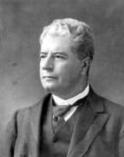
James Murdoch

教師でもあり歴史家でもあるジェームス・マードック氏は、その生涯の多くの時間を日本とオーストラリアで過ごした。 ヴェルサイユ条約(パリ講和会議)に於いては、白豪主義真っ只中の豪州国内で、日本が提案した議題、人種的差別撤廃の数少ない支持者であったが、結果的には同条項は採択されなかった。

James Murdoch, a teacher and historian who spent much of his life in Japan and Australia, fought an ultimately losing battle as one of the few supporters in White Australia of Japan’s proposed equality clause in the Treaty of Versailles.

 同氏は、スコットランドで生まれ、1880年、24歳の頃オーストラリアへ移民した。

He was born in Scotland and emigrated to Australia in 1880, aged 24.

1880年代に、オーストラリアのいくつかの学校で教鞭をとった後、記者となった。

Murdoch held a series of teaching posts in Australian schools during the 1880s. He then became a journalist.

1889年、マードックは第一高等学校(現在の東京大学)の教授となり、そこで夏目漱石らを教えた。当時、雑誌も創立し、小説及びノンフィクションなども執筆した。

In 1889, Murdoch became a professor at the First Higher School in Tokyo (today’s University of Tokyo), where one of his pupils was Natsume Soseki. He also launched a weekly magazine and wrote novels and non-fiction works.

1893年には一旦日本を去り、「ノヴァ・オーストラリア」という社会主義植民地を設立するためにパラグアイに渡ったが、計画は失敗に終わった。

In 1893 Murdoch left Japan to join “New Australia,” an experimental commune in Paraguay, but it failed.

 翌年、再び来日し、1908年まで教師として勤め、以降は作家として、一連の日本史に関する本を出版した。

He returned to Japan in 1894, working as a teacher until 1908, when he became a full-time writer. He published a series of books about the history of Japan.
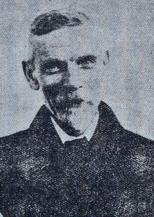
夏目漱石の教師だったスコットランド生まれオーストラリア人であったジェームズ・マードック

マードック氏は、オーストラリアに帰国後、豪州政府の日豪関係顧問として勤めた。オーストラリア政府は、日本が提案したヴェルサイユ条約(パリ講和会議)人種的差別撤廃提案に対して猛反対したが、マードック氏は強く支持した。当時、ビリー・ヒューズ豪州首相が提案破棄の主導者だった。当時は白豪州主義が最も根強く豪州社会全体に影響を与えていた時代で、マードック氏のような立場は珍しく、勇敢であった。オーストラリアの反対が両国間の更なる関係悪化をもたらし、20数年後の開戦理由のひとつになっただろう。マードック氏は、1921年にオーストラリアで死亡。

Murdoch went back to Australia and became an advisor to the Australian Government on Japan relations. He spoke out strongly against the Australian opposition to Japan’s racial equality clause in the Treaty of Versailles. Australian Prime Minister Billy Hughes was influential in defeating the proposal. In a country where the White Australia Policy was at its strongest, Murdoch’s stance of advocating racial equality was both rare and brave. Australia’s opposition to Japan’s proposal worsened relations between the countries and probably contributed to them going to war over 20 years later. Murdoch died in Australia in 1921.

    Reference/参考文

Racial Equality Proposal
Japan During World War I
人種的差別撤廃提案
第一次世界大戦下の日本
英語教師ジェームズ・マードックについて
ジェームス・マードック
James Murdoch
James Murdoch [1856-1921]
Ayame-san, A Japanese Romance of the 23rd Year of Meiji (1890)


New Australia

Cop A Gander At These Rippers Too...

  • どうやってオーストラリアの一部を東京で再現する?

    How Would You Recreate A Slice Of Oz In Tokyo? まずは遠藤 昭(アレックス・エンドウ)さんに相談してみるといいでしょう。第二の人生をかけて、東京都内やその近郊でオーストラリア原産植物の庭づくりに取り組んでいる第一人者です。 Asking Alex Endo would be a good place to start as he has turned his second life into creating small plots of Australian native plants found in the Tokyo capital area. 遠藤さんは日曜日、日本でバンクシアやグレビレアをはじめとするオーストラリア原産植物を育てる方法について講演を行いました。 Endo spoke on Sunday about how to grow a slice of Australia such as banksia, grevillea and other Australian plants in Japan. 今週発売された『最新版 はじめてのオージープランツ図鑑』の著者であり、日豪交流の架け橋でもある遠藤さん。この日は初心者向けと、すでにオージープランツ栽培を楽しんでいる人向けの2回にわたり、魅力あふれる講演を披露しました。 The author of はじめてのオージープランツ図鑑』 (“The Beginner’s Guide to Aussie Plants”) released this week, and a great bridge builder between Japan and Australia, gave a pair of captivating lectures; a morning session for beginners and the later session aimed at those who’ve already…

  • | |

    Why Do Japanese Baseball Teams Train in Australia?

    なぜ日本のプロ野球チームはオーストラリアでキャンプを行うのか? Every February and March, Japanese professional baseball teams head south instead of north. Why? The answer isn’t simply sunshine. Behind Australia’s growing role in Japanese baseball lies a story of friendship, trust and a shared love of the game. 毎年2月から3月にかけて、日本のプロ野球チームは北ではなく南へ向かいます。その理由は、暖かい気候だけではありません。オーストラリアでのキャンプには、野球を通じて育まれた日豪の友情と信頼の物語があります。 More Than Sunshine 暖かさだけではない When winter grips Japan, Australia is enjoying late summer. That makes it an ideal place for pre-season training. But sunshine alone doesn’t explain why Japanese teams keep returning. They come because Australia offers first-class facilities, quality opposition and communities that welcome them year after year. 暖かさだけではない 日本が冬を迎える頃、オーストラリアは夏の終わりです。 そのため、春季キャンプには最適な環境となります。 しかし、日本の球団が何度も訪れる理由は気候だけではありません。 充実した施設、実戦相手、そして温かく迎えてくれる地域の人々がいるからです。 Building Baseball Friendships 野球がつないだ友情 Training camps create more than fit players. They create friendships. Local…

  • |

    豪キャブラリー: Whacker

    Whackerは死語に近いオージー英語だが、あまりきつくない言い方として高齢者を中心にまだ使う場合はたまにある。Whackerは「あほ」や「お馬鹿さん」見たいな可愛いがりながら貶す言い方を示す。  ちなみに、whackは「叩く」という意味があり、「叩く人」がwhackerとも言える。大田舎(bush)へ行って車やオートバイなどをふざけて走り回ったりする人々がbushwhackerと呼ばれることがある(このような人たちはbushbasher=大田舎をボコボコにする人、という言い方もある。)  日本語の「バカ」か「アホ」と呼ばれたことと意味が同じでありながら、オージー英語ではWhackerと言われたら怒ったり、嫌がったりする人はいないと言っていいほど軽い気持ちを込めた言葉である。

  • | | |

    How Did A Japanese Kid Who Spoke No English Fundamentally Change Aussie Culinary Culture?

    一人の若い日本人シェフは、どうやってオーストラリアの食文化を変えたのでしょうか? When Tetsuya Wakuda arrived in Australia, he spoke little English and had no reputation. Today he is recognised as one of Australia’s greatest chefs, proving that friendship between nations can sometimes begin in a kitchen. ほとんど英語を話せないままオーストラリアへ渡った一人の日本人青年。後に和久田哲也さんは、オーストラリアを代表するシェフの一人となり、料理を通じて日豪の交流を深める存在となりました。 A new life in Australia オーストラリアで始まった新しい人生 Wakuda was born in Hamamatsu, Shizuoka Prefecture, in 1959. At the age of 22 he moved to Sydney, seeking new opportunities. With little English but a determination to learn, he began working in restaurant kitchens, where his talent quickly became clear. 和久田さんは1959年、静岡県浜松市に生まれました。22歳でシドニーへ渡り、新しい人生を歩み始めます。英語はほとんど話せませんでしたが、料理への情熱と努力で、その才能はすぐに高く評価されました。 Japanese precision meets Australian ingredients 日本の技とオーストラリアの食材が出会う Rather than simply cooking traditional Japanese food, Wakuda combined Japanese techniques with Australia’s exceptional seafood, meat and fresh produce….

  • やばいリンガル:Shithouse

    ストラインでは「shithouse」が質が悪いや結果が芳しくないと意味しています。直訳すると「糞の家」という意味になり、外便所に使われている「Outhouse」と「Dunny」と関連性がありながら微妙に意味が違う。 Shithouse is Strine for poor quality, or unenjoyable. It literally means “house of shit.” Though closely associated with outhouse and dunny, which are words to describe outside toilets, the meaning of shithouse is slightly more nuanced. Reference 豪キャブラリー:Brick shithouse | 考えRoo Outhouse – Wikipedia Dunny 外便所 – Wikipedia