Neighborhood Stroll

After a warmer than usual winter (despite initially showing signs of being a cold one), spring is suddenly upon us and cherry blossoms have bloomed at one of the earliest times ever, though the covid pandemic prevents them from being widely enjoyed.

On the weekend of higan, the vernal or spring equinox, when the day has roughly the same amount of daylight and dark, Tokyo got hit with a horrible spring storm.

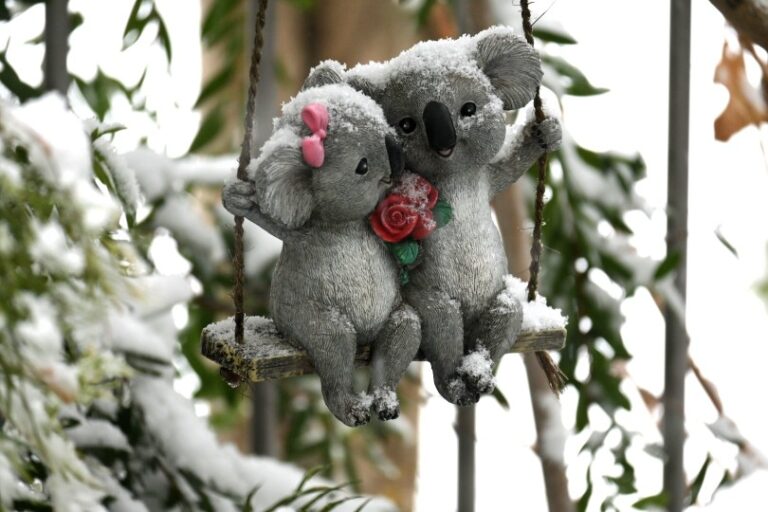
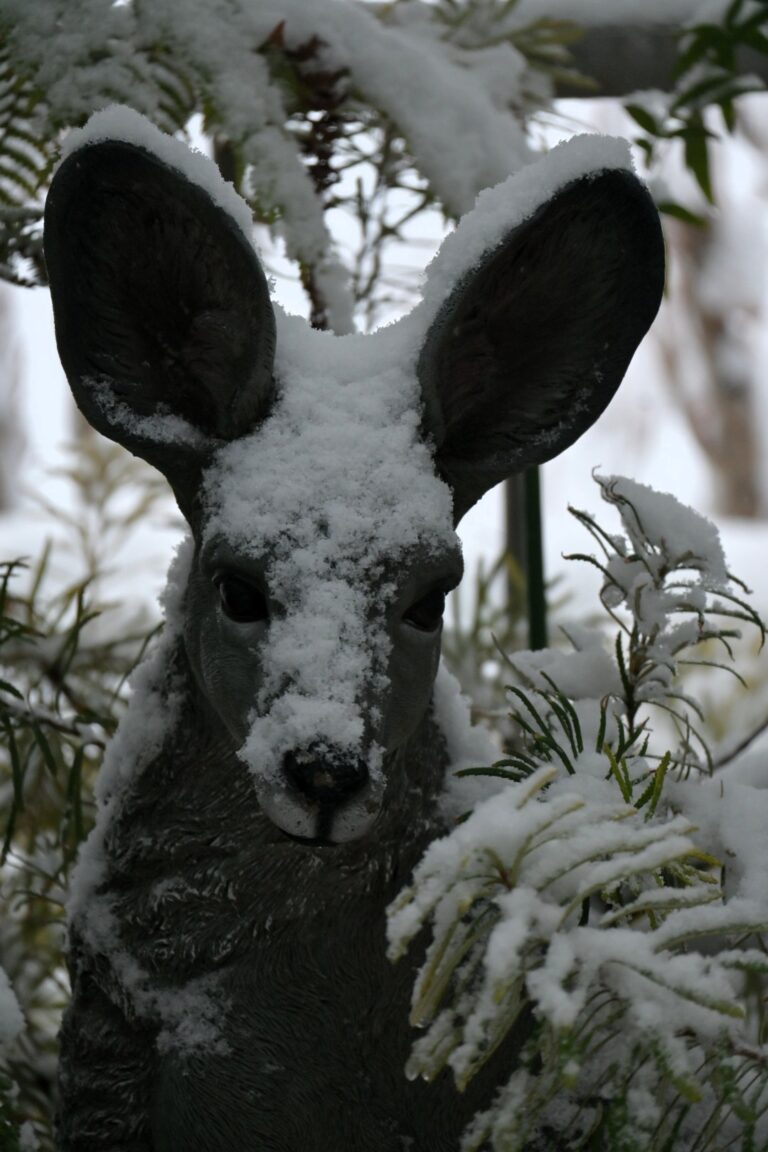
One benefit of the rain was bringing the opportunity to go for a stroll around the local neighborhood and catching a glimpse of sights like this one.
Cop A Gander At These Rippers Too...

  • No Holding The Horses When It Comes To Presenting Credentials*

    Japan’s Imperial Family undertakes as much pomp and paegantry as other countries with royals, though perhaps a little more subdued, with the profession of Presentation of Credentials being a good example. When an ambassador to Japan is appointed, they are given the option of getting a horse-drawn carriage ride from Tokyo Station to the Imperial Palace to present their credentials to the Emperor, the symbol of the state. I get to work in a place where you can see the ceremonies, which are a great show for me as a horse fan. The processions use zagyoshiki, which are ceremonial carriages drawn by a pair of horses. Most of the zagyoshiki…

  • |

    Little Girl’s Story Opens Door to Aussie Animal Boom in Japan

    Back in the early ’80s Australia did not command a great deal of attention in Japan (to be honest, it still doesn’t command that great a presence to this day…) Things changed, however, with the launch of Lucy-May of the Southern Rainbow. Lucy-May of the Southern Rainbow was an anime by Nippon Animation that aired weekly from January 10 to December 26, 1982. The cartoon told the story of Lucy-May Popple and her family, who had emigrated from Yorkshire to live in Adelaide, Australia. The story was based on a book called Southern Rainbow by Australian author Phyllis Piddington. The anime would be translated into numerous languages and aired in…

  • オーストラリアのために働きませんか?大使館が募集中

    Australian Embassy In Tokyo Looking For An Executive Assistant The Australian Embassy in Tokyo is advertising for an executive assistant. 日本語の募集情報はなく、全部上記・下記の通りの英文サイトに参照してください。 Details of the opening (taken from the embassy website) are as follows: The Australian Embassy in Tokyo is seeking a proactive, highly organised, and motivated Executive Assistant to join our team. This is an exciting opportunity to work at the heart of the Embassy, providing high-level executive and administrative support to the Ambassador, Deputy Ambassador and Minister Counsellor (Political). The successful candidate will play a key role in ensuring the smooth and effective operation of the Embassy’s senior leadership office. To succeed, you will need exceptional attention to detail, proven…

  • |

    豪政府の完全敗戦だったエミュー大戦争

    オーストラリアが独立した1901年1月1日時点には、南アフリカにてボーア戦争に参戦し、現在に至るまでさまざまな戦争や紛争に戦い、決して「平和的」な国とは言い難い。20世紀に渡って第一次・第二次世界大戦をはじめ朝鮮戦争、マレーシア紛争、インドネシア戦争、ベトナム戦争に参戦した上、21世紀になったらアフガニスタンとイラク戦争にも参戦した。軍事力はそこそこ評価されるが、参戦した戦争の中ではオーストラリア軍がものすごく恥をかかされたのは特に一戦が目立つ。それは1932年のエミュー大戦争だった。おまけ、オーストラリア軍に対して戦勝した相手がエミュー、、、国家鳥だ。  事態は今からちょうど79年さかのぼって世界恐慌下で起きた。戦場が西オーストラリア州マーチソン地区だった。いつもより熱かった夏によりオーストラリア国紋章にある国家鳥エミューの繁殖がさかんとなり、農産物を大量摂取することになった。すでに経済的に苦しんでいる農家を中心に事態に対して連邦政府(国)に対策を実施するようにプレッシャーをかけるようになった。  オーストラリアでは政治的権力が今も昔もある農家を政治家が無視できない。選んだ対策はオーストラリア軍の動員だった。  1932年11月上旬のある朝、王立豪州大砲部隊約50兵がG.メレディス大佐下でおよそ20万羽のエミューと戦う。部隊は、トラックに取り付けられた機関銃で国家鳥と向き合う。  エミュー群は池で水を飲もうとしたところ軍が突然開戦し、機関銃で全開鳥に向かって打つ。  しかし、エミュー群が広げて鳥があっちこっち走り回って、打たれた鳥の数はほんのわずかしかすぎなくて、ほとんどのエミューが見事に逃げた。  同日午後、部隊が再び集合し、もう一回攻撃をしようとした。しかし、機関銃の音でまた鳥が走って逃げて、結果的に何万羽の鳥中、殺されたのが数羽しかなかった。  豪軍部隊が撤退し、エミューが思う存分農産物を餌にし続けた。  約1週間後、メレディス大佐がまた先頭に再び豪軍がエミュー群と向かって機関銃で乱射したが、また効果がほとんどなく、もう1回エミュー群のほとんどが逃げた。2回戦って約2万弾を使用した結果エミュー数百羽しか殺せなかった。  「この鳥のように弾に対しての力があった部隊があれば世界中のどんな国の軍隊に対して争える。機関銃に対して戦車並みの力がある」とメレディス大佐が敗戦を認めた。  これが起きている時、遠いキャンベラの国会ではエミュー大戦争に対して大騒ぎになった。国防相(当時)ゴードン・ピアス氏が豪軍敗戦を認めて、戦場から撤退の命令を下した。それに対してエミューの反応が未だに不明だが、以降数十年同地区では農家の大迷惑をかかったのは間違いない。  敗戦後、農家が1948年まで3回も連邦政府のエミュー対策を要請したが1932年の敗戦を背景に毎回拒否し、エミューの完全勝利となった。  

  • Abe First Japanese PM To Visit Japanese-Bombed Darwin

    In 1942, Japanese forces launched the only attacks on the Australian mainland, and Japanese Prime Minister Shinzo Abe became the first premier to visit Darwin, the most heavily damaged city bombed by the Japanese. Apart from Darwin, Japanese forces also attacked Sydney, Broome, Katherine, Wyndham, Exmouth, Port Headland and Townsville in the early stages of World War II. Abe’s grandfather, former Prime Minister Nobusuke Kishi, was arrested for war crimes, but released without conviction. Kishi was instrumental in re-establishing a strong postwar trade relationship between Australia and Japan. Shinzo Abe arrives in Darwin for first visit by Japanese leader

  • Totoro In My Neighborhood

    I had no idea until yesterday, but for years I have been living quite close to Totoro, a Shinto kami made globally famous through Hayao Miyazaki‘s utterly delightful 1988 animated movie, My Neighbor Totoro. OK, so it’s not the real forest-protecting spirit as depicted by STUDIO GHIBLI, but the topiary sculpture is wonderful. It’s a work that I’m pretty sure is unauthorized by Suzaki, a gardening company in the Tokyo suburb of Kokubunji. A cycling buddy posted photos of Totoro on social media yesterday, and with only a couple of pre-dawn hours available for anything today due to home requirements, I looked up the location and decided to make a…