How Did Noriko Nishimoto Help Thousands of Japanese Discover Australia?

西本典子さんは、どのように何千人もの日本人とオーストラリアを結び付けたのか?
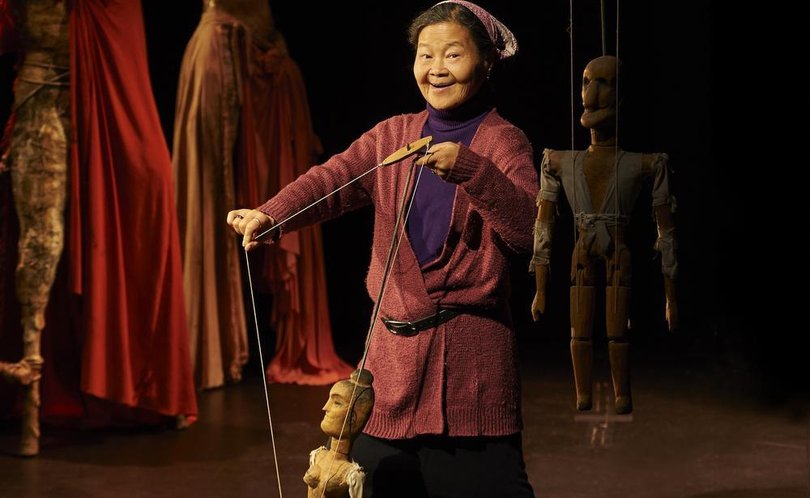
Puppeteer Noriko Nishimoto had been declared a treasure by Western Australia

Long before influencers and travel bloggers, one Japanese woman was quietly introducing Australia to generations of Japanese visitors. Through warmth, knowledge and tireless community work, Noriko Nishimoto became one of the unsung builders of Australia–Japan friendship.

SNSも旅行インフルエンサーも存在しなかった時代、一人の日本人女性が静かにオーストラリアの魅力を日本へ伝えていました。西本典子さんは、長年にわたり多くの人々を結び付けた、知られざる日豪交流の立役者です。


A New Home

第二のふるさと

Noriko Nishimoto did more than settle in Australia.

She made it her mission to help Japanese visitors and residents feel welcome.

Whether answering questions, sharing local knowledge or building friendships, she became a trusted bridge between two cultures.

第二のふるさと

西本典子さんは、オーストラリアで暮らすだけではありませんでした。

日本人が安心して生活し、旅を楽しめるよう支え続けました。

情報を伝え、人と人を結び、日豪をつなぐ架け橋となったのです。


Building Communities

コミュニティを育てる

International friendship rarely happens through official ceremonies.

It grows through everyday acts of kindness.

By helping newcomers find their feet, Nishimoto strengthened both the Japanese community and its ties with local Australians.

コミュニティを育てる

国際交流は式典だけで育まれるものではありません。

日々の小さな親切の積み重ねが、人と地域を結びます。

西本さんは、日本人コミュニティと地域社会との交流を支え続けました。


Quiet Leadership

静かなリーダーシップ

Many of the strongest community leaders work behind the scenes.

They organise events, answer emails, introduce strangers and solve problems before anyone notices.

Their reward is seeing others succeed.

静かなリーダーシップ

本当に大きな役割を果たす人ほど、表舞台には立ちません。

行事を準備し、人を紹介し、困り事を解決する。

その喜びは、人々の笑顔にあります。


A Friendship Measured in People

人とのつながりが財産

Over the years, Nishimoto helped countless Australians understand Japan and countless Japanese understand Australia.

Those friendships continue long after holidays end.

That may be her greatest achievement.

人とのつながりが財産

西本さんは、数え切れないほど多くの日本人とオージーを結び付けてきました。

旅行や留学が終わっても、その友情は続いています。

それこそが、最大の功績なのかもしれません。


An Unknown Nichigo Story

「知られざる日豪交流」の物語

History often celebrates prime ministers and business leaders.

Yet Australia–Japan friendship has also been built by people like Noriko Nishimoto.

Their names may not appear in textbooks.

Their influence lives on in people.

「知られざる日豪交流」の物語

歴史は政治家や経営者に光を当てることが多くあります。

しかし、日豪交流を支えてきたのは、西本典子さんのような人々でもあります。

教科書には載らなくても、その功績は人々の心に残り続けています。


Did You Know?

Many of the longest-lasting Australia–Japan relationships began with introductions made by dedicated community volunteers rather than governments.

豆知識

日豪交流の多くは、政府ではなく地域で活動する人々の紹介や支えから始まっています。

Cop A Gander At These Rippers Too...

  • |

    Why Does Australia Have So Many Japanese War Memorials?

    なぜオーストラリアには日本人戦没者慰霊碑がこんなに多いのか? Most Australians know about the fierce fighting against Japan during the Second World War. Few realise that Australia is also home to dozens of memorials dedicated to Japanese people. How can a country that fought such a bitter war also preserve monuments honouring former enemies? The answer lies not in politics, but in compassion, reconciliation and a shared belief that every life lost in war deserves to be remembered. Over the past 80 years, Australians and Japanese have worked together to care for cemeteries, restore memorials and commemorate those who never returned home. These quiet places tell an important story about how former enemies became trusted friends. 第二次世界大戦で日本と激しく戦ったことは、多くのオーストラリア人が知っています。しかし、オーストラリア国内に数多くの日本人戦没者慰霊碑や墓地があることを知る人は、それほど多くありません。 かつて敵国だった日本人を、なぜオーストラリアが今も大切に弔っているのでしょうか。その答えは政治ではなく、思いやりと和解、そして戦争で命を失ったすべての人々を忘れないという共通の願いにあります。…

  • Aussies Exposed to Radiation in Japan After Hiroshima

    Not long after the end of World War II, John Collins would sit and eat sandwiches at Ground Zero in Hiroshima, then sift through the rubble left from the city subjected to the world’s first nuclear attack for items he thought could become historically valuable. 戦後間もなく、ジョン・コリンズ氏は、広島市の原爆中心地に座ってサンドウィッチを食べてがれきの中に歴史的に価値のあるものを探し回ったことがあった。 Collins was then a 19-year-old sapper with the Australian troops making up the bulk of the British Commonwealth Occupation Forces (BCOF) stationed in Japan from February 1946 to April 1952. 当時、コリンズ氏は、1946年2月から1952年4月の間で英国連邦進駐軍(BCOF)の約9割で構成したオーストラリア軍の一人だった。19歳だった。

  • |

    日本人が知っている豪先住民語

    Modern Japanese is filled with examples of borrowed words from foreign languages, which are known as gairaigo. “G’day” is probably widely known throughout Japan as a symbol of Australian English, but there are some even more uniquely Australian words that have also made their way into Japanese.  現代の日本語は、外国語を由来とする、いわゆる外来語が多く、オージー英語から来ている言葉もその例外ではない。日本では「グッダイ」が、オージー英語の典型的な例としてよくあげられるが、実際に日常生活の中でもオーストラリア先住民語が使われているという事実がある。

  • |

    Kanagawa Lifeguards Finish Gold Coast Stint

    A group of eight lifeguards from Kanagawa Prefecture recently completed a successful stint working with counterparts on the Gold Coast as part of an exchange program. Gold Coast City Council Acting Community and Cultural Development Chair, Cr Margaret Grummitt, said the exchange was a great opportunity to share safety information and skills. “This exchange has been running for 12 years and promotes good relations with our Japanese counterparts. The visit helps share ideas and techniques to improve beach safety and is a great way to boost our cultural links with Japan,” she told mygc.com.au. It was the first time Japanese lifeguards had traveled to Queensland for two years, with the…

  • |

    Sheer Nonsense? No, Shear Delight!

    Australia hasn’t really had much of an impact on Japanese culture over the years, but there is one case that inspires sheer delight….or perhaps that should be “shear?” For Japanese of a certain age, 調子をそろえて、クリック、クリック、クリック (Choshi wo soroete kurikku, kurikku, kurikku, is a highly familiar song picked up in an early season of Minna no Uta, a radio and TV program broadcast by NHK since 1961 to introduce new tunes to the Japanese public. The song is known in English as Click Go the Shears and Peggy Hayama, who sang the Japanese version of the song with lyrics written by Takashi Otowa, would retain a lifelong connection with Australia because…

  • | |

    Nissan Bluebird Oozui: When Australia (Briefly) Exported Cars to Japan

    This year marks the 20th anniversary of Australia’s disastrous foray into exporting cars to Japan. For a brief period from 1989 to 1992, fully imported Bluebird Aussie cars made in Australia went on sale in Japan. The Bluebird Aussie was apparently the result of Nissan Australia’s Matilda Project, which had aimed to make a solely Australian car for Australian conditions, but ended up being a modified bluebird. Australia was, at the time, at the peak of its powers in the enormously fickle Japanese market. Thousands of Japanese tourists were flocking Down Under and Australia was on the verge of overtaking Hawaii (albeit very briefly as it turned out) as the…