Did You Know A Japanese Cure Turned Out To Be A QR Aussies Use Daily?

オーストラリアで毎日使われる便利なものが、日本生まれだと知っていましたか?
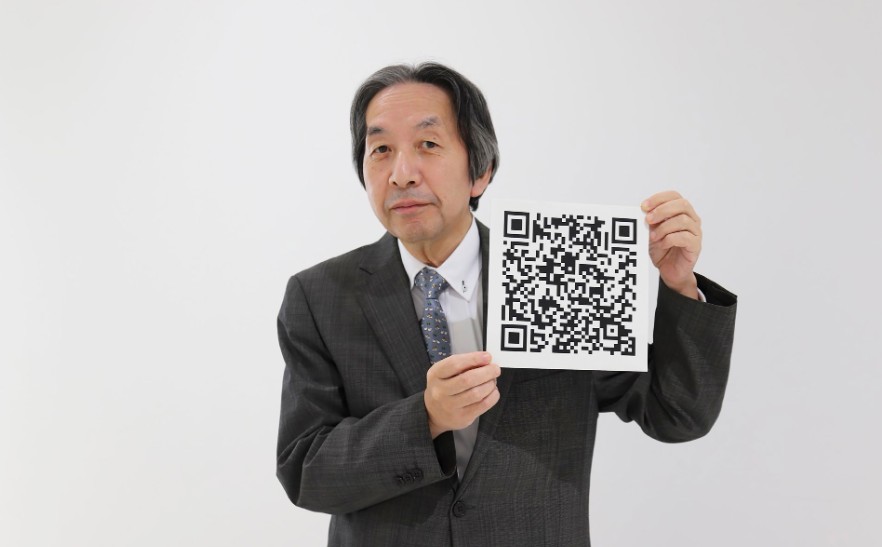
Aussies scan QR codes countless times every day—for café menus, concert tickets, parking and payments. Yet few realise the technology was invented in Japan by one engineer who wanted to make work easier.

カフェのメニュー、コンサートのチケット、駐車場の精算やキャッシュレス決済。オーストラリアでも毎日使われるQRコードですが、その技術が日本で、一人の技術者によって生み出されたことはあまり知られていません。


Meet the man behind the square

あの四角いコードを生んだ技術者

In 1994, Japanese engineer Masahiro Hara developed the QR code while working for Denso Wave. The company needed a faster way to track vehicle components during manufacturing. Hara’s solution could store far more information than ordinary barcodes while remaining quick to scan.

1994年、日本の技術者・原昌宏(はら まさひろ)さんは、デンソーウェーブで働きながらQRコードを開発しました。自動車部品をより効率よく管理するため、従来のバーコードより多くの情報を記録でき、素早く読み取れる仕組みを考え出したのです。


A gift, not a monopoly

独占ではなく、世界への贈り物

Although Denso Wave patented the technology, it chose not to enforce the patent rights. This allowed QR codes to spread rapidly around the world and encouraged businesses everywhere to adopt the technology without paying licence fees.

デンソーウェーブは特許を取得しましたが、権利を積極的に行使しない方針を取りました。その結果、QRコードは世界中へ急速に広がり、多くの企業や開発者が自由に活用できるようになりました。


Australia quickly embraced QR codes

オーストラリアにも急速に広まる

Aussies first encountered QR codes in advertising and product packaging. During the COVID-19 pandemic they became part of everyday life, with millions of people scanning codes to check into venues. Today they are used for restaurant menus, transport, parking, payments, banking and sporting events.

オーストラリアでは、広告や商品パッケージなどでQRコードが使われ始めました。新型コロナウイルス流行時には入店記録のため全国で利用され、一気に生活に浸透しました。現在では、飲食店のメニュー、公共交通、駐車場、決済、銀行サービス、スポーツ観戦など、さまざまな場面で活躍しています。


Designed to be reliable

壊れても読み取れる工夫

One reason QR codes became so successful is their built-in error correction. Even if part of the code is dirty or damaged, scanners can often recover the missing information. That reliability has helped make QR codes one of Japan’s most successful technological exports.

QRコードが世界中で普及した理由の一つは、高い復元性能です。一部が汚れたり欠けたりしていても、多くの場合は情報を正しく読み取れます。この優れた仕組みが、日本を代表する技術の一つとして世界に広まる大きな理由となりました。


More than just a clever invention

便利な発明を超えた日豪のつながり

Aussies now scan QR codes almost without thinking. Yet behind every scan is the work of a Japanese engineer whose practical idea changed the way the world shares information. It is another quiet reminder that many Australia–Japan connections are found in everyday life.

オーストラリアでもQRコードを使うことは、今や当たり前になりました。その一回一回の読み取りの背景には、日本人技術者の発想があります。私たちの日常には、気づかないうちに日本とオーストラリアを結ぶ技術やアイデアが息づいているのです。


Original Sources

Cop A Gander At These Rippers Too...

  • |

    Me and Robbie McGhie

    (Sung to the tune of Me & Bobby McGee) Buggered at the Jolimont Road end, playing the Blues again Back when having tats meant you were mean Robbie pulled a durry out, though it was still during the game Sucked a tinny filled with Tiger dreams Balmely hooned and swiped a dirty big coathanger Got ‘em playin’ soft while the Tiges smashed the Blues, yeah Cheer squad at the Punt Road end was showing form was fine Grog Squad singing every chant it knew Freedom’s just another word for beatin’ up the Blues Beatin’ don’t mean nothin’ without a flag like ’73, no no And winnin’ under Tommy was easy…

  • Hello Cello, Watch Out Aussies! 2CELLOS Are Headed Your Way

    Japan has given a final farewell to the 2CELLOS, the amazing duo of cellists on a world tour they have promised will be their last. Stjepan Hauser and Luka Šulić are already on their way Down Under, where they will play a series of shows before a final performance together in Auckland, New Zealand, on December 4. As a jam-packed Nippon Budokan attested, this pair are Big in Japan in a totally unironic sense. They’ve brought great delight to music fans of many genre all around the world for over a decade and the tour will bring an end to their collaboration (though it’s hard to see this being permanent…)…

  • | |

    ハーバーブリッジ80周年

    シドニー、いや、オーストラリア全体の象徴ひとつであるは、今週開通80周年を迎えた。  ハーバー・ブリッジの建設は約10年かかって、開会式ではニューサウスウェルズ州知事ジャック・ラングの先に右翼団体のメンバーがリボンを来て馬で逃げたという事件から歴史がちょっと暗いスタートで始まったが、以降ハーバー・ブリッジがオーストラリアの誇りとなり、今でもシドニーの人々にとって大きな存在感を持つ。  建設当時から1967年までシドニーも最も高い建物であった上に今でも同市の最長建物である。  交通・環状道路などだけじゃなく、観光スポットとして有名であり、2000年のシドニー五輪の顔をはじめ、ハーバーブリッジ・クライム(よじ登る)及花火の打ち上げなどでも世界中に幅広く評価されている。 Sydney Harbor Bridge (English) 豪キャブラリー:Coathanger Happy Birthday Harbour Bridge

  • | |

    Tets-J Doing a Dinkum Bewdy of a Job Spreading Indigenous Aussie Culture in Japan

    Tets-J is one of the great unsung heroes promoting Australian culture in Japan, and he’s even more remarkable for advancing indigenous Aussie culture. Tets-J learned about the didgeridoo while staying in Melbourne, taught himself how to play, then returned to Australia’s Arnhem Land and studied under Djalu Gurruwiwi, a master didgeridoo player and member of the Yolngu people. He has devoted his life to spreading indigenous Australian culture throughout Japan, which he does through his performances, his store, Dinkum Japan, classes, lectures, workshops and live performances he gives across the country, as he is currently doing on weekends in Tokyo. Aboriginal Cultural Week Vol. 2, the collection of lectures, workshops…

  • Aussies Exposed to Radiation in Japan After Hiroshima

    Not long after the end of World War II, John Collins would sit and eat sandwiches at Ground Zero in Hiroshima, then sift through the rubble left from the city subjected to the world’s first nuclear attack for items he thought could become historically valuable. 戦後間もなく、ジョン・コリンズ氏は、広島市の原爆中心地に座ってサンドウィッチを食べてがれきの中に歴史的に価値のあるものを探し回ったことがあった。 Collins was then a 19-year-old sapper with the Australian troops making up the bulk of the British Commonwealth Occupation Forces (BCOF) stationed in Japan from February 1946 to April 1952. 当時、コリンズ氏は、1946年2月から1952年4月の間で英国連邦進駐軍(BCOF)の約9割で構成したオーストラリア軍の一人だった。19歳だった。

  • |

    Japan’s Fans Still Go Mad For Australia’s Most Successful Film Franchise

    One of the most outstanding characteristics I have found of many Japanese people in almost four decades of living here is that it is highly common for fun to be taken very seriously, indeed. One area where I have seen that trait on display comes with the franchise related to Mad Max, whose five movies dating from 1979’s Mad Max to Furiosia: A Mad Max Saga in 2024 make it the most successful Australian cinematic series in history. In fact, had it not been for avid fans in Japan, the franchise would probably not have continued past the first entry, but Mad Max has also given back to Japan, inspiring…