Waltzing Matildas In The Land Of The Rising Sun
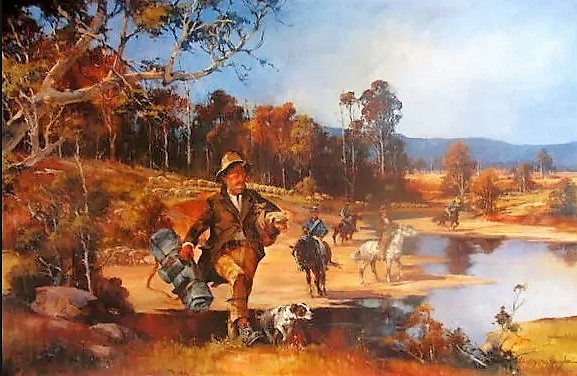
Waltzing Matilda is probably Australia’s most famous song and it’s certainly a tune that remains powerfully iconic of Down Under, but has not had the impact in Japan of other Aussie tunes, like say, Click Go the Shears.

That’s not to say that Matilda hasn’t made it’s mark.

However, like many things Japan, it’s legacy lies not quite in the way you’d expect.

My understanding is that Waltzing Matilda is probably best known in Japan for being the jingle used to open Japanese language shortwave radio broadcasts on Radio Australia, which ended in 1990, so there’s a fair chance that my guess is well out of date.

Three-piece rock band The50kaitenz used the tune and undoubted influence of Waltzing Matilda on their song, Machiruda to Tabi wo, released on their 4th album in 2018. It didn’t chart.

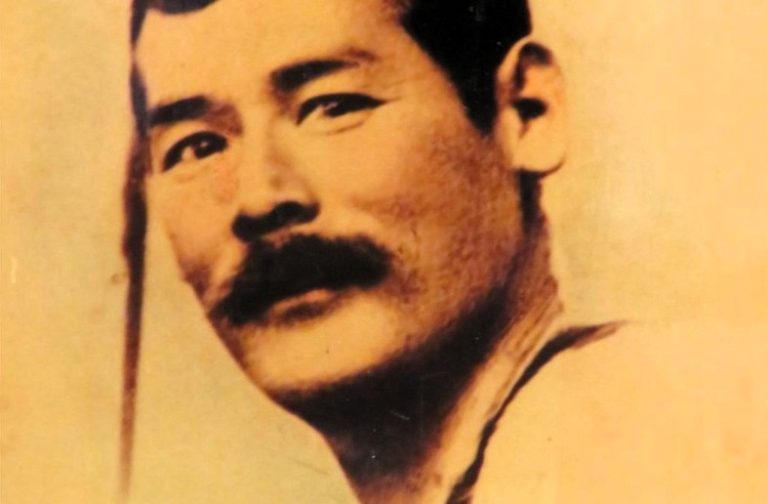
But a much deeper influence was made upon performer Naohiro Tsurube, who used the stage name Odorou Machiruda (a translation of waltzing Matilda) with quite a degree of success in the 2010s before going on hiatus in 2019 (and performing under his real name since, apparently).

One of Odorou Machiruda’s songs is even called Odorou Machiruda, and though it’s not a Japanese version of the song symbolic of Australia, the influence is apparent.

Cop A Gander At These Rippers Too...

  • Arse Wind?

    Walking along Route 246, I was surprised to look up and see the katakana script reading アースウィンド!  びっくり仰天だった! アースis, in English, arse…or, so I thought. Arse wind, then, could only mean one thing….surely a company couldn’t have named itself after a fart? Of course it didn’t. In fact, アース is also the reading for earth. That makes Earth Wind a little easier to comprehend, even if the English is still a little awkward.

  • | |

    豪の実力以上のものに挑む精神を表示するBig Guitar群れ

     多くのオーストラリア人が自国が実力以上の物に挑むことを信じている。  ある程度根拠があると言える。例えば、人口僅か2千万人にも関わらず経済が世界ベスト15カ国に入りアジア太平洋地域を中心に外交面でも大活躍する。ソフトな面もヒュー・ジャックマン、二コール・キッドマンなどハリウッドなどで大スターとなっているオージーが多く、音楽界でもカイリ・ミノーグかオリビア・ニュートン・ジョンや最も成功しているAC/DCもオーストラリアから世界へ挑んだアーティストの例。  そして、音楽と言えばさらに実力以上に挑むのが各地にあるBig Guitarかもしれない。各地にあり、オーストラリアの「Big Things」の一例ともなる。  まずは、最も音楽界に親密にあるのがニューサウスウェールズ州のタムワースにあるBig Golden Guitarだ。  タムワースがオーストラリアのカントリー・ミュージック都と呼ばれ、ある意味では豪版ナッシュビルみたいと言っても過言ではない。  Big Golden Guitarが高さ12メートルがあり豪カントリー・ミュージック賞のトロフィをモチーフで1988年で創られている。    そして、同州南方にあるナランデラという町に世界最大弾けるギターがある。  これも当然オーストラリアの「Big Things」一つでもある。  この「Big Things」がBig Playable Guitarと呼ばれ、長さ6メートル高さ2メートルの巨大な楽器だ。  実際に弾けることを弾けるがまともな曲を弾けるために二人以上かかるという。  そして、最後に、厳密な「Big Things」とちょっと言いがたいがクィーンズランド州観光名所ゴールド・コーストの最も有名な地域サーファーズ・パラダイスには高さ10メートルのBig Hard Rock Guitarがあり、目印となっている。 Big Golden Guitar Tourist Center

  • Why Has Kumi Taguchi Become One Of Australia’s Most Important Bridges To Japan?

    なぜクミ・タグチ氏はオーストラリアと日本を結ぶ大切な架け橋になったのでしょうか? Australian journalist Kumi Taguchi has spent decades helping Australians understand Japan—not through stereotypes, but through thoughtful storytelling and her own bicultural experience. オーストラリアのジャーナリスト、クミ・タグチ(田口久実)氏は、長年にわたり自身のルーツと取材を通して、日本を固定観念ではなく「人」の物語としてオーストラリアへ伝えてきました。 Australia’s trusted Japanese-Australian voice オーストラリアで信頼される日系ジャーナリスト Many Australians know Taguchi as the calm, thoughtful presenter of SBS’s Insight. Before that she fronted ABC News and Compass, becoming one of Australia’s best-known journalists. Few viewers realise her Japanese heritage has quietly shaped her career and the stories she tells. Taguchi is, for me, an incredible presence on Insight. The program encourages people to bare their souls about aspects of their lives that make them extremely vulnerable. Having the ability to coax those emotions from people takes an immeasurable…

  • | |

    Did You Know A Japanese Cure Turned Out To Be A QR Aussies Use Daily?

    オーストラリアで毎日使われる便利なものが、日本生まれだと知っていましたか? Aussies scan QR codes countless times every day—for café menus, concert tickets, parking and payments. Yet few realise the technology was invented in Japan by one engineer who wanted to make work easier. カフェのメニュー、コンサートのチケット、駐車場の精算やキャッシュレス決済。オーストラリアでも毎日使われるQRコードですが、その技術が日本で、一人の技術者によって生み出されたことはあまり知られていません。 Meet the man behind the square あの四角いコードを生んだ技術者 In 1994, Japanese engineer Masahiro Hara developed the QR code while working for Denso Wave. The company needed a faster way to track vehicle components during manufacturing. Hara’s solution could store far more information than ordinary barcodes while remaining quick to scan. 1994年、日本の技術者・原昌宏(はら まさひろ)さんは、デンソーウェーブで働きながらQRコードを開発しました。自動車部品をより効率よく管理するため、従来のバーコードより多くの情報を記録でき、素早く読み取れる仕組みを考え出したのです。 A gift, not a monopoly 独占ではなく、世界への贈り物 Although Denso Wave patented the technology, it chose not to enforce the patent rights. This allowed QR codes…

  • | |

    The Japan-Australia Link As A Fallen Star Became A Black Hole

    Japan has become pretty much synonymous with high quality construction, but that didn’t prove to be in what was supposed to be a star project in Melbourne but ended up being more of a black hole. The 120-meter-high Melbourne Star Ferris wheel was supposed to be a boon for tourism in Australia’s largest city, as well as a strong leap forward for Sanoyas, an Osaka-based shipbuilding company looking to expand into the amusement park business. The Melbourne Star was plagued from the outset. It was supposed to open in 2006, but didn’t start taking customers until two years later. It ran for just 40 days when it was shut down…

  • Strine(オージー英語)を生んだ親

    Afferbeck Lauder氏はストライン(オージー英語)の父と言っても過言ではない。  1950年代から1960年代にかけてまでほとんどのオーストラリア人が自国が英国帝国の一部として見て、イギリスと親密感があった。オージー英語の特殊さ及び独特な味を誇りに思うより、恥ずかしがる人が多かった(これは別の話し後日にお話しするが、この現象がcultural cringe< 文化的従属的姿勢>という)。